
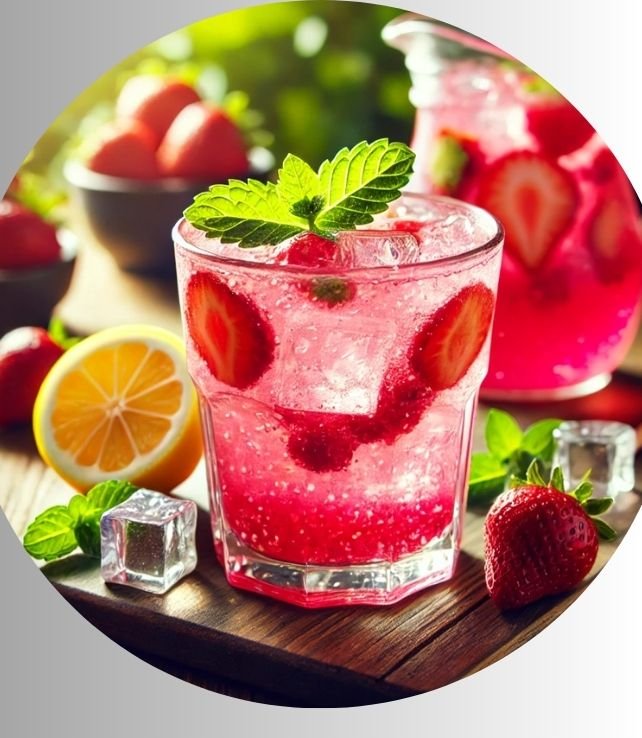
You know that feeling when the afternoon sun is high and you need something more than water, but less heavy than a smoothie? I was in my kitchen last summer, with a pint of perfect strawberries and a lingering memory of a beachside drink, facing exactly that. The solution I crafted that day became a staple in my home, and I want to share it with you.
This recipe is for a Strawberry Acai Lemonade Refresher. It is a vibrant, layered drink that combines sweet fruit, tart citrus, and the unique, berry-like depth of acai. It is hydrating, packed with antioxidants, and visually stunning. Below, you will find the complete method to make it, followed by a deep analysis of every ingredient, nutritional insights, and practical guidance to master this beverage.
How to Make Strawberry Acai Lemonade Refresher Recipe
This section provides the complete formula. Read through the instructions once before you begin. The process is straightforward, but a little organization ensures the beautiful layered effect.
Recipe Details
- Prep Time: 15 minutes
- Cook Time: 0 minutes
- Servings: 2 large glasses
- Course: Beverage
- Cuisine: Fusion
- Diet: Vegan, Gluten-Free
Ingredients
- For the Strawberry Layer:
- 1 cup fresh strawberries, hulled
- 1 tablespoon fresh lemon juice
- 1 teaspoon maple syrup or agave (optional, depending on berry sweetness)
- 2 tablespoons water
- For the Acai Lemonade:
- 1 (100g) packet unsweetened acai puree, thawed
- 3/4 cup fresh lemon juice (from about 4-5 lemons)
- 3 cups cold water
- 2-3 tablespoons light sweetener (like cane sugar, simple syrup, or stevia to taste)
- Ice cubes
- For Garnish:
- Fresh strawberry slices
- Lemon wheels
- Fresh mint sprigs
Instructions
- Prepare the strawberry puree. In a blender, combine the fresh strawberries, 1 tablespoon lemon juice, optional sweetener, and 2 tablespoons water. Blend on high until completely smooth. Set aside.
- Make the acai lemonade base. In a large pitcher, combine the thawed acai puree and fresh lemon juice. Whisk vigorously until the acai is fully dissolved and integrated.
- Add the cold water and your chosen sweetener to the pitcher. Stir or whisk until the sweetener is completely dissolved. Taste and adjust sweetness or tartness by adding more sweetener or a splash of water.
- Assemble the drinks. Fill two tall glasses 1/3 of the way with ice. Divide the fresh strawberry puree evenly between the glasses, pouring it over the ice.
- Slowly pour the prepared acai lemonade over the back of a spoon held just above the strawberry layer. This technique helps the liquid land gently, creating a distinct separation between the red puree and the purple-pink lemonade.
- Garnish each glass with a strawberry slice, a lemon wheel, and a sprig of mint. Serve immediately with a straw, encouraging the drinker to stir and integrate the layers as they sip.
Nutrition
- Calories: 110 kcal
- Protein: 1 g
- Fat: 2 g
- Carbohydrates: 25 g
- Sugar: 18 g
- Fiber: 3 g
- Sodium: 10 mg
- Cholesterol: 0 mg
Note: Nutritional values are estimates per serving, calculated with 2 tablespoons of cane sugar and without optional maple syrup in the strawberry layer. Values will vary with specific ingredient brands and sweetener choices.
Cooking Method
This is a no-cook, cold-assembly recipe. The primary techniques involved are blending (for the strawberry component) and whisking or stirring (to combine the liquid ingredients). The final assembly uses a layering method common in bartending to achieve a visual effect.
Tools Needed
- Blender or food processor
- Citrus juicer or reamer
- Large pitcher (at least 1.5 quart capacity)
- Whisk or long spoon
- Measuring cups and spoons
- Tall serving glasses (2)
Ingredient Analysis: Why Each Component Matters
Understanding your ingredients transforms you from a follower of instructions to a creator. Each element in this formula has a specific functional and nutritional role.
Strawberries: The Sweet Foundation
Strawberries provide the primary fruit flavor and the dense, visually striking bottom layer. Their natural pectin, released when blended, gives the puree a slightly thickened body that helps support the lemonade layer above.
From a dietary perspective, strawberries are a significant source of vitamin C, manganese, and folate. They are also rich in anthocyanins and ellagitannins, plant compounds studied for their antioxidant and anti-inflammatory properties. Choosing ripe, in-season berries maximizes both flavor and nutrient density.
Acai: The Superfruit Core
Acai (pronounced ah-sigh-EE) is a palm fruit native to the Amazon rainforest. For this drink, using unsweetened frozen puree is ideal. It delivers a distinct, tart flavor profile reminiscent of blackberries and dark chocolate, without overwhelming sweetness.
Acai berries are notable for their high concentration of anthocyanins, the same pigments found in red cabbage and blueberries, which give the lemonade its deep color. They also provide dietary fiber and heart-healthy fats. It is the acai that elevates this from a simple lemonade to a nutrient-dense refresher.
Fresh Lemon Juice: The Essential Acid
Bottled lemon juice cannot replicate the bright, clean acidity of freshly squeezed lemons. The citric acid is crucial for balance, cutting through the sweetness of the fruit and sweetener.
This acidity also plays a minor preservative role, slowing oxidation and helping the drink maintain its vibrant color for a short period. Nutritionally, fresh lemon juice is a potent source of vitamin C and enhances the absorption of non-heme iron from plant sources.
Sweeteners: Finding Your Balance
The choice of sweetener is highly personal and impacts the final character of the drink. Cane sugar or simple syrup integrates seamlessly. Maple syrup adds a warm, caramel note. For a sugar-free version, liquid stevia or monk fruit extract work well, but must be added drop by drop.
The key is to sweeten the acai lemonade base to your liking after it is mixed, but before assembly. The strawberry layer may need no added sweetener if your berries are very ripe, which is why its sweetener is listed as optional.
Nutritional Breakdown and Dietary Benefits
As a dietician, I look at this drink not as a dessert, but as a functional beverage. Its nutritional profile supports hydration and provides key micronutrients.
The macronutrients are primarily from carbohydrates, which are a mix of natural fruit sugars and any added sweetener. The fat content comes almost exclusively from the acai puree. The protein content is minimal, as expected from a fruit-based drink.
The significant value lies in the micronutrients and phytonutrients. The vitamin C from both the strawberries and lemons supports immune function and collagen synthesis. The fiber, primarily from the strawberry puree and acai, aids digestion and promotes a feeling of fullness. The anthocyanins in both primary fruits act as antioxidants, helping to neutralize free radicals in the body.
This drink is an excellent alternative to commercially prepared sodas or sugary juice blends. You control the sugar, eliminate artificial colors and preservatives, and ingest a spectrum of beneficial plant compounds.
Dietary Adaptations and Modifications
This recipe is inherently vegan and gluten-free. Here are adaptations for other dietary needs.
For a Lower-Sugar Version
Omit all added sweeteners. Use the natural sweetness of very ripe strawberries and rely on the tartness of the acai and lemon. A pinch of salt can also help balance and enhance perceived sweetness without adding sugar.
For a Creamier Texture
Add 1/4 cup of unsweetened coconut milk or almond milk to the acai lemonade base. This creates a slightly richer, smoother drink reminiscent of an acai bowl in liquid form.
For a Herbal or Green Boost
Infuse the water for the lemonade base with fresh mint or basil before mixing. Alternatively, add a teaspoon of powdered matcha to the acai puree when whisking for a subtle caffeine and antioxidant boost.
Cultural and Historical Context of the Components
While this specific layered drink is a modern creation, its components have deep roots. Lemonade, in its simplest form of lemon juice, water, and sweetener, has origins in medieval Egypt. It traveled through Europe and became a staple in America.
The use of acai is a more recent introduction to global cuisine. For centuries, indigenous communities in the Amazon have consumed acai as a savory paste or as a juice. Its rise as a “superfood” in the Western world began in the late 20th and early 21st centuries, often featured in bowls and smoothies.
This recipe represents a fusion of these traditions: the classic, universally loved framework of lemonade meets the distinctive, nutrient-rich profile of a tropical superfruit, all anchored by the familiar comfort of strawberries. It is a beverage that speaks to contemporary, globalized eating habits.
Common Mistakes and Expert Tips for Success
After making this countless times, I have identified a few pitfalls and their simple solutions.
Mistake 1: Watery Strawberry Layer
Using overripe or frozen-and-thawed strawberries can release too much water. The fix is to use fresh, firm berries. If your puree seems thin, you can blend in one or two additional strawberries to thicken it, or strain a tiny amount of liquid out.
Mistake 2: Acai Clumps in the Lemonade
Frozen acai puree can be stubborn. Do not add it directly to a full pitcher of liquid. Always whisk it with the concentrated lemon juice first. The high acidity helps break it down into a smooth paste before dilution.
Mistake 3: Layers Mixing Immediately
If you pour the lemonade directly onto the strawberry puree, they will mix. The key is the spoon technique. Pouring over the back of a spoon disperses the force of the liquid, allowing it to float on top gently. Also, ensure your strawberry puree is not too warm from the blender; a cooler puree is denser.
Pro Tip: Batch Preparation
You can prepare the strawberry puree and the acai lemonade base separately up to one day in advance. Store them in sealed containers in the refrigerator. Assemble the drinks just before serving to maintain the distinct layers and maximum freshness.
Serving, Pairing, and Storage Guidelines
This refresher is best served immediately after assembly. The visual appeal of the layers is part of the experience. Provide a straw and encourage stirring to combine the flavors fully.
In terms of food pairing, its bright acidity and berry notes make it an excellent companion to light, savory dishes. Consider serving it with a quinoa salad, a grilled chicken wrap with lots of vegetables, or a simple cheese and whole-grain cracker plate. It can also stand alone as a mid-afternoon refreshment or a non-alcoholic option at a brunch.
Storage is straightforward but limited. Any leftover acai lemonade base (without the strawberry puree mixed in) can be kept in the refrigerator for 2-3 days. The strawberry puree is best used within 24 hours. Assembled drinks will not maintain their layers and are best consumed within an hour.
The Science Behind the Layers and Flavor
The successful layering in this drink is a practical lesson in density. The strawberry puree is thicker due to the blended fruit fiber and pectin, making it denser than the liquid lemonade. When the lighter liquid is poured gently on top, it rests on the denser base.
Flavor perception is also at play. The initial tartness from the acai and lemon hits the tongue first, followed by the sweeter strawberry notes as the drink is stirred. This sequence creates a more complex tasting experience than a uniformly mixed beverage.
Finally, the vibrant colors are due to pH-sensitive anthocyanin pigments. The strawberry’s red and the acai’s deep purple may shift slightly in hue based on the acidity of the lemon juice, a natural and harmless chemical reaction.
Frequently Asked Questions
Can I use acai powder instead of frozen puree?
Yes, but the result will differ. Use 1-2 tablespoons of unsweetened acai powder. Whisk it directly with the lemon juice until no lumps remain before adding water and sweetener. The texture will be slightly less velvety, and the color may be more muted.
My drink turned out too tart. How can I fix it?
Sweeten the entire pitcher of acai lemonade base incrementally after it is mixed. Add one tablespoon of your chosen sweetener at a time, stirring thoroughly and tasting after each addition until the balance suits you. Remember, the strawberry layer adds sweetness too.
Is there a way to make this without a blender?
For the strawberry layer, you can mash the berries very thoroughly with a fork and then press them through a fine-mesh sieve to create a seedless puree. It will be less smooth but will still function for the layered effect.
Can I use frozen strawberries?
You can, but thaw and drain them completely first. Frozen berries often release more liquid, which can make the puree too runny and compromise the layer separation.
How can I make this drink more filling for a snack?
Add a scoop of unflavored or vanilla plant-based protein powder to the acai lemonade base and blend it with an immersion blender to incorporate. You can also add a tablespoon of chia seeds to the finished drink; let it sit for 10 minutes to allow the seeds to gel.
What is the best type of sweetener for a neutral flavor?
Simple syrup (equal parts sugar and water, heated until dissolved, then cooled) integrates the most seamlessly without adding any distinct flavor of its own. Organic cane sugar stirred directly into the liquid until fully dissolved is also an excellent choice.
Does acai have caffeine?
No, pure acai fruit does not contain caffeine. Any acai product with caffeine has likely been blended with guarana or another stimulant, so check your puree’s ingredient label if you are avoiding caffeine.
