
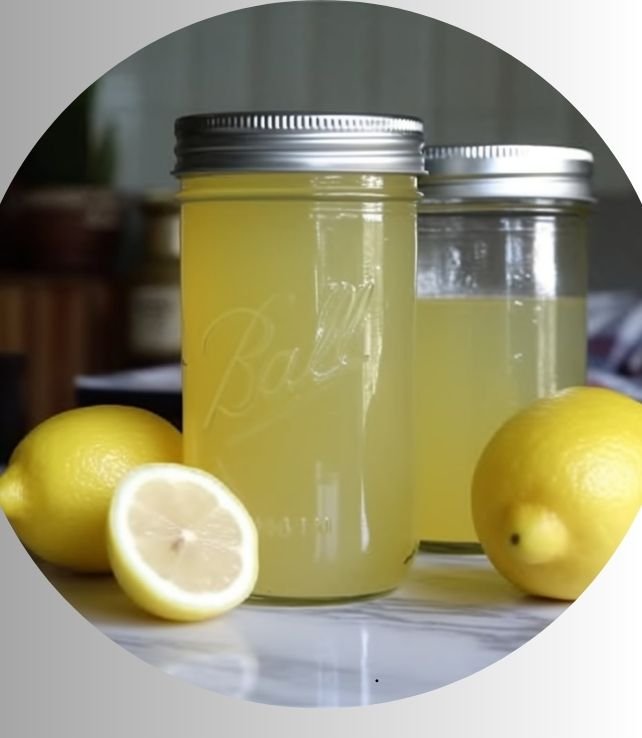
You know that moment in summer when the heat is so thick you can feel it, and all you want is a glass of lemonade? Not the overly sweet, syrupy kind from a bottle, but the real thing. The kind that tastes like sunshine and tartness and refreshment all at once. For years, I found myself squeezing lemons every other day, my hands sticky, seeds everywhere, never quite having it ready when the thirst hit hardest.
That frustration led me to develop this method. This is a recipe for a true lemonade concentrate, a base you can keep in your refrigerator or freezer that turns a desperate craving into a 30-second solution. It’s more than just lemon juice and sugar; it’s a preserved essence of citrus, balanced and bright, waiting to be transformed. Below, you’ll find the straightforward formula, followed by everything you could possibly need to know to master it, adapt it, and understand it from my perspective as a culinary historian and dietitian.
How to Make Lemonade Concentrate Recipe
This process is simple, but a few key steps ensure a concentrate that is stable, flavorful, and perfectly balanced. We’re creating a syrup that captures the lemon’s flavor at its peak.
Recipe Details
- Prep Time: 20 minutes
- Cook Time: 10 minutes
- Servings: Makes about 2 cups of concentrate, enough for 8-10 glasses of lemonade.
- Course: Beverage
- Cuisine: American
- Diet: Vegan, Gluten-Free
Ingredients
- 2 cups fresh lemon juice (from about 10-12 medium lemons)
- 2 cups granulated sugar
- 1 cup water
- Zest from 4 of the lemons (optional, but recommended for depth)
- 1/4 teaspoon salt (enhances flavor)
Instructions
- Wash the lemons thoroughly under warm water to remove any wax or residue. Dry them.
- Using a fine grater or microplane, carefully remove the zest from 4 lemons, avoiding the bitter white pith. Set the zest aside.
- Juice all the lemons until you have 2 full cups of juice. Strain the juice through a fine-mesh sieve to remove pulp and seeds.
- In a medium saucepan, combine the sugar, water, and the reserved lemon zest. Heat over medium, stirring frequently, until the sugar has completely dissolved. This creates a simple syrup infused with lemon oil.
- Once the sugar is dissolved and the syrup is clear, remove the pan from the heat. Let it cool for 5 minutes.
- Slowly pour the strained lemon juice and the salt into the warm syrup. Stir to combine thoroughly.
- Allow the mixture to cool completely to room temperature. As it cools, the flavors will meld.
- Once cool, strain the concentrate one more time through the fine-mesh sieve to remove the zest pieces, leaving you with a smooth, glossy liquid.
- Pour the finished concentrate into a clean glass jar or bottle. Seal and store.
Nutrition
- Calories: 90 kcal (per 2-tablespoon serving of concentrate)
- Protein: 0.1 g
- Fat: 0 g
- Carbohydrates: 24 g
- Sugar: 23 g
- Fiber: 0.1 g
- Sodium: 20 mg
- Cholesterol: 0 mg
Note: Nutrition is for the concentrate alone. A full glass of lemonade made with this (typically 1 part concentrate to 3 parts water) will have roughly a quarter of these values.
Cooking Method
The primary method here is the creation of a hot syrup, followed by the incorporation of the fresh juice off the heat. This technique, called a “cold mix” or “post-heat addition” in beverage formulation, is critical. It dissolves the sugar completely for a smooth texture and stabilizes the mixture, while the brief cooling period before adding the juice protects the volatile, bright flavors and vitamin C in the fresh lemon juice from being cooked out and degraded.
Tools Needed
- Citrus juicer (reamer or electric)
- Fine grater or microplane
- Fine-mesh sieve
- Medium saucepan
- Measuring cups
- Wooden spoon or silicone spatula
- Clean glass jar or bottle with lid (16-24 oz capacity)
Understanding Your Ingredients: A Deep Dive
Great recipes are built on understanding the components. Each ingredient here plays a specific role beyond mere flavor.
The Soul of It: Lemons
Not all lemons are created equal. The common Eureka and Lisbon varieties found in most supermarkets are reliable, with a classic tart profile. For a more complex, floral note, seek out Meyer lemons, which are a lemon-mandarin hybrid; they are less acidic and sweeter, requiring a slight adjustment in sugar.
The zest is where the lemon’s essential oils live. These oils contain limonene, a compound responsible for that intense, aromatic citrus scent. Including the zest in the syrup stage “steeps” these oils into the sugar base, giving your concentrate a perfume that plain juice cannot provide. When selecting lemons, choose ones that are heavy for their size with smooth, vibrant skin—they will be juicier.
The Sweet Balance: Sugar & Alternatives
Granulated white sugar is the standard for a reason. It dissolves cleanly, provides body, and offers a neutral sweetness that doesn’t compete with the lemon. However, its role is not just about taste. In this concentrate, sugar acts as a preservative by binding water molecules, making it difficult for microbial life to grow and extending the shelf life of your batch.
If you wish to substitute, know that each alternative brings a different character and functional change. Honey will add floral notes and a thicker texture, but can overwhelm the lemon. Pure maple syrup introduces a warm, almost caramelized background. Erythritol or allulose-based granular sweeteners can work for a sugar-free version, but they may crystallize upon storage and often require a touch of xanthan gum to mimic the mouthfeel sugar provides.
The Unsung Hero: Water & Salt
The water here is the solvent for our sugar syrup. Using filtered water ensures no off-flavors from chlorine or minerals interfere with the pure citrus taste. The salt, even in such a small quantity, is a powerful flavor catalyst. It doesn’t make the lemonade taste salty; instead, it reduces the perception of bitterness and amplifies the sweet and sour notes, creating a more rounded and satisfying flavor profile.
Nutritional Perspective on Homemade Lemonade
As a dietitian, I view this not as a “health drink,” but as a controlled, real-food alternative to commercial options. Understanding its composition allows you to integrate it intelligently into your diet.
The primary nutritional consideration is the sugar content. A glass of lemonade made from this concentrate is a source of simple carbohydrates for quick energy. The significant advantage you have here is complete knowledge and control. You know exactly how much sugar is in each serving, unlike with store-bought versions that may contain high-fructose corn syrup and artificial flavors.
Fresh lemon juice provides a modest amount of vitamin C (ascorbic acid) and potassium. While much of the vitamin C is retained due to our minimal-heat method, it’s important to note that a glass of lemonade is not a significant source compared to eating whole fruit. However, the citric acid can aid in mineral absorption from other foods in a meal. The lack of fat, protein, and fiber means this is a beverage to be enjoyed for pleasure and hydration, not as a nutritional cornerstone.
Cultural and Historical Roots of Preserved Citrus
The desire to capture the fleeting flavor of citrus is ancient. Before global shipping, lemons and other citrus fruits were seasonal treasures in temperate climates. Methods like preserving whole lemons in salt, as seen in North African cuisine, or creating cordials and “robbs” (medieval concentrated fruit syrups) were born of necessity.
Lemonade itself has a storied past, appearing in Egyptian texts as early as the 10th century and becoming a fashionable street drink in 17th century Paris. What we are making is a direct descendant of these preservation techniques—a “cordial” in the traditional sense. It’s a way to extend the summer lemon harvest, creating a pantry staple that defies seasonality. This concentrate connects you to a long lineage of cooks who used sugar and heat to bottle sunshine for a rainy, or sweltering, day.
Dietary Adaptations and Creative Variations
This recipe is a template. Its simplicity is its strength, allowing for easy modification to suit different needs and tastes.
For Sugar-Conscious Diets
To reduce sugar, you can cut the sugar in the recipe by one-third to one-half. Be aware that this will also reduce the concentrate’s shelf life and make the tartness more pronounced. You will need to dilute it with less water when serving. Using a monk fruit-erythritol blend that measures 1:1 like sugar can work, but follow the package directions for heating, as some behave differently.
Infusions and Flavor Bridges
The basic concentrate is a perfect canvas. Consider adding 3-4 sprigs of fresh rosemary or 5-6 sprigs of thyme to the syrup as it heats. Strain them out with the zest. A few slices of fresh ginger, a handful of muddled basil, or even a teaspoon of whole peppercorns can create a sophisticated, layered beverage. For a berry lemonade, add 1 cup of mashed raspberries or strawberries to the cooled concentrate before the final strain; the pectin in the berries will give the finished drink a lovely body.
Common Mistakes and How to Avoid Them
I’ve made these errors so you don’t have to. Paying attention to these details separates a good concentrate from a great one.
- Boiling the Lemon Juice: This is the cardinal sin. Heat destroys the fresh, bright top notes of lemon juice and can make it taste dull and cooked. Always add the juice to the syrup after it has been removed from the heat and cooled slightly.
- Skipping the Zest: The zest is non-negotiable for depth. It provides the aromatic complexity that makes this taste like real lemons, not just sour sugar water.
- Not Straining Thoroughly: Tiny bits of pulp or zest left in the concentrate will continue to release bitter compounds over time. A double strain ensures clarity and a clean, long-lasting flavor.
- Using Warm Concentrate: Pouring warm concentrate into a glass jar and sealing it immediately creates condensation, which can introduce water droplets and promote mold growth. Always cool to room temperature first.
- Ignoring the Salt: That 1/4 teaspoon is a game-changer for professional-level flavor balance. Do not omit it.
Serving, Storage, and Culinary Uses
To serve, combine 1 part concentrate with 3 to 4 parts cold water, sparkling water, or iced tea. Adjust to your preferred strength. For an adult variation, a splash over ice with vodka, gin, or tequila makes a superior cocktail base.
Storage is straightforward. In a sealed glass jar in the refrigerator, the concentrate will keep for 3-4 weeks due to its sugar content. For long-term storage, pour it into ice cube trays and freeze. Once solid, transfer the cubes to a freezer bag. They will keep for 6 months, allowing you to thaw exactly the amount you need.
Think beyond the glass. This concentrate is a versatile kitchen ingredient. Use it to make a glaze for chicken or fish, add a tablespoon to a vinaigrette, swirl it into yogurt, or drizzle it over a simple pound cake.
The Science of Preservation in Your Jar
Why does this concentrate last for weeks while fresh-squeezed juice spoils in days? It’s a combination of factors. The high sugar concentration creates a high osmotic pressure, literally drawing water out of any microbial cells that might land in it, preventing them from growing. The mild heat treatment of the syrup phase also reduces initial microbial load. The acidity (low pH) of the lemon juice creates an environment hostile to many bacteria. Together, sugar, acid, and a clean preparation process form a stable, preserved product.
Frequently Asked Questions
Can I use bottled lemon juice instead of fresh?
I do not recommend it. Bottled lemon juice is typically pasteurized and often contains preservatives that impart a flat, metallic, or overly bitter taste. The entire point of this recipe is to capture the vibrant, volatile oils and flavors of fresh lemons, which are lost in processing.
Why did my concentrate crystallize in the fridge?
This is usually caused by an imprecise sugar-to-liquid ratio or not dissolving the sugar completely. Ensure you are using exact measurements and stir the syrup until no sugar granules are visible on the spoon or the bottom of the pan before removing it from the heat.
How can I make this concentrate less sweet?
You can directly reduce the amount of sugar in the recipe. Start by using 1.5 cups of sugar instead of 2. The concentrate will be tarter and have a shorter refrigerator shelf life, so plan to use it within two weeks or freeze it.
Is it safe to can this recipe for shelf-stable storage?
This specific recipe is designed for refrigerator or freezer storage. To can it safely for a pantry shelf, the acidity and processing time must be calculated precisely to prevent the risk of botulism. For water bath canning, you would need to follow a tested recipe from a reliable source like the National Center for Home Food Preservation.
Can I double or triple this recipe?
Yes, you can scale it up proportionally. Use a larger pot to ensure the syrup heats evenly, and allow more time for the larger volume of concentrate to cool completely to room temperature before bottling.
My concentrate has a faint white layer on top. Is it mold?
Not necessarily. A thin, whitish film can sometimes be a harmless yeast called a “scum.” It can form if the concentrate wasn’t fully cooled before sealing or if utensils weren’t perfectly clean. It is safest to discard the batch. To prevent this, ensure everything is clean and the concentrate is cooled with no lid until it reaches room temperature.
What’s the best way to juice so many lemons quickly?
Roll each lemon firmly on the countertop with the palm of your hand before cutting. This breaks down the internal membranes and maximizes juice yield. A simple handheld reamer over a bowl is efficient. For large batches, a countertop electric juicer saves significant time and effort.
