
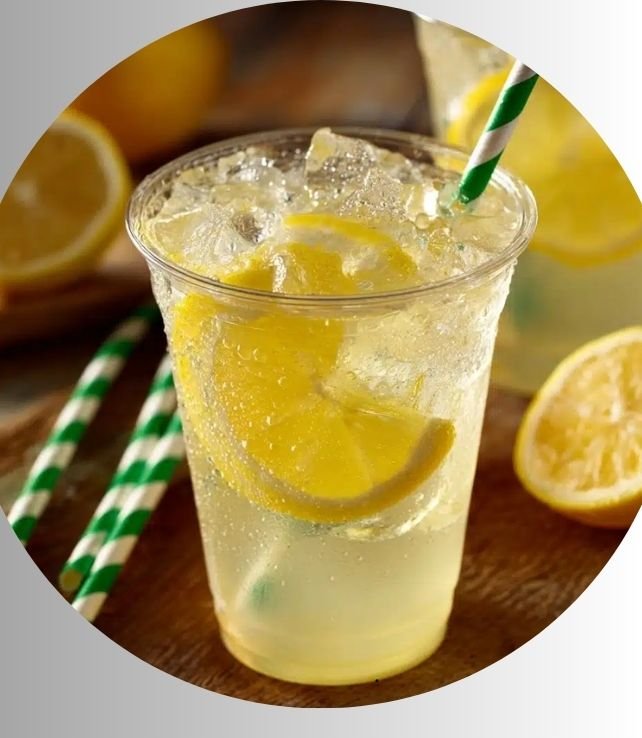
There is a moment in every summer when the simple combination of lemon, sugar, and water transcends its parts. It’s not just a drink; it’s a reset. I found myself at that precise moment last July, with a bag of lemons that felt heavier than their weight, a memory of my grandmother’s sunlit kitchen, and a desire for something that felt both honest and complete.
What I was after wasn’t just lemonade. It was a balanced, clear, and perfectly calibrated version—a Fair Lemonade. This term, to me, speaks to equity in flavor, where no single element overpowers, and to the straightforward fairness of using whole, recognizable ingredients. The recipe I’m sharing is the result of that pursuit, tested and refined to be your definitive guide.
Below, you will find the complete method for this classic beverage, followed by a deep exploration of its components, science, and variations. My goal is to provide you with not just instructions, but the understanding to make it uniquely yours, time and again.
How to Make Fair Lemonade Recipe
This process uses a simple syrup method, which ensures the sugar is fully dissolved and integrated, preventing a gritty texture at the bottom of your glass. It is the foundation for a consistently excellent result.
Recipe Details
- Prep Time: 15 minutes
- Cook Time: 5 minutes (for syrup)
- Servings: 6
- Course: Beverage
- Cuisine: American
- Diet: Vegan, Gluten-Free
Ingredients
- 1 cup (200g) granulated white sugar
- 1 cup (240ml) water (for syrup)
- 1 cup (240ml) freshly squeezed lemon juice (from about 6-8 medium lemons)
- 4 to 5 cups (950ml to 1.2L) cold water (to dilute)
- Ice, for serving
- Optional: Lemon slices and fresh mint for garnish
Instructions
- Make the Simple Syrup: In a small saucepan, combine 1 cup of sugar and 1 cup of water. Heat over medium heat, stirring occasionally, until the sugar has completely dissolved. This takes about 3-5 minutes; do not let it boil vigorously. Remove from heat and let it cool to room temperature.
- Juice the Lemons: While the syrup cools, roll your lemons firmly on the countertop with the palm of your hand to break down the internal membranes. Cut them in half and juice them using a citrus juicer or by hand. Strain the juice through a fine-mesh sieve to remove seeds and large pulp.
- Combine: In a large pitcher, combine the cooled simple syrup and the fresh lemon juice. Stir thoroughly.
- Dilute and Chill: Add 4 cups of cold water to the pitcher and stir. Taste. If you prefer a less concentrated drink, add the remaining 1 cup of water. Refrigerate for at least 1 hour to allow the flavors to meld.
- Serve: Fill glasses with ice, pour the lemonade over, and garnish with a lemon slice or mint sprig if desired.
Nutrition
- Calories: 130 kcal
- Protein: 0.2 g
- Fat: 0.1 g
- Carbohydrates: 34 g
- Sugar: 33 g
- Fiber: 0.1 g
- Sodium: 5 mg
- Cholesterol: 0 mg
Note: Nutritional information is an estimate per serving, assuming 6 servings and using all 5 cups of dilution water. Values will change with ingredient modifications.
Cooking Method
The primary cooking method here is the creation of a simple syrup, a fundamental technique in beverage making. By heating sugar and water together, you create a stable syrup that blends seamlessly with cold liquids without crystallization. The remainder of the preparation involves no heat, preserving the fresh, bright character of the lemon juice.
Tools Needed
- Small saucepan
- Citrus juicer (reamer or electric)
- Fine-mesh sieve
- Measuring cups and spoons
- Large pitcher (at least 2-quart capacity)
- Wooden spoon or spatula for stirring
Deconstructing the Elements: An Ingredient Analysis
Understanding each component is the first step toward mastery. A change in any one of these will fundamentally alter your final product.
The Soul of the Drink: Choosing Your Lemons
Not all lemons are created equal. The variety you choose dictates the acidity and aromatic profile of your lemonade.
Eureka vs. Meyer Lemons
Common Eureka or Lisbon lemons from the grocery store are your standard, high-acid fruit. They provide the classic, sharp tartness we associate with this drink. Meyer lemons, a cross between a lemon and a mandarin orange, are sweeter, less acidic, and have a complex floral aroma. For a traditional, bracing flavor, use Eureka lemons. For a more nuanced, fragrant version with less perceived sourness, Meyers are excellent, but you may need to adjust the sugar down slightly.
Juicing Technique for Maximum Yield
Before cutting, roll the lemon firmly on your counter. This pressure breaks the juice vesicles inside, making the fruit yield more liquid. For juicing, a simple handheld reamer is effective, but for larger batches, a countertop electric juicer saves time and effort. Always strain the juice to avoid bitter compounds from the seeds leaching in.
The Sweet Balance: A Guide to Sweeteners
White granulated sugar is the standard for a reason: it dissolves clearly and provides a neutral sweetness that lets the lemon flavor shine. However, it is not your only option.
Alternative Sweeteners and Their Effects
Honey or maple syrup will add distinct flavor notes alongside sweetness. They require gentle warming to integrate smoothly into the syrup water. Agave nectar dissolves easily but can make the drink noticeably sweeter with less volume. For a sugar-free version, erythritol-based monk fruit sweeteners or allulose can work, but they often require specific “1:1” substitute blends designed for simple syrups to avoid a cooling aftertaste or texture issues.
The Foundation: Water Quality Matters
Since this beverage is approximately 85% water, its quality is paramount. If your tap water has a strong chlorine or mineral taste, it will be present in your lemonade. Using filtered or bottled spring water can produce a cleaner, crisper final taste. The water used to dilute the concentrate should be very cold to minimize the need for excessive ice, which can water down the flavor.
The Nutritional Perspective
From my viewpoint as a dietitian, this recipe is a case study in mindful consumption. It is a whole-food alternative to commercial soft drinks, but its sugar content warrants understanding.
The primary nutritional consideration is the concentration of free sugars, which come from the added sugar and the natural sugars in the lemon juice. While the vitamin C and flavonoid content from fresh lemons provides antioxidant benefits, these do not offset the metabolic impact of the sugar. One serving, as formulated, contains about 33 grams of sugar, which is close to the American Heart Association’s recommended daily limit for added sugars for an adult.
This is not to label it as “unhealthy,” but to frame it appropriately: it is a sweetened beverage to be enjoyed in moderation as part of a balanced diet. The value lies in its simplicity—you control the ingredients and the sweetness level, which is a significant advantage over store-bought versions containing high-fructose corn syrup and preservatives.
Adapting for Dietary Needs
The base recipe is naturally vegan and gluten-free. Most adaptations focus on the sweetener and potential garnishes.
Vegan and Plant-Based
As written, the recipe is fully vegan. Ensure any alternative sweeteners like organic sugar or agave are processed according to vegan standards if this is a concern.
Reduced-Sugar and Keto Variations
To lower the carbohydrate and sugar content significantly, you can use a powdered erythritol and stevia blend. Create the syrup by blending the sweetener with 1 cup of hot water until fully dissolved, then cool. Note that volume equivalents can vary by brand, so start with 3/4 cup of a “1:1” substitute and adjust to taste after mixing with the lemon juice.
Low-Sodium and Specific Allergies
This preparation is inherently very low in sodium and free from top allergens like dairy, nuts, soy, and eggs. Always check labels on alternative sweeteners for processing facility warnings if allergies are severe.
A Sip of History: The Cultural Context of Lemonade
The story of lemonade is a journey across continents. Its earliest ancestors are believed to be a lemon juice and honey beverage consumed in medieval Egypt. The drink, known as *qatarmizat*, was made from preserved lemons and sweetened with date syrup.
The concept traveled to Europe, and by the 17th century, a carbonated version was popular in Paris. The still, non-carbonated version we commonly know in America has its roots in the 19th century, often sold by street vendors and at public gatherings. It became emblematic of summer, community, and simple refreshment. This “Fair Lemonade” aligns with that historical thread—a pure, unadulterated expression of the fruit, sweetened and shared.
Expert Techniques and Common Errors
After making this dozens of times, I have identified the key points where success is secured or lost.
Avoiding Bitterness
The white pith of the lemon is intensely bitter. When juicing, avoid pressing the lemon halves too hard after most of the juice is out, as this can force oils from the pith into your juice. Straining through a fine sieve is your best defense against stray pulp and pith particles.
The Syrup Temperature
Adding hot simple syrup directly to fresh lemon juice can “cook” the juice, dulling its bright, volatile flavors and potentially creating off-notes. Always allow the syrup to cool to at least room temperature before combining.
Tasting and Adjusting
The perfect balance is subjective. After combining the syrup, juice, and initial 4 cups of water, taste it. Is it too tart? You can dissolve an extra tablespoon of sugar in a small amount of warm water and mix it in. Too sweet? A small squeeze of additional fresh lemon juice will correct it. Remember, you can always add, but you cannot remove.
Ingredient Temperature
For the best flavor integration, all components should be cold before final mixing. Chill your water and lemon juice if possible. This allows you to serve it immediately without relying solely on ice to lower the temperature, which leads to rapid dilution.
Serving, Storage, and Pairing Ideas
Presentation and Garnish
Serve in a tall glass with plenty of ice. A fresh lemon wheel on the rim or a few sprigs of mint, basil, or even thyme add visual appeal and a subtle aromatic note. For a festive touch, consider freezing edible flowers or small berries into your ice cubes.
Optimal Storage
Store covered in the refrigerator for up to 5 days. The flavor may mellow slightly after day 3. Separation is natural; simply stir before serving. I do not recommend freezing the prepared lemonade, as it can disrupt the texture and flavor balance upon thawing.
Food Pairings
The high acidity of this drink makes it an excellent palate cleanser. It pairs wonderfully with rich, savory, or salty foods. Think of a classic summer picnic: it cuts through the fat of fried chicken, balances the saltiness of a cold pasta salad, and complements the char of grilled vegetables or burgers.
The Science of Sweet and Sour
The appeal of this drink lies in a basic biochemical interaction. Sourness is detected on our tongues primarily by taste receptors that respond to hydrogen ions (H+) from acids, like citric acid in lemons. Sweetness is detected by separate receptors for sugar molecules.
When combined in the right ratio, these two tastes don’t just coexist; they interact. The sugar doesn’t merely mask the sourness; it modulates the perception of it, creating a more complex and pleasant sensation than either taste alone. This balance, known as “harmonious contrast,” is the scientific goal of the recipe—finding the point where the drink is perceptibly both sweet and sour, without one overwhelming the other.
Frequently Asked Questions
Can I make this lemonade without cooking a simple syrup?
You can, but I do not recommend it. Simply stirring granulated sugar into cold water and lemon juice will likely result in undissolved sugar at the bottom of your pitcher. The simple syrup method guarantees a smooth, homogenous drink.
Why is my homemade lemonade cloudy?
Cloudiness usually comes from two sources: excessive pulp from not straining the lemon juice, or using hot syrup with the lemon juice which can cause proteins in the juice to coagulate slightly. Straining thoroughly and cooling your syrup will yield a clear, bright result.
How can I make a large batch for a party?
Scale the recipe linearly. For a crowd, I make a concentrated base: combine the cooled syrup and lemon juice in a 1:1 ratio. Label it as “concentrate.” To serve, provide a pitcher of the concentrate, a large dispenser of cold water, and ice, allowing guests to mix to their preferred strength.
What is the best way to get more juice from a lemon?
Three steps are key: roll the lemon firmly on the counter before cutting to break internal cells, bring it to room temperature if refrigerated, and use a lever-style or electric juicer which applies more efficient pressure than a simple reamer.
Can I use bottled lemon juice instead of fresh?
You can, but the flavor will be noticeably different. Bottled juice is often pasteurized and can have a flat, slightly metallic taste compared to the vibrant, complex acidity of freshly squeezed juice. For the best result, fresh lemons are essential.
How do I adjust this recipe for Meyer lemons?
Begin by reducing the sugar in your simple syrup to 3/4 cup. Meyer lemons are less acidic and more fragrant. Make the syrup, combine with the juice, and taste before adding any dilution water. You will likely find you need less sugar overall to achieve that “fair” balance.
Is it safe to leave lemonade out at room temperature?
Due to its sugar content and acidity, it is somewhat stable, but for food safety and best quality, do not leave it unrefrigerated for more than 2 hours. Always store it in the refrigerator.
What can I do with the leftover lemon peels?
Do not discard them. You can zest them before juicing and freeze the zest for baking. The spent peels can be simmered in a pot of water on the stove for a natural kitchen deodorizer, or dried and added to homemade cleaning vinegar.
