
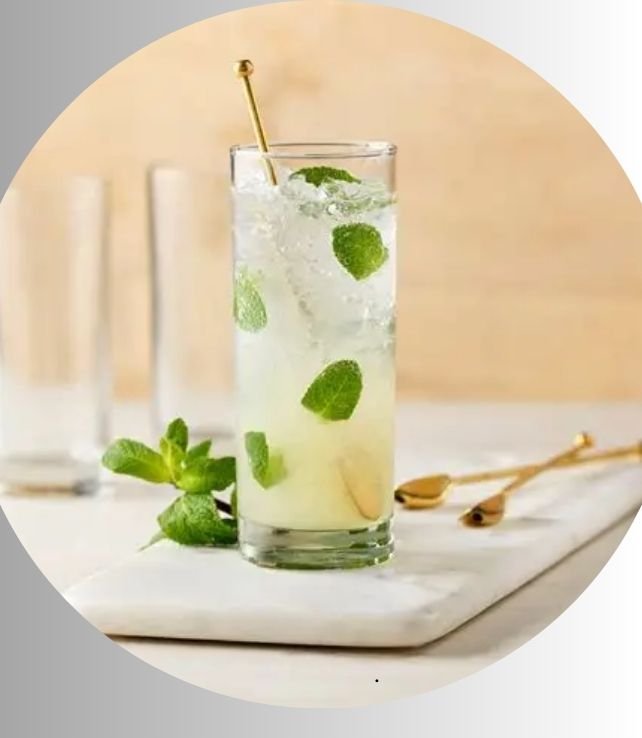
You can find a hundred lemonade recipes online, but many of them start with a question you might not have considered: what is the actual purpose of the lemon juice? Is it just sourness, or is it something more? I spent an afternoon in my kitchen with a bottle of Realemon and fresh lemons, testing side-by-side, to answer that for you.
The result is a recipe that balances convenience with craft. This formula uses Realemon lemon juice from concentrate as its reliable, consistent base, enhanced with the aromatic oils from fresh lemon zest. It creates a lemonade that is both practical for any day and surprisingly complex in flavor. You will find the complete recipe in the first section below, followed by a detailed analysis of why it works from every angle.
How to Make Realemon Lemonade Recipe
This is the core method. The steps are simple, but the technique of creating a sugar syrup (simple syrup) first is non-negotiable for a smooth, professional result where the sugar is fully dissolved.
Recipe Details
- Prep Time: 10 minutes
- Cook Time: 5 minutes
- Servings: 6 (about 1 cup each)
- Course: Beverage
- Cuisine: American
- Diet: Vegan, Gluten-Free
Ingredients
- 1 cup granulated sugar
- 1 cup water (for the syrup)
- 1 cup Realemon 100% Lemon Juice from Concentrate
- 4 to 5 cups cold water (to dilute)
- Zest of 1 large lemon (optional, but recommended)
- Ice, for serving
- Lemon slices and fresh mint, for garnish (optional)
Instructions
- In a small saucepan, combine one cup of sugar and one cup of water. Place over medium heat.
- Stir continuously until the sugar has completely dissolved and the liquid is clear. This creates a simple syrup. Do not allow it to boil for more than a moment.
- If using, add the lemon zest to the hot syrup immediately after removing it from the heat. Let this mixture steep for at least 10 minutes. This infuses the syrup with potent lemon oil.
- In a large pitcher, combine the Realemon juice and the simple syrup (straining out the zest if you prefer a clear lemonade).
- Add four cups of cold water and stir thoroughly. Taste and adjust by adding the fifth cup of water if you prefer a less tart drink.
- Refrigerate until thoroughly chilled, or serve immediately over glasses filled with ice. Garnish with lemon slices or mint.
Nutrition
- Calories: 129 kcal
- Protein: 0 g
- Fat: 0 g
- Carbohydrates: 34 g
- Sugar: 33 g
- Fiber: 0 g
- Sodium: 5 mg
- Cholesterol: 0 mg
Values are per serving and are estimates. Using the full 5 cups of water will slightly lower calorie and sugar content per serving.
Cooking Method
The primary cooking method here is the preparation of a simple syrup, which is a fundamental technique in beverage making. It involves dissolving sugar in an equal part of water over heat. This process ensures the sweetener is fully integrated into the liquid, preventing a gritty texture at the bottom of your glass that occurs when granulated sugar is stirred directly into cold juice.
Tools Needed
- Small saucepan
- Measuring cups
- Citrus zester or fine grater
- Large pitcher (at least 2-quart capacity)
- Long spoon for stirring
- Fine mesh strainer (optional, for removing zest)
Ingredient Analysis: Why Each Component Matters
A great recipe is built on understanding the role of each part. Here is why these specific ingredients were chosen and how they interact.
Realemon Juice from Concentrate: The Consistent Anchor
Realemon is a specific product: reconstituted lemon juice from concentrate with added preservatives (sodium bisulfite, sodium benzoate, and lemon oil) to maintain shelf stability and flavor. Its primary attribute is reliability. The acidity level is standardized, meaning one cup in December has the same tartness as one cup in July, unlike fresh lemons which can vary.
From a culinary history perspective, bottled lemon juice represents a 20th-century innovation in food preservation and convenience, allowing people to make citrus-based recipes year-round without access to fresh fruit. In this formula, it provides the unwavering sour backbone.
Fresh Lemon Zest: The Flavor Catalyst
This is the secret to elevating the drink. The zest, the outer yellow skin of the lemon, contains aromatic oils (limonene, citral) where the true lemon fragrance resides. Juice provides sourness; zest provides perfume. Steeping the zest in the hot simple syrup acts as a solvent, pulling these oils into the sweet base and distributing that aroma throughout the entire pitcher.
Granulated Sugar & The Simple Syrup Technique
White granulated sugar is used for its neutral sweetness. The simple syrup method is critical. When you heat sugar and water together, you break the sucrose molecules into simpler glucose and fructose, which stay suspended in the liquid. This prevents crystallization and ensures a smooth mouthfeel. The 1:1 sugar-to-water ratio creates a syrup that blends seamlessly with acidic juices without overpowering them.
Water: The Most Overlooked Ingredient
The quality of your water directly affects the final taste. If your tap water has a strong chlorine or mineral flavor, it will be present in your lemonade. Using filtered or bottled water for both the syrup and the final dilution can result in a cleaner, brighter tasting beverage. The variable amount (4-5 cups) allows you to calibrate the strength to your personal preference for tartness.
Nutritional Breakdown and Dietary Perspective
As a dietician, I view this not as a health food, but as a controlled alternative to commercial soft drinks. Understanding its composition allows for mindful consumption.
Macronutrient Profile
The nutritional content is primarily carbohydrates from sugar. There is no fat or protein to slow the absorption of these sugars, meaning the glucose will enter your bloodstream relatively quickly. This can be useful for a rapid energy lift, but it is something to be aware of, especially for individuals monitoring blood sugar levels.
The drink provides no fiber, vitamins, or minerals in significant amounts, though it does offer a small amount of vitamin C from the Realemon juice. It is fundamentally a source of hydration and energy (calories) in a palatable form.
Dietary Adaptations and Modifications
This base recipe is naturally vegan and gluten-free. Other adaptations are straightforward.
Low-Sugar and Sugar-Free Versions
To reduce sugar, you can prepare the simple syrup with a 1:1 ratio of a sugar substitute like erythritol or allulose that measures cup-for-cup like sugar. Stevia-based blends can also work, but you must follow the package’s conversion chart as they are far more potent. The “sugar” amount in the nutrition facts would change dramatically.
Enhanced Nutritional Versions
For added nutrients without drastically altering flavor, consider stirring a pinch of salt and a potassium-based salt substitute into the syrup. This creates a very basic electrolyte drink. Adding a quarter cup of fresh-squeezed orange juice or a handful of mashed berries can introduce some additional vitamins and phytonutrients.
The Cultural and Historical Context of Lemonade
Lemonade, in its simplest form of lemon juice, water, and a sweetener, has ancient roots in the Mediterranean and Middle East. The version we know in North America—a still, non-carbonated drink served cold—gained popularity in the 19th century. It became emblematic of summer, entrepreneurship (the lemonade stand), and simple refreshment.
The invention and mass production of bottled lemon juice like Realemon, starting in the 1930s, democratized the drink. It removed the labor of juicing dozens of lemons and provided a shelf-stable ingredient, cementing lemonade’s place as an everyday, accessible beverage in the American home pantry.
Common Mistakes and Expert Tips for Perfection
After testing many batches, I identified key pitfalls and the solutions that guarantee a better result.
Mistake 1: Adding Sugar Directly to Cold Liquid
Granulated sugar does not dissolve well in cold, acidic water. You will end up with a overly tart top layer and an overly sweet, gritty bottom. The simple syrup method is the universal fix for this.
Mistake 2: Using Boiling Water to Dissolve Sugar
While heat is needed, vigorously boiling the syrup can cause water to evaporate, subtly changing the sugar-to-water ratio and potentially leading to a thicker, sweeter syrup than intended. Aim for a gentle heat just until the last sugar crystal disappears.
Mistake 3: Skipping the Taste Test Before Serving
Acidity and sweetness perception are personal. Always stir the finished pitcher thoroughly (ingredients can settle) and taste it. This is your moment to adjust. Add a splash more water if it’s too strong, or a small amount of extra simple syrup if it’s too sour.
Pro Tip: The “Tea” Method for Maximum Flavor
For an even more pronounced fresh lemon character, use the hot simple syrup as an infusion liquid for the zest and a few thin slices of the fresh lemon itself. Let it steep, covered, for 30 minutes before straining and proceeding. This captures more of the essential oils.
Serving, Pairing, and Storage Guidance
How you serve and keep your lemonade impacts the experience as much as the recipe.
Optimal Serving Temperature and Presentation
This drink must be served very cold. Always chill the pitcher itself if time allows. Use ice made from filtered water to prevent dilution from tasting “off.” A simple garnish like a thin lemon wheel or a sprig of mint adds visual appeal and a subtle aromatic note as you drink.
Food Pairings
The high acidity of lemonade makes it an excellent palate cleanser. It pairs well with rich, salty, or fried foods. Consider serving it with:
- Grilled burgers or hot dogs
- Fried chicken or fish
- Potato chips or salty pretzels
- A simple green salad with a creamy dressing
The sweetness balances spice, so it also complements mildly spicy dishes like jerk chicken or buffalo wings.
Storage and Shelf Life
Store covered in the refrigerator. Because Realemon contains preservatives, this homemade lemonade will last longer than a version made with only fresh juice—up to 7-10 days. You may notice slight separation; simply stir it back together. It does not freeze well as a liquid (it will become slushy and separate), but you can freeze it into ice pop molds for a treat.
The Science of Sour, Sweet, and Cold
A few basic principles explain why this combination is so universally pleasing. Sourness, detected by taste buds on the sides of the tongue, is primarily from citric acid in the lemon juice. Sweetness, detected at the tip, counters and balances that sour signal.
Temperature plays a crucial role. Cold suppresses the perception of sweetness slightly and can enhance the refreshing, sharp quality of the acidity. This is why a lukewarm lemonade tastes cloyingly sweet, while a cold one tastes balanced and invigorating. The simple syrup ensures the sugar is in a molecular state that interacts with your taste receptors evenly, creating a consistent flavor profile from first sip to last.
Frequently Asked Questions
Can I use fresh lemon juice instead of Realemon?
Yes, but the recipe will change. You need about 5-6 medium lemons to yield 1 cup of juice. The flavor will be brighter but less consistent, and the lemonade will have a shorter refrigerator shelf life of 2-3 days.
My lemonade tastes too sweet. How can I fix it?
Dilute it with additional cold water or a splash of plain seltzer water. For future batches, reduce the sugar in the simple syrup to 3/4 cup for the same amount of water and juice.
Can I make a large batch for a party?
Absolutely. Simply multiply the ingredients evenly. Mix the syrup and juice in a large container, but add the dilution water gradually and taste as you go to ensure the balance is correct for the larger volume.
Is there a way to make this without cooking?
You can make a “cold simple syrup” by shaking sugar and room-temperature water vigorously in a sealed jar until dissolved, but this takes significant time and effort. Heating is the most efficient and reliable method.
Why did my lemonade turn bitter?
Bitterness likely came from the white pith (the white layer beneath the yellow zest). If you added lemon slices with the pith to the pitcher or over-zested into the pith, compounds called limonoids can leach out. Always zest only the bright yellow skin and avoid including the pith.
Can I use honey or maple syrup instead of sugar?
Yes, but they will impart their own distinct flavors. Use 3/4 cup of honey for every 1 cup of sugar, and warm it gently with the water to thin it for easier mixing. The lemonade will have a more floral or earthy note.
How can I make pink lemonade from this recipe?
Add a small amount of a deeply colored, tart fruit juice to the pitcher after mixing. Grenadine, cranberry juice, or a puree of strained raspberries or strawberries work well. Start with 1/4 cup, stir, and add more until you achieve the desired color and a hint of complementary fruit flavor.
