
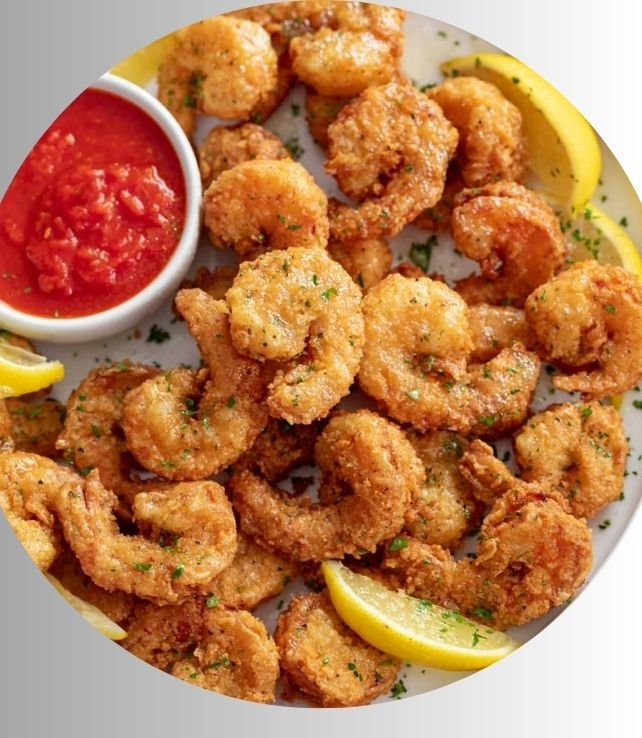
You have a bag of frozen shrimp and a few potatoes. The idea of a standard shrimp cocktail or baked potato feels uninspired. What if you could combine them into something greater than the sum of its parts, a dish that’s crisp, savory, and deeply satisfying? This is the question that led me to develop this shrimp fries recipe in my own kitchen.
I recall my grandfather, a fisherman, would often come home with a fresh catch. My grandmother’s solution was simple: fry it with whatever was on hand, often potatoes. That memory of simple, resourceful, and incredibly flavorful cooking is the spirit behind this dish. It’s not just fries with shrimp on top; it’s a complete integration where the shrimp’s briny essence seasons the potatoes, creating a unified bite.
This guide provides the complete method for making shrimp fries, from selecting the right potato to achieving the perfect crisp. Beyond the recipe, we will examine the nutritional profile, explore its cultural roots, and offer adaptations for various diets. My goal is to give you everything needed to master this dish, turning two humble ingredients into a standout meal.
How to Make Shrimp Fries Recipe
This method uses a two-stage cooking process for the potatoes to ensure a fluffy interior and a shatteringly crisp exterior. The shrimp are prepared separately with a seasoned coating, then combined at the final stage to marry their flavors without overcooking the seafood.
Recipe Details
- Prep Time: 25 minutes
- Cook Time: 35 minutes
- Servings: 4
- Course: Main Course, Appetizer
- Cuisine: Fusion, Coastal American
- Diet: Pescatarian
Ingredients
- 1.5 pounds (680g) russet potatoes, about 3 large
- 1 pound (450g) large raw shrimp, peeled and deveined
- 3 tablespoons cornstarch, divided
- 1 teaspoon garlic powder
- 1 teaspoon smoked paprika
- 1/2 teaspoon onion powder
- 1/4 teaspoon cayenne pepper (optional)
- 1 teaspoon kosher salt, plus more for seasoning
- 1/2 teaspoon freshly ground black pepper
- High-heat oil for frying (such as peanut, canola, or avocado oil)
- 2 tablespoons fresh parsley, chopped
- Lemon wedges, for serving
Instructions
- Prepare the potatoes by scrubbing them clean. Cut them into uniform sticks, about 1/2-inch thick. Place them in a large bowl of cold water for 15 minutes to remove excess starch.
- While the potatoes soak, pat the shrimp completely dry with paper towels. In a medium bowl, toss the shrimp with 1 tablespoon of cornstarch until lightly and evenly coated. Set aside.
- Drain the potatoes and dry them thoroughly with a clean kitchen towel. Moisture is the enemy of crisp fries.
- Heat 2 inches of oil in a heavy-bottomed Dutch oven or deep fryer to 325°F (163°C). Use a thermometer for accuracy.
- Carefully add the dried potato sticks in batches to avoid crowding. Fry for 5-6 minutes, until they are soft and pale but not browned. Remove with a slotted spoon and drain on a wire rack set over a baking sheet.
- Increase the oil temperature to 375°F (190°C).
- In a large bowl, combine the remaining 2 tablespoons of cornstarch, garlic powder, smoked paprika, onion powder, cayenne, salt, and black pepper.
- Toss the par-cooked, dry potatoes in the seasoned cornstarch mixture until lightly coated.
- Fry the coated potatoes in batches at 375°F for 3-4 minutes, or until deeply golden brown and crisp. Drain on the wire rack and season immediately with a pinch of salt.
- In the same hot oil, carefully add the coated shrimp. Fry for 2-3 minutes, until they are pink, curled, and crisp. Do not overcrowd. Drain on the rack with the fries.
- Combine the hot fries and shrimp in a large serving bowl. Toss gently to mix. Garnish with fresh parsley and serve immediately with lemon wedges.
Nutrition
- Calories: 420 kcal
- Protein: 28 g
- Fat: 18 g
- Carbohydrates: 38 g
- Sugar: 2 g
- Fiber: 3 g
- Sodium: 980 mg
- Cholesterol: 185 mg
Cooking Method
The primary cooking method for this dish is deep-frying. The double-fry technique for the potatoes is non-negotiable for optimal texture. The first fry at a lower temperature cooks the interior completely. The second fry at a high temperature creates the definitive crisp crust. The shrimp, due to their quick-cooking nature, require only a single, brief fry at the high temperature.
Tools Needed
- Heavy Dutch oven or deep fryer
- Deep-fry thermometer
- Wire rack and baking sheet (for draining, not paper towels)
- Sharp chef’s knife and cutting board
- Large bowls for coating and tossing
- Slotted spoon or spider strainer
- Kitchen towels (for drying)
Ingredient Analysis and Selection
Success in this recipe hinges on the quality and treatment of its two central components. Understanding their attributes allows for informed substitutions and better results.
The Potato: Choosing Your Base
Not all potatoes are created equal for frying. The goal is a high-starch, low-moisture interior that becomes fluffy, enclosed by a sturdy skin that crisps well.
Russet Potatoes
Russets, or Idaho potatoes, are the ideal choice. Their high starch content and mealy texture result in a light, airy interior after frying. Their thick skin also contributes to a robust crust. When selecting, look for firm, large potatoes with few eyes.
Yukon Gold Potatoes
This variety is a acceptable alternative. They have a medium starch content and a waxier texture, yielding a creamier interior and a slightly less fluffy fry. Their thinner skin can lead to a different, but still pleasant, bite.
Preparing Potatoes for Frying
The soaking step is crucial. It washes away surface amylose sugars, which can cause premature browning and a bitter taste. Soaking in cold water also firms up the potato’s pectin structure, helping the fries hold their shape during the intense heat of frying.
The Shrimp: Understanding Your Protein
Shrimp quality directly impacts flavor and texture. The terms on the bag are more than marketing; they are guides to what you are purchasing.
Size and Count
I recommend large shrimp, labeled 31/40 per pound. This size is substantial enough to hold up to frying without becoming tough and provides a good meat-to-coating ratio. Avoid smaller shrimp, as they can overcook in seconds.
Fresh vs. Frozen
Unless you live on the coast, high-quality frozen shrimp are often superior to “fresh” shrimp at the counter, which may have been previously frozen and thawed. Look for bags labeled “wild-caught” and “individually quick frozen” (IQF). Thaw them overnight in the refrigerator, never in warm water.
Peeled and Deveined
Purchasing shrimp already peeled and deveined saves significant time. The “vein” is the digestive tract, and its removal is recommended for both texture and presentation. If you must devein yourself, use a paring knife to make a shallow cut along the back and remove the dark line.
The Coating and Seasoning Science
The simple cornstarch blend serves multiple purposes. Cornstarch creates a thin, sheer, and incredibly crisp layer when fried, more so than wheat flour. It also lacks gluten, preventing a chewy coating.
The seasoning blend of smoked paprika and garlic powder is designed to complement, not overpower. Smoked paprika adds a depth that mimics the char of a grill, while garlic powder distributes flavor evenly. The cayenne provides a subtle warmth that builds, but it can be omitted.
Nutritional Breakdown and Dietary Perspective
As a dietician, I view this dish through a lens of balance and context. It is a source of complete protein, complex carbohydrates, and healthy fats when prepared mindfully.
Macronutrient Profile
The shrimp provide a lean, complete protein rich in selenium and iodine. The potatoes are a source of complex carbohydrates, potassium, and vitamin C, especially when the skin is left on. The frying oil, if chosen well, adds monounsaturated fats. Using an oil like avocado oil, which has a high smoke point, minimizes the creation of harmful compounds.
Managing Sodium and Cholesterol
The sodium content primarily comes from added salt and the natural sodium in shrimp. You can reduce this by using less salt in the seasoning blend and relying more on the lemon garnish for brightness. The dietary cholesterol in shrimp has a minimal impact on blood cholesterol for most people, as it is low in saturated fat. The focus should be on the overall saturated and trans fat content of the meal, which this recipe controls by using a clean frying oil.
Dietary Adaptations
This recipe is inherently gluten-free and pescatarian. For other needs, consider these swaps.
Vegan Adaptation
Replace the shrimp with a plant-based protein that holds its structure. Thick slices of king oyster mushroom or chunks of extra-firm, pressed tofu are excellent. Marinate them in a mixture of seaweed flakes, soy sauce, and a touch of maple syrup for 30 minutes to impart a savory, oceanic flavor before coating and frying.
Lower-Carb Adaptation
Substitute the potato sticks with sticks of rutabaga, kohlrabi, or daikon radish. These vegetables have a similar texture when double-fried but contain significantly fewer digestible carbohydrates. Their cooking time may need slight adjustment.
Air Fryer Method for Lighter Cooking
For a significant reduction in added fat, an air fryer can be used. Toss the par-boiled potato sticks and coated shrimp separately with 1-2 teaspoons of oil. Cook in a single layer at 400°F, shaking halfway through. The potatoes will take 15-20 minutes, the shrimp 6-8. The texture will be different—less shatteringly crisp and more evenly firm—but still enjoyable.
Cultural and Historical Context
While “shrimp fries” as a named dish is a modern fusion creation, its components are rooted in global, working-class culinary traditions. The practice of frying seafood and potatoes together is a logical convergence in coastal communities worldwide.
In many European port cities, “fish and chips” is the iconic pairing. In Southeast Asia, one finds similar concepts with sweet potato or taro fries served with salt-and-pepper squid or shrimp. The Cajun “fry baskets” of the American South, often containing catfish, shrimp, and potatoes, are a direct relative. This recipe sits within that lineage—a practical, flavorful way to enjoy the bounty of the sea and the sustenance of the land in one plate.
My grandfather’s method was less about precise technique and more about resourcefulness. This recipe formalizes that instinct, applying specific cooking science to achieve a reliable, restaurant-quality result at home.
Common Mistakes and Expert Tips
After testing this method numerous times, I have identified the key pitfalls and how to avoid them.
Frying Temperature Errors
The most common error is incorrect oil temperature. If the oil is too cool, the food will absorb it and become greasy. If it is too hot, the exterior will burn before the interior cooks. A deep-fry thermometer is your most important tool. Allow the temperature to recover between batches.
Improper Drying
Water causes violent oil splatter and prevents crisping. Ensure the soaked potatoes and the washed shrimp are patted completely dry with towels before any coating is applied. This step cannot be rushed.
Crowding the Pot
Adding too much food at once causes the oil temperature to plummet. Fry in modest batches to maintain a steady, high heat. This ensures quick sealing and crisp results.
The Draining Mistake
Never drain fried food on paper towels. The steam gets trapped, creating a soggy underside. Always use a wire rack set over a pan, which allows air to circulate on all sides, preserving crispness.
Serving, Pairing, and Storage Guidance
This dish is best served immediately. However, with proper technique, you can manage timing for a group or handle leftovers.
Serving Suggestions
Serve the combined shrimp and fries family-style in a large bowl or on a platter lined with parchment. The classic accompaniment is lemon wedges, which cut through the richness. For dipping sauces, consider a creamy remoulade, a spicy sriracha mayo, or a simple garlic aioli. A light, crisp salad with a vinaigrette balances the meal perfectly.
Storage and Reheating
Leftovers are rare, but if you have them, store the shrimp and fries separately in airtight containers in the refrigerator for up to one day. To reheat, avoid the microwave, which will make them soft. Use an air fryer or conventional oven preheated to 400°F. Spread the items in a single layer and heat for 3-5 minutes, until hot and re-crisped.
Wine and Beverage Pairing
The savory, briny flavors pair well with high-acid, crisp white wines like Albariño, Sauvignon Blanc, or a dry Riesling. A light lager or pilsner beer is also an excellent choice, as the carbonation cleanses the palate.
Frequently Asked Questions
Can I bake the shrimp fries instead of frying?
Yes, but the texture will differ significantly. For a baked version, toss the par-boiled potatoes and coated shrimp in 2 tablespoons of oil, spread on parchment-lined sheets, and bake at 425°F. Flip once during cooking. They will be more roasted than crisp.
What is the best oil for deep frying this recipe?
Oils with a high smoke point and neutral flavor are best. Peanut oil, canola oil, and avocado oil are my top recommendations. They can withstand the 375°F heat without breaking down or imparting an off-taste.
How do I know when the shrimp are cooked through?
The shrimp are done when they turn opaque pink and their shape transforms from a “C” to a tight “O”. They cook very quickly, usually in 2-3 minutes. Overcooked shrimp become rubbery and tough.
Can I use pre-cooked shrimp?
I do not recommend it. Pre-cooked shrimp will become very tough and dry when subjected to the high heat of frying a second time. Always start with raw shrimp for this method.
Why do I have to soak the potatoes?
Soaking removes excess surface starch. This prevents the fries from sticking together and promotes maximum crispness. It also helps achieve a lighter color and better texture by washing away sugars that cause premature browning.
Is this recipe suitable for a gluten-free diet?
Yes, this recipe is naturally gluten-free as it uses cornstarch as the coating agent. Always check labels on your spices to ensure they are processed in a gluten-free facility if you have celiac disease or a severe sensitivity.
My fries are not crispy. What went wrong?
The most likely causes are insufficient drying before frying, oil temperature that was too low, or overcrowding the pot. Ensure each piece is dry, monitor your thermometer closely, and fry in small, manageable batches.
Can I prepare any components ahead of time?
You can peel and cut the potatoes, submerge them in water, and refrigerate them for up to 24 hours. You can also peel and devein the shrimp the night before, storing them covered on a paper towel in the fridge. The final coating and frying should be done just before serving.
