
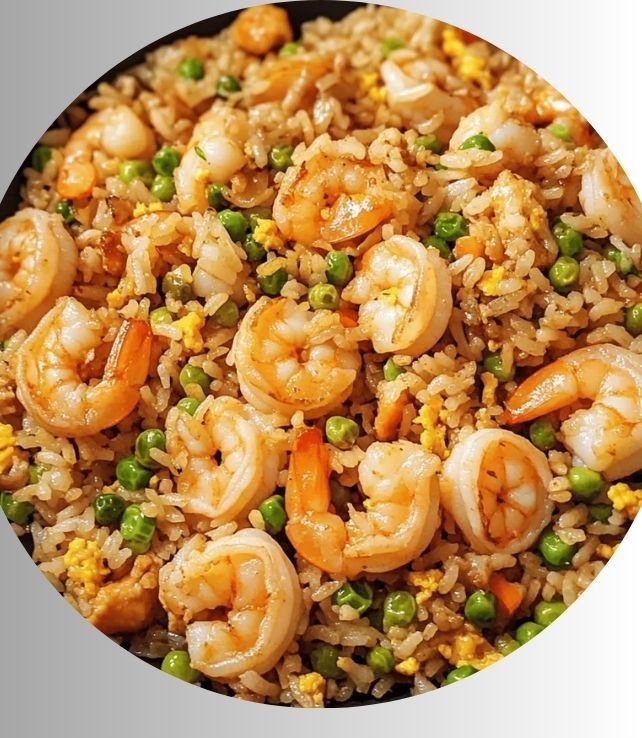
You have leftover rice in the refrigerator and a handful of shrimp in the freezer. The goal is a fast, satisfying meal, but the result is often a soggy, bland disappointment. The rice clumps, the shrimp turns rubbery, and the flavor never comes together. I understand this problem well.
After years of studying food science and countless trips to Asia, I learned that authentic shrimp fried rice is not about complexity, but about mastering a few non-negotiable techniques. It is a lesson in texture, heat, and balance. This recipe is the culmination of that learning, a method that reliably transforms simple ingredients into a complete, restaurant-quality dish at home.
Below, you will find the complete, tested recipe first, followed by a deep analysis of the ingredients, the science behind the method, and solutions for every possible variation or question. This is not just a list of steps; it is a comprehensive guide to understanding the dish itself.
How to Make Shrimp Fried Rice Recipe Authentic
This method prioritizes technique over a long ingredient list. The key is preparation: having everything measured, chopped, and within arm’s reach before you turn on the stove. Once cooking begins, it is a fast, active process.
Recipe Details
- Prep Time: 20 minutes
- Cook Time: 10 minutes
- Servings: 4
- Course: Main Course
- Cuisine: Chinese
- Diet: Can be adapted
Ingredients
- 450 grams (1 lb) medium shrimp, peeled and deveined
- 4 cups cold, cooked long-grain white rice (preferably day-old)
- 3 tablespoons neutral oil (like peanut or canola), divided
- 3 large eggs, lightly beaten
- 1 cup diced yellow onion
- 3/4 cup frozen peas and carrots, thawed
- 3 cloves garlic, minced
- 1 teaspoon minced fresh ginger
- 3-4 green onions, thinly sliced, whites and greens separated
- 3 tablespoons soy sauce (use tamari for gluten-free)
- 1 tablespoon oyster sauce (optional, for depth)
- 1 teaspoon toasted sesame oil
- 1/2 teaspoon white pepper
- Salt, to taste
Instructions
- Pat the shrimp completely dry with paper towels. Season lightly with a pinch of salt and white pepper.
- Heat a large wok or wide, heavy-bottomed skillet over high heat until very hot. Add 1 tablespoon of neutral oil and swirl to coat.
- Add the shrimp in a single layer. Cook for 60-90 seconds per side, just until opaque and pink. Remove immediately to a clean plate.
- Reduce heat to medium-high. Add another tablespoon of oil to the wok. Pour in the beaten eggs. Let them set for 10 seconds, then scramble gently until just set but still soft. Remove to the plate with the shrimp.
- Increase heat back to high. Add the final tablespoon of oil. Add the diced onion and cook for 1 minute until slightly translucent. Add the peas and carrots, the white parts of the green onions, garlic, and ginger. Stir-fry for 30 seconds until fragrant.
- Add the cold rice to the wok. Use your spatula to break up any clumps, pressing the rice against the hot surface of the wok. Stir-fry for 2-3 minutes until the rice is heated through and grains are separate.
- Return the cooked shrimp and eggs to the wok. Add the soy sauce, oyster sauce (if using), and sesame oil. Toss everything together vigorously for 1-2 minutes, ensuring the sauces are evenly distributed.
- Taste and adjust seasoning. Stir in the green parts of the green onions. Serve immediately.
Nutrition
- Calories: 425 kcal
- Protein: 28 g
- Fat: 16 g
- Carbohydrates: 42 g
- Sugar: 3 g
- Fiber: 2 g
- Sodium: 1150 mg
- Cholesterol: 285 mg
Cooking Method
The primary cooking method is high-heat stir-frying. This technique, central to many Asian cuisines, uses intense, direct heat to cook food quickly. It seals in the moisture of proteins like shrimp, creates a slight char (wok hei) on the rice, and preserves the crisp texture of vegetables. The constant tossing motion ensures even cooking without steaming the ingredients.
Tools Needed
- A 14-inch carbon steel wok is ideal, but a large cast-iron or heavy stainless-steel skillet works.
- A sturdy, wide spatula for tossing.
- Bowls for pre-measured ingredients (mise en place).
- A good sharp knife and cutting board.
The Foundation: A Deep Ingredient Analysis
Each component in this dish has a specific functional and flavor role. Substitutions can work, but understanding the original intent helps you make informed choices.
The Rice: Texture is Paramount
Long-grain white rice, like Jasmine or Basmati, is preferred for its low amylopectin content. This starch structure results in drier, firmer grains that stay separate when fried. Day-old, refrigerated rice has lost moisture, further preventing clumping. Freshly cooked rice is too moist and will become gummy. If you must use fresh rice, spread it on a baking sheet to cool and dry for an hour.
The Protein: Selecting and Preparing Shrimp
Medium shrimp (41/50 count per pound) offer a good balance of texture and ease of cooking. I recommend frozen, raw shrimp that you thaw yourself; they are often fresher than “fresh” shrimp at the counter, which may have been previously frozen. The critical step is drying them thoroughly. Any surface moisture will steam the shrimp instead of searing it, leading to a rubbery texture. A quick marinade in a dash of rice wine or sherry can add another layer of flavor.
Aromatics and Vegetables: Building the Flavor Base
Yellow onion provides a sweet foundation. Garlic and ginger, added later to prevent burning, deliver the essential pungent and warm notes. Frozen peas and carrots are a practical choice; they are pre-cut, quick-cooking, and add color and sweetness. The green onion is used in two stages: the white parts for cooking, the green parts for a fresh finish.
Sauces and Seasonings: The Flavor Amplifiers
Soy sauce provides saltiness and umami. Oyster sauce, while optional, contributes a complex, savory-sweet depth and helps coat the rice with a slight glaze. Toasted sesame oil is a finishing oil; its nutty aroma is volatile and dissipates with long cooking, so it is always added last. White pepper has a sharper, more direct heat than black pepper and is traditional in many Chinese fried rice preparations.
Nutritional Profile and Dietary Considerations
As a balanced meal, this dish provides carbohydrates from rice, high-quality protein from shrimp and eggs, and fats from the cooking oil and egg yolks. The vegetables contribute fiber, vitamins A and C, and phytonutrients.
Breaking Down the Macronutrients
A single serving offers approximately 28 grams of protein, which supports muscle maintenance and satiety. The fat content, primarily from unsaturated oils, aids in the absorption of fat-soluble vitamins. The carbohydrates are primarily from the rice, providing energy. The sodium level is notable, coming mainly from the soy sauce. Using a reduced-sodium soy sauce or adjusting the quantity to taste can manage this.
Practical Dietary Adaptations
For a gluten-free version, replace standard soy sauce with tamari or a certified gluten-free soy sauce. Ensure the oyster sauce is omitted or replaced with a gluten-free mushroom stir-fry sauce.
For a vegetarian or vegan adaptation, omit the shrimp and eggs. Increase the volume of vegetables, such as adding diced bell peppers, mushrooms, and baby corn. Use cubed firm tofu, pressed and pan-fried until golden, as the protein. Substitute the oyster sauce with a vegetarian stir-fry sauce or more soy sauce and a pinch of sugar. The flavor profile will shift but can remain deeply savory.
To lower cholesterol, you can reduce the number of egg yolks by using two whole eggs and two egg whites. The shrimp contributes most of the dietary cholesterol in this recipe.
Cultural Context and the Concept of “Authentic”
Fried rice exists across Asia, with countless regional variations. The version presented here aligns with common Cantonese-style preparations found in many Western Chinese restaurants. Its authenticity lies not in a rigid list of ingredients, but in its philosophy: it is a dish of economy and efficiency, designed to transform leftovers into something new and delicious.
In many households, it is a weekly ritual, a way to use Sunday’s leftover rice with whatever protein and vegetables are available. The “authentic” home cook’s goal is a dry, fragrant, and well-seasoned result where every grain of rice is distinct. The inclusion of shrimp elevates it from a simple leftover dish to a special, protein-focused meal.
The Science of High-Heat Cooking and Common Mistakes
Understanding the physical reactions during cooking prevents errors and guarantees a better outcome.
Why the Wok Must Be Smoking Hot
The Maillard reaction—the chemical process that creates browning and complex flavors—occurs rapidly at temperatures above 300°F (150°C). Adding food to a sufficiently hot wok causes immediate searing, locking in juices and creating flavor. If the wok is not hot enough, food will stew in its own juices. Preheat your wok for a full 2-3 minutes over high heat before adding oil.
Sequencing: The Order of Operations
Each ingredient has a different cooking time. Shrimp cooks fastest, so it is removed to avoid overcooking. Eggs are cooked next, kept soft. Hardy vegetables like onions go before aromatics like garlic. Finally, the cold rice is added to soak up the flavors and reheat. Adding everything at once is a primary cause of mushy fried rice.
Managing Moisture and Avoiding Sogginess
The enemy of good fried rice is excess moisture. This comes from wet shrimp, freshly cooked rice, overcrowding the pan (which lowers the temperature and steams food), and adding liquid sauces too early. Ensure every ingredient is as dry as possible, cook in batches if necessary, and add sauces only at the final toss.
Serving, Storage, and Making It Your Own
This dish is best served immediately, directly from the wok. It is a complete meal on its own, but it can be paired with a simple soup, like a hot and sour soup or a clear broth with greens, and a side of pickled vegetables to cut the richness.
Leftovers can be stored in an airtight container in the refrigerator for up to 2 days. Reheat in a wok or skillet over medium-high heat with a tiny splash of water to refresh the rice. Microwave reheating will soften the texture.
Do not feel constrained. This recipe is a template. Try it with diced char siu (Chinese BBQ pork), leftover roast chicken, or spam. Swap the peas and carrots for chopped bok choy or bean sprouts. A spoonful of chili crisp or sambal oelek served on the side can add a welcome layer of heat.
Frequently Asked Questions
Can I use brown rice instead of white rice?
Yes, but the result will be different. Brown rice has a chewier texture and a nuttier flavor. It also contains more moisture and fiber, which can make it harder to achieve the same dry, separate grains. Using day-old brown rice is even more critical. You may need to stir-fry it for a slightly longer time to heat it through properly.
What is the best way to thaw frozen shrimp for this recipe?
The safest method is to place the frozen shrimp in a sealed plastic bag and submerge it in cold water for 30-45 minutes. For a slower method, transfer them from the freezer to the refrigerator the night before. Avoid thawing at room temperature or in warm water, as this can encourage bacterial growth and affect texture.
My fried rice always sticks to the pan. What am I doing wrong?
Sticking is usually caused by insufficient heat or not enough oil. Ensure your wok or skillet is fully preheated before adding the oil, then swirl the oil to coat the surface completely. A well-seasoned carbon steel or cast iron wok also provides a natural non-stick surface. Do not stir the rice constantly; let it sit against the hot surface for 15-20 seconds at a time to develop a slight sear, which will release it.
Is oyster sauce necessary?
No, it is not strictly necessary, but it is highly recommended for depth of flavor. Oyster sauce adds a savory, slightly sweet, and complex umami quality that soy sauce alone does not provide. If you omit it, you may want to add a small pinch of sugar to balance the saltiness of the soy.
Can I make this dish ahead of time?
You can prepare all ingredients (chop vegetables, mix sauces, thaw shrimp) several hours ahead. However, the actual stir-frying should be done just before serving. The texture and warmth of freshly cooked fried rice are major components of its appeal.
How can I reduce the sodium in this recipe?
Use a reduced-sodium soy sauce. You can also dilute regular soy sauce with a small amount of water. Taste as you go and rely more on the natural flavors of the garlic, ginger, and white pepper. Remember, you can always add more seasoning at the table, but you cannot remove it.
What type of oil is truly best for stir-frying?
Oils with a high smoke point are essential. Peanut oil is traditional and adds a faint nutty flavor. Avocado oil, canola oil, and refined safflower oil are also excellent neutral choices. Avoid extra virgin olive oil or butter, as they will burn at the required high temperatures.
What does “wok hei” mean and can I achieve it at home?
“Wok hei” translates to “breath of the wok.” It is that distinctive, slightly smoky, charred aroma from rapid cooking over extreme heat, often enhanced by a flame that licks up the sides of the wok. While professional burners are more powerful, you can approximate it by ensuring your home burner is on its highest setting, preheating your wok thoroughly, and not overcrowding the pan, which allows for better caramelization.
