
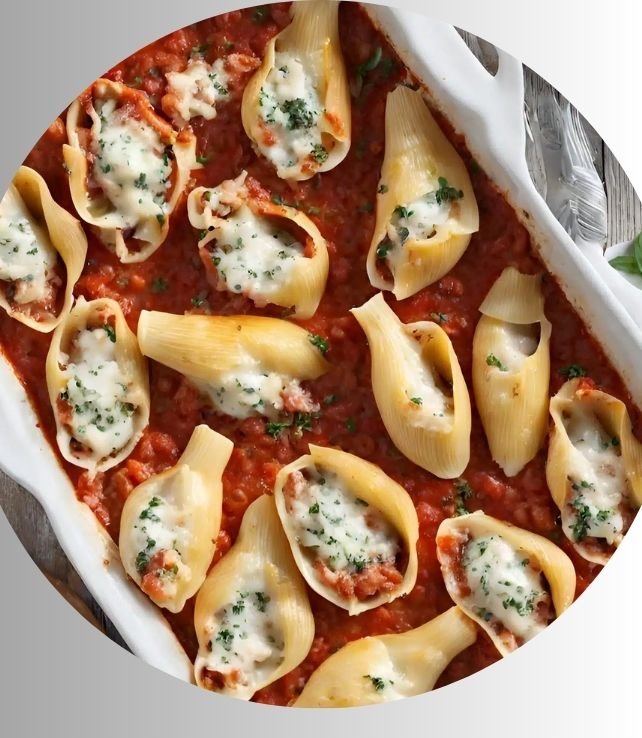
You have a box of large pasta shells in your pantry, and you want to make something more substantial than a simple weeknight pasta. I understand. For years, I viewed jumbo shells as a project, something reserved for holidays. That changed when I started considering them not just as pasta, but as edible vessels, a blank canvas for countless fillings.
This specific method for San Giorgio stuffed shells creates a balanced, satisfying meal that works for a family dinner or for entertaining. The recipe I’m sharing is the result of testing ratios of cheese to herb, sauce thickness, and baking time to achieve a specific result: a tender shell that holds its shape, a filling that is creamy but not wet, and a baked top with appealing texture. I will guide you through each decision point, from selecting your ingredients to storing the leftovers.
Understanding the Components of Stuffed Shells
Successful stuffed shells rely on the harmony of three distinct elements: the pasta vessel, the internal filling, and the external sauce. Each must be prepared with the others in mind. The shell must be cooked enough to be pliable for stuffing but retain enough structure to not tear. The filling must be flavorful and cohesive, not so loose it seeps out or so dense it becomes dry. The sauce must complement without overwhelming, providing moisture and flavor that integrates during baking.
When these components are in balance, the dish is greater than the sum of its parts. As a dietitian, I also look at this structure as an opportunity: each layer is a chance to incorporate nutrients, from whole grains in the pasta to lean protein in the filling and vegetables in the sauce.
The Pasta: More Than Just a Shell
San Giorgio is a common brand of jumbo pasta shells, typically sold in a 12-ounce box. The specific shape, “conchiglioni rigati,” is designed for stuffing. The ridges (“rigati”) help sauce adhere, and the large, curved shape provides ample space for filling.
When boiling shells for stuffing, salt the water generously—it’s your primary chance to season the pasta itself. Use a large pot with plenty of water to prevent sticking. The key is to cook them to “al dente,” or even a minute less, as they will continue to cook in the oven. After draining, I lay them out in a single layer on oiled baking sheets or parchment paper. This prevents them from sticking together into a frustrating, torn mass while you work on the filling.
Building a Flavorful and Functional Filling
The classic filling is a cheese mixture, but its composition determines the final texture. A blend of ricotta, mozzarella, and Parmesan is standard. Whole-milk ricotta provides a rich, creamy base, but part-skim can be used. To prevent a grainy or watery filling, place the ricotta in a fine-mesh strainer or cheesecloth for 15-30 minutes to drain excess liquid.
Binding agents are crucial. An egg helps coagulate the cheeses during baking, creating a firm, sliceable texture. Fresh herbs like parsley or basil add brightness that dried herbs cannot match. For depth, I often include a small amount of finely chopped spinach that has been thoroughly wrung dry, or a sprinkle of nutmeg, a traditional partner to creamy dairy in Italian cooking.
The Role of Sauce and Toppings
The sauce acts as both a cooking medium and a flavor layer. A simple, high-quality marinara or a seasoned tomato sauce works well. You do not need a thick, slow-cooked ragù; the baking process will concentrate the sauce’s flavors. A thin layer on the bottom of the baking dish prevents direct contact and sticking.
The final topping of shredded mozzarella and Parmesan serves a scientific purpose. As it melts and browns, it forms a protective crust that seals in moisture for the shells below. This layer also provides the desirable contrast in texture between the soft interior and the slightly cheesy, baked top.
How to Make San Giorgio Stuffed Shells Recipe
This is the core procedure. Follow these steps, but refer to the detailed sections below for the reasoning behind each choice and for solutions to common issues.
Recipe Details
- Prep Time: 40 minutes
- Cook Time: 45 minutes
- Servings: 6
- Course: Main Course
- Cuisine: Italian-American
- Diet: Vegetarian
Ingredients
- 1 (12 oz) box San Giorgio jumbo pasta shells
- 1 tablespoon olive oil
- 32 ounces whole milk ricotta cheese
- 2 cups shredded low-moisture mozzarella cheese, divided
- 1 cup grated Parmesan cheese, divided
- 1 large egg
- 1/4 cup fresh Italian parsley, finely chopped
- 1 teaspoon dried oregano
- 1/2 teaspoon garlic powder
- 1/2 teaspoon kosher salt
- 1/4 teaspoon black pepper
- 1 (24 oz) jar of marinara sauce, or 3 cups homemade
Instructions
- Bring a large pot of generously salted water to a boil. Cook the pasta shells according to package directions for al dente, typically 9-11 minutes. Drain carefully and toss gently with the olive oil to prevent sticking. Lay them out in a single layer on parchment paper.
- While the pasta cooks, preheat your oven to 375°F (190°C). In a large mixing bowl, combine the ricotta, 1 cup of the mozzarella, 1/2 cup of the Parmesan, egg, parsley, oregano, garlic powder, salt, and pepper. Mix until fully incorporated.
- Spread about 1 cup of the marinara sauce evenly over the bottom of a 9×13 inch baking dish.
- Using a spoon or a piping bag, fill each cooked shell with the cheese mixture. Place each stuffed shell seam-side up in the prepared baking dish, arranging them snugly in a single layer.
- Pour the remaining sauce over the top of the arranged shells, spreading it gently. Sprinkle the remaining 1 cup of mozzarella and 1/2 cup of Parmesan cheese evenly over the top.
- Cover the dish tightly with aluminum foil. Bake for 25 minutes. Remove the foil and continue baking for another 15-20 minutes, or until the cheese on top is melted and lightly browned, and the sauce is bubbling around the edges.
- Remove from the oven and let the dish rest for 10 minutes before serving. This allows the filling to set slightly, making serving easier.
Nutrition
- Calories: 580 kcal
- Protein: 35 g
- Fat: 28 g
- Carbohydrates: 45 g
- Sugar: 6 g
- Fiber: 3 g
- Sodium: 980 mg
- Cholesterol: 115 mg
Cooking Method
This dish employs a combination of boiling and baking. The pasta is par-cooked via boiling, then the assembled dish is finished in the oven using a two-stage baking method: covered to heat through and steam gently, then uncovered to brown and crisp the top layer.
Tools Needed
- Large pot for boiling pasta
- Colander
- Large mixing bowl
- 9×13 inch baking dish
- Measuring cups and spoons
- Mixing spoon or spatula
- Aluminum foil
Nutritional Analysis and Dietary Considerations
From a nutritional perspective, this dish provides a complete meal: carbohydrates from the pasta, protein and fat from the cheeses, and micronutrients from herbs and tomato sauce. The ricotta and mozzarella offer calcium and protein, while the tomato sauce contributes lycopene, an antioxidant.
The portion size is important. One serving, as outlined, is substantial. Pairing it with a side salad of leafy greens adds fiber and volume, which can increase satiety and provide a wider range of vitamins without significantly increasing the calorie density of the meal.
Making Dietary Adaptations
This recipe is adaptable to many dietary needs with careful substitution.
Gluten-Free Adaptation
Use a certified gluten-free jumbo shell pasta. Brands like Jovial or Barilla offer good options. Be vigilant when boiling, as gluten-free pasta can have a different texture and may become mushy if overcooked. Follow the package instructions precisely.
Dairy-Free or Vegan Adaptation
Replace the ricotta with a firm, plain tofu that has been crumbled and blended with a tablespoon of nutritional yeast and a pinch of salt for a similar texture. Use plant-based shredded “cheese” alternatives for the mozzarella and Parmesan. Ensure the egg is omitted or replaced with a “flax egg” (1 tbsp ground flaxseed mixed with 2.5 tbsp water, left to thicken for 5 minutes).
Lower-Fat Version
Swap whole-milk ricotta for part-skim or fat-free ricotta. Use part-skim mozzarella. The texture will be slightly less creamy, and the top may not brown as richly, but the flavor profile remains. Increasing the herbs can compensate for any loss of richness.
Adding Protein or Vegetables
For added protein, incorporate 1 cup of finely chopped, cooked spinach (thoroughly drained) or about 8 ounces of cooked, crumbled Italian-seasoned lean ground turkey or plant-based meat crumbles into the cheese filling. This alters the yield, so you may need a few extra shells.
The Historical and Cultural Context of Stuffed Pasta
Stuffed pasta forms have a long history in Italian cuisine, with regional variations like tortellini from Emilia-Romagna and ravioli found across the country. The concept of stuffing pasta is a practical one, extending ingredients and creating a more substantial dish.
Jumbo stuffed shells, as we know them in American kitchens, are a product of 20th-century Italian-American cooking. They represent an adaptation—using the larger, machine-made pasta shapes readily available in supermarkets to create a baked, family-style casserole. This style of cooking often emphasizes abundance, baked cheese toppings, and the combination of multiple components into a single dish, fitting for Sunday dinners and gatherings.
Understanding this context helps explain why the recipe is built as it is. It is not a direct import from a specific Italian region, but a delicious evolution of Italian pasta traditions within a different culinary landscape.
Common Mistakes and How to Avoid Them
After testing this process multiple times, I have identified points where things can go wrong. Here is how to prevent them.
Overcooked or Torn Shells
Boiling the shells until they are fully tender will cause them to fall apart during stuffing and baking. Cook them just until pliable. Draining and then cooling them in a single layer, as mentioned, is non-negotiable for easy handling.
A Watery or Loose Filling
This usually stems from ricotta with too much moisture or wet add-ins like undrained spinach. Draining the ricotta and thoroughly wringing out any vegetables solves this. The egg is also critical for binding.
Dry Final Dish
Using too little sauce, or a sauce that is too thick, can lead to a dry result. The sauce should be fluid enough to bubble and create steam in the covered baking phase. Ensure there is adequate sauce on the bottom and over the top before adding the cheese layer.
Underseasoned Filling
The cheeses themselves are not highly seasoned. Taste the filling mixture before you start stuffing. It should be pleasantly salty and herbal. Remember, the pasta and sauce also contain salt, so balance is key.
Serving, Pairing, and Storage Guidelines
Allow the baked shells to rest for a full 10 minutes after removing them from the oven. This rest period allows the hot filling to set slightly, which means it will hold its shape on the plate instead of oozing out immediately when cut.
Ideal Pairings
A simple green salad with a sharp vinaigrette cuts through the richness of the cheese. For a vegetable side, roasted broccoli or asparagus with lemon zest works well. Garlic bread is a classic companion, but a whole-grain loaf can add a contrasting texture and fiber.
Storage and Reheating
Leftovers can be stored in an airtight container in the refrigerator for up to 4 days. For reheating, the microwave is convenient but can make the pasta rubbery. For best results, reheat individual portions in a covered oven-safe dish at 350°F until warmed through, or in a skillet with a tablespoon of water or extra sauce, covered, over low heat. You can also freeze the assembled, unbaked dish (tightly wrapped) for up to 2 months. Thaw in the refrigerator overnight before baking as directed, adding a few extra minutes to the covered baking time if needed.
Frequently Asked Questions
Can I prepare stuffed shells ahead of time?
Yes, you can assemble the dish completely, cover it tightly, and refrigerate it for up to 24 hours before baking. You may need to add 5-10 minutes to the covered baking time since you are starting with a cold dish.
Can I use cottage cheese instead of ricotta?
You can, but the texture will be different. Small-curd cottage cheese is more granular. For a smoother result, blend the cottage cheese in a food processor before mixing it with the other filling ingredients.
Why did my shells split open during baking?
This is typically due to overfilling or an undercooked shell that continued to expand in the oven. Ensure shells are cooked to al dente and avoid packing the filling too tightly; it will expand slightly as it heats.
My top cheese browned too quickly. What happened?
Your oven may run hot, or the rack may be too high. Ovens vary. If the top is browning too fast before the center is hot, simply place the foil back over the dish to shield it while the inside finishes cooking.
Is it necessary to use both mozzarella and Parmesan in the filling?
It is not strictly necessary, but each serves a purpose. Mozzarella provides stretch and mild creaminess, while Parmesan adds a sharp, salty, umami depth. Using both creates a more complex flavor profile.
How can I tell when the stuffed shells are done baking?
The dish is done when the sauce is bubbling actively around the edges of the pan and the cheese on top is fully melted with golden spots. An instant-read thermometer inserted into the center of a shell should read at least 165°F, indicating the egg in the filling is fully cooked.
What can I do with leftover cooked shells if I have too many?
Toss them with a little olive oil and sauce for a simple pasta meal. Alternatively, chop them and add them to a soup or a frittata the next day.
