
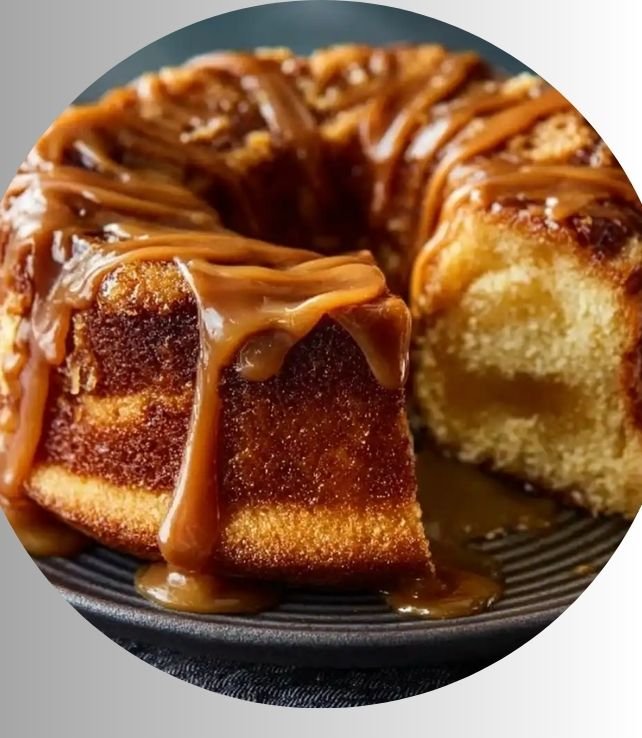
You know that moment when a recipe feels like more than just instructions? It becomes a story in your kitchen, a blend of history and personal taste. I found that with the Kentucky Butter Cake, a classic that begs for a twist. The original is a testament to simplicity, a buttery, dense pound cake soaked in a sweet glaze. But in my work, balancing flavor with mindful eating, I considered its potential.
This version, a Salted Caramel Kentucky Butter Cake, is that consideration made real. It respects the cake’s heritage while introducing a deeper, more complex flavor profile. The salted caramel isn’t just a topping; it’s woven into the fabric of the cake itself, in the soak and as a finish. The result is a moist, rich cake where sweet buttery notes are perfectly tempered by the savory edge of good salt.
Below, you will find the complete recipe, followed by a detailed analysis of its components, nutritional insights, and practical guidance to ensure your success. This isn’t just a list of steps; it’s a comprehensive guide to understanding and mastering this particular dessert.
How to Make Salted Caramel Kentucky Butter Cake
This process is divided into three main components: the cake batter, the salted caramel butter soak, and the final salted caramel glaze. Read through all instructions before beginning. Having your ingredients at room temperature is not a suggestion; it is critical for the emulsion that creates the cake’s fine texture.
Recipe Details
- Prep Time: 30 minutes
- Cook Time: 1 hour 10 minutes
- Additional Time: 1 hour (cooling and soaking)
- Total Time: 2 hours 40 minutes
- Servings: 12
- Course: Dessert
- Cuisine: American
- Diet: Vegetarian
Ingredients
For the Cake:
- 3 cups (360g) all-purpose flour, spooned and leveled
- 1 teaspoon baking powder
- 1/2 teaspoon baking soda
- 1 teaspoon fine sea salt
- 2 cups (400g) granulated sugar
- 1 cup (2 sticks / 226g) unsalted butter, room temperature
- 4 large eggs, room temperature
- 1 cup (240ml) buttermilk, room temperature
- 2 teaspoons pure vanilla extract
For the Salted Caramel Butter Soak:
- 3/4 cup (150g) granulated sugar
- 1/4 cup (60ml) water
- 1/2 cup (1 stick / 113g) unsalted butter
- 1/3 cup (80ml) heavy cream
- 1 1/2 teaspoons flaky sea salt (like Maldon)
- 1 teaspoon pure vanilla extract
For the Salted Caramel Glaze:
- Remaining salted caramel sauce (from above)
- 1-2 tablespoons additional heavy cream or milk, if needed for consistency
Instructions
- Prepare: Preheat your oven to 325°F (165°C). Generously grease a 10-cup Bundt pan with butter or baking spray, ensuring every crevice is covered. In a medium bowl, whisk together the flour, baking powder, baking soda, and salt. Set aside.
- Make the Cake Batter: In the bowl of a stand mixer fitted with the paddle attachment, cream the butter and sugar on medium-high speed for 4-5 minutes, until very light and fluffy. Scrape down the bowl. Add the eggs one at a time, beating well after each addition and scraping the bowl as needed. Mix in the vanilla. With the mixer on low, add the dry ingredients in three parts, alternating with the buttermilk in two parts, beginning and ending with the dry ingredients. Mix only until just combined after each addition.
- Bake: Pour the thick batter into the prepared pan, smoothing the top. Bake for 65-75 minutes, or until a long skewer inserted into the center comes out clean. The cake will be deeply golden brown and will have begun to pull away from the sides of the pan.
- Make the Soak: While the cake bakes, prepare the salted caramel butter soak. In a medium, heavy-bottomed saucepan, combine the 3/4 cup sugar and water. Cook over medium heat, swirling the pan occasionally but not stirring, until the sugar dissolves and turns a deep amber color. Remove from heat immediately. Carefully whisk in the butter (it will bubble vigorously) until melted. Whisk in the heavy cream, flaky sea salt, and vanilla until smooth. Set aside.
- Soak the Cake: As soon as the cake comes out of the oven, place the pan on a wire rack. Use a long, thin skewer or chopstick to poke 40-50 holes all over the warm cake, going nearly to the bottom. Slowly pour about 2/3 of the warm salted caramel soak over the cake, aiming for the holes. Let the cake cool in the pan for exactly 1 hour.
- Unmold and Finish: After 1 hour, invert the cake onto a serving plate. If the remaining caramel sauce has thickened, gently reheat it with 1-2 tablespoons of cream to make a pourable glaze. Drizzle the glaze over the top of the cake, allowing it to drip down the sides. Let the glaze set for at least 15 minutes before slicing.
Nutrition
- Calories: 645 kcal
- Protein: 6 g
- Fat: 33 g
- Carbohydrates: 84 g
- Sugar: 60 g
- Fiber: 1 g
- Sodium: 580 mg
- Cholesterol: 145 mg
Note: Nutritional information is an estimate per serving based on 12 slices, calculated using standard ingredient databases. Values can vary based on specific brands and measurements.
Cooking Method
This cake employs the creaming method, a foundational technique for butter cakes. Air is incorporated by beating room-temperature butter and sugar, which helps leaven the cake and create a tender crumb. The high-fat content and buttermilk contribute to a dense, moist texture, characteristic of a pound cake. The final, defining step is the soak, a hallmark of the Kentucky Butter Cake, which uses the warm cake’s porous structure to absorb a flavored liquid, ensuring moisture and distributing flavor throughout.
Tools Needed
- 10 or 12-cup Bundt pan
- Stand mixer or hand mixer
- Medium and large mixing bowls
- Whisk and spatula
- Heavy-bottomed saucepan
- Long skewer or toothpicks
- Wire cooling rack
Ingredient Analysis and Selection
Each component in this formula has a specific functional and sensory role. Understanding these roles allows for informed substitutions and troubleshooting.
Flour: The Structural Foundation
All-purpose flour provides the ideal protein content (typically 10-12%) for this cake. It offers enough gluten to give the cake structure without making it tough. For a gluten-free adaptation, a 1:1 gluten-free flour blend that contains xanthan gum is the most direct substitute. I have found that blends using a base of brown rice flour and tapioca starch perform well, though the crumb may be slightly more delicate.
Fats: Butter and Cream
Unsalted butter is specified for control over the final salt content. Its flavor is irreplaceable. The fat coats flour proteins, inhibiting gluten development for tenderness, and carries flavor compounds. The heavy cream in the caramel adds richness and controls the crystallization of the sugar, creating a smooth sauce. For a dairy-free version, high-fat plant-based butters (made for baking) and full-fat coconut cream can be used, though the flavor profile will shift.
Sugars and Sweeteners
Granulated sugar does more than sweeten. In the batter, its crystals help aerate the butter during creaming. In the caramel, it undergoes thermal decomposition (caramelization), developing hundreds of new flavor compounds. The type of salt used with it is crucial. Fine sea salt integrates into the batter evenly, while flaky sea salt in the caramel provides bursts of savory flavor and textural contrast. Reducing sugar is possible, but it will affect browning, moisture retention, and structure. A replacement like allulose may work in the soak, but its behavior in caramelization differs.
Leavening and Acidity
The combination of baking powder and baking soda, activated by the acidity of buttermilk, provides a reliable rise. Buttermilk’s lactic acid also tenderizes gluten and contributes a subtle tang that balances the sweetness. If you don’t have buttermilk, add 1 tablespoon of white vinegar or lemon juice to 1 cup of whole milk and let it stand for 5 minutes.
Eggs: Binders and Emulsifiers
Eggs provide structure through coagulating proteins, richness from the yolks’ fat, and leavening from the steam released during baking. They also act as emulsifiers, helping to bind the water-based and fat-based ingredients into a stable, uniform batter. For a vegan adaptation, a commercial egg replacer or a blend of flaxseed meal and water can be used, though the cake’s crumb and color will be different.
Nutritional Perspective on a Rich Dessert
As a dietary professional, I view recipes through a lens of composition and context. This is a celebratory dessert, rich in energy from carbohydrates and fats. A single serving provides a significant amount of calories, primarily from refined sugar and saturated fat.
The high sugar content leads to a rapid absorption of glucose. Pairing a slice with a source of protein or fiber, like a handful of nuts or serving it after a balanced meal, can help moderate the blood sugar response. The saturated fat from butter and cream is a consideration for those monitoring cholesterol intake.
From a positive standpoint, the recipe uses real, whole-food ingredients without artificial additives. You control the salt and can adjust the sugar slightly. Viewing this cake as an occasional component of an overall varied diet is a realistic approach. It is not a daily food, but a crafted food experience where portion awareness is key.
Dietary Adaptations and Variations
This recipe is adaptable to several dietary needs. The changes below will alter the final product’s texture and taste, so manage expectations accordingly.
Gluten-Free Adaptation
Replace the all-purpose flour with a 1:1 gluten-free baking blend that includes xanthan gum. Ensure all other ingredients (like baking powder) are certified gluten-free. The batter may be slightly thinner, and the cake may not rise as high, but the soak will ensure it remains moist.
Dairy-Free and Vegan Adaptation
This requires more systemic changes. Use a high-quality vegan butter stick and a plant-based milk + acid mixture for the buttermilk. For the eggs, a commercial replacer is best for structure. For the heavy cream in the caramel, full-fat canned coconut cream is the most effective substitute. The caramel will have a coconut note.
Lower-Sugar Variation
You can reduce the granulated sugar in the cake by 1/4 cup (50g) with minimal structural impact. For the caramel soak, reducing sugar is trickier as it is the main component. You could make a smaller quantity of soak or explore a sugar-free caramel sauce made with a sweetener like allulose or erythritol that caramelizes.
The Story Behind the Cake: A Slice of History
The Kentucky Butter Cake is a mid-20th century American classic, often attributed to a Pillsbury Bake-Off contest winner. Its genius lies in the post-bake butter soak, a technique that solves the common problem of dry pound cakes. This method ensures every bite is saturated with flavor and moisture.
The addition of salted caramel is a modern interpretation, reflecting contemporary tastes that favor the balance of sweet and savory. Caramel itself has ancient roots, but the specific pairing with flaky salt gained widespread popularity in the late 1990s and early 2000s. This version merges a beloved American cake tradition with a more recent flavor innovation, creating a dessert that feels both familiar and novel.
Common Mistakes and How to Avoid Them
Success lies in the details. Here are the pitfalls I’ve seen and how to steer clear of them.
Improper Ingredient Temperature
Using cold butter, eggs, or buttermilk will cause the creamed butter and sugar to break, resulting in a dense, greasy cake. Plan ahead to bring ingredients to room temperature (about 70°F).
Inadequate Pan Preparation
A Bundt pan’s intricate design is a sticking hazard. Use a baking spray that includes flour, or thoroughly grease with butter and then dust with flour, tapping out the excess. Do not skip this step.
Overmixing the Batter
Once the dry ingredients are added, mix only until the flour is incorporated. Overmixing develops gluten, leading to a tough, chewy cake instead of a tender one.
Underbaking or Overbaking
Use an oven thermometer to verify your oven’s accuracy. Test for doneness with a skewer; it must come out clean. Underbaking causes collapse, while overbaking leads to dryness even with the soak.
Caramel Crystallization or Burning
When making the caramel, ensure no sugar crystals are on the side of the pan (a wet pastry brush can help). Swirl, don’t stir, until color change begins. Remove from heat at a deep amber, not black.
Skipping the Soaking Step
The soak must be applied to a very warm cake. Poke plenty of holes and pour slowly, allowing the liquid to seep in. This is non-negotiable for the cake’s character.
Serving, Pairing, and Storage Guidelines
Serving Suggestions
This cake is rich and stands confidently on its own. A simple dusting of powdered sugar is an alternative to the extra glaze. For a textural contrast, a small side of lightly sweetened whipped cream or a sprinkle of toasted pecans works well.
Beverage Pairings
The sweetness and salt of the cake pair beautifully with bitter or acidic beverages. A strong black coffee, an espresso, or a cup of unsweetened tea cuts through the richness. For a evening option, a glass of bourbon or a dessert wine like a Sauternes complements the caramel notes.
Storage Instructions
Due to the soak, this cake retains moisture well. Store it at room temperature, covered tightly with a cake dome or plastic wrap, for up to 3 days. For longer storage, you can freeze the unglazed cake (after soaking and cooling) for up to 2 months. Thaw overnight at room temperature and apply the glaze before serving.
The Science of the Soak
The transformative step in this recipe is a lesson in food science. When the cake exits the oven, its starch granules have gelatinized and its structure is set, but it is still porous from escaping steam and gases. Poking holes creates channels.
Pouring the warm, liquid caramel soak onto the hot cake utilizes capillary action—the liquid is drawn into the tiny pores. The heat thins the sauce temporarily and helps it penetrate deeply. As the cake cools, the soak is trapped, redistributing fat and sugar throughout the crumb. This not only adds flavor but also physically blocks starch retrogradation (staling), keeping the cake moist for days.
Frequently Asked Questions
Can I make this cake in a regular loaf pan?
Yes, you can use two 9×5-inch loaf pans. Reduce the baking time to 45-55 minutes. The soak process remains the same, but you may need to divide the caramel sauce between the two loaves.
My caramel sauce seized up or became grainy. What happened?
Graininess is caused by sugar crystals reforming. This can happen if undissolved sugar crystals splash onto the pan’s sides or if the mixture is stirred during the initial boiling phase. To rescue it, add a few more tablespoons of water, return to low heat, and stir gently until the crystals dissolve again.
Why is my cake sticking to the Bundt pan?
This is almost always due to insufficient greasing. For intricate pans, a baking spray with flour is highly effective. Ensure every crevice is coated. Also, allow the cake to cool in the pan for only 1 hour; cooling completely in the pan can cause it to adhere.
Can I use salted butter instead of unsalted?
You can, but you must adjust the added salt. Omit the 1 teaspoon of fine sea salt in the cake batter. In the caramel soak, reduce the flaky salt to 1 teaspoon, taste, and adjust from there, as salted butter brands vary in sodium content.
How do I know when the sugar has reached the correct “amber” color for caramel?
The sugar will go from clear, to yellow, to a light gold, and finally to a deep, rich amber color similar to iced tea. It will also smell nutty, not just sweet. Have your butter and cream measured and ready, as the color change from gold to amber happens quickly.
Is there a way to make this cake ahead of time?
Absolutely. The cake tastes better the next day as the flavors fully meld. Bake, soak, and cool the cake completely.
