
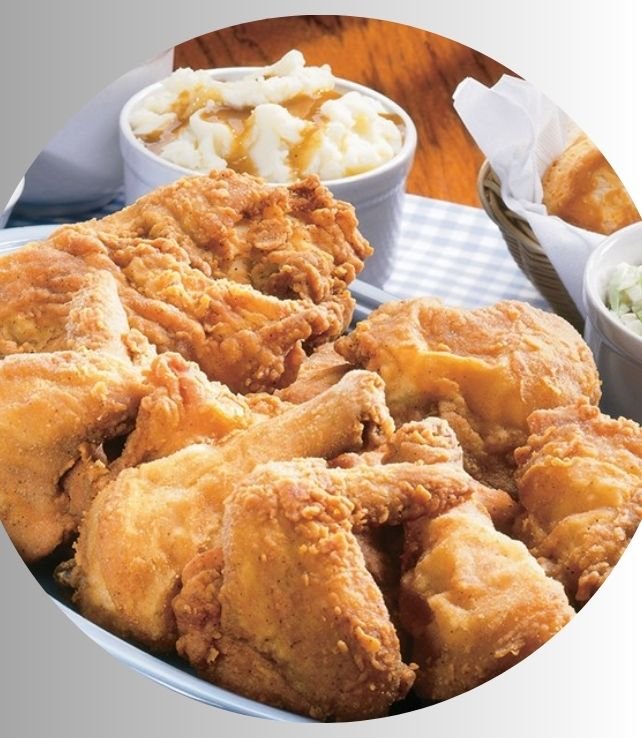
You know the feeling. It is the middle of a busy week, and the question of what to prepare for the family meal hangs in the air. You want something that feels like a treat, something reliably good, without spending hours in the kitchen. This is the exact problem that a well-considered weekly specials menu is designed to solve.
In my work as a dietician and culinary historian, I have always been interested in how restaurants build these menus. Recently, I decided to deconstruct the concept of Lee’s Famous Recipe Weekly Specials, not just to list them, but to understand the mechanics behind a successful family meal. I wanted to see if I could replicate that experience at home, focusing on the balance of flavor, nutrition, and practicality that makes these offers so effective.
This article is the result of that kitchen-based analysis. We will go through the process of creating a cornerstone item from such a menu, examine its nutritional profile, and explore how to adapt it for various dietary needs. My goal is to provide you with a comprehensive resource that answers every question you might have, transforming your weekly meal planning from a chore into a simple, satisfying process.
How to Make Lee’s Famous Recipe Weekly Specials
To truly understand the appeal of a weekly special, we must start with a foundational recipe. I have chosen to focus on recreating the core element that often anchors these meals: the famous chicken sandwich. This recipe is built on technique and ingredient quality, mirroring the approach of a professional kitchen focused on consistent, high-volume output.
Recipe Details
- Prep Time: 25 minutes
- Cook Time: 15 minutes
- Servings: 4
- Course: Main Course
- Cuisine: American
- Diet: Contains Dairy, Gluten
Ingredients
- 4 boneless, skinless chicken breasts (about 6 oz each)
- 1 cup buttermilk
- 1 tablespoon hot sauce
- 1 ½ cups all-purpose flour
- 1 teaspoon garlic powder
- 1 teaspoon paprika
- 1 teaspoon onion powder
- ½ teaspoon cayenne pepper (optional)
- 1 ½ teaspoons salt
- ½ teaspoon black pepper
- 4 brioche buns
- 4 tablespoons mayonnaise
- 2 tablespoons chipotle ranch dressing
- 16 dill pickle slices
- 4 leaves green leaf lettuce
- 4 slices tomato
- Vegetable oil, for frying
Instructions
- Place the chicken breasts between two sheets of plastic wrap and gently pound them to an even ½-inch thickness. This ensures they cook quickly and evenly.
- In a medium bowl, whisk together the buttermilk and hot sauce. Add the chicken breasts, ensuring they are fully submerged. Cover and let them marinate in the refrigerator for at least 4 hours, or ideally overnight. This step is non-negotiable for tender, flavorful chicken.
- In a separate shallow dish, combine the all-purpose flour, garlic powder, paprika, onion powder, cayenne pepper, salt, and black pepper. Whisk these dry ingredients together until they are fully integrated.
- Remove one chicken breast from the buttermilk, allowing the excess to drip off. Dredge it thoroughly in the seasoned flour mixture, pressing firmly to ensure a good coating. Place the breaded chicken on a wire rack. Repeat with the remaining breasts.
- Let the breaded chicken rest on the rack for 10-15 minutes. This allows the coating to hydrate and set, which prevents it from falling off during frying.
- While the chicken rests, prepare your sides. Slice the tomatoes, wash the lettuce, and have your pickles, mayonnaise, and chipotle ranch ready.
- Pour vegetable oil into a heavy-bottomed pot or Dutch oven to a depth of about 2 inches. Heat the oil over medium-high heat to 350°F (175°C). Use a thermometer for accuracy; the correct oil temperature is critical for a crisp, non-greasy result.
- Carefully place two chicken breasts into the hot oil. Do not overcrowd the pot. Fry for 5-7 minutes per side, until the exterior is a deep golden brown and the internal temperature reaches 165°F (74°C).
- Transfer the cooked chicken to a clean wire rack set over a baking sheet. Do not place it on paper towels, as this can make the bottom crust soggy. Let it rest for 3-4 minutes.
- Lightly toast the brioche buns. Spread mayonnaise on the bottom bun, then layer with lettuce, two tomato slices, and four pickle slices.
- Place the hot, fried chicken breast on the assembled bottom bun. Drizzle the chipotle ranch dressing over the chicken, then cap with the top bun. Serve immediately.
Nutrition
- Calories: 720 kcal
- Protein: 45 g
- Fat: 28 g
- Carbohydrates: 68 g
- Sugar: 12 g
- Fiber: 3 g
- Sodium: 1420 mg
- Cholesterol: 195 mg
Cooking Method
The primary cooking method used here is deep-frying. This technique creates a rapid Maillard reaction and steam, which seals the surface and results in a crisp crust while keeping the interior moist. The high heat of the oil transfers energy quickly, cooking the chicken through before the crust can absorb excessive oil, provided the temperature is maintained correctly.
Tools Needed
- Heavy-bottomed pot or Dutch oven
- Deep-fry thermometer
- Meat mallet or rolling pin
- Plastic wrap
- Two shallow dishes for dredging
- Wire rack and baking sheet
- Tongs
- Paper towels for cleanup
Deconstructing the Core Components
A successful meal is more than the sum of its parts, but understanding each part is the key to mastery. Let us break down the primary entities in this recipe to understand their function and how to select the best available options.
The Chicken: A Foundation of Quality
The protein is the centerpiece. Using fresh, high-quality chicken is the first step. I recommend boneless, skinless breasts that are uniform in size for consistent cooking. The act of pounding is not just about thinning; it breaks down muscle fibers, resulting in a more tender bite and preventing the chicken from curling during cooking.
Buttermilk Marinade Science
The buttermilk marinade serves a dual purpose. Its acidity gently denatures the proteins on the surface of the chicken, which tenderizes the meat. Simultaneously, the thick, viscous liquid clings to the chicken, providing a sticky base for the flour to adhere to, which is essential for a thick, craggy crust. The lactic acid and calcium in buttermilk are superior to other acids for this application.
The Coating: Engineering the Crust
The seasoned flour is where the primary flavor profile of the chicken is built. All-purpose flour provides the structure. The combination of garlic powder, paprika, and onion powder creates a savory, slightly sweet base. The cayenne pepper is optional but adds a subtle warmth that complements the other spices without being overtly spicy.
The Bun and Toppings: Architectural Support
The brioche bun is not an arbitrary choice. Its high egg and butter content gives it a soft, pillowy texture and a slight sweetness that contrasts with the savory, salty chicken. It is sturdy enough to hold up to the juiciness without becoming soggy too quickly.
The Role of the Pickle and Sauce
The dill pickle is a crucial element often overlooked. It provides a sharp, acidic crunch that cuts through the richness of the fried chicken and the fat in the sauces. The combination of creamy mayonnaise and smoky, tangy chipotle ranch adds moisture and layers of flavor, tying the entire sandwich together.
Nutritional Analysis and Health Considerations
From a dietary perspective, this meal is energy-dense. It is high in protein, which promotes satiety and supports muscle maintenance. However, it is also high in refined carbohydrates, sodium, and saturated fats. Understanding this allows for informed consumption and adaptation.
Macronutrient Breakdown
The 45 grams of protein per serving is significant and can contribute substantially to daily requirements. The fat content, at 28 grams, comes from the frying oil, the egg-rich brioche bun, and the sauces. The carbohydrates are primarily from the flour coating and the bun. The sugar content is influenced by the natural sugars in the brioche and the added sugars often present in condiments and the buttermilk marinade.
Sodium and Cholesterol Context
The sodium level is high, a common characteristic of restaurant-style food and processed ingredients like condiments and pickles. For those monitoring sodium intake, this is a key consideration. The cholesterol comes from the chicken, eggs in the brioche, and the buttermilk. For most healthy individuals, dietary cholesterol has a modest impact on blood cholesterol, but it remains a point of awareness for those with specific conditions.
Practical Adaptations for Different Diets
The beauty of a foundational recipe is its adaptability. Here are practical modifications to accommodate various dietary needs without sacrificing the core experience.
Gluten-Free Adaptation
Replace the all-purpose flour with a 1:1 gluten-free flour blend. Ensure the blend contains a binder like xanthan gum. Use certified gluten-free oats that have been ground into a fine powder for a portion of the flour to add a nutty flavor and improve texture. Use a gluten-free bun.
Dairy-Free Adaptation
Substitute the buttermilk with an equal amount of unsweetened plain almond milk or soy milk mixed with one tablespoon of lemon juice or vinegar. Let it sit for 5 minutes to curdle before using. Use a dairy-free brioche bun or another soft dairy-free bun.
Lower-Fat and Lower-Calorie Version
Instead of deep-frying, use an air fryer. Coat the marinated chicken with a light spray of oil and air fry at 400°F (200°C) for 12-15 minutes, flipping halfway. Use a whole-wheat bun, light mayonnaise, and increase the amount of lettuce and tomato to add volume and fiber.
The Historical and Cultural Context of the “Weekly Special”
The concept of a weekly special has deep roots in American food service. It originated as a practical tool for restaurants to manage inventory, utilize seasonal ingredients, and create a sense of urgency and novelty to drive mid-week traffic. For over 50 years, establishments like Lee’s have used this model to build a routine with their customers.
This model creates a reliable rhythm for families. It answers the question of “what’s for dinner” with a limited-time offer that feels both special and accessible. The inclusion of multi-piece meals and combos speaks directly to the need for feeding a group efficiently, whether it is a immediate family or a larger gathering. The idea of a “16 Piece Meal” or a “12 Piece Meal” is designed for sharing and community, turning a meal into an event.
Common Preparation Errors and How to Correct Them
After testing this process multiple times, I identified several points where the result can be compromised. Avoiding these pitfalls will ensure a superior outcome.
Error: Soggy or Patchy Coating
This is usually caused by not letting the breaded chicken rest before frying, or by frying in oil that is not hot enough. The resting period allows the flour to adhere properly. The correct oil temperature instantly sets the crust, creating a barrier that prevents oil absorption.
Error: Overcooked or Dry Chicken
This occurs from frying for too long or at too high a temperature. Using a meat thermometer is the only way to guarantee perfect doneness. Remove the chicken from the oil the moment it reaches 165°F (74°C), as it will continue to cook slightly from residual heat while resting.
Error: Bland Flavor
Underseasoning the flour is the primary culprit. Do not be shy with the salt and spices in the dredging station. Taste the raw flour mixture; it should taste well-seasoned, almost like a seasoned salt.
Serving, Pairing, and Storage Guidance
This chicken sandwich is a complete meal, but it can be part of a larger spread. For a true “weekly specials” experience at home, consider the sides and logistics.
Ideal Side Dishes
Classic, craveable sides include coleslaw, which adds a creamy, crunchy contrast, or a simple potato salad. For a lighter option, a side of steamed green beans or a simple corn on the cob works well. A glass of iced tea is the traditional beverage pairing, its mild bitterness and lack of carbonation cleansing the palate between bites.
Storage and Reheating
Fried chicken is best consumed immediately. If you must store it, let it cool completely, then place it in a single layer in an airtight container in the refrigerator for up to 2 days. To reheat, do not use a microwave, as it will make the crust soft. Instead, use an oven or toaster oven preheated to 375°F (190°C). Place the chicken on a wire rack over a baking sheet and heat for 10-15 minutes until warm and crisp.
Catering and Larger Events
The principles of this recipe scale effectively. For a party or event, you can prepare the chicken breasts, bread them, and hold them on sheet pans in the refrigerator for an hour before frying. This “mise en place” approach makes catering for a group manageable. The ability to offer a consistent, crowd-pleasing item like this is why many turn to professional catering for their events.
Frequently Asked Questions
What is Lee’s Famous Recipe Weekly Specials?
It is a rotating menu of discounted meal combinations offered by the Lee’s Famous Recipe restaurant chain. These specials typically feature their core chicken items, such as sandwiches and multi-piece meals, often bundled with sides and a drink, designed to provide value and simplify meal planning for customers during the week.
Why is Lee’s Famous Recipe Weekly Specials important?
These specials are important because they create a predictable, affordable option for families and individuals. They reduce the decision fatigue associated with meal planning and offer a cost-effective way to enjoy a restaurant-style meal. For the business, it helps manage inventory and maintain consistent customer engagement.
How does Lee’s Famous Recipe Weekly Specials work?
The restaurant announces a specific meal deal for a limited time, often weekly. Customers can then order this special combination, which is usually priced lower than buying the items individually. Many locations integrate these offers with their mobile app, where you can also accumulate points in a rewards program, leading to benefits like free food or a welcome gift on your first order.
Can I make this recipe without a deep fryer?
Yes. While deep frying provides the most authentic texture, you can pan-fry the chicken in a half-inch of oil in a large skillet, flipping once. Alternatively, for a significantly lower-fat version, the air fryer method described in the adaptations section yields a very good result.
What is the best oil for frying chicken?
Oils with a high smoke point and neutral flavor are ideal. Vegetable oil, canola oil, and peanut oil are all excellent choices. They can withstand the 350°F temperature required without burning or imparting an off-flavor to the chicken.
How can I tell when the oil is ready for frying?
The most reliable method is to use a deep-fry or candy thermometer. The target temperature is 350°F (175°C). Without a thermometer, you can test the oil by dropping a small cube of bread into it. If it sizzles vigorously and turns golden brown in about 60 seconds, the oil is likely ready.
Are there lower-sodium options for this recipe?
Yes. You can reduce the salt in the seasoned flour by half. Use low-sodium or salt-free versions of the spice blends. Choose low-sodium pickles and make your own chipotle ranch dressing using low-sodium mayonnaise and yogurt to control the salt content directly.
How does the rewards program work with the weekly specials?
Programs like “Famous Rewards” typically allow you to earn points for every dollar spent, including on weekly specials. These points can later be redeemed for menu items, effectively giving you free chicken or other perks. Ordering through the mobile app often streamlines this process, allowing for easy reordering and point tracking.
