
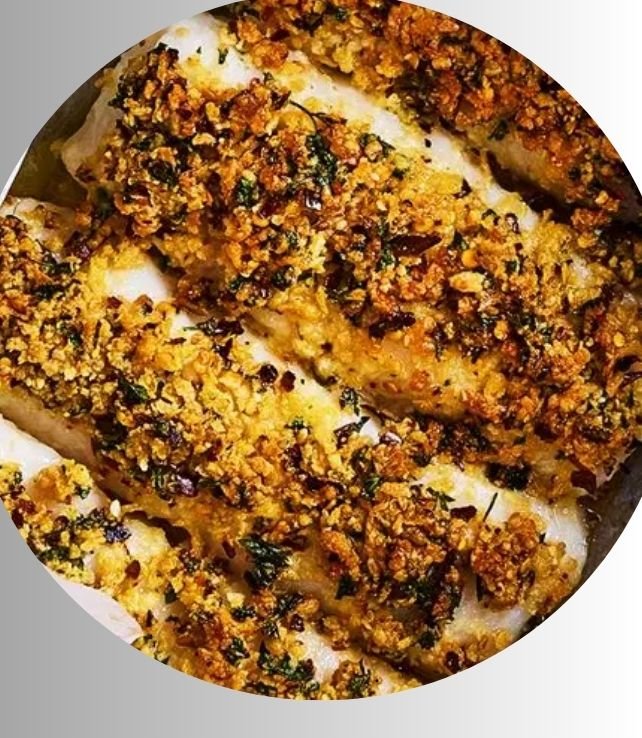
You have a piece of white fish in front of you. It’s mild, it’s lean, and the question is always the same: how do you cook it so it’s flavorful but not dry, interesting but not complicated? I understand this challenge well. For years, I viewed simple fish fillets as a blank canvas that required too much work to paint.
That changed during a research trip to Valparaíso. In a small, family-run restaurant, I was served a dish that redefined simplicity. It was a fillet of merluza, or hake, that was impossibly moist, with a golden crust, sitting in a fragrant, light broth of tomatoes, onions, and peppers. It wasn’t fussy. It was honest, nourishing, and deeply satisfying. The chef called it “Merluza a la Chilena.”
This recipe is my adaptation of that meal. It is a method that respects the delicate nature of the fish while building layers of flavor around it. As a dietician, I value its nutritional profile; as a cook, I appreciate its reliability. Below, you will find the complete recipe, followed by a detailed analysis of its ingredients, techniques, and the science that makes it work so you can master it completely.
How to Make Chilean Hake Recipe
This method uses a two-step process: a quick sear to develop flavor and texture, followed by gentle simmering in a vegetable sofrito. This ensures the fish remains tender and absorbs the aromatic broth without falling apart.
Recipe Details
- Prep Time: 20 minutes
- Cook Time: 25 minutes
- Servings: 4
- Course: Main Course
- Cuisine: Chilean
- Diet: Pescatarian, Gluten-Free
Ingredients
- 4 Chilean hake fillets (about 6 oz / 170g each), skinless
- 1 tsp fine sea salt, divided
- ½ tsp black pepper
- 3 tbsp all-purpose flour (for dusting)
- 3 tbsp olive oil, divided
- 1 large yellow onion, thinly sliced
- 1 large red bell pepper, julienned
- 4 cloves garlic, minced
- 1 tsp smoked paprika (pimentón)
- ½ tsp dried oregano
- 1 14.5 oz (411g) can diced tomatoes, with juices
- ½ cup (120ml) dry white wine (like Sauvignon Blanc)
- ½ cup (120ml) fish or vegetable broth
- 2 tbsp fresh parsley, chopped
- 1 lemon, cut into wedges
Instructions
- Pat the hake fillets completely dry with paper towels. Season both sides with half the salt and all the black pepper. Lightly dust each fillet with flour, shaking off any excess. This step is crucial for achieving a proper sear.
- Heat 2 tablespoons of olive oil in a large, deep skillet or sauté pan over medium-high heat. Once the oil shimmers, add the fillets. Sear for 2-3 minutes per side, until a golden-brown crust forms. Do not cook through. Remove the fillets to a plate and set aside.
- Reduce the heat to medium. Add the remaining tablespoon of oil to the same pan. Add the sliced onion and red bell pepper. Cook, stirring occasionally, for 8-10 minutes until the vegetables are softened and beginning to caramelize.
- Add the minced garlic, smoked paprika, dried oregano, and remaining salt. Stir constantly for about 1 minute until the garlic is fragrant.
- Pour in the diced tomatoes with their juices, white wine, and broth. Stir to combine, scraping up any browned bits from the bottom of the pan. Bring the mixture to a gentle simmer and let it cook for 5 minutes to allow the flavors to meld.
- Nestle the seared hake fillets into the simmering vegetable mixture. Spoon some of the sauce over the top. Cover the pan, reduce the heat to low, and let it cook gently for 6-8 minutes. The fish is done when it flakes easily with a fork and is opaque throughout.
- Remove from heat. Sprinkle with fresh parsley and serve immediately, with lemon wedges on the side for squeezing over the top.
Nutrition
- Calories: 315 kcal
- Protein: 32 g
- Fat: 13 g
- Carbohydrates: 15 g
- Sugar: 7 g
- Fiber: 3 g
- Sodium: 780 mg
- Cholesterol: 85 mg
Cooking Method
The primary method here is pan-searing followed by poaching. Searing at a high temperature triggers the Maillard reaction, creating complex flavor compounds and a desirable texture on the fish’s surface. The subsequent poaching in a flavorful liquid uses gentle, moist heat to finish cooking the protein evenly without overcooking the exterior, resulting in a uniformly tender fillet.
Tools Needed
- Large skillet or sauté pan with a lid
- Tongs or a flexible fish spatula
- Chef’s knife and cutting board
- Measuring spoons and cups
- Paper towels
Understanding Chilean Hake: The Primary Ingredient
Often labeled simply as “hake” or “merluza,” the fish central to this dish is typically Merluccius gayi gayi, caught in the cold, deep waters of the southeastern Pacific. Its role in Chilean cuisine is similar to that of cod in European cooking; it is a staple, versatile and widely consumed.
Species and Sustainability
Chilean hake is a distinct species. Its flesh is white, with a fine flake and a very mild, slightly sweet taste. It has a lower oil content than salmon or mackerel, which makes it lean but also requires careful cooking to prevent dryness. When purchasing, look for certifications from the Marine Stewardship Council (MSC) or check Seafood Watch guides, as some stocks have been under pressure. Sustainable management is improving, and choosing certified products supports these efforts.
Nutritional Profile and Health Benefits
From a nutritional standpoint, this fish is an excellent choice. A 6-ounce fillet provides a significant amount of high-quality, complete protein, which is essential for muscle repair and satiety. It is a good source of B vitamins, particularly B12 for nerve function, and selenium, a powerful antioxidant. Its low saturated fat content and presence of omega-3 fatty acids, primarily DHA and EPA, contribute to cardiovascular and cognitive health. This combination makes it a frequent recommendation in heart-healthy dietary patterns.
Selecting and Preparing the Fillets
Choose fillets that are firm, translucent, and have a clean, briny smell. Avoid any with a strong “fishy” odor or discoloration. The key to the searing step is surface dryness. Moisture on the fish will steam instead of sear, preventing browning. Patting the fillets thoroughly with paper towels and using a light flour coating helps draw out surface moisture and promotes an even, golden crust.
The Flavor Foundation: Sofrito and Aromatics
The character of this dish is built on a sofrito, a slow-cooked base of vegetables that forms the backbone of many Latin American and Iberian recipes. This is where the majority of the dish’s vitamins, minerals, and phytonutrients are concentrated.
Onion and Garlic: The Aromatic Base
Slowly cooking the sliced onion builds a natural sweetness through caramelization. Garlic, added later to prevent burning, provides allicin, a compound with noted anti-inflammatory properties. Together, they create a foundational aroma that is savory and complex.
Red Bell Pepper and Paprika
Julienned red bell pepper adds color, a subtle sweetness, and a high dose of vitamin C. The smoked paprika, or pimentón, is the non-negotiable spice. It imparts a deep, smoky warmth that distinguishes this Chilean preparation from other Mediterranean fish stews. It contains capsaicinoids, which can influence metabolism.
The Role of Acid and Liquid
The acidity from the canned tomatoes and white wine serves multiple purposes. It brightens the rich flavors of the sofrito, helps balance the fat from the oil, and can slightly tenderize the fish during poaching. The wine’s alcohol cooks off, leaving behind its aromatic compounds. The broth then provides the necessary liquid to create a light sauce, ensuring the fish steams gently.
Nutritional Analysis and Dietary Adaptations
This recipe is inherently gluten-free and pescatarian. Its macronutrient balance—high protein, moderate healthy fats, and complex carbohydrates from vegetables—provides sustained energy. The fiber from the onions, peppers, and tomatoes aids digestion and promotes gut health.
Making Specific Dietary Adjustments
For a strict gluten-free version, ensure your broth is certified gluten-free and substitute the all-purpose flour with cornstarch or a gluten-free flour blend for dusting. To make it dairy-free, no changes are needed; the recipe contains no dairy. For a lower-sodium version, use no-salt-added canned tomatoes and reduce or omit the added salt, relying on herbs and lemon for flavor.
Increasing Protein or Reducing Carbohydrates
The protein content is already substantial. To increase it further, you could add a can of drained white beans to the sofrito with the tomatoes. For a lower-carbohydrate approach, you can omit the flour-dusting step (though the crust will be less defined) and reduce the amount of onion, increasing the proportion of bell peppers instead.
Cultural and Historical Context
Hake has been a cornerstone of Chilean cuisine for centuries, thanks to the country’s extensive coastline. Dishes like “Merluza a la Chilena” or “Merluza con Salsa” are home-cooking classics, not typically elaborate restaurant fare. They reflect a practical, resourceful approach to cooking: using a plentiful local fish and enhancing it with accessible, garden-variety vegetables and imported spices like paprika.
This style of cooking fish in a savory tomato and pepper sauce is a culinary tradition shared across several South American countries with Pacific coastlines, each adding local variations. In Chile, the use of smoked paprika and white wine is characteristic, linking it to Spanish influences while utilizing New World ingredients like tomatoes.
Common Mistakes and Techniques for Perfection
Overcooking is the most frequent error with lean fish. The fillet continues to cook from residual heat even after the pan is off the stove. Remove it just as it becomes opaque and begins to flake. The second mistake is crowding the pan during searing. This drops the pan temperature, causing the fish to steam. Cook in batches if necessary.
Do not skip the step of deglazing the pan with wine and broth after sautéing the vegetables. Those browned bits, or fond, are packed with flavor. Let the sofrito simmer for a full 5 minutes before adding the fish back. This concentrates the flavor and ensures the raw taste of the tomatoes and wine cooks out.
Finally, be gentle when handling the cooked fillets. Use a wide spatula to lift them from the pan to keep them intact for serving.
Serving Suggestions, Pairings, and Storage
This dish is a complete meal with protein and vegetables. To round it out, I often serve it over a portion of steamed quinoa or brown rice, which absorbs the flavorful sauce nicely. A simple side of sautéed green beans or a crisp green salad with a lemon vinaigrette complements the dish’s richness.
For wine, continue with the Chilean theme. A crisp Sauvignon Blanc from the Casablanca Valley or a light-bodied Pinot Noir pairs beautifully. To store leftovers, place the fish and sauce in an airtight container in the refrigerator for up to 2 days. Reheat very gently in a covered saucepan over low heat to prevent the fish from becoming tough. I do not recommend freezing, as the texture of the cooked fish can become watery.
The Science of Cooking Lean White Fish
The proteins in fish, primarily myosin and actin, begin to denature and coagulate at temperatures as low as 104°F (40°C). By the time the internal temperature reaches 140°F (60°C), the fish is fully cooked, opaque, and flaky. Exceeding this temperature squeezes out moisture, resulting in a dry, tough texture.
The poaching liquid in this recipe rarely exceeds 212°F (100°C), providing a gentle thermal environment. The searing step first exposes the surface to high heat, rapidly coagulating surface proteins to seal in juices—a common misconception. In reality, searing primarily creates flavor and texture; the gentle finishing heat is what preserves moisture.
Frequently Asked Questions
Can I use a different type of fish for this recipe?
Yes. Any firm, mild white fish will work. Good alternatives include cod, haddock, pollock, or tilapia. Adjust the poaching time slightly based on the thickness of the fillets.
What can I use if I don’t have white wine?
You can substitute an equal amount of additional broth mixed with one tablespoon of lemon juice or white wine vinegar. This will provide the necessary acidity without the alcohol.
Is Chilean hake high in mercury?
No, it is considered a low-mercury fish. It is safe for regular consumption, including for pregnant women and children, following standard dietary guidelines for fish intake.
My sauce turned out watery. How can I thicken it?
After removing the cooked fish, increase the heat under the sauce and let it simmer uncovered for a few extra minutes to reduce and concentrate. You can also mix one teaspoon of cornstarch with two teaspoons of cold water and stir it into the simmering sauce until it thickens.
Can I make this recipe in advance?
You can prepare the sofrito base (through step 5) up to a day ahead. Store it covered in the refrigerator. When ready to eat, reheat the sofrito, then proceed with searing the fish and finishing the recipe. This saves time without compromising the fish’s texture.
Why is my fish sticking to the pan during searing?
Sticking usually means the pan or oil wasn’t hot enough, or the fish wasn’t dry. Ensure your pan is preheated over medium-high heat until the oil shimmers, and pat the fillets meticulously dry before adding them to the pan.
Are there other traditional Chilean spices I could add?
Some variations include a pinch of merkén, which is a smoked Chilean chili pepper powder, or a bay leaf added to the sofrito. These add another layer of authentic flavor.
How do I know exactly when the fish is done?
The most reliable method is to use an instant-read thermometer. Insert it into the thickest part of the fillet; it should read between 135°F and 140°F (57°C to 60°C). Visually, the flesh will be opaque and will separate into firm flakes when gently pressed with a fork.
