
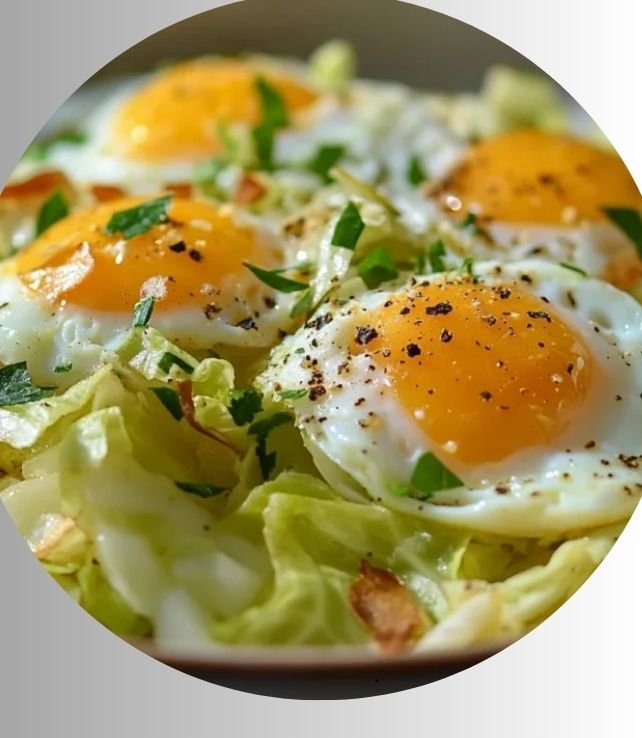
You have half a head of cabbage in the crisper and a carton of eggs on the counter. Dinner needs to be simple, affordable, and genuinely satisfying. This combination is a solution I return to often, not just for its practicality, but for its quiet versatility and nutritional balance.
This cabbage and egg recipe is a straightforward stir-fry that transforms these humble ingredients into a complete, savory meal. It is a dish built on texture and subtle sweetness, where softened cabbage meets creamy scrambled eggs. Below, I will guide you through the precise method I use, and then we will explore everything from its nutritional science to its global variations.
How to Make Cabbage and Egg Recipe
This method focuses on cooking the cabbage and eggs separately before combining them. This ensures the cabbage achieves the right tenderness and the eggs remain soft and distinct, rather than becoming watery or rubbery.
Recipe Details
- Prep Time: 10 minutes
- Cook Time: 15 minutes
- Servings: 2
- Course: Main Course
- Cuisine: Global, Home-Style
- Diet: Vegetarian
Ingredients
- 1/2 medium head green cabbage (about 1 lb or 450g)
- 4 large eggs
- 1 medium onion
- 2 cloves garlic
- 1 tablespoon neutral oil (like avocado or canola)
- 1 tablespoon soy sauce or tamari
- 1/2 teaspoon salt (adjust to taste)
- 1/4 teaspoon black pepper
- 1/2 teaspoon sesame oil (optional, for finishing)
- Green onions or cilantro for garnish (optional)
Instructions
- Prepare the vegetables. Slice the onion thinly. Mince the garlic. Remove the core from the cabbage and slice it into thin, approximately 1/4-inch strips.
- In a bowl, crack the eggs and whisk them lightly with a pinch of salt and pepper until just combined.
- Heat a large skillet or wok over medium-high heat. Add the neutral oil.
- Pour in the whisked eggs. Let them set for 10-15 seconds, then gently scramble by pushing the cooked edges toward the center. Cook until they are just set but still slightly soft. Immediately transfer them back to the bowl.
- In the same skillet, add the sliced onion. Cook for 2-3 minutes until it begins to soften.
- Add the minced garlic and stir for about 30 seconds until fragrant.
- Add all the sliced cabbage to the skillet. It will seem like a large volume, but it will reduce significantly. Stir to coat the cabbage in the oil and aromatics.
- Cook the cabbage, stirring occasionally, for 8-10 minutes. You want it to be wilted, tender, and have some lightly browned edges. Season with the salt and pepper during cooking.
- Once the cabbage is cooked to your liking, drizzle the soy sauce over it and stir to combine.
- Return the scrambled eggs to the skillet. Gently fold them into the cabbage, breaking up any large curds if desired.
- Remove from heat. Drizzle with sesame oil if using, and garnish with chopped green onions or cilantro. Serve immediately.
Nutrition
- Calories: 285 kcal
- Protein: 18 g
- Fat: 18 g
- Carbohydrates: 18 g
- Sugar: 9 g
- Fiber: 7 g
- Sodium: 890 mg
- Cholesterol: 370 mg
Cooking Method
The primary technique here is stir-frying, which uses high heat and constant movement for quick cooking. We employ a sequential process: proteins (eggs) are cooked first and removed, then vegetables are sautéed to develop flavor, and finally everything is combined at the end. This preserves the integrity of each component.
Tools Needed
- A large skillet or wok (12-inch minimum)
- A sharp chef’s knife and cutting board
- A mixing bowl and whisk or fork
- A spatula or wooden spoon for stirring
- Measuring spoons
Understanding Your Core Ingredients
To master this dish, knowing the attributes of your two main components is useful. Their behavior in the pan dictates the final texture and flavor.
The Cabbage: More Than Just Crunch
Green cabbage, or Brassica oleracea, is a cruciferous vegetable. Its high water content and dense leaf structure require sufficient heat and time to break down. When sliced thinly and cooked properly, its natural sugars caramelize slightly, moving from a sharp, peppery raw note to a mellow, almost sweet flavor.
You can use savoy cabbage for a more tender, ruffled leaf, or red cabbage for a vibrant color and slightly earthier taste. Napa cabbage will cook much faster due to its higher moisture content and more delicate ribs.
The Egg: A Study in Protein Coagulation
Eggs are a complete protein source. The key to soft scrambled eggs is controlling the temperature of coagulation. Egg proteins begin to set around 144°F (62°C). Whisking introduces air and creates a more uniform texture. Cooking them quickly over medium-high heat, as we do here, creates tender, separate curds. Overcooking forces out moisture, resulting in a dry, rubbery texture.
For a richer result, a splash of milk or cream can be added to the whisked eggs, which introduces fat and water that further interrupt protein bonding, leading to a softer set.
A Nutritional Perspective
From a dietary standpoint, this dish represents a balanced plate. It provides a synergistic blend of macronutrients and micronutrients that support sustained energy.
Macronutrient Synergy
The eggs deliver high-quality protein and essential fats, including choline which is important for brain health. The cabbage contributes complex carbohydrates and a significant amount of dietary fiber. This combination of fiber, protein, and fat leads to a slower digestion and absorption of sugars, promoting stable blood glucose levels and prolonged satiety after eating.
Micronutrient Density
Cabbage is a notable source of vitamin C, vitamin K, and folate. It also contains sulfur-containing compounds like glucosinolates, which have been studied for their cellular protective properties. Eggs provide vitamin B12, riboflavin, and selenium. The fat from the egg yolk also aids in the absorption of the fat-soluble vitamins present in the cabbage, such as vitamin K.
The sodium content primarily comes from the added soy sauce. Using a low-sodium variety or reducing the quantity is an effective adjustment for those monitoring intake.
Variations and Dietary Adaptations
This recipe serves as a foundational template. Its simplicity is its strength, allowing for numerous modifications based on dietary needs and flavor preferences.
For Additional Protein
Add diced firm tofu when sautéing the onions for a plant-based protein boost. For an omnivorous version, cooked and shredded chicken, diced ham, or cooked shrimp can be stirred in with the eggs at the end.
For a Vegan Preparation
Omit the eggs. Use a 14-ounce block of extra-firm tofu, crumbled. Press the tofu to remove excess water, then cook it in the oil first until lightly browned. Remove it, then proceed with the cabbage. Add the tofu back at the end. Increase the soy sauce slightly or add a teaspoon of nutritional yeast for a savory, umami depth.
Flavor Profile Adjustments
The seasoning axis is flexible. Instead of soy sauce, consider a tablespoon of oyster sauce for a different savory-sweet note. For a spicy version, add a teaspoon of chili crisp or red pepper flakes with the garlic. A squeeze of fresh lime juice at the end can brighten the entire dish.
Cultural and Historical Context
While not tied to a single celebrated tradition, the combination of cooked greens and eggs is a global phenomenon of resourcefulness. It appears in various forms across many food cultures, often as a breakfast or a quick supper.
In many European households, fried eggs served over braised cabbage is a common meal. In parts of Asia, a similar stir-fry might include bean sprouts or carrots and be seasoned with ginger and white pepper. In my own experience, it reminds me of the “clean out the fridge” meals my grandmother would make at the end of the week, where nothing went to waste and simple ingredients were treated with respect. This dish embodies that practical, nourishing ethos.
Common Mistakes and How to Avoid Them
Small adjustments in technique can significantly improve your result.
Soggy Cabbage and Watery Eggs
This usually happens when the cabbage is cut too thickly or crowded in the pan, causing it to steam rather than sauté. Ensure your skillet is large enough and the cabbage is sliced thinly. Also, do not add liquid (like more soy sauce) during the cabbage cooking process, as it will inhibit browning and create steam.
Rubbery, Overcooked Eggs
Cook the eggs quickly and remove them from the pan the moment they are no longer runny. They will continue to cook slightly from residual heat. Remember, they will be reheated briefly when combined with the hot cabbage.
Lack of Flavor Depth
Do not rush the initial step of cooking the onions and garlic. Let the onions become translucent and soft to build a sweet, aromatic base. Allowing some pieces of cabbage to develop a slight char at the edges also adds a complex, smoky flavor.
Serving, Pairing, and Storage Guidance
This dish is most enjoyable served hot, directly from the skillet.
What to Serve With It
For a light meal, it is complete on its own. To make it more substantial, serve it over a bed of steamed brown rice, quinoa, or alongside roasted potatoes. A simple soup or a light cucumber salad would complement it well without overwhelming the palate.
Storage and Reheating
Leftovers can be stored in an airtight container in the refrigerator for up to 3 days. Reheat gently in a skillet over medium heat. Microwave reheating is possible but may further soften the texture of the eggs and cabbage. The dish does not freeze well, as the cabbage becomes mushy and the eggs grainy upon thawing.
The Kitchen Science: Why This Method Works
The success of this recipe hinges on managing water content and protein structure. Cabbage cells are held together by pectin, which breaks down with heat, releasing water. By using a hot pan and not overcrowding it, this water evaporates quickly, concentrating flavor and allowing for caramelization instead of boiling.
Egg proteins, as mentioned, coagulate with heat. By cooking them first, we set their structure before they can be diluted by the water released from the cabbage. Combining them at the end simply warms the eggs through without applying enough new heat to tighten the proteins further and squeeze out moisture.
Frequently Asked Questions
Can I use pre-shredded coleslaw mix for this recipe?
Yes, you can. A pre-shredded mix of cabbage and carrots will work and reduce prep time. Be aware that it may cook faster due to the finer shred, so reduce the sauté time for the cabbage by 2-3 minutes and monitor the texture closely.
Is this cabbage and egg recipe good for weight management?
It can be a suitable component of a weight management plan due to its high volume, fiber content, and moderate protein, which promote fullness. To lower the calorie density further, you can use cooking spray instead of oil and increase the proportion of cabbage to eggs.
My dish turned out too salty. How can I fix this?
If it is slightly over-salted, adding a squeeze of fresh lemon or lime juice can help balance the flavor. For a more significant correction, cook another half batch of plain, unseasoned cabbage and mix it into the existing batch to dilute the salt concentration.
Can I add other vegetables to this stir-fry?
Absolutely. Bell peppers, sliced mushrooms, carrots, or snow peas are excellent additions. Add harder vegetables like carrots with the onions, and softer ones like mushrooms or peppers a minute or two after the cabbage has started to wilt.
Why did my eggs turn greyish-green?
A greenish-grey ring around cooked egg yolks or a general discoloration is a harmless chemical reaction between iron in the egg yolk and sulfur in the egg white, which can occur with prolonged cooking or high heat. It is safe to eat but indicates the eggs may be slightly overcooked. Using fresh eggs and the quick-cook method outlined minimizes this.
How can I make this recipe gluten-free?
Ensure you use a certified gluten-free soy sauce, tamari, or coconut aminos. All other core ingredients are naturally gluten-free.
What is the best way to slice the cabbage for this dish?
Remove the tough core, then cut the half-cabbage into wedges. Lay each wedge flat on the cutting board and slice crosswise into thin strips, aiming for uniformity so they cook evenly. A mandoline can be used for very consistent slices, but a sharp knife is perfectly effective.
