
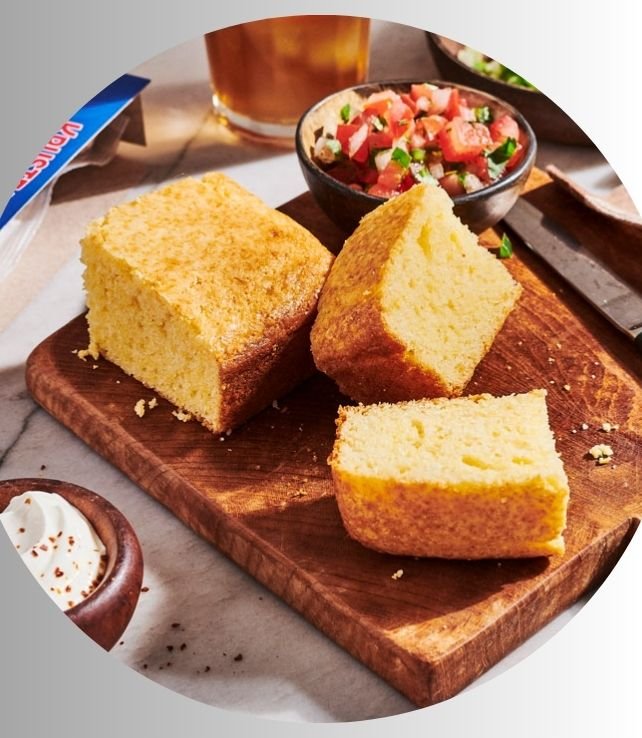
You have a box of Krusteaz cornbread mix in your pantry. The instructions are simple, but you want more than just a basic result. You want cornbread with the perfect texture, a golden brown crust, and the ability to pair with any meal from chili to a holiday feast.
I understand this completely. As a dietician and culinary historian, I have tested this mix extensively in my own kitchen. The standard recipe on the box provides a good foundation, but with a few intentional adjustments and a deeper understanding of the ingredients, you can consistently produce exceptional cornbread. This guide will provide that depth, transforming a simple mix into a culinary staple.
This article details the core Krusteaz cornbread recipe, then expands into its nutritional profile, historical context, and countless variations to suit any diet or occasion.
How to Make Krusteaz Cornbread Recipes
This section provides the foundational method for creating a classic cornbread using the Krusteaz mix. Following these steps precisely will yield a consistent, reliable product every time. We will build upon this base in the sections that follow.
Recipe Details
- Prep Time: 10 minutes
- Cook Time: 18-22 minutes
- Servings: 9
- Course: Side Dish
- Cuisine: American
- Diet: Vegetarian
Ingredients
- 1 package Krusteaz Honey Cornbread & Muffin Mix
- 2/3 cup milk
- 1/3 cup vegetable oil
- 1 large egg
Instructions
- Preheat your oven to 375°F (190°C). Grease the bottom and sides of an 8×8-inch square pan or a 9-inch round pan.
- In a medium bowl, combine the entire package of Krusteaz mix with the milk, oil, and egg.
- Stir the ingredients together until they are just moistened. The batter will be slightly lumpy; do not overmix.
- Pour the prepared batter into your greased pan, spreading it evenly into the corners.
- Bake for 18 to 22 minutes. The cornbread is done when a toothpick inserted into the center comes out clean and the top is a light golden brown.
- Remove the pan from the oven and allow the cornbread to cool for a few minutes before slicing and serving.
Nutrition
- Calories: 210 kcal
- Protein: 4 g
- Fat: 8 g
- Carbohydrates: 32 g
- Sugar: 14 g
- Fiber: 1 g
- Sodium: 320 mg
- Cholesterol: 25 mg
Cooking Method
The primary cooking method for this cornbread is baking. This dry-heat method causes the starches in the flour to gelatinize and the proteins to coagulate, setting the structure. The chemical leavening agents in the mix react with the liquid and heat to produce carbon dioxide gas, which creates the bread’s characteristic airy crumb.
Tools Needed
- 8×8-inch square or 9-inch round baking pan
- Medium mixing bowl
- Whisk or wooden spoon
- Measuring cups
- Oven
Ingredient Analysis and Function
Understanding the role of each component in your batter demystifies the baking process and empowers you to make informed substitutions later.
Krusteaz Cornbread Mix
The mix itself is a pre-blended combination of wheat flour, cornmeal, sugar, leavening agents (baking soda, sodium acid pyrophosphate, monocalcium phosphate), and a few preservatives for shelf stability. The specific ratio of flour to cornmeal creates a crumb that is tender yet substantial, distinguishing it from denser, traditional southern cornbread.
The Role of Milk
Milk provides hydration, allowing the dry ingredients to combine and the gluten to form a minimal network. The proteins and sugars in milk also contribute to browning through the Maillard reaction. For a richer flavor and texture, whole milk is ideal, but any fat percentage will work.
The Role of Vegetable Oil
Fat is crucial for tenderness. It coats the flour proteins, inhibiting gluten development, which results in a more delicate, less chewy texture. Vegetable oil is a neutral fat that ensures a moist product, even after the cornbread cools.
The Role of the Egg
The egg acts as a binder, emulsifier, and additional leavening agent. The proteins coagulate during baking, providing structure. The yolk’s lecithin helps blend the water-based and oil-based ingredients, while the egg white traps air, contributing to a lighter crumb.
Nutritional Breakdown of Krusteaz Cornbread
From a dietary perspective, this cornbread serves as a source of carbohydrates for energy. A single serving provides a moderate amount of calories, primarily from carbohydrates and fats.
The sugar content, which includes both added sugars and those from the honey in the mix, is notable. For those monitoring sugar intake, this is the primary macronutrient to consider. The product contains a small amount of dietary fiber and protein, which can be increased through the additions discussed in the adaptation section.
As a side dish, it complements protein- and fiber-rich mains like chili or bean soup, creating a more balanced meal from a macronutrient standpoint.
Dietary Adaptations and Variations
The standard recipe is versatile. With simple swaps, you can accommodate various dietary needs and flavor preferences.
Gluten-Free Preparation
Krusteaz offers a dedicated Gluten Free Honey Cornbread mix. Follow the package instructions, which are similar to the standard mix but may require specific liquid ratios to achieve the proper batter consistency for the gluten-free flour blend.
Vegan and Dairy-Free Options
To make this recipe vegan, replace the milk with an unsweetened plant-based alternative like almond or oat milk. Substitute the egg with a commercial egg replacer or a flax egg (1 tablespoon ground flaxseed mixed with 3 tablespoons water, left to thicken for 5 minutes). The result will be slightly denser but still very good.
Reduced-Fat and Reduced-Sugar Versions
For a lower-fat version, you can replace the vegetable oil with an equal amount of unsweetened applesauce. To reduce sugar, you can use the Krusteaz Southern Cornbread mix, which is typically less sweet than the honey variety, and use it as a base for your own savory additions.
Flavor Twists and Add-Ins
Incorporating additional ingredients into the batter can transform the cornbread’s purpose.
Cheesy & Onion Cornbread
Fold 1/2 cup of shredded sharp cheddar cheese and 1/4 cup of finely diced green onions into the batter before baking. The cheese adds fat and protein, while the onions provide a sharp, aromatic flavor.
Parmesan Herb Cornbread
Add 1/3 cup of grated Parmesan cheese, 1 teaspoon of dried rosemary, and 1/2 teaspoon of garlic powder to the dry ingredients. This creates a sophisticated, savory bread perfect for Italian-inspired meals.
Santa Fe Style Cornbread
Mix in a 4-ounce can of diced green chiles (drained), 1/2 cup of frozen corn kernels, and 1/2 teaspoon of cumin. This variation pairs exceptionally well with Southwestern dishes, stews, and grilled meats.
The Cultural and Historical Context of Cornbread
Cornbread is a cornerstone of American cuisine, with roots deep in Native American culinary traditions. Indigenous peoples across the Americas cultivated corn and created simple flatbreads from ground cornmeal and water.
The dish evolved regionally. In the Northern U.S., wheat flour and sweeteners like molasses or sugar were more common additions, resulting in a cakier, sweeter bread. The version made with Krusteaz mix aligns more closely with this Northern style due to its inclusion of wheat flour and sugar.
Traditional Southern cornbread, by contrast, was often made with just cornmeal, water, and perhaps buttermilk, producing a denser, more savory bread cooked in a pre-heated cast-iron skillet to create a distinctive crust. Understanding this history explains the spectrum of cornbread types available today, from the sweet, cake-like muffin to the coarse, savory skillet bread.
Common Mistakes and Expert Tips for Perfect Cornbread
Avoiding a few key errors will dramatically improve your results.
Do Not Overmix the Batter
Overmixing develops the gluten in the wheat flour, leading to a tough, chewy texture instead of a tender crumb. Stir until the ingredients are just combined, and accept that a slightly lumpy batter is correct.
Preheat Your Oven Completely
Placing batter into an oven that has not reached the target temperature disrupts the leavening process. The chemical reactions that make the bread rise begin immediately upon mixing and are sustained by heat. An inconsistent oven temperature can result in poor rise and dense cornbread.
Use the Correct Pan Size and Type
An 8×8-inch pan is specified for a reason. Using a larger pan will result in a thinner batter that bakes too quickly and dries out. A smaller pan may cause the center to remain undercooked while the edges burn. A light-colored metal pan is best for achieving a light golden brown color; dark pans absorb more heat and can lead to a darker, thicker crust.
Test for Doneness Properly
The visual cue of a light golden brown top is important, but the definitive test is the toothpick. Insert it into the center of the bread. If it comes out with wet batter, it needs more time. If it comes out with a few moist crumbs, it is done.
Serving, Pairing, and Storage Guidance
Cornbread is incredibly versatile. Its slightly sweet and savory profile allows it to complement a wide range of dishes.
Ideal Food Pairings
Classic pairings include a hearty bowl of chili, slow-cooked beans, barbecue ribs, or fried chicken. It also works well as a stuffing base for poultry or crumbled over salads, like a Cornbread & Sausage Salad with Southwestern Dressing.
Creative Leftover Uses
Stale cornbread is a valuable ingredient. Cube and toast it to make croutons for soups or salads. You can also use it to make a bread pudding, either sweet with vanilla and fruit or savory with cheese and herbs. Another excellent option is to make Honey Cornbread Fritters by combining crumbled cornbread with a bit of milk and an egg, then pan-frying spoonfuls until crisp.
Storage and Reheating
Store leftover cornbread in an airtight container at room temperature for up to two days. For longer storage, wrap it tightly and freeze for up to three months. To restore its texture, reheat slices in a toaster oven or a conventional oven at 350°F for 5-10 minutes. Microwaving can make it rubbery.
Exploring Other Krusteaz Mixes
The company’s approach to reliable, easy-to-use mixes extends beyond cornbread. If you appreciate the consistency of their products, you might also enjoy their other offerings for different occasions.
Their Chocolate Brownie Batter mix produces a dense, fudgy brownie. The Vanilla Cupcake Batter is a neutral base that can be adapted for countless cupcake and layer cake recipes. For a breakfast option, their muffin mixes, like the Sweet Corn Muffin or Chocolate Espresso Muffins, offer a quick and satisfying start to the day.
Frequently Asked Questions
Can I make muffins instead of a pan of cornbread?
Yes. For muffins, line a muffin tin with paper liners or grease the cups. Fill each cup 2/3 full with batter. Bake at 375°F for 15-18 minutes, or until a toothpick inserted into the center of a muffin comes out clean. This recipe yields about 9 standard muffins.
Why did my cornbread turn out dry?
Dry cornbread is typically caused by overbaking or measuring the liquid ingredients inaccurately. Oven temperatures can vary, so use the toothpick test and begin checking for doneness at the lower end of the recommended baking time. Ensure you are using liquid measuring cups for the milk and oil.
What is the difference between Krusteaz Honey Cornbread and Southern Cornbread mixes?
The Honey Cornbread mix contains sugar and honey, resulting in a sweeter, more cake-like product with a tender, yellow crumb. The Southern Cornbread mix is less sweet, has a more pronounced cornmeal flavor, and typically produces a slightly denser, more traditional texture.
How can I make the top of my cornbread crispier?
For a crispier top crust, preheat your baking pan in the oven for 5-10 minutes before pouring in the batter. The batter will sizzle upon contact, immediately beginning to cook and form a crust. Be careful when handling the hot pan.
Is the Krusteaz mix suitable for making a cornbread dressing or stuffing?
Absolutely. Its slightly sweet and sturdy crumb makes it an excellent base for dressing. Bake the cornbread a day ahead, allow it to stale completely, then cube it and use it in your favorite stuffing recipe.
Can I add fresh or frozen corn to the batter?
Yes, adding up to 3/4 cup of corn kernels will enhance the corn flavor and add pleasant bursts of texture. If using frozen corn, there is no need to thaw it first; simply mix it in directly.
My cornbread is too crumbly and falls apart when sliced. What happened?
Excessive crumbliness often indicates not enough egg or a lack of sufficient mixing to hydrate the flour fully. Ensure you are using a large egg and mixing until no dry pockets of mix remain, while still being careful not to overmix.
