
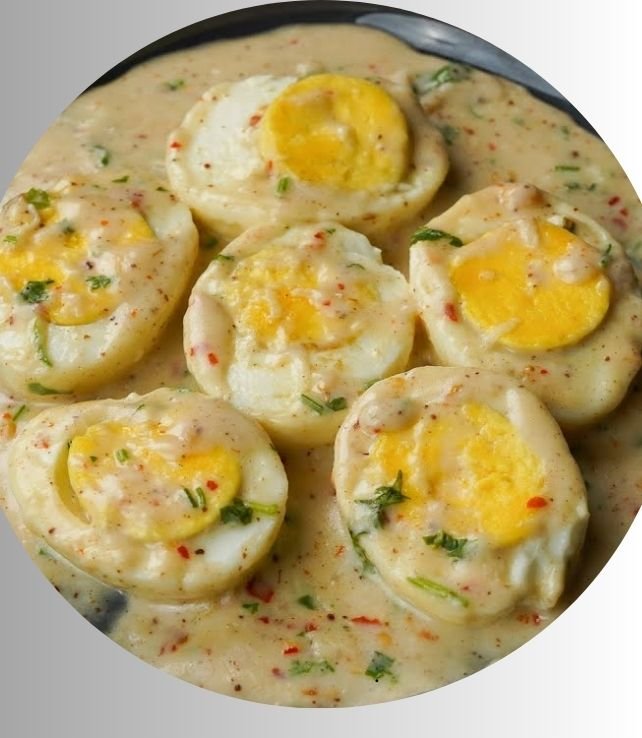
You have eggs. You have butter. You have garlic. These three simple items, present in nearly every kitchen, hold the potential for a meal that is far more than the sum of its parts. The process of transforming them into garlic butter eggs is straightforward, but the result feels like a small, personal luxury.
I recall a chilly morning in my grandmother’s kitchen, the air thick with the scent of browning butter and minced garlic. She wasn’t making an elaborate feast; she was preparing a quick, hot meal before the day’s work. That memory, of sustenance and simplicity, is what this recipe embodies. It is a lesson in how foundational ingredients, treated with respect, can create something deeply satisfying.
This guide provides a detailed method for making garlic butter eggs, but it also explores why this combination works so well. We will examine the nutritional profile, consider its place in various culinary traditions, and offer adaptations for different dietary needs. My goal is to provide you with all the context and knowledge to make this dish your own.
How to Make Garlic Butter Egg Recipe
This section details the core method for creating a perfect plate of garlic butter eggs. The technique focuses on controlling heat to properly cook the eggs while infusing them with the flavor of garlic cooked in butter. Follow these steps for a consistent result.
Recipe Details
- Prep Time: 5 minutes
- Cook Time: 5 minutes
- Servings: 1
- Course: Breakfast, Brunch, Light Meal
- Cuisine: French-inspired, American
- Diet: Vegetarian, Gluten-Free, Low-Carb
Ingredients
- 2 large eggs
- 2 tablespoons unsalted butter
- 1 large clove of garlic, minced
- 1 tablespoon whole milk or cream (optional)
- Salt, to taste
- Freshly ground black pepper, to taste
- 1 tablespoon chopped fresh parsley or chives (for garnish)
Instructions
- Crack the eggs into a small bowl. If using, add the milk or cream. Whisk vigorously for 30-45 seconds until the mixture is uniform and slightly frothy. Season lightly with salt and pepper.
- Place a non-stick skillet over low to medium-low heat. Add the butter. Once the butter has melted and begun to foam slightly, add the minced garlic.
- Cook the garlic, stirring constantly, for about 60-90 seconds. You want it to become fragrant and soften, but not take on any significant color. Browning garlic can introduce a bitter flavor.
- Increase the heat to medium. Pour the whisked eggs into the skillet. Let them sit undisturbed for 10-15 seconds until the edges just begin to set.
- Using a silicone spatula, gently push the set edges toward the center, tilting the pan to allow the uncooked egg to flow into the empty space. Continue this process, forming large, soft curds.
- When the eggs are mostly set but still slightly wet and glossy, remove the skillet from the heat. The residual heat will finish the cooking. Transfer to a plate immediately.
- Garnish with the chopped fresh herbs and an additional grind of black pepper. Serve immediately.
Nutrition
- Calories: 320 kcal
- Protein: 14 g
- Fat: 28 g
- Carbohydrates: 2 g
- Sugar: 0.5 g
- Fiber: 0.1 g
- Sodium: 220 mg
- Cholesterol: 450 mg
Note: Nutritional values are estimates based on specific ingredients used. Adding milk or cream will slightly alter the fat and calorie content.
Cooking Method
The primary method used here is scrambling, specifically the French technique for soft, creamy scrambled eggs. The key is low, gentle heat and constant, attentive stirring to form delicate curds. The garlic is first sautéed in the butter to infuse the cooking fat, ensuring its flavor permeates every bite of the egg.
Tools Needed
- 8 or 10-inch non-stick skillet
- Silicone spatula or wooden spoon
- Small mixing bowl
- Whisk or fork
- Measuring spoons
- Cutting board and knife for mincing garlic and herbs
Ingredient Analysis and Selection
Understanding each component allows you to make informed choices that elevate the final dish. The quality and treatment of these three primary ingredients directly determine the outcome.
The Egg: A Nutritional Powerhouse
An egg is a complete biological package. The yolk contains most of the vitamins, minerals, and healthy fats, including choline which is vital for brain health. The white is nearly pure protein. For this recipe, freshness is paramount. A fresh egg will have a thick, high-standing white and a rounded, firm yolk, which contributes to a richer, creamier texture when scrambled.
You may encounter choices like pasture-raised, organic, or omega-3 enriched. Pasture-raised eggs often have a deeper colored yolk due to a varied diet, which can influence flavor. The choice depends on your priorities regarding animal welfare and specific nutritional profiles.
Butter: The Flavor Conductor
Butter is not merely a cooking fat here; it is a core flavor ingredient. It consists of butterfat, water, and milk solids. The milk solids are what brown when heated, developing nutty notes. Using unsalted butter gives you complete control over the final seasoning level.
The temperature at which you cook the butter and garlic is critical. Melt it over gentle heat to separate the components without immediately burning the solids. European-style cultured butter, with a slightly higher fat content and tangy flavor, can add another layer of complexity to the dish.
Garlic: The Aromatic Foundation
The variety and preparation of garlic matter. A fresh, firm head of garlic will have a brighter, more potent flavor than one that has begun to sprout. Mincing the garlic finely ensures it disperses evenly and cooks quickly, preventing raw, harsh bites.
The moment garlic hits warm butter, a process called infusion begins. The fat-soluble flavor compounds in garlic dissolve into the butter, creating a unified, aromatic cooking medium. Cooking it just until fragrant is the goal; prolonged high-heat cooking will cause these compounds to break down and taste bitter.
Nutritional Science of the Dish
From a dietary perspective, this meal is a concentrated source of high-quality nutrients with a specific macronutrient profile.
The eggs provide a complete protein, meaning they contain all nine essential amino acids our bodies cannot produce. This makes them highly efficient for muscle repair and satiety. The fats from the egg yolks and butter are primarily saturated and monounsaturated. These fats are slow-digesting, which contributes to a prolonged feeling of fullness and provides a steady energy release, avoiding the rapid spike and crash associated with high-carbohydrate meals.
The dish is inherently very low in carbohydrates and sugar, making it suitable for individuals managing blood sugar levels. The significant cholesterol content, once a major concern, is now understood within a more nuanced context. For most people, dietary cholesterol has a much smaller effect on blood cholesterol levels than the intake of saturated and trans fats. The overall nutrient density of the eggs often outweighs concerns about cholesterol for healthy individuals.
To increase the micronutrient and fiber content without altering the character of the dish, consider serving it with a side of sautéed spinach or sliced tomatoes.
Dietary Adaptations and Variations
The basic framework of this recipe is adaptable to meet various dietary requirements and personal taste preferences.
For Dairy-Free or Vegan Diets
Replace the butter with a plant-based fat that has a similar flavor profile. A high-quality vegan butter substitute works well. For the eggs, a tofu scramble is the most effective alternative. Crumble firm tofu into the pan with the sautéed garlic. Use a pinch of turmeric for color and nutritional yeast or black salt (kala namak) to mimic the savory, slightly sulfurous notes of egg.
For Lower Fat or Calorie Considerations
You can use one whole egg and two egg whites to reduce the fat and cholesterol while maintaining protein volume. Substitute half the butter with a teaspoon of olive oil or use a light cooking spray to coat the pan before adding a reduced amount of butter. The texture will be slightly less rich, but the garlic flavor will remain central.
Flavor and Texture Variations
This recipe is a canvas. After adding the garlic, you could incorporate a handful of chopped mushrooms and cook until their moisture evaporates before adding the eggs. A spoonful of grated Parmesan or sharp cheddar cheese stirred in at the end creates a creamy, umami-rich version. For a spicy twist, add a pinch of red pepper flakes to the garlic as it sautés.
Cultural and Historical Context
While not a dish with a single, traceable origin, garlic butter eggs sit at an intersection of culinary traditions. The French technique of slow-scrambled eggs in butter is classic. Adding garlic pulls the dish toward the rustic, hearty cooking styles found across Mediterranean and Eastern European cuisines, where eggs are often cooked with onions, peppers, or garlic for a savory meal at any time of day.
In many cultures, eggs cooked in fat with alliums (like garlic or onions) represent efficient, peasant-style cooking—transforming humble, accessible ingredients into something nourishing and flavorful. This recipe is a modern, minimalist interpretation of that timeless principle.
Common Mistakes and Expert Techniques
Avoiding a few key errors will guarantee a superior texture and flavor every time.
Overcooking the Garlic
This is the most frequent error. Garlic burns easily. Once minced, it cooks very quickly in the hot butter. Watch it closely and remove the pan from the heat if it starts to brown too fast. The goal is a soft, pale gold color and a sweet aroma, not a dark brown and bitter taste.
Using Excessive Heat for the Eggs
High heat makes eggs tough and rubbery. Proteins in egg coagulate quickly; gentle heat allows them to set slowly, trapping tiny pockets of moisture and butter for a tender, creamy consistency. If your skillet is too hot, the eggs will cook on the outside almost instantly while remaining raw inside, forcing you to overcook them to achieve doneness.
Underseasoning and Improper Whisking
Season the egg mixture before it goes into the pan. Salt penetrates the eggs during cooking, seasoning them throughout. Whisking thoroughly is non-negotiable. It incorporates air and fully blends the yolk and white, which prevents streaks of white and yellow and leads to a uniform, light texture.
Serving, Pairing, and Storage Guidance
Garlic butter eggs are best served immediately. Their creamy texture is at its peak straight from the pan.
For a complete meal, consider the following pairings. A slice of whole-grain toast or a warm flour tortilla is excellent for scooping. A simple side of roasted asparagus or a light arugula salad with a lemon vinaigrette provides a fresh contrast. For a more substantial brunch, serve alongside roasted potatoes or a simple tomato salad.
Storage is not generally recommended, as scrambled eggs become watery and rubbery upon reheating. If you must store them, place them in an airtight container in the refrigerator for no more than one day. Reheat very gently in a skillet over low heat, adding a small pat of butter to help restore moisture.
The Science of Emulsification and Coagulation
Two key scientific processes are at work here. First, when you whisk the eggs, you are creating a temporary emulsion, suspending the fat from the yolk within the water-based whites. Adding milk or cream can make this emulsion slightly more stable.
Second, and more importantly, is protein coagulation. Egg proteins are long, coiled chains. When heat is applied, these chains unwind and bond together, forming a solid network—this is the egg setting. Gentle heat allows this network to form slowly, trapping liquid and fat within its structure, resulting in soft curds. High heat causes the proteins to bond too tightly and too quickly, squeezing out the liquid and creating a tough, dry mass.
The butter also plays a scientific role. As it melts and the eggs cook, the butterfat coats the coagulating protein strands, physically interfering with how tightly they can bind to each other. This fat lubrication is a primary reason why eggs cooked in butter are more tender than those cooked in oil alone.
Frequently Asked Questions
Can I use pre-minced jarred garlic?
You can, but the flavor will be less vibrant. Jarred garlic is often packed in water or acid to preserve it, which mellows its punch and can sometimes introduce a slight tang. For the best, freshest flavor, mincing a clove of garlic yourself is worth the extra minute.
Why do my eggs sometimes turn a grayish-green color?
This is a harmless chemical reaction that can occur when eggs are overcooked or held at a high temperature for too long. Iron from the yolk reacts with sulfur from the white, forming ferrous sulfide. Using gentle heat and removing the eggs from the pan while they are still slightly wet prevents this.
What is the purpose of adding milk or cream?
It is optional. The liquid introduces more water and fat into the egg mixture. During cooking, the water turns to steam, helping to create a fluffier texture, while the extra fat can contribute to a richer mouthfeel. It also slightly dilutes the proteins, which can make the curds more tender.
Is this recipe suitable for a ketogenic diet?
Yes, the standard recipe is inherently keto-friendly, being high in fat, moderate in protein, and very low in carbohydrates. Ensure any additions, like herbs, are low-carb and avoid serving with toast if strictly adhering to keto macros.
How can I make this recipe for multiple people?
Do not simply double or triple the ingredients in the same pan. Cook in batches. Overcrowding the skillet lowers the temperature too much, causing the eggs to steam and become watery. Use a larger skillet and cook one batch at a time, keeping the finished eggs warm in a low oven while you prepare the rest.
Can I use olive oil instead of butter?
You can, but the character of the dish will change significantly. Butter provides a specific richness and flavor that olive oil does not replicate. For a different but delicious result, use a good extra-virgin olive oil and expect a fruitier, more Mediterranean taste profile.
My eggs are always dry. What am I doing wrong?
The most likely cause is cooking over heat that is too high and for too long. Use a lower heat setting and remember that eggs continue to cook from residual heat after being removed from the pan. Take them off the heat when they still look slightly underdone.
