
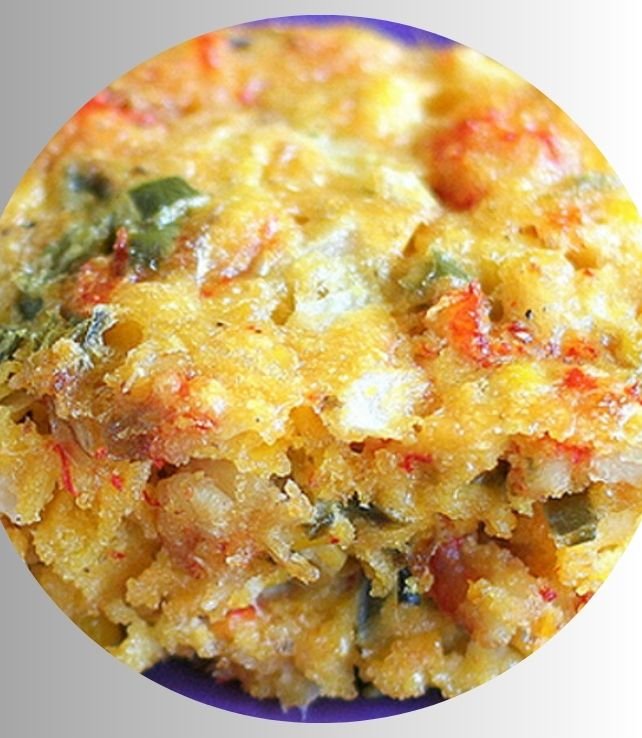
You have a pound of crawfish tails in your refrigerator, and the question of what to do with them is more complex than it seems. A simple étouffée is a classic, but you want something with more substance, a dish that can stand as the centerpiece of a meal. This is the problem I faced after a recent trip to Louisiana, a dilemma that led me back to a family recipe.
The solution, perfected over years, is this crawfish cornbread. It is a savory bread, a casserole, and a celebration of Gulf Coast flavors all in one dish. Below, you will find the complete method for creating it, followed by a detailed analysis of its ingredients, nutrition, and cultural significance.
How to Make Crawfish Cornbread Recipe
This section provides the complete formula for preparing the dish. I recommend reading through the entire article before you begin, as the subsequent sections contain insights that will help you understand the function of each ingredient and step.
Recipe Details
- Prep Time: 20 minutes
- Cook Time: 45 minutes
- Servings: 8
- Course: Side Dish, Main Course
- Cuisine: Cajun, Southern
- Diet: Nut-Free
Ingredients
- 1 pound crawfish tails, peeled and cooked
- 1 cup yellow cornmeal
- 1 cup all-purpose flour
- 1 tablespoon baking powder
- 1 teaspoon salt
- 1/2 teaspoon black pepper
- 1/2 teaspoon garlic powder
- 1/4 teaspoon cayenne pepper
- 1 large onion, finely diced
- 1 bell pepper, any color, finely diced
- 1 jalapeno pepper, seeded and minced
- 1 cup sharp cheddar cheese, shredded
- 2 large eggs
- 1 cup whole milk
- 1/2 cup vegetable oil
- 1 (8.5 ounce) can cream-style corn
- 4 tablespoons unsalted butter, melted
Instructions
- Preheat your oven to 375 degrees Fahrenheit. This temperature is high enough to create a good rise and a golden crust without burning the exterior before the center cooks.
- Grease a 9-inch by 13-inch baking dish or a 10-inch cast iron skillet thoroughly with butter or oil. A cast iron skillet will produce a crisper bottom and edges.
- In a large bowl, combine the dry ingredients: cornmeal, flour, baking powder, salt, black pepper, garlic powder, and cayenne. Use a whisk to ensure the leavening agent and seasonings are evenly distributed.
- In a separate bowl, whisk the eggs. Then, add the milk, vegetable oil, and cream-style corn, stirring until the mixture is just combined.
- Pour the wet mixture into the dry ingredient bowl. Stir with a spatula until the flour and cornmeal are moistened. A few lumps are acceptable; overmixing will result in a tough texture.
- Gently fold in the crawfish tails, diced onion, bell pepper, jalapeno, and shredded cheddar cheese. Ensure they are evenly distributed without overworking the batter.
- Transfer the batter to your prepared dish or skillet, spreading it into an even layer.
- Drizzle the melted butter evenly over the top of the batter. This step is crucial for achieving a rich, golden-brown crust.
- Bake for 40 to 45 minutes. The cornbread is done when the top is golden brown and a toothpick inserted into the center comes out clean.
- Remove from the oven and let it rest for at least 10 minutes before slicing. This allows the structure to set, making it easier to cut.
Nutrition
- Calories: 385 kcal
- Protein: 17 g
- Fat: 21 g
- Carbohydrates: 32 g
- Sugar: 4 g
- Fiber: 2 g
- Sodium: 480 mg
- Cholesterol: 125 mg
Cooking Method
The primary method used here is baking. This technique employs dry, circulating heat to cook the batter from the outside in. The heat causes the baking powder to produce carbon dioxide gas, making the bread rise. Simultaneously, the proteins in the eggs and flour coagulate, and the starches in the cornmeal gelatinize, setting the structure.
Tools Needed
- 9×13 inch baking dish or 10-inch cast iron skillet
- Two large mixing bowls
- Whisk
- Spatula
- Measuring cups and spoons
- Knife and cutting board
Ingredient Analysis and Selection
Every component in this recipe serves a specific purpose, from providing structure to delivering flavor. Understanding these roles allows for intelligent substitutions and better results.
Understanding Crawfish Tails
Crawfish, also known as crayfish or crawdads, are small freshwater crustaceans. Their tails contain sweet, delicate meat similar to lobster. Most home cooks use pre-cooked, peeled frozen crawfish tails, which are a practical and high-quality option. When you purchase them, look for tails that are plump and have a pinkish-orange color. Thaw them overnight in the refrigerator and drain any excess liquid before use to prevent the batter from becoming soggy.
The Foundation: Cornmeal and Flour
This recipe uses a combination of cornmeal and all-purpose flour. Cornmeal provides the distinctive gritty texture and robust, toasty flavor characteristic of Southern cornbread. All-purpose flour adds gluten, which gives the bread a softer, cakier crumb and helps it hold together. Using only cornmeal would result in a very crumbly product. The balance between the two creates the ideal texture.
The Role of Fats: Oil and Butter
Vegetable oil is incorporated into the batter to tenderize the gluten strands and ensure a moist crumb. The melted butter drizzled on top before baking serves a different function. It promotes browning through the Maillard reaction and creates a rich, flavorful crust. Using only butter in the batter can sometimes lead to a denser texture, which is why oil is preferred for the internal fat.
Vegetable Aromatics and Heat
The holy trinity of Cajun and Creole cooking—onion, bell pepper, and celery—is partially represented here with onion and bell pepper. These vegetables add moisture, sweetness, and aromatic depth. The jalapeno introduces a mild, fresh heat. For a milder dish, remove the seeds and ribs from the jalapeno thoroughly. For more heat, leave some in or add a second pepper.
Cheese and Cream-Style Corn
Sharp cheddar cheese contributes fat, protein, saltiness, and a tangy flavor that complements the sweet crawfish. Its umami quality enhances the overall savoriness of the dish. Cream-style corn is a key ingredient for moisture. It is simply corn kernels that have been scraped from the cob along with their natural milky pulp, creating a thick, creamy base that keeps the cornbread from drying out.
Nutritional Breakdown
From a dietary perspective, this dish is a balanced source of several macronutrients and micronutrients. It is a substantial food, best enjoyed as part of a meal.
Macronutrient Profile
The primary source of carbohydrates is the cornmeal and flour, providing energy. The crawfish and cheese are excellent sources of high-quality protein, which is essential for muscle repair and satiety. The fats come from the oil, butter, cheese, and egg yolks. These fats are necessary for absorbing fat-soluble vitamins and contribute to the feeling of fullness after eating.
Micronutrients and Sodium
Crawfish are notably rich in Vitamin B12, which is crucial for nerve function, and minerals like selenium and zinc. They are also a good source of iron. However, like many prepared and preserved seafood products, they can contain significant sodium. The added salt and cheese further contribute to the sodium content. Individuals monitoring their sodium intake can reduce the added salt and use a low-sodium cheese.
Dietary Fiber Content
The fiber in this recipe comes from the cornmeal, vegetables, and flour. While not a high-fiber food, it provides a modest amount that aids digestion. Using a whole-grain cornmeal can increase the fiber content slightly.
Dietary Adaptations
This recipe is versatile and can be modified to suit various dietary needs without sacrificing its core character.
Gluten-Free Version
To make this cornbread gluten-free, replace the all-purpose flour with a gluten-free all-purpose flour blend that includes a binder like xanthan gum. The measurements are typically a 1:1 substitution. The texture may be slightly more delicate.
Dairy-Free and Vegan Variations
For a dairy-free version, substitute the cheddar cheese with a plant-based alternative that melts well. Use unsweetened almond or oat milk in place of whole milk, and replace the butter with a vegan butter or additional oil. A vegan version requires further changes: replace the eggs with a flax egg (1 tbsp ground flaxseed mixed with 3 tbsp water per egg) and omit the crawfish, perhaps using sautéed mushrooms and chopped artichoke hearts for a similar texture and umami flavor.
Lower-Fat and Lower-Calorie Options
To reduce the fat and calorie content, you can use low-fat milk and reduce the cheese by half. You can also cut the oil down to 1/3 cup, though the final product will be slightly less moist. Using an egg substitute or two egg whites in place of one whole egg can lower the cholesterol.
Cultural and Historical Context
Crawfish cornbread is a dish born from the resourcefulness of Southern and Cajun cuisine. Crawfish farming, or aquaculture, became a major industry in Louisiana in the mid-20th century, transforming a foraged food into a staple. This recipe represents a fusion of two Southern pillars: cornbread, a simple bread with Native American origins, and crawfish, a beloved regional ingredient.
It is a dish commonly found at community gatherings, potlucks, and family suppers. It elevates humble cornbread into a hearty, protein-rich dish that can feed a crowd. It shares a culinary DNA with other cornbread-based casseroles, like those made with ground beef or sausage, but the use of crawfish firmly roots it in the bayou country.
Common Mistakes and Expert Tips
Avoiding a few common errors will ensure your cornbread turns out perfectly every time.
Overmixing the Batter
The most frequent mistake is overmixing the batter once the wet and dry ingredients are combined. When flour is mixed with liquid, gluten begins to develop. Overmixing creates a strong gluten network, which results in a tough, chewy bread with tunnels running through it. Mix just until the dry ingredients are moistened.
Incorrect Oven Temperature
An oven that is not properly preheated or is at the wrong temperature can cause several issues. Too low, and the bread will not rise properly and may be greasy. Too high, and the outside will burn before the inside is cooked. I recommend using an oven thermometer to verify the accuracy of your oven’s thermostat.
Not Preparing the Pan
Failing to grease the baking dish adequately will cause the cornbread to stick and tear when you try to remove it. For a cast iron skillet, a generous coating of butter or oil is essential. You can also preheat the greased skillet in the oven for a few minutes before adding the batter to create an instantly crispy bottom crust.
Using Cold Ingredients
Using eggs and milk straight from the refrigerator can cause the melted butter to solidify when mixed in, leading to an uneven batter. For a more homogenous mixture and better rise, let your cold ingredients sit on the counter for 20-30 minutes before you begin.
Serving, Pairing, and Storage
This cornbread is versatile enough to be the star of the show or a supporting player in a larger meal.
What to Serve With Crawfish Cornbread
It pairs wonderfully with a light, acidic salad to cut through its richness. A simple arugula salad with a lemon vinaigrette is an excellent choice. For a traditional Louisiana meal, serve it alongside a bowl of red beans and rice or a robust gumbo. The cornbread can be used to soak up the flavorful sauces.
Storage and Reheating Instructions
Once completely cooled, store leftovers in an airtight container in the refrigerator for up to 3 days. To reheat, place individual slices on a baking sheet in a 350-degree Fahrenheit oven for 10-15 minutes until warm. This method restores the crust’s texture better than a microwave, which can make it rubbery.
You can also freeze the cornbread for up to 2 months. Wrap it tightly in plastic wrap and then in aluminum foil. Thaw in the refrigerator overnight before reheating.
Frequently Asked Questions
What is the best way to thaw frozen crawfish tails?
The safest method is to transfer them from the freezer to the refrigerator and let them thaw overnight. For a quicker method, place the sealed bag in a bowl of cold water, changing the water every 30 minutes until thawed. Do not use hot water or thaw at room temperature, as this can promote bacterial growth.
Can I use fresh corn instead of cream-style corn?
Yes, but the texture and moisture content will differ. Use the kernels from about two ears of fresh sweet corn. You will need to add an additional 1/4 cup of milk or buttermilk to the batter to compensate for the lost moisture from the cream-style corn.
My cornbread is too crumbly. What went wrong?
Excessive crumbliness is often due to too much cornmeal relative to flour, not enough egg or fat to bind the ingredients, or undermixing. Ensure you are following the ingredient ratios precisely and mixing until the batter is just combined.
Can I make this recipe as muffins instead?
Absolutely. Divide the batter evenly into a greased 12-cup muffin tin. The baking time will be shorter, typically 18-22 minutes at the same temperature. Check for doneness with a toothpick.
Is it necessary to use a cast iron skillet?
No, it is not necessary, but it is highly recommended. Cast iron provides superior heat retention and distribution, which promotes a crisp, brown crust on the bottom and sides. A standard 9×13 inch glass or metal baking dish works perfectly well.
How can I tell when the crawfish cornbread is fully cooked?
The most reliable method is the toothpick test. Insert a wooden toothpick or a thin knife into the center of the bread. If it comes out clean, with no wet batter clinging to it, the bread is done. The edges should also be pulling away slightly from the sides of the pan, and the top should be golden brown.
What can I use if I don’t have jalapeno peppers?
You can omit them for a completely mild cornbread. For a different kind of heat, use a 1/4 teaspoon of crushed red pepper flakes. Alternatively, a diced poblano pepper can provide a very mild, earthy flavor without significant spiciness.
