
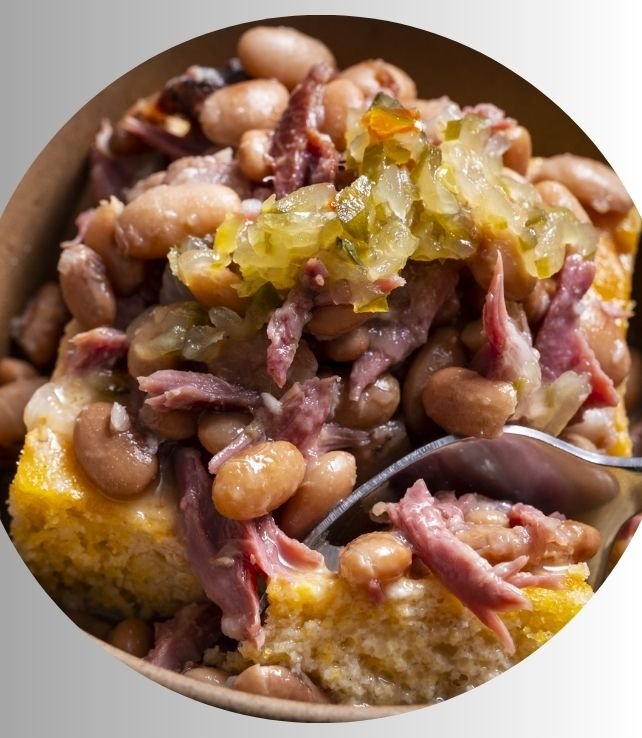
There is a particular feeling of satisfaction that comes from a meal that is both profoundly simple and deeply nourishing. You might be looking for a way to stretch your grocery budget without sacrificing flavor, or perhaps you seek a dish that feels like a warm embrace at the end of a long day. This combination of beans and cornbread has been the answer for generations.
This recipe provides a complete guide to preparing a classic meal of stove-top pinto beans and a skillet of cornbread. The process is straightforward, but the result is a dish with layers of flavor developed through slow simmering. I will guide you through each step, from selecting your beans to achieving the perfect golden-brown crust on your bread.
In my own kitchen, the scent of onions and garlic softening in a pot is a direct link to my grandmother’s house. She could make a pot of beans feel like a feast, and that is the spirit I want to share with you here. This is more than a list of ingredients; it is a method for creating a staple meal that sustains both body and soul.
How to Make Beans and Cornbread Recipe
This section details the complete method for preparing the beans and cornbread simultaneously, allowing you to coordinate your cooking for a meal that is ready at the same time. The beans require a longer, unattended cooking period, so you will begin them first and prepare the cornbread batter while they simmer.
Recipe Details
- Prep Time: 20 minutes (plus overnight soaking)
- Cook Time: 2 hours 30 minutes
- Servings: 6
- Course: Main Course
- Cuisine: American, Southern
- Diet: Vegetarian
Ingredients
- For the Pinto Beans:
- 1 pound dried pinto beans
- 1 large yellow onion, diced
- 3 cloves garlic, minced
- 1 tablespoon neutral oil or shortening
- 8 cups water
- 1 teaspoon black pepper
- 2 teaspoons salt
- For the Cornbread:
- 1 ½ cups coarse-ground cornmeal
- ½ cup all-purpose flour
- 1 tablespoon baking powder
- 1 teaspoon salt
- 1 ¼ cups milk
- 1 large egg
- ¼ cup neutral oil or melted shortening, plus 1 tablespoon for the skillet
Instructions
- Begin the beans by sorting through them to remove any small stones or debris. Rinse them thoroughly in a colander.
- Place the cleaned beans in a large pot and cover with several inches of cold water. Allow them to soak for at least 8 hours or overnight. Drain and rinse before cooking.
- In the same large pot, heat one tablespoon of oil or shortening over medium heat. Add the diced onion and cook until translucent, about 5 minutes. Add the minced garlic and cook for one more minute.
- Add the drained beans and 8 cups of fresh water to the pot. Bring to a vigorous boil for 10 minutes, then reduce the heat to a low, steady simmer.
- Partially cover the pot and let the beans simmer for 1 ½ to 2 hours, stirring occasionally. They are done when tender and the broth has thickened slightly.
- Stir in the salt and pepper during the last 30 minutes of cooking.
- While the beans are simmering, prepare the cornbread. Preheat your oven to 425°F (220°C).
- Place a 9-inch or 10-inch cast iron skillet inside the oven to heat up for at least 10 minutes.
- In a large bowl, whisk together the cornmeal, flour, baking powder, and salt.
- In a separate bowl, beat the egg and then whisk in the milk and ¼ cup of oil.
- Pour the wet ingredients into the dry ingredients and stir with a wooden spoon until just combined. Do not overmix; a few lumps are acceptable.
- Carefully remove the hot skillet from the oven. Add the remaining tablespoon of oil to the skillet, swirling to coat the bottom and sides.
- Immediately pour the batter into the hot skillet. It should sizzle as it hits the pan.
- Bake for 20-25 minutes, or until the top is golden brown and a toothpick inserted into the center comes out clean.
- Allow the cornbread to cool in the skillet for 10 minutes before slicing. Serve alongside the hot pinto beans.
Nutrition
- Calories: 485 kcal
- Protein: 18 g
- Fat: 14 g
- Carbohydrates: 75 g
- Sugar: 5 g
- Fiber: 12 g
- Sodium: 890 mg
- Cholesterol: 35 mg
Cooking Method
The primary method for the beans is stove-top simmering. This gentle, moist-heat cooking breaks down the beans’ complex sugars and starches, making them digestible and allowing their flavor to infuse the cooking liquid. The cornbread utilizes a dry-heat method, baked in a preheated cast iron skillet. This technique creates a crisp, browned edge and a soft, tender interior.
Tools Needed
- Large stockpot or Dutch oven with a lid
- 10-inch cast iron skillet
- Mixing bowls (one large, one medium)
- Colander
- Measuring cups and spoons
- Wooden spoon or spatula
- Whisk
The Nutritional Power of a Simple Meal
From a dietary perspective, this meal is a remarkable example of complementary nutrition. The individual components are good on their own, but together they create a complete and balanced plate that provides sustained energy and essential nutrients.
Analyzing the Core Ingredients
Pinto Beans: A Staple of Sustenance
Pinto beans are a variety of common bean, easily identified by their beige background with brown speckles. When cooked, they turn a uniform pinkish-brown color. They are a foundational food in many cultures due to their affordability and dense nutritional profile.
They are an excellent source of plant-based protein and dietary fiber. The fiber content, particularly soluble fiber, helps moderate blood sugar levels and supports digestive health. These legumes are also rich in essential minerals. A single serving provides a significant amount of iron, which is crucial for oxygen transport in the blood, as well as magnesium and potassium.
Cornmeal: More Than Just Carbohydrates
The type of cornmeal you select impacts the final texture of your bread. Coarse-ground cornmeal provides a more rustic, gritty texture that many people prefer, while finely ground meal yields a softer crumb. From a health standpoint, whole-grain cornmeal retains the bran and germ, offering more fiber and nutrients than degerminated varieties.
Cornmeal is naturally gluten-free and serves as a complex carbohydrate, meaning it releases energy slowly. It contains carotenoids, which are antioxidants beneficial for eye health. When combined with the beans, the amino acids in corn help form a more complete protein profile.
How the Combination Works in Your Body
The synergy between the beans and cornbread is what makes this meal so effective. Beans are rich in lysine, an essential amino acid that is limited in corn. Conversely, corn contains methionine, which is less abundant in beans. When eaten together, they provide all the essential amino acids your body needs to build and repair tissue.
The high fiber content from both elements slows down digestion, preventing rapid spikes in blood sugar and promoting a long-lasting feeling of fullness. This makes the meal an excellent choice for managing appetite and supporting metabolic health.
Cultural and Historical Roots
This dish is deeply woven into the fabric of American, particularly Southern and Appalachian, food history. It emerged not from haute cuisine, but from necessity and resourcefulness. For farming families and communities with limited means, dried beans and corn were crops that could be stored through the winter, providing a reliable food source.
The cornbread served with beans is historically different from the sweet, cake-like versions popular today. Traditional Southern cornbread was made with little to no wheat flour and no sugar, relying on stone-ground cornmeal, buttermilk, and fat for flavor. It was cooked in a cast iron skillet, often with a spoonful of fat rendered from salt pork or bacon.
This meal is a clear example of soul food—a cuisine that transforms humble ingredients into something deeply flavorful and comforting. It represents home, resilience, and the ability to create nourishment and community around a simple, shared pot.
Selecting and Preparing Your Ingredients
The quality of your final dish is directly linked to the choices you make at the market and in your preparation. A little attention at the start makes a significant difference in the outcome.
Choosing the Right Beans
While this recipe specifies pinto beans, you have a wide variety of options. Navy beans, great northern beans, or black-eyed peas can all be used with excellent results. The cooking time may vary slightly. Always purchase dried beans from a store with good product turnover to ensure they haven’t been on the shelf for years, which can lead to longer cooking times and a tougher texture.
Before cooking, you must sort and rinse the beans. Spread them on a clean surface and look for any small stones, clumps of dirt, or broken beans. A quick rinse under cool water removes any dust.
The Importance of the Soaking Step
Soaking the beans serves several purposes. It rehydrates them, which reduces the overall cooking time. More importantly, it helps dissolve some of the complex sugars called oligosaccharides that can cause digestive discomfort. For a quick-soak method, cover the sorted and rinsed beans with water in a pot, bring to a boil for 2 minutes, then remove from the heat, cover, and let stand for one hour. Drain and proceed with the recipe.
Building a Flavor Foundation
The step of sautéing the onion and garlic in fat is not one to skip. This process, called sweating, softens their cell walls and mellows their pungent flavors, creating a sweet, aromatic base for the entire pot of beans. Using a fat like shortening or a neutral oil provides a medium for heat transfer and helps carry the flavors throughout the dish.
Dietary Adaptations and Variations
This recipe is inherently adaptable. Whether you are catering to specific dietary needs or simply want to experiment with different flavors, you can easily modify the core formula.
Vegan and Dairy-Free Version
To make the entire meal vegan, use a plant-based milk, such as unsweetened soy or oat milk, in the cornbread. The egg can be replaced with a “flax egg” (1 tablespoon ground flaxseed mixed with 3 tablespoons water, left to thicken for 5 minutes). For the beans, the recipe is already vegan as written. You can add a teaspoon of smoked paprika to replicate the smoky depth a ham hock would provide.
Gluten-Free Adaptation
Cornbread is naturally a good candidate for a gluten-free meal. Simply ensure your cornmeal is certified gluten-free, as cross-contamination can occur during processing. Replace the half-cup of all-purpose flour with a gluten-free flour blend or with an additional half-cup of cornmeal for a more dense and traditional texture.
Adding Meat for Depth
The most classic addition to the pot of beans is a ham hock. Add it to the pot along with the beans and water. As it simmers, it will release gelatin, fat, and a deep, smoky, salty flavor into the broth. Remove the hock after cooking, let it cool, then pick off the meat and stir it back into the beans. You can also use a few strips of chopped bacon, cooked in the pot before you sauté the onions.
Common Mistakes and How to Avoid Them
Many potential issues can be sidestepped with a few pieces of key knowledge. Here are the pitfalls I have encountered and learned to avoid.
Salting the Beans Too Early
A common belief is that adding salt at the beginning of cooking will make the beans tough. While this is debated, the science suggests that salt can slow the absorption of water. I find that adding salt during the last 30 minutes of cooking allows the beans to fully soften first, and then they can absorb the seasoned liquid perfectly.
Overmixing the Cornbread Batter
When combining the wet and dry ingredients for your bread, stir only until the flour is moistened. Overmixing develops the gluten in the wheat flour, leading to a tough, dense bread with tunnels running through it. A lumpy batter is a sign of a light and tender final product.
Using a Cold Skillet
The preheated cast iron skillet is non-negotiable for the best cornbread. A hot pan creates an instant sear on the bottom of the batter, resulting in a crisp, flavorful crust that cannot be achieved in a cold pan. The sizzle when the batter hits the oil is the sound of success.
Insufficient Simmering Time
Beans require patience. A rapid, rolling boil will cause the skins to split and the interior to remain hard. A low, gentle simmer is essential for creamy, tender beans. If your beans are still firm after the suggested cooking time, they may be old. Simply continue simmering and checking every 15 minutes until they reach the desired tenderness.
Serving, Storage, and Reheating
This meal is excellent fresh from the pot and skillet, but it also stores and reheats beautifully, often tasting even better the next day as the flavors continue to meld.
How to Serve Your Meal
The traditional way to serve is to spoon a generous portion of beans into a bowl, with a slice of cornbread on the side or broken up into the beans. Some people enjoy a pat of butter melting into the hot bread or a dash of hot sauce or pepper vinegar sprinkled over the beans for a tangy kick. A simple side of braised greens complements the meal perfectly.
Storing Leftovers
Allow both the beans and the cornbread to cool completely to room temperature. Store the beans in an airtight container in the refrigerator for up to 5 days. The cornbread should be wrapped tightly in plastic wrap or stored in a zip-top bag at room temperature for 2 days, or in the refrigerator for up to 5 days.
Reheating for Best Quality
Reheat beans gently on the stove over low heat, adding a splash of water if they have thickened too much. The cornbread can be refreshed in a toaster oven or a conventional oven at 350°F (175°C) for 5-10 minutes. This will restore its crisp exterior. Microwaving the cornbread will make it soft and steamy.
The Science of Simmering and Baking
Understanding the basic science behind the cooking processes can help you become a more intuitive cook.
When beans are simmered, the heat and water work to break down the pectin in their cell walls. This is what transforms them from hard pellets into a soft, creamy texture. The starches inside the beans gelatinize and thicken the surrounding liquid, creating a rich broth.
In the cornbread, the baking powder is a chemical leavening agent. It contains a base (baking soda) and an acid (usually cream of tartar). When mixed with the liquid in the batter, a reaction occurs that produces carbon dioxide bubbles. The heat of the oven then causes these bubbles to expand, making the bread rise and become light and porous.
Frequently Asked Questions
Do I have to soak the beans overnight?
While soaking is recommended for even cooking and improved digestibility, it is not strictly mandatory. Unsoaked beans will simply require a longer cooking time on the stove, potentially an additional 30 to 60 minutes.
Can I use canned pinto beans instead of dried?
Yes, you can use canned beans for a faster preparation. You will need about three 15-ounce cans. Drain and rinse them, then add them to the sautéed onions and garlic with just 1 to 2 cups of water or vegetable broth. Simmer for only 20-30 minutes to allow the flavors to combine.
My cornbread is too crumbly. What went wrong?
Crumbly cornbread is often the result of not enough liquid or fat in the batter, or using exclusively coarse-ground cornmeal without any flour. The small amount of wheat flour in this recipe provides gluten, which acts as a binder. Ensuring you have the correct measurements of milk and oil will also help.
Why did my beans not get soft?
The most common reason for beans that refuse to soften is the age of the dried beans. Older beans have undergone more starch crystallization and will take much longer to cook, or may never fully soften. Always buy from a source with high turnover. Hard water or acidic ingredients (like tomatoes) added too early can also inhibit softening.
Can I cook this entire meal in a slow cooker?
Absolutely. After sorting and rinsing, combine the soaked beans, onion, garlic, and water in a slow cooker. Cook on low for 6-8 hours, or on high for 3-4 hours, until tender. Add the salt and pepper in the last hour of cooking. The cornbread must still be baked in an oven.
Is this a healthy meal for weight management?
Yes, this meal can be an excellent part of a
