
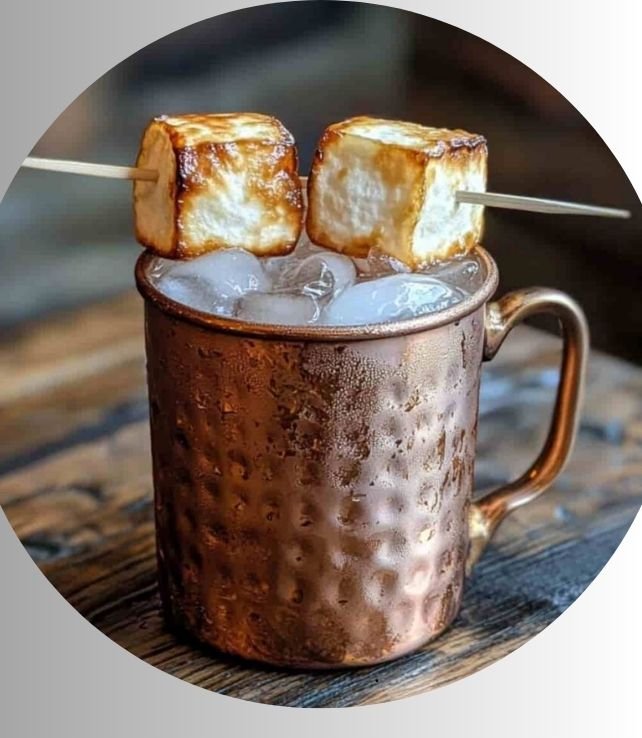
You know that feeling when you want something cold, sharp, and refreshing, but a standard cocktail or soda feels too simple? I was in that exact spot last summer, rummaging through a cooler at a lakeside cabin. The classic Moscow Mule was on my mind, but the setting called for something with a deeper, more aromatic kick. That’s when I decided to swap the traditional vodka for cold brew coffee concentrate, creating a drink that has become a staple in my home: the Campfire Mule.
This recipe is a bold, non-alcoholic twist on the classic. It combines the spicy bite of ginger beer with the rich, smooth depth of cold brew coffee, finished with the bright zing of fresh lime. The result is a complex, invigorating drink that stands on its own as a sophisticated alternative to sugary sodas or an afternoon pick-me-up. It’s surprisingly simple to assemble, but the flavor profile is anything but basic.
As a dietician and culinary enthusiast, I was immediately drawn to its balance. The natural sugars from the ginger beer provide quick energy, while the caffeine from the cold brew offers a sustained, jitter-free lift. It’s a functional drink that doesn’t compromise on taste. In this guide, I’ll walk you through every step, from selecting the perfect coffee beans to mastering the pour, and explain the nutritional science that makes this more than just a tasty beverage.
How to Make Campfire Mules Recipe
This is the core method I use and have refined through many batches. The key is treating each component with care before they come together in the glass.
Recipe Details
- Prep Time: 10 minutes (plus 12-24 hours for cold brew)
- Cook Time: 0 minutes
- Servings: 2
- Course: Beverage
- Cuisine: American Fusion
- Diet: Vegan, Gluten-Free (check ginger beer label)
Ingredients
- 1 cup high-quality cold brew coffee concentrate
- 12 oz (1 ½ cups) strong, spicy ginger beer
- Juice of 1 large lime (about 2 tablespoons)
- Ice cubes, preferably made from filtered water
- Optional for garnish: lime wheels, candied ginger, fresh mint sprigs
Instructions
- Prepare your glasses. Take two copper mugs or highball glasses and fill them to the brim with ice cubes. The copper mug is traditional for mules and helps keep the drink colder for longer.
- Add the cold brew concentrate. Pour ½ cup of cold brew concentrate over the ice in each glass.
- Add the lime juice. Squeeze fresh lime juice directly into each glass, aiming for about 1 tablespoon per serving.
- Top with ginger beer. Slowly pour 6 oz of ginger beer into each glass, allowing it to mix with the coffee and lime as it cascades over the ice.
- Garnish and serve. Gently stir once with a long spoon. Garnish with a lime wheel on the rim or a piece of candied ginger dropped into the drink. Serve immediately with a straw.
Nutrition
- Calories: 120 kcal
- Protein: 1 g
- Fat: 0 g
- Carbohydrates: 30 g
- Sugar: 28 g (naturally occurring from ginger beer and lime)
- Fiber: 0 g
- Sodium: 25 mg
- Cholesterol: 0 mg
Note: Nutritional values are estimates per serving and can vary significantly based on the specific brands of ginger beer and cold brew concentrate used. Using a diet or low-sugar ginger beer will drastically reduce carbohydrate and sugar content.
Cooking Method
This is a no-cook, assembly-style recipe. The primary “cooking” involved is the preparation of the cold brew coffee concentrate, which uses a steeping method. The final drink is built directly in the serving glass, relying on the order of ingredients and the ice to facilitate proper mixing and chilling without dilution.
Tools Needed
- Two 16-oz copper mugs or highball glasses
- Juicer or reamer for fresh lime juice
- Jigger or measuring cup for accuracy
- Long cocktail spoon for gentle stirring
- Sharp knife and cutting board for garnishes
- Equipment for making cold brew: a large jar and a fine-mesh sieve, cheesecloth, or a dedicated cold brew maker.
Deconstructing the Ingredients: A Guide to Quality
The magic of this drink lies in the synergy of three simple components. Choosing high-quality versions of each will transform the final result from good to exceptional.
The Coffee: Heart and Soul of the Drink
Cold brew concentrate is non-negotiable. Its smooth, low-acidity profile is essential. Hot-brewed coffee, when cooled, often becomes unpleasantly bitter and acidic when mixed with the other ingredients.
You can buy a quality concentrate, but making your own allows for complete control. I use a 1:4 coffee-to-water ratio by weight for my concentrate. For example, 100 grams of coarsely ground coffee to 400 grams of cold, filtered water. Steep for 18-24 hours in the refrigerator, then strain.
Choosing Your Coffee Beans
The bean’s origin and roast dictate the drink’s character. A medium roast from Latin America (like Colombia or Brazil) often yields notes of nuts, chocolate, and mild citrus, which pair beautifully with lime and ginger. A darker roast will introduce deeper, smokier notes that can evoke the “campfire” feeling more literally but may overshadow the other flavors. I avoid light, fruity African roasts for this application, as their bright acidity can clash with the ginger beer.
The Ginger Beer: The Spicy Backbone
This is not ginger ale. Authentic ginger beer is brewed and fermented, containing real ginger root, which provides a potent, spicy, and sometimes peppery kick. The carbonation is also typically more vigorous.
When selecting a brand, read the label. The ingredient list should start with water, sugar, and ginger. Avoid those with “ginger flavor” or high-fructose corn syrup as a primary ingredient. The spice level is personal; some brands are fiery, others are milder. For this recipe, a stronger, spicier ginger beer creates a better balance against the robust coffee.
The Lime: Essential Acidity
Fresh lime juice is the only option. Bottled lime juice contains preservatives and lacks the vibrant, floral top notes of fresh citrus. The acidity from the lime cuts through the sweetness of the ginger beer and the richness of the coffee, lifting all the flavors and preventing the drink from tasting flat or syrupy. Roll the lime firmly on your countertop before cutting and juicing to maximize yield.
Nutritional Science and Functional Benefits
From a dietary perspective, this drink is an interesting case study in functional ingredients. When we look past the basic macronutrients, we find components that actively interact with our physiology.
The caffeine in cold brew is absorbed steadily, partly due to the presence of other compounds in the coffee and the cooling effect of the drink itself. This can lead to a more gradual increase in alertness compared to a hot cup of coffee, potentially reducing the likelihood of a caffeine crash.
Real ginger, found in quality ginger beer, contains gingerol, a bioactive compound with well-documented anti-inflammatory and gastrointestinal soothing properties. The combination of caffeine and ginger can be a potent, natural remedy for morning sluggishness or an afternoon slump.
However, the primary nutritional consideration is sugar. A standard serving contains a significant amount, almost entirely derived from the ginger beer. For those monitoring sugar intake, this is the component to modify. Using a diet ginger beer made with stevia or monk fruit can reduce the sugar content to nearly zero while maintaining the spicy ginger flavor. The lime and coffee provide enough complexity to carry the drink.
Adapting for Dietary Needs and Preferences
This recipe is inherently vegan and gluten-free, but always verify your ginger beer label, as some brewing processes may use gluten-containing grains or honey.
Low-Sugar and Keto Adaptation
Replace the regular ginger beer with a sugar-free, naturally sweetened version. Zevia Ginger Beer (sweetened with stevia) or a homemade ginger tea sweetened with a keto-friendly syrup like allulose or erythritol, then carbonated with a soda siphon, are excellent options. The nutritional profile then shifts to under 5 grams of carbohydrates per serving.
Dairy or Cream Addition
While not traditional, some enjoy a creamier texture. For a “Dirty Campfire Mule,” add a tablespoon of full-fat coconut milk or oat milk creamer to each glass after the cold brew. It creates a layered, almost dessert-like effect, mellowing the spice and adding a velvety mouthfeel.
Historical Context and Modern Evolution
The Moscow Mule was invented in 1941 in Los Angeles, a collaboration between a vodka distributor and a ginger beer producer. It was famously served in a copper mug, which became its signature. This recipe is a direct descendant, part of a modern wave of “mocktail” culture that prioritizes complex, adult flavors without alcohol.
The substitution of coffee for spirits is a natural progression, reflecting a growing desire for daytime, functional beverages that feel special. It sits alongside other coffee-based mocktails like the espresso tonic, bridging the gap between the coffee shop and the cocktail bar. In my own testing, I found that the robust body of cold brew could stand up to the intensity of ginger beer in a way that tea or juice often could not, creating a new category entirely.
Expert Techniques and Common Errors
After making dozens of these, I’ve identified the pitfalls that can undermine your results.
Mistake 1: Using Hot or Iced Coffee
Hot coffee, even when cooled, has a different chemical profile. The heat extracts more acidic compounds and tannins, which become harsh and astringent when chilled. Iced coffee is typically hot-brewed at double strength and poured over ice, which can dilute it and still carry that acidic edge. True cold brew, steeped in cold water for an extended period, is fundamentally smoother and less acidic, making it the only correct choice.
Mistake 2: Neglecting the Order of Operations
Always build the drink in this order: ice, cold brew, lime, then ginger beer. Adding the ginger beer last allows its carbonation to mix the ingredients naturally as it pours in. If you stir too aggressively after adding the ginger beer, you’ll lose the precious carbonation that gives the drink its lively texture.
Mistake 3: Skimping on Ice
Use large, solid ice cubes that melt slowly. A glass full of ice chills the ingredients instantly and minimizes dilution as you drink. Small or crushed ice will melt too quickly, watering down the bold flavors of coffee and ginger.
Serving, Pairing, and Storage Instructions
This drink is best served immediately. The vibrant carbonation and the contrast between the cold liquid and the spicy aroma are at their peak right after preparation.
For food pairings, consider it like you would an iced coffee or a spicy soda. It works well with brunch items like a savory quiche or eggs Benedict, cutting through rich hollandaise sauce. In the afternoon, it complements a simple dark chocolate cookie or a slice of gingerbread, playing on complementary flavors.
Storage is only relevant for the components. Cold brew concentrate will keep in an airtight container in the refrigerator for up to two weeks. Fresh lime juice can be squeezed ahead and kept refrigerated for 24 hours, though some brightness will fade. The completed drink does not store well; the ginger beer will go flat and the ice will melt, creating a diluted mixture.
Frequently Asked Questions
Can I use regular brewed coffee instead of cold brew?
I do not recommend it. Regular coffee, when cooled, becomes unpleasantly bitter and acidic in this context. The smooth, low-acid profile of cold brew concentrate is essential for a balanced, drinkable result.
What is the best ginger beer brand for this recipe?
Look for brands that use real ginger and have a pronounced spice level. Fever-Tree Ginger Beer, Reed’s Extra Ginger Brew, or Q Ginger Beer are reliable choices that provide the necessary fiery kick to stand up to the coffee.
How can I make a caffeine-free version?
Use a high-quality decaffeinated coffee bean to make your cold brew concentrate. The decaffeination process has advanced significantly, and many decaf beans now retain excellent flavor, perfect for this application.
My drink tastes too sweet. How can I fix it?
Your ginger beer is likely the culprit. Next time, choose a drier, spicier brand with less sugar. For the current drink, you can add a small squeeze of additional fresh lime juice to increase acidity and balance the sweetness.
Can I prepare a large batch for a party?
You can mix the cold brew concentrate and lime juice in a pitcher ahead of time. Keep it chilled. Do not add the ginger beer or ice until you are ready to serve individual glasses. Pour the coffee-lime mixture over ice in each guest’s glass, then top with ginger beer.
Is the copper mug necessary?
While not necessary, it is beneficial. The copper is an excellent conductor of temperature, keeping the drink colder for longer than a glass would. It also has become the traditional vessel for mules, adding to the aesthetic experience.
How does this differ from an Iced Coffee Loophole or similar viral drink?
Drinks like the “Iced Coffee Loophole” often focus on combining coffee with supplements or specific ingredients for metabolic effects. This recipe is purely culinary, designed for flavor first. Its function comes from the natural interaction of caffeine and ginger, not from added, isolated compounds.
