
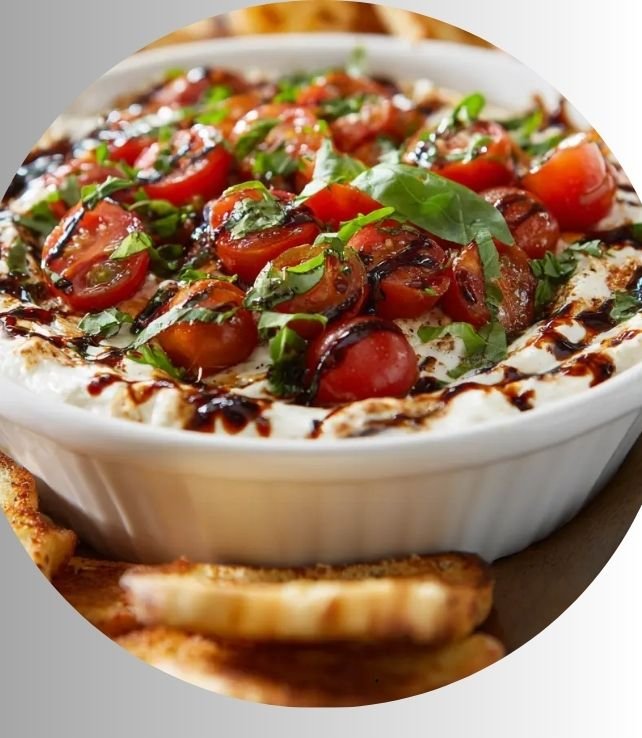
You have a gathering in an hour, and the expectation is a spread of impressive, flavorful food. The classic bruschetta topping—a vibrant mix of tomatoes, basil, and garlic—is a crowd-pleaser, but toasting individual slices of bread for a group can be a last-minute hassle. I faced this exact scenario last summer, which led me to rethink the format entirely.
The solution was to transform the essence of that iconic Italian antipasto into a shareable, dippable centerpiece. This Bruschetta Dip recipe captures every bright, savory, and herbaceous note of the original, but in a form that invites communal eating. It solves the timing problem, allowing you to prepare the flavorful base ahead and simply stir it together before your guests arrive.
In this guide, I’ll walk you through my tested method for creating this dip, drawing on my experience in nutrition and culinary history. We’ll examine the ingredients in depth, discuss the nutritional benefits of each component, and explore how to adapt the recipe for various dietary needs. My goal is to provide you with all the context and knowledge you need to make this dish with confidence, turning a simple appetizer into a conversation piece.
How to Make Bruschetta Dip Recipe
This method prioritizes flavor development and texture. Allowing the tomato mixture to rest is not a suggestion; it is the step that transforms chopped ingredients into a cohesive, deeply seasoned base. We’ll build the dip in layers for maximum impact.
Recipe Details
- Prep Time: 20 minutes (plus 30 minutes resting)
- Cook Time: 0 minutes
- Servings: 6-8 people
- Course: Appetizer, Snack
- Cuisine: Italian-Inspired
- Diet: Vegetarian
Ingredients
- 1 pound ripe Roma tomatoes (about 4-5 large)
- 3 cloves garlic, finely minced or pressed
- 1/4 cup fresh basil leaves, thinly sliced (chiffonade)
- 1/4 cup extra virgin olive oil, plus more for drizzling
- 2 tablespoons balsamic vinegar
- 1 teaspoon kosher salt, plus more to taste
- 1/2 teaspoon freshly cracked black pepper
- 8 ounces cream cheese, softened to room temperature
- 1/2 cup sour cream
- 1/2 cup finely grated Parmesan cheese
- For serving: toasted baguette slices, pita chips, crostini, or sturdy crackers
Instructions
- Prepare the tomato mixture. Core the Roma tomatoes, cut them in half, and scoop out the seeds and watery pulp with a spoon. Dice the remaining firm flesh into small, uniform pieces. Place them in a medium mixing bowl.
- Add the minced garlic, sliced basil, 1/4 cup olive oil, balsamic vinegar, salt, and pepper to the tomatoes. Gently stir until everything is well combined.
- Let the tomato mixture rest. Cover the bowl and set it aside at room temperature for at least 30 minutes. This allows the tomatoes to release some of their juices and the flavors to marry.
- Make the creamy base. In a separate, larger bowl, combine the softened cream cheese, sour cream, and grated Parmesan. Use a hand mixer or a sturdy spatula to beat the mixture until it is completely smooth and well blended.
- Combine and finish. After the tomato mixture has rested, use a slotted spoon to transfer the tomato, garlic, and basil solids into the creamy base. Reserve the flavorful liquid that remains in the bowl. Fold the solids into the cream cheese mixture until just incorporated.
- Transfer the dip to a serving bowl. Use the back of a spoon to create a slight well in the center. Drizzle the reserved tomato liquid and an additional tablespoon of olive oil over the top.
- Serve immediately with your chosen dippers, or cover and refrigerate for up to 2 hours before serving. For best texture and flavor, let it sit at room temperature for 15 minutes before serving if refrigerated.
Nutrition
- Calories: 245 kcal
- Protein: 5 g
- Fat: 23 g
- Carbohydrates: 5 g
- Sugar: 3 g
- Fiber: 1 g
- Sodium: 380 mg
- Cholesterol: 45 mg
Values are approximate and based on a single serving (1/8th of the recipe), not including dippers. The primary sources of fat are the olive oil and dairy, which provide satiety. The tomatoes and basil contribute vitamins A, C, and K.
Cooking Method
This is a no-cook, assembly-style recipe. The only “cooking” involved is the maceration of the tomatoes in the acidic dressing, which softens them and creates a savory juice. The key technique is proper preparation of the tomatoes—removing seeds and pulp—to prevent a watery dip.
Tools Needed
- Sharp chef’s knife and cutting board
- Mixing bowls (2: one medium, one large)
- Measuring cups and spoons
- Slotted spoon
- Hand mixer or sturdy silicone spatula
- Serving bowl
Understanding Your Ingredients: A Dietician’s and Historian’s View
Each component in this dip serves a specific functional and historical purpose. Knowing why we use these specific ingredients, and their attributes, empowers you to make informed substitutions without compromising the dish’s integrity.
The Tomato: More Than Just Color
Roma tomatoes, also called plum tomatoes, are specified for their flesh-to-seed ratio. They have denser, less watery flesh than beefsteak or heirloom varieties. Removing the gel and seeds is critical; it eliminates excess liquid that would thin out the creamy base.
From a nutritional perspective, tomatoes are rich in lycopene, a carotenoid antioxidant. The presence of fat from the olive oil and cheese actually increases the bioavailability of lycopene, meaning your body can absorb and use it more effectively. This is a perfect example of nutrient synergy in recipe design.
Garlic and Basil: The Aromatic Heart
Fresh garlic provides a pungent, spicy warmth that mellows slightly as it sits in the acidic tomato mixture. I recommend mincing it finely or using a press to distribute its flavor evenly and avoid large, sharp pieces.
Fresh basil is non-negotiable. The sweet, peppery, slightly anise-like flavor of Genovese basil is the signature note of a true bruschetta. Tearing or slicing it just before adding helps prevent bruising and blackening. Dried basil cannot replicate the bright, complex volatile oils present in the fresh leaf.
Olive Oil and Balsamic: The Liquid Seasoning
A robust, fruity extra virgin olive oil does more than just carry flavor. It emulsifies with the tomato juices and vinegar, creating a cohesive dressing. Its distinct flavor is a key part of the dip’s character.
Balsamic vinegar introduces sweetness and acidity, balancing the richness of the dairy. A traditional aged balsamic will be sweeter and more syrupy, while a younger, more acidic one will provide sharper contrast. The vinegar also acts as a mild preservative, helping to keep the fresh ingredients stable.
The Creamy Foundation: Dairy’s Role
The combination of cream cheese, sour cream, and Parmesan creates a stable, tangy, and rich base. Cream cheese provides body, sour cream adds a pleasant sharpness and prevents the mixture from being too heavy, and Parmesan contributes a salty, umami depth. Using full-fat versions ensures the dip remains firm and doesn’t become watery or separate.
Nutritional Profile and Benefits
When viewed as a whole, this dip offers a balance of macronutrients and micronutrients. The fat content, while notable, comes from sources like olive oil (monounsaturated fats) and dairy, which provide satiety—helping you feel full and satisfied from a smaller portion as part of a snack spread.
The tomatoes and basil contribute vitamin C, vitamin K, potassium, and antioxidants. The garlic contains allicin, a compound studied for its potential cardiovascular benefits. When paired with fiber-rich whole-grain crackers or vegetables for dipping, this becomes a balanced offering that provides energy and nutrients.
Portion awareness is key. A few tablespoons of this flavorful dip with vegetable crudités provides a satisfying mix of fat, protein, and flavor without excessive calories. It’s a more nutrient-dense choice compared to many cream-based dips that rely solely on mayonnaise or processed seasonings.
Adapting the Recipe for Dietary Needs
The core formula is flexible. With a few considered swaps, you can accommodate most dietary preferences without losing the spirit of the dish.
Making it Vegan
Replace the dairy components with plant-based alternatives. Use a high-quality vegan cream cheese, plain unsweetened vegan yogurt or vegan sour cream, and a nutritional yeast or vegan Parmesan substitute for the cheesy flavor. The tomato mixture remains unchanged, making this a straightforward adaptation.
Creating a Gluten-Free Version
The dip itself contains no gluten. The adaptation lies entirely in the serving vehicle. Offer gluten-free crackers, toasted slices of a gluten-free baguette, or a variety of fresh vegetables like bell pepper strips, endive leaves, and cucumber rounds for dipping.
Reducing Fat or Dairy
For a lighter version, you can use reduced-fat cream cheese and sour cream. Be aware the texture may be slightly less rich and the dip may soften more quickly at room temperature. Increasing the proportion of the tomato mixture to the creamy base can also shift the nutritional balance toward the vegetable components.
The Story of Bruschetta: From Rustic Staple to Party Favorite
The journey to this dip begins with bruschetta itself. The word comes from the Roman dialect verb *bruscare*, meaning “to roast over coals.” Its origins are profoundly humble: a way to salvage stale, hardened bread by toasting it over an open fire, rubbing it with a raw garlic clove, and drizzling it with local olive oil.
This was a peasant food, a practical and delicious solution to prevent waste. The tomato topping came much later, after tomatoes were brought from the Americas and eventually embraced in Italian cuisine. The modern version—chopped tomatoes, basil, garlic on grilled bread—is a relatively recent, though now iconic, interpretation.
This dip is a modern, social evolution of that idea. It moves from an individual, assembled toast to a communal bowl, reflecting contemporary eating styles where sharing plates is common. It honors the core flavors—the garlic, the ripe tomato, the basil, the olive oil—while adapting the presentation for convenience and interaction.
Common Mistakes and How to Avoid Them
After making this countless times for events, I’ve identified a few pitfalls that can affect the final result.
Watery Dip
This is the most frequent issue. It stems from not deseeding the tomatoes or skipping the resting step. The seeds and interior gel hold most of the water. Removing them and allowing the remaining flesh to macerate with salt draws out only the flavorful, concentrated juices you want.
Harsh Garlic Flavor
Using pre-minced jarred garlic or adding raw garlic directly to the cold cream base can result in an overpowering, sharp taste. Mincing fresh garlic and allowing it to mellow in the acidic tomato mixture for 30 minutes softens its bite and integrates the flavor smoothly.
Limp Basil
Adding basil hours in advance or chopping it with a dull knife causes it to bruise, turn black, and lose its vibrant aroma. Prepare the basil last, just before folding the mixtures together, and use a sharp knife for a clean slice.
Cold, Hard Dip
Straight-from-the-refrigerator cream cheese is impossible to blend smoothly, leading to lumps. Always let dairy ingredients sit on the counter until they are pliable. Similarly, if you refrigerate the finished dip, let it warm up slightly before serving for a softer, more spreadable texture.
Serving, Pairing, and Storage Instructions
How you present and store this dish impacts the experience as much as the recipe itself.
Presentation Ideas
Serve the dip in a wide, shallow bowl to make dipping easy. Garnish with a whole basil leaf and a final drizzle of olive oil. For a dramatic presentation, you can layer it: spread the creamy base in the bowl, top with the drained tomato mixture, then drizzle with the reserved juices.
What to Serve With It
Beyond baguette slices, consider a platter with variety:
- Vegetable Crudités: Radishes, sugar snap peas, and blanched asparagus offer a crisp contrast.
- Alternative Crackers: Seed crackers, rosemary focaccia slices, or plain pita chips.
- Protein: It pairs well with simply grilled chicken skewers or can be used as a condiment for a flank steak.
Storage and Make-Ahead Tips
You can prepare the tomato mixture and the creamy base separately up to 24 hours in advance. Store the tomato mixture in a sealed container in the refrigerator, and keep the creamy base covered. Combine them 1-2 hours before serving. The assembled dip is best consumed the day it is made, but will keep, covered, in the refrigerator for up to 2 days. The tomatoes will continue to release water, so you may need to drain off a bit of liquid or stir vigorously before serving again.
Frequently Asked Questions
Can I use canned tomatoes?
Yes, in a pinch. Use one 14-ounce can of high-quality diced tomatoes, thoroughly drained. Fire-roasted diced tomatoes can add a nice smoky note. Pat them dry with a paper towel to remove as much liquid as possible.
My dip is too thick. How can I thin it?
Use the reserved liquid from the tomato mixture. Add it back one tablespoon at a time, stirring until you reach the desired consistency. This method adds flavor without diluting it.
Can I make this without cream cheese?
For a different texture, you can substitute the cream cheese with an equal amount of fresh ricotta. The dip will be lighter and grainier. Beat the ricotta until smooth before combining with the other ingredients.
How long can the dip sit out at a party?
For food safety, do not leave the dip at room temperature for more than 2 hours. If the ambient temperature is very warm, reduce this to 90 minutes. Use a serving bowl set over a larger bowl of ice to keep it cool longer.
What’s the best way to deseed tomatoes quickly?
After coring and halving the tomato, use a small spoon, like a teaspoon or a grapefruit spoon, to gently scoop out the seed pockets. The curved shape of the spoon conforms well to the tomato’s interior.
Is there a way to make this spicier?
Add a pinch of red pepper flakes to the tomato mixture as it rests. Alternatively, a few dashes of your favorite hot sauce stirred into the creamy base can provide a consistent, subtle heat.
Can I freeze bruschetta dip?
I do not recommend it. The dairy base will separate and become grainy upon thawing, and the fresh tomatoes and basil will lose all texture and become mushy, resulting in a poor-quality product.
