
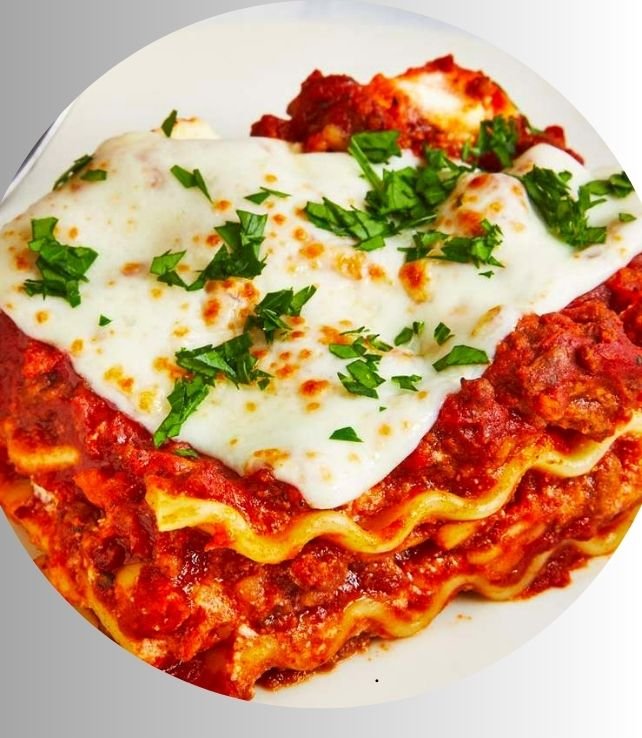
You have a box of American Beauty lasagna noodles in your pantry. It’s a familiar sight, a piece of culinary Americana with its distinctive yellow and red packaging. But the instructions on that box are just a starting point, a basic framework. What if you could transform those simple components into something truly memorable?
I’ve spent years analyzing family recipes, both as a dietician concerned with nourishment and a culinary historian fascinated by tradition. The lasagna from my own childhood was a weekend project, a labor of love that filled the house with aromas for hours. Today, I want to guide you through building a better version of that classic, one that honors the simplicity of the American Beauty brand while applying modern kitchen wisdom for a flawless result.
This guide is more than a list of steps. We will examine the role of every ingredient, understand the science of layering, and explore how to adapt this dish for any dietary need. By the end, you will have the confidence to make a lasagna that is structurally sound, richly flavored, and balanced in nutrition.
Understanding Your Core Components
Great cooking begins with understanding what you are working with. A lasagna is a system of layers, and each component must perform its function perfectly for the final structure to hold.
The Noodles: American Beauty and Beyond
The brand “American Beauty” has been a staple in American kitchens for over a century. Their lasagna noodles are typically a flat, wide pasta made from semolina flour, which provides a firm texture that stands up to baking. The key attribute here is that they are designed to be boiled before assembling.
This is a critical point. Many modern recipes call for “no-boil” noodles, which rely on absorbing moisture from the sauces during baking. American Beauty noodles require the traditional pre-cooking step. Undercook them slightly—al dente—as they will continue to soften in the oven. For a gluten-free adaptation, look for brown rice or quinoa-based lasagna noodles that hold a similar shape; you may need to adjust baking times as they can become softer faster.
Building a Robust Meat Sauce
The sauce is the flavor foundation. A combination of ground beef and Italian sausage provides a depth that ground beef alone often lacks. The sausage adds finesse and seasoning from fennel and other spices.
Start by browning the meats properly. Do not crowd the pan, and allow a fond—those caramelized browned bits—to develop on the bottom. This is pure flavor. Deglaze with your red wine, scraping up the fond. Then add your aromatics: onions, garlic, and herbs like oregano and basil. Using high-quality canned San Marzano tomatoes can make a noticeable difference in sweetness and acidity.
The long, slow simmer is non-negotiable. It concentrates flavors, melds the spices, and allows the texture to thicken to the ideal consistency—not too runny, not too pasty.
The Cheese Matrix: Ricotta, Mozzarella, and Parmesan
The cheeses serve distinct structural and flavor purposes. Whole-milk ricotta provides creamy pockets. Mixing it with an egg helps bind it, preventing it from separating into grainy curds during baking. Whole milk mozzarella, shredded from a block, offers the iconic stretch. Pre-shredded cheese contains anti-caking agents that can hinder melting.
Parmigiano-Reggiano, finely grated, is the flavor amplifier. Its salty, umami-rich profile permeates the entire dish. For a dairy-free version, a blend of firm tofu (pressed and crumbled with nutritional yeast and lemon juice) can mimic ricotta, while vegan mozzarella shreds have improved significantly in melt quality.
How to Make American Beauty Lasagna
This is the master procedure, informed by the principles above. Read through the entire section before you begin.
Recipe Details
- Prep Time: 1 hour
- Cook Time: 1 hour 15 minutes (plus 45 minutes for sauce simmering)
- Servings: 12
- Course: Main Course
- Cuisine: Italian-American
- Diet: Contains Dairy, Meat, Gluten
Ingredients
- 1 box (16 oz) American Beauty Lasagna Noodles
- 1 tablespoon olive oil
- 1 pound ground beef (85/15 blend)
- 1 pound mild Italian sausage, casings removed
- 1 large yellow onion, diced
- 4 cloves garlic, minced
- 1/2 cup dry red wine (like Chianti)
- 2 (28 oz) cans crushed tomatoes
- 1 (6 oz) can tomato paste
- 2 teaspoons dried oregano
- 1 teaspoon dried basil
- 1/2 teaspoon red pepper flakes (optional)
- Salt and black pepper to taste
- 2 large eggs
- 32 oz (4 cups) whole milk ricotta cheese
- 1/2 cup fresh parsley, chopped
- 1 pound whole milk mozzarella cheese, shredded
- 1 1/2 cups Parmigiano-Reggiano cheese, finely grated
Instructions
- Begin the sauce. In a large Dutch oven or heavy pot, heat olive oil over medium-high heat. Add the ground beef and Italian sausage. Cook, breaking up with a spoon, until well-browned, about 8-10 minutes.
- Add the diced onion and cook until translucent, about 5 minutes. Add the garlic and cook for 1 minute until fragrant.
- Pour in the red wine to deglaze the pan, scraping up any browned bits. Allow it to simmer for 2-3 minutes until reduced by half.
- Stir in the crushed tomatoes, tomato paste, oregano, basil, and red pepper flakes. Season with salt and pepper. Bring to a simmer, then reduce heat to low. Cover partially and let simmer for at least 45 minutes, stirring occasionally.
- While the sauce simmers, cook the noodles. Bring a large pot of salted water to a boil. Cook the American Beauty lasagna noodles according to package directions for al dente, usually 8-10 minutes. Drain and lay the noodles flat on parchment paper or kitchen towels to prevent sticking.
- Prepare the cheese filling. In a medium bowl, beat the two eggs. Stir in the ricotta cheese, 1/4 cup of the Parmigiano-Reggiano, and the chopped parsley until well combined.
- Preheat your oven to 375°F (190°C).
- Assemble the dish in a 9×13 inch baking pan. Spread about 1 1/2 cups of meat sauce evenly over the bottom.
- Place a layer of noodles (about 4-5) over the sauce, slightly overlapping.
- Spread half of the ricotta mixture evenly over the noodles. Sprinkle with 1/3 of the shredded mozzarella.
- Ladle another 1 1/2 cups of sauce over the cheese. Repeat the layers: noodles, remaining ricotta, another 1/3 of the mozzarella, and another 1 1/2 cups of sauce.
- For the final layer, place the last noodles on top. Cover with the remaining sauce, ensuring the noodles are fully covered to prevent drying out. Top with the remaining mozzarella and the remaining Parmigiano-Reggiano.
- Cover the dish tightly with aluminum foil. Bake on the center rack for 25 minutes.
- Remove the foil and continue baking, uncovered, for another 20-25 minutes, or until the cheese is golden brown and bubbly.
- Remove from the oven and let the lasagna rest on a cooling rack for a minimum of 20 minutes before cutting. This allows the layers to set, ensuring clean slices.
Nutrition
- Calories: 580 kcal
- Protein: 38 g
- Fat: 28 g
- Carbohydrates: 42 g
- Sugar: 8 g
- Fiber: 4 g
- Sodium: 920 mg
- Cholesterol: 135 mg
Cooking Method
This recipe employs a combination of cooking methods: stovetop simmering for sauce development, boiling for pasta hydration, and finally, oven baking for integration and browning. The covered baking phase steams and heats the interior layers thoroughly, while the final uncovered period allows for the Maillard reaction on the cheese surface, creating complex flavors and an appealing texture.
Tools Needed
- Large Dutch oven or heavy-bottomed pot
- Large pot for boiling noodles
- 9×13 inch baking pan (glass or ceramic is ideal)
- Mixing bowls (medium and large)
- Colander
- Grater for cheese
- Sharp knife and cutting board
- Measuring cups and spoons
- Parchment paper or kitchen towels
Nutritional Perspective on a Classic Dish
From a dietary standpoint, this dish is a composite of macronutrients. The ground beef and sausage provide a high amount of protein and essential nutrients like iron and B12, but also saturated fat and sodium. The cheeses contribute calcium and more protein, alongside additional saturated fat.
The tomatoes offer lycopene, an antioxidant, and the onions and garlic provide prebiotic fibers. Using whole milk ricotta and mozzarella over part-skim versions provides a better texture and satiety factor, though the calorie density is higher. The pasta is a primary source of carbohydrates, offering energy. The overall balance is rich, which is why portion control and the suggested 20-minute rest are crucial—they allow your body to register satiety signals, preventing overconsumption.
Making Strategic Adjustments
If you are monitoring specific dietary inputs, you can modify this framework without sacrificing integrity.
For a lower-fat version, use 90/10 lean ground beef and chicken Italian sausage. Opt for part-skim ricotta and mozzarella. You can reduce the cheese topping by one-third.
To lower sodium, seek out no-salt-added canned tomatoes and low-sodium tomato paste. Reduce added salt in the sauce and use freshly grated low-moisture mozzarella, which often has less sodium than pre-shredded blends.
Increasing fiber is straightforward. Add a layer of sautéed spinach, mushrooms, or zucchini ribbons between the cheese and sauce layers. You can also substitute half of the ground meat with finely chopped mushrooms (cremini work well) for a blended effect that maintains texture while adding vegetables.
A Brief History of Italian-American Lasagna
The lasagna we know today in the United States is a product of immigration and adaptation. In Italy, lasagna varies dramatically by region; some versions in Naples feature small meatballs and ricotta, while in Bologna, it is made with ragù, béchamel, and green spinach pasta.
Italian immigrants arriving in the late 19th and early 20th centuries adapted their recipes to the ingredients available and affordable in America. Canned tomatoes, widely produced tomato paste, and readily available hard cheeses like Parmesan became staples. The use of ricotta instead of béchamel is a hallmark of many southern Italian and Sicilian traditions, which heavily influenced the American version.
Brands like American Beauty provided a standardized, accessible pasta product, helping to cement this specific style of layered pasta bake in the national consciousness. It became a centerpiece for Sunday dinners and family gatherings, a symbol of abundance and care.
Common Errors and How to Prevent Them
Even experienced cooks can encounter issues with layered pasta dishes. Here are the main pitfalls and solutions.
A Watery or Sloppy Final Product
This is the most frequent complaint. The causes are usually under-simmered sauce (too much liquid), using fresh mozzarella (which releases whey), or not draining boiled noodles adequately. Ensure your sauce is thick enough that a wooden spoon leaves a clear trail when dragged across the bottom of the pot. Pat boiled noodles dry with towels. Always use low-moisture, whole milk mozzarella.
Dry, Tough Noodles at the Edges
This happens when the top layer of noodles is exposed to direct oven heat without a protective covering of sauce. Ensure the final noodle layer is completely blanketed with sauce before adding the cheese topping. The foil cover during the first part of baking also creates a steamy environment that cooks the noodles through without drying them.
Lasagna Falls Apart When Served
Impatience is the culprit. Cutting into any baked pasta dish immediately after it leaves the oven releases pent-up steam and causes the layers to slide. The resting period is not a suggestion; it is a mandatory step for the proteins in the cheese and egg to set, acting as a glue. A full 20-30 minutes makes all the difference.
Serving, Storage, and Making it a Meal
A green salad with a sharp vinaigrette is the perfect counterpoint to the richness of the pasta. The acidity cuts through the fat and cleanses the palate. Garlic bread is a classic accompaniment, but a simple loaf of crusty Italian bread is just as effective for sopping up sauce.
For storage, allow leftover portions to cool completely. Cover tightly or transfer to airtight containers. It will keep in the refrigerator for up to 5 days. You can also freeze individual slices or the entire baked dish for up to 3 months. Thaw overnight in the refrigerator before reheating.
To reheat, cover a portion with foil and warm in a 350°F oven until heated through, about 20-30 minutes for a large piece. For a single slice, using a skillet over low heat with a splash of water and a lid can revive the texture better than a microwave, which can make the noodles rubbery.
Frequently Asked Questions
Can I assemble this lasagna ahead of time?
Yes, you can assemble the entire dish, cover it tightly with plastic wrap and then foil, and refrigerate it for up to 24 hours before baking. You may need to add 10-15 minutes to the covered baking time if it goes into the oven cold from the refrigerator.
Why do you put an egg in the ricotta?
The egg acts as a binder. It helps stabilize the ricotta mixture, preventing it from separating and becoming watery during the baking process. This results in distinct, creamy layers instead of a grainy, curdled texture.
Can I use no-boil noodles with this recipe?
I do not recommend it for this specific formulation. American Beauty noodles and the sauce consistency in this recipe are calibrated for pre-boiled noodles. Using no-boil noodles would require a much wetter sauce and potentially different baking times, which could throw off the balance.
What can I use instead of red wine in the sauce?
You can omit it entirely, or substitute with an equal amount of low-sodium beef or vegetable broth. A tablespoon of balsamic vinegar added with the tomatoes can provide a hint of similar complexity.
How do I know when the lasagna is fully cooked inside?
The external signs are reliable: the cheese should be fully melted and golden with bubbling sauce visible around the edges. An instant-read thermometer inserted into the center should read at least 165°F (74°C).
Is it necessary to use both types of meat?
While the combination provides depth, you can use two pounds of either ground beef or Italian sausage based on your preference. Using all beef will yield a more straightforward meat flavor, while all sausage will be more highly seasoned.
My top cheese layer browned too quickly. What happened?
Your oven may have hot spots or run hotter than its setting. If the cheese is browning too fast before the bake time is complete, simply place the foil back over the top to shield it from direct heat for the remaining cooking time.
Can I freeze unbaked lasagna?
You can. Assemble the dish in a freezer-safe pan, wrap it exceptionally well in multiple layers of plastic wrap and foil, and freeze for up to 2 months. Thaw in the refrigerator for 48 hours before baking as directed, adding extra time as needed.
