
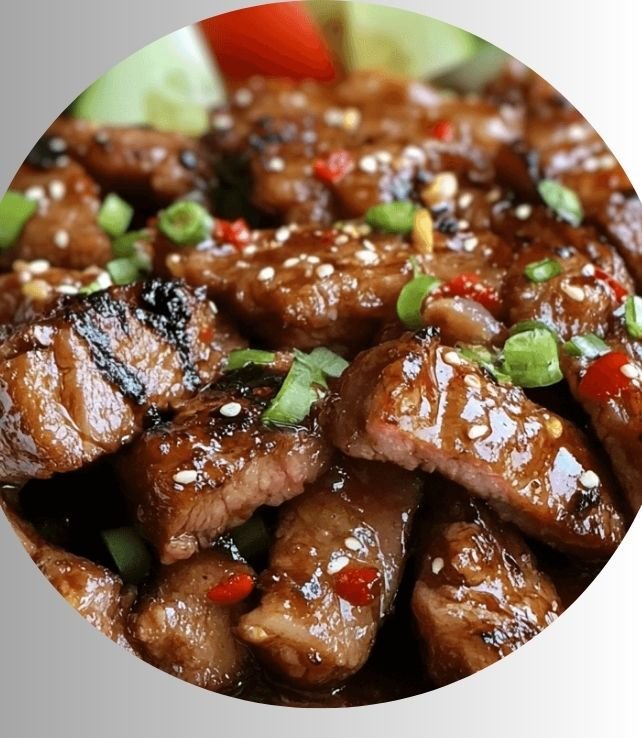
You may have heard whispers of it, a dish with a name that suggests something primal and powerful. I first encountered it not in a restaurant, but in a friend’s kitchen, a family tradition passed down with a knowing smile. It wasn’t what I expected.
As a dietician and culinary historian, I was immediately fascinated. This recipe, often called Tiger Meat or Steak Tartare, sits at a unique crossroads of food safety science, rich cultural tradition, and pure, unadulterated flavor. It’s a dish that demands respect and knowledge.
This guide is the result of my own hands-on testing and research. I will walk you through every step, from selecting the right cut of beef to understanding the why behind each ingredient. We’ll cover the nutritional profile, address every safety concern, and explore its place at the table. The recipe itself is straightforward, but the mastery is in the details.
Understanding the Dish: More Than Raw Beef
The term “Tiger Meat” is a regional American name, often used in the Upper Midwest, for a seasoned, raw beef preparation. Globally, its closest relative is Steak Tartare. The name likely originates from the peppery, “striped” appearance the black pepper gives the meat, not from any exotic ingredient.
This is a dish of texture and freshness. The experience is clean, bright, and deeply savory, with the quality of the beef as the undeniable star. It’s not a casual weeknight meal; it’s a deliberate choice for a special appetizer or a culinary adventure.
A Brief Historical Context
The concept of consuming raw, seasoned meat is ancient, with roots in the culinary traditions of Central Asian nomadic peoples, like the Mongols and Tatars. The name “Tartare” is a reference to these groups. The version we know today, finely chopped and bound with egg yolk and condiments, was refined in French cuisine in the early 20th century.
The Midwestern “Tiger Meat” variant often includes Worcestershire sauce and is sometimes served with crackers or rye bread, reflecting local tastes and pantry staples. It’s a testament to how immigrant and regional foodways adapt a classic concept.
How to Make Tiger Meat Recipe
This is the core method I use and trust. Precision and preparation are everything. Ensure all your ingredients, especially the beef, are very cold before you begin.
Recipe Details
- Prep Time: 25 minutes
- Cook Time: 0 minutes
- Servings: 4 as an appetizer
- Course: Appetizer
- Cuisine: American, French-inspired
- Diet: Gluten-Free, Keto, Low-Carb
Ingredients
- 1 pound (450g) beef tenderloin or top sirloin, trimmed of all fat and sinew
- 1 large egg yolk (from a pasteurized egg, or see Dietary Adaptations)
- 2 tablespoons finely minced red onion
- 2 tablespoons finely minced cornichons or capers
- 1 tablespoon Dijon mustard
- 1 tablespoon Worcestershire sauce (ensure gluten-free if needed)
- 1 teaspoon hot sauce (like Tabasco)
- 1/2 teaspoon sea salt, plus more to taste
- 1/2 teaspoon freshly cracked black pepper
- 2 tablespoons fresh chives, finely chopped
- 1 tablespoon fresh parsley, finely chopped
- Optional for serving: rye toast points, crackers, or potato chips
Instructions
- Place your serving plates or a shallow bowl in the freezer. A cold vessel keeps the dish chilled.
- Ensure your beef is very cold, almost frozen. This makes it easier to cut. Using a very sharp knife, slice the beef into thin slices, then into thin strips, and finally into a fine, uniform mince. You can also pulse it briefly in a food processor, but be careful not to turn it into paste. The knife method yields superior texture.
- Transfer the minced beef to a stainless steel or glass bowl set over a larger bowl of ice to keep it cold.
- Add the egg yolk, red onion, cornichons, Dijon mustard, Worcestershire sauce, hot sauce, salt, and pepper to the beef.
- Using a fork or your hands (wearing disposable gloves is recommended), gently but thoroughly mix the ingredients until just combined. Do not overwork the meat.
- Fold in the fresh chives and parsley.
- Taste for seasoning, remembering the crackers or toast will add salt. Adjust with more salt, pepper, or hot sauce if desired.
- Remove your chilled plate from the freezer. Form the mixture into a mound, patties, or use a ring mold for a neat presentation. Serve immediately.
Nutrition
- Calories: 220 kcal
- Protein: 25 g
- Fat: 12 g
- Carbohydrates: 2 g
- Sugar: 1 g
- Fiber: 0.5 g
- Sodium: 480 mg
- Cholesterol: 135 mg
Note: Values are approximate per serving, calculated without accompaniments.
Cooking Method
This is a no-cook, or “au cru,” preparation. The method is entirely about knife work, mixing, and temperature control. There is no application of heat.
Tools Needed
- Very sharp chef’s knife
- Cutting board (non-porous, like plastic or acrylic, dedicated to raw meat)
- Mixing bowls (stainless steel or glass)
- Bowls for ice bath
- Fork or disposable gloves for mixing
- Measuring spoons
Ingredient Analysis and Selection
Each component in this recipe has a specific functional and flavor role. Compromising on quality here is not an option.
The Beef: The Foundation
This is the most critical decision. You must start with a whole, intact cut of meat from a trusted source. Pre-ground beef is not safe for this preparation.
Recommended Cuts
- Beef Tenderloin (Filet Mignon): The premier choice. It’s exceptionally tender, lean, and has a mild, buttery flavor. It is the most expensive option.
- Top Sirloin: My frequent choice for its balance of flavor, tenderness, and value. It has a slightly more robust beefy taste than tenderloin.
- Strip Steak (New York Strip): Excellent flavor, but requires more careful trimming of fat and connective tissue.
The key is to use a cut that is tender enough to eat raw and lean enough to avoid unpleasant chewy fat. Always trim all external fat and silverskin meticulously.
The Aromatics and Binders
These ingredients cut through the richness of the beef and create a cohesive mixture.
- Egg Yolk: Acts as a rich binder and adds a silky mouthfeel. It must be from a pasteurized egg for safety, or omitted.
- Red Onion & Cornichons/Capers: Provide essential acidity, crunch, and brightness. They must be finely minced to distribute evenly.
- Dijon Mustard & Worcestershire Sauce: The umami engines. Dijon adds sharp complexity, while Worcestershire contributes depth with its fermented anchovy and vinegar base.
- Fresh Herbs (Chives, Parsley): Non-negotiable for a fresh finish. Add them last to preserve their color and delicate flavor.
Nutritional Breakdown and Dietary Perspective
From a nutritional standpoint, this dish is a concentrated source of high-quality nutrients, but it must be consumed with awareness.
Macronutrient Profile
It is high in complete protein, providing all essential amino acids necessary for muscle repair and satiety. The fat content is primarily from the beef, which includes saturated fat and cholesterol. Carbohydrates are negligible, making it suitable for very low-carb eating patterns.
The dish is rich in bioavailable heme iron, zinc, and B vitamins, particularly B12. However, the sodium content can be significant due to the condiments and added salt, so those monitoring intake should adjust the Worcestershire sauce and added salt.
Food Safety: The Paramount Concern
Consuming raw meat carries an inherent risk of foodborne illness from bacteria like E. coli and Salmonella. This risk can be mitigated but never eliminated.
You control the safety by: sourcing a whole, quality cut from a reputable butcher; keeping the meat cold from purchase to plate; using dedicated tools and surfaces; and consuming the dish immediately after preparation. High-risk individuals (pregnant women, young children, the elderly, immunocompromised) should avoid it.
Dietary Adaptations and Variations
The core recipe is gluten-free and keto-friendly. Here are adaptations for other needs.
For a Vegan or Vegetarian Version
A true plant-based mimic is challenging, but a satisfying alternative can be made. Finely chop hearty mushrooms (like king oyster) and walnuts, then bind them with miso paste, tamari, and Dijon mustard. The texture will be different, but the umami-rich, savory profile can be compelling.
Egg-Free Adaptation
Omit the egg yolk entirely. The mixture will be slightly less cohesive but still flavorful. A tiny amount (1/2 teaspoon) of extra virgin olive oil can help bind it if needed.
Lower-Sodium Version
Use low-sodium Worcestershire sauce, reduce or omit the added salt, and rely more on fresh herbs, cracked pepper, and a squeeze of lemon juice for seasoning.
Common Mistakes and Expert Tips
Avoiding these pitfalls will ensure success and safety.
- Using Pre-Ground Beef: This is the single greatest safety risk. The grinding process exposes far more surface area to potential contamination.
- Letting the Meat Warm Up: Work quickly and keep everything on ice. Warm meat breeds bacteria and begins to “cook” in the acid, turning gray and changing texture.
- Over-Mixing: This compacts the meat and makes it tough. Mix just until the ingredients are incorporated.
- Preparing Too Far in Advance: This dish does not keep. Assemble and serve within 15 minutes of preparation.
- Tip for Easier Mincing: Partially freeze the trimmed beef for 30-45 minutes. It firms up, making clean, fine cuts much simpler.
Serving, Pairing, and Storage
Presentation and accompaniments complete the experience.
How to Serve
Traditionally, it is served simply with toasted rye bread or plain crackers. I also enjoy it with sturdy potato chips for salt and crunch. Some classic garnishes include a raw quail egg yolk (if using pasteurized eggs) in the center, or extra capers and minced onion on the side.
Beverage Pairings
The richness and intensity of the beef pair beautifully with beverages that offer acidity or effervescence. A dry, crisp Champagne or sparkling wine is ideal. A juniper-forward gin martini or a cold, malty pilsner also work well to cleanse the palate.
Storage Guidelines
There are no safe storage guidelines for leftovers. Any uneaten portion must be discarded. Do not attempt to refrigerate and consume later. Prepare only what will be eaten immediately.
The Science of Safety and Flavor
The acidity from the condiments (Worcestershire, mustard, capers) does not “cook” or sterilize the meat. Its pH is not low enough, nor is the contact time long enough, to kill pathogens. The acid does, however, begin to denature surface proteins, which can slightly alter texture and enhance flavor perception by brightening the overall profile.
The act of mincing the meat yourself from a whole cut is safer because bacterial contamination, if present, is typically only on the exterior surface. By trimming and then dicing the interior, you are using meat that has not been exposed to processing equipment.
Frequently Asked Questions
Can I use any type of beef for this recipe?
No. You must use a whole, tender, and lean cut like tenderloin, top sirloin, or strip steak. Do not use pre-ground beef, chuck, or other fatty, tough cuts meant for braising.
Is it safe to eat raw egg yolk?
There is a risk of Salmonella. To eliminate this risk, use eggs that have been pasteurized in the shell. You can find them in most major supermarkets.
How long can I keep Tiger Meat after making it?
You cannot keep it. It must be assembled and consumed immediately. Do not prepare it in advance or save leftovers.
What is the difference between Tiger Meat and Steak Tartare?
They are fundamentally the same dish. “Tiger Meat” is a regional American name, often associated with a Midwestern style that may include Worcestershire sauce. “Steak Tartare” is the classic French bistro preparation, which may feature ingredients like cornichons, capers, and sometimes a separate quail egg yolk.
Can I make this without alcohol (in the Worcestershire sauce)?
Traditional Worcestershire sauce contains vinegar and anchovies, not significant alcohol. The vinegar cooks off during its production. For a completely alcohol-free version, check labels or use a vegan Worcestershire alternative.
What can I serve with this besides crackers?
Toasted baguette slices, endive leaves, or crisp romaine hearts make excellent vessels. For a low-carb option, try cucumber rounds or simply eat it with a fork.
Why did my meat turn a grayish color after mixing?
This is likely due to two factors: the meat warmed up too much during preparation, or the acids in the condiments began to denature the proteins. It is still safe to eat if prepared correctly and immediately, but keeping everything ice-cold helps maintain the bright red color.
Is this dish suitable for a ketogenic diet?
Yes, it is an excellent keto-friendly option. It is very high in protein and fat with almost no carbohydrates, especially if served without crackers or bread.
