
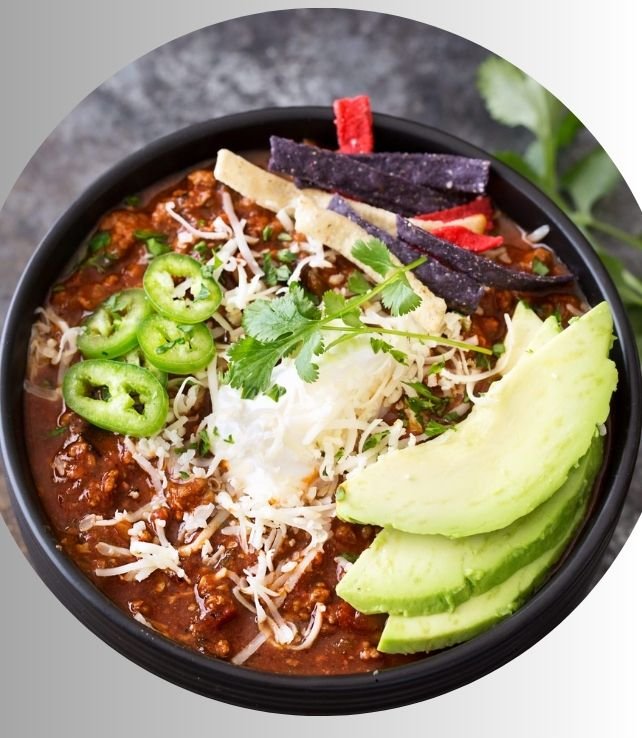
You might think you know chili, but a version made with roasted poblano peppers offers a different experience. It is less about heavy, ground meat and more about a broth that carries the flavor of charred vegetables and spices. The first time I had a bowl, during a cool autumn evening in a friend’s kitchen, it changed my perspective on what this dish could be.
This recipe is a method for a deeply flavorful, brothy chili that highlights the poblano pepper. It is not a quick weeknight meal, but a process that builds layers of taste. I will guide you through each step, from selecting the right peppers to achieving the perfect simmer.
Below, you will find the complete recipe. Following that, I will explain the nutritional benefits of each component, how to adapt it for various dietary needs, and the cultural roots that make this dish significant.
How to Make Poblano Chili Recipe
This method focuses on developing a rich base before adding the beans and tomatoes. Roasting the peppers and toasting the spices are non-negotiable steps for maximum flavor.
Recipe Details
- Prep Time: 45 minutes
- Cook Time: 2 hours 15 minutes
- Servings: 6
- Course: Main Course
- Cuisine: Mexican-American
- Diet: Can be adapted to Gluten-Free
Ingredients
- 6 large fresh poblano peppers (about 2 lbs)
- 2 tablespoons olive oil or avocado oil
- 2 lbs beef chuck roast, cut into 3/4-inch cubes
- 1 large yellow onion, diced
- 4 cloves garlic, minced
- 1 tablespoon ground cumin
- 2 teaspoons dried oregano (preferably Mexican oregano)
- 1/2 teaspoon ground coriander
- 1/4 cup all-purpose flour (or gluten-free alternative)
- 4 cups beef broth, divided
- 1 (28-ounce) can whole peeled tomatoes, hand-crushed
- 2 (15-ounce) cans pinto beans, drained and rinsed
- 1 teaspoon kosher salt, plus more to taste
- 1/2 teaspoon freshly ground black pepper
- For garnish: fresh cilantro, diced white onion, lime wedges, sliced radish, sour cream
Instructions
- Turn your oven broiler to high. Place the poblano peppers on a baking sheet and position it about 4 inches from the heat source. Broil for 5-7 minutes per side, until the skins are completely blackened and blistered. Transfer the charred peppers to a bowl, cover it tightly with plastic wrap, and let them steam for 15 minutes. This loosens the skin.
- After steaming, use your fingers to rub off the blackened skin from each pepper. Do not rinse them under water, as this washes away flavor. Slice open the peppers, remove the stems and seeds, then chop the flesh into 1/2-inch pieces. Set aside.
- While the peppers steam, heat 1 tablespoon of oil in a large, heavy-bottomed pot or Dutch oven over medium-high heat. Pat the beef cubes dry with paper towels and season with salt and pepper. Working in batches to avoid crowding, brown the meat on all sides, about 5-7 minutes per batch. Transfer the browned beef to a clean plate.
- Reduce the heat to medium. Add the remaining tablespoon of oil to the pot. Add the diced onion and cook, stirring occasionally, until softened and translucent, about 8 minutes. Add the minced garlic and cook for 1 more minute until fragrant.
- Stir in the cumin, oregano, and coriander. Cook for about 30 seconds until the spices are toasted and aromatic. Sprinkle the flour over the onion and spice mixture and stir constantly for 1 minute to cook off the raw flour taste.
- Slowly pour in 1 cup of the beef broth, scraping the bottom of the pot with a wooden spoon to release all the browned bits. This is called deglazing and is crucial for flavor.
- Add the remaining 3 cups of broth, the hand-crushed tomatoes with their juices, the chopped roasted poblanos, and the browned beef cubes back to the pot. Bring the mixture to a boil.
- Once boiling, reduce the heat to low, cover the pot, and let it simmer gently for 1 hour and 30 minutes. Stir occasionally to prevent sticking.
- After 90 minutes, the beef should be tender. Add the drained pinto beans and simmer, uncovered, for an additional 30 minutes to allow the chili to thicken slightly.
- Taste the chili and adjust seasoning with additional salt and pepper if needed. Serve hot with your choice of garnishes.
Nutrition
- Calories: 520 kcal
- Protein: 42 g
- Fat: 22 g
- Carbohydrates: 38 g
- Sugar: 8 g
- Fiber: 11 g
- Sodium: 980 mg
- Cholesterol: 110 mg
Nutritional values are estimates per serving, calculated without garnishes.
Cooking Method
The primary cooking method for this dish is braising. The initial browning of the beef (searing) uses high, dry heat to develop a flavorful crust through the Maillard reaction. The long, slow simmer that follows is a moist-heat method, which breaks down the tough connective tissues in the chuck roast, transforming it into a tender texture while the liquid becomes a rich broth.
Tools Needed
- Large, heavy-bottomed Dutch oven or soup pot
- Baking sheet
- Tongs
- Sharp chef’s knife and cutting board
- Wooden spoon
- Measuring cups and spoons
- Can opener
Understanding Your Ingredients: A Dietitian’s Analysis
Each component in this recipe serves a purpose beyond flavor. They contribute specific nutrients and functional properties that affect the final dish’s texture and nutritional profile.
The Poblano Pepper: More Than Just Heat
Poblano peppers are a mild chili, typically ranging from 1,000 to 2,000 Scoville Heat Units. For comparison, a jalapeño can be 5-10 times hotter. Their flavor is earthy, with a subtle fruitiness that becomes richer and slightly sweeter when roasted.
Nutritionally, they are an excellent source of vitamin C, which acts as an antioxidant. They also provide vitamin A, important for eye health, and a good amount of dietary fiber. The roasting process not only makes the skin easy to remove but also caramelizes the natural sugars in the pepper, deepening its flavor contribution to the chili.
Choosing and Preparing Your Protein
Beef chuck roast is from the shoulder of the animal. It is a well-exercised muscle, which means it has more connective tissue (collagen) than leaner cuts like sirloin. When cooked slowly with moisture, that collagen melts into gelatin, creating a tender bite and a luxurious mouthfeel in the broth. This cut provides high-quality protein, iron, zinc, and B vitamins.
For a different texture, you could use ground beef (85/15 lean-to-fat ratio is ideal), but the cooking time would be reduced significantly. The long simmer is designed for cubed chuck.
The Role of Aromatics and Thickeners
Onions and garlic form the flavor foundation, or sofrito, of many stews. Onions provide sweetness and bulk, while garlic adds a pungent, aromatic quality. The flour used after browning is a thickener. It coats the meat and vegetables, and when the liquid is added, it helps create a slightly viscous broth that clings to the ingredients, rather than a thin, watery soup.
Nutritional Science of a Balanced Bowl
This recipe is a model of balanced macronutrients, which contributes to satiety—the feeling of fullness after a meal. The protein from the beef supports muscle maintenance and repair. The fats, from the oil and marbling in the meat, are necessary for absorbing fat-soluble vitamins and provide a sustained energy source.
The complex carbohydrates from the beans and vegetables offer dietary fiber. Fiber slows digestion, which helps regulate blood sugar levels and promotes gut health. The beans, specifically, are a source of resistant starch, which acts as a prebiotic, feeding the beneficial bacteria in your digestive system.
The sodium content is primarily from the broth and canned goods. You can control this by using low-sodium beef broth and no-salt-added canned tomatoes and beans, then seasoning to your preference at the end.
Adapting the Recipe for Dietary Needs
This chili is versatile and can be modified without losing its character.
For a Gluten-Free Version
Replace the all-purpose flour with an equal amount of a gluten-free 1:1 baking flour blend, or use 2 tablespoons of cornstarch. If using cornstarch, mix it with 1/4 cup of cold broth to form a slurry, then stir it in during the last 15 minutes of simmering to thicken.
For a Vegetarian or Vegan Version
Omit the beef and use 2 additional cans of beans, such as black beans or kidney beans, for variety. Substitute the beef broth with a robust vegetable broth. To replicate the umami depth lost from the meat, add 1-2 tablespoons of tomato paste when cooking the onions, and consider stirring in 1-2 teaspoons of soy sauce or tamari (use gluten-free if needed) at the end. You can also brown 8 ounces of sliced mushrooms with the onions for a meaty texture.
For Lower Fat or Calorie Considerations
Use a leaner cut of beef like sirloin tip, but reduce the simmering time to about 45 minutes to prevent toughness. You can also reduce the oil to 1 tablespoon and rely on the fat rendered from the meat. Increasing the proportion of beans and peppers while slightly reducing the meat quantity is another effective strategy.
The Cultural Roots of Chili con Carne
The history of chili is a story of adaptation. Its origins are often traced to northern Mexico and the Texas borderlands in the 19th century. The dish likely began as a simple, practical food for working people—dried beef, suet, dried chilies, and salt, pounded together into bricks that could be reconstituted with water over a fire.
The modern bowl of chili, with tomatoes and beans, is largely an American evolution. The use of the poblano pepper in this recipe connects to central Mexican cuisine, where poblanos are foundational in dishes like chiles rellenos and mole poblano. This recipe sits at an intersection, using a traditional Mexican ingredient within the broader, evolving framework of American chili.
Common Mistakes and How to Avoid Them
Small errors in technique can lead to a less-than-ideal result. Here is how to ensure success.
Not Browning the Meat Properly
If you crowd the pot with too much beef at once, the pieces will steam instead of sear. This prevents the formation of the flavorful brown crust. Always work in batches, and do not move the meat for the first few minutes to allow a proper sear to develop.
Rinsing the Roasted Peppers
It is tempting to run charred peppers under water to remove the skin quickly. This washes away the flavorful oils developed during roasting. The steam-and-wipe method preserves every bit of that smoky taste.
Adding Acid Too Early
The tomatoes are acidic. Adding them at the beginning of a long cook can sometimes prevent the meat from becoming as tender as it could be. In this recipe, they are added with the broth, which is acceptable due to the large volume of liquid and the cut of meat used. However, if you find your meat is remaining tough, consider adding the tomatoes during the last 45 minutes of simmering in future attempts.
Underseasoning at the End
Spices mellow and salt integrates during cooking. Always taste your chili after the final simmer and before serving. It will almost always need another pinch of salt or a grind of black pepper to make the flavors stand out clearly.
Serving Suggestions and Storage Instructions
This chili improves in flavor after resting, making it an ideal make-ahead meal.
Garnishes and Pairings
The garnishes are not just decoration; they add contrasting textures and fresh flavors that cut through the richness. Fresh cilantro adds brightness, raw onion provides sharp crunch, a squeeze of lime introduces acidity, radishes give a peppery bite, and sour cream offers a cooling creaminess. Serve with warm cornbread, tortilla chips, or a simple side of rice to complete the meal.
Storing and Reheating
Allow the chili to cool completely before transferring it to an airtight container. It will keep in the refrigerator for up to 4 days. For longer storage, freeze it for up to 3 months. Thaw overnight in the refrigerator.
Reheat gently in a pot over medium-low heat, stirring occasionally. You may need to add a small amount of broth or water if it has thickened too much during storage.
Frequently Asked Questions
Can I use canned poblano peppers instead of fresh?
You can, but the flavor and texture will be different. Canned peppers are typically already cooked and peeled, but they lack the smoky depth of freshly roasted poblanos. If you must use them, drain and rinse well before adding. Consider adding a pinch of smoked paprika to mimic some of the lost char flavor.
My chili is too thin. How can I thicken it?
If you prefer a thicker consistency, mix 1 tablespoon of cornstarch with 2 tablespoons of cold water to create a slurry. Stir this into the simmering chili and cook for an additional 5-10 minutes until thickened. Alternatively, you can use a potato masher to lightly crush some of the beans against the side of the pot.
Is this recipe spicy?
The heat level is mild to medium, depending on the specific poblano peppers used. Poblanos are generally mild, but occasionally one can have more heat. If you are very sensitive to spice, you can remove all the seeds and inner membranes from the peppers after roasting. To increase heat, add a diced jalapeño or serrano pepper with the onions, or serve with a hot sauce on the side.
What can I use instead of pinto beans?
Black beans, kidney beans, or even hominy are excellent substitutes. Each will change the character slightly—black beans offer a earthier taste, kidney beans are firmer, and hominy provides a unique corn flavor and chewy texture.
Can I make this in a slow cooker?
Yes. Follow steps 1 through 6 on the stovetop to brown the meat and build the flavor base. Then transfer everything (including the roasted poblanos, tomatoes, and remaining broth) to your slow cooker. Cook on LOW for 7-8 hours or on HIGH for 4-5 hours. Add the beans during the last 30 minutes of cooking.
How do I know when the beef is properly tender?
The beef is done when you can easily cut a cube with the side of a fork. It should offer little resistance and not be chewy. If it is still tough after the initial 90-minute simmer, continue cooking in 15-minute increments until the desired tenderness is achieved.
