
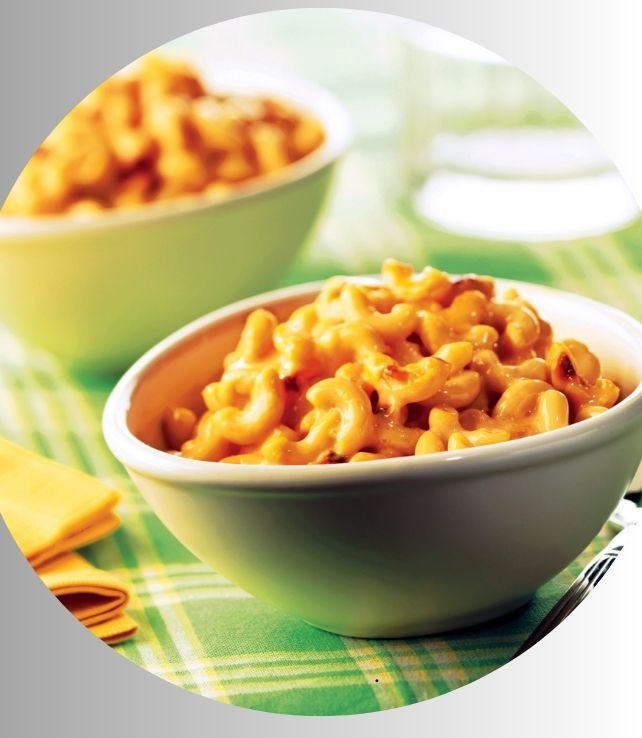
You have a box of Mueller’s elbow macaroni in your pantry. You want a simple, reliable method to turn it into a creamy, satisfying mac and cheese without relying on a processed powder. This is that method.
I developed this recipe after years of working with clients who wanted the comfort of a classic dish with a clearer nutritional profile. It uses the familiar Mueller’s pasta as a foundation, but builds a real cheese sauce from scratch. The result is a dish that feels both nostalgic and freshly made.
Below, you’ll find the detailed recipe, followed by a comprehensive guide to ingredients, techniques, and adaptations. My goal is to provide you with everything you need to understand and master this dish.
How to Make Mueller’s Mac and Cheese Recipe
This recipe follows a standard béchamel-based method, which gives you complete control over texture and flavor. The key is patience when making the roux and gradually incorporating the milk.
Recipe Details
- Prep Time: 10 minutes
- Cook Time: 25 minutes
- Servings: 6
- Course: Main Course, Side Dish
- Cuisine: American
- Diet: Vegetarian
Ingredients
- 1 box (16 oz) Mueller’s Elbow Macaroni
- 1/4 cup unsalted butter
- 1/4 cup all-purpose flour
- 3 cups whole milk, warmed
- 1 teaspoon dry mustard powder
- 1/2 teaspoon paprika
- 1/4 teaspoon ground white pepper (black pepper is fine)
- 1/2 teaspoon kosher salt, plus more for pasta water
- 12 ounces sharp cheddar cheese, grated (about 3 cups)
- 4 ounces Gruyère or Monterey Jack cheese, grated (about 1 cup)
- Optional: 1/4 cup grated Parmesan cheese for topping
Instructions
- Bring a large pot of generously salted water to a boil. Add the Mueller’s elbow macaroni and cook according to package directions for “al dente,” usually 7-8 minutes. Drain and set aside.
- While the pasta cooks, grate all your cheeses. Combining them in a bowl ensures even distribution later. Warm the milk in a saucepan or microwave until just steaming; this prevents the sauce from cooling down and seizing when added.
- In the now-empty pasta pot (or a large saucepan), melt the butter over medium heat. Once foaming subsides, whisk in the flour. Cook this roux, whisking constantly, for about 2 minutes until it turns a light golden color and smells slightly nutty. This cooks the raw flour taste out.
- Slowly pour in the warm milk, whisking vigorously and constantly to prevent lumps. Continue whisking until the mixture is smooth and begins to thicken, about 3-5 minutes.
- Reduce heat to low. Whisk in the dry mustard, paprika, white pepper, and salt.
- Begin adding the grated cheeses a handful at a time, whisking until each addition is fully melted and incorporated before adding the next. Continue until all cheese is melted and the sauce is smooth.
- Remove the pot from the heat. Add the drained pasta to the cheese sauce. Stir gently but thoroughly until every piece of macaroni is coated.
- For a baked version, transfer the mixture to a greased 9×13 inch baking dish, sprinkle with optional Parmesan, and broil for 2-3 minutes until the top is spotty brown. Serve immediately.
Nutrition
- Calories: 580 kcal
- Protein: 28 g
- Fat: 30 g
- Carbohydrates: 48 g
- Sugar: 8 g
- Fiber: 2 g
- Sodium: 620 mg
- Cholesterol: 90 mg
Note: Nutritional information is an estimate per serving for the stovetop version, calculated with the listed ingredients.
Cooking Method
This recipe primarily uses the stovetop for both boiling pasta and creating the sauce. The final step can be finished on the stovetop for a creamy version or under a broiler for a baked, textured top. The stovetop method is faster and yields a saucier dish, while broiling adds visual appeal and a contrast in texture.
Tools Needed
- Large pot for boiling pasta
- Colander
- Large saucepan or Dutch oven (can be the same pot used for pasta)
- Whisk
- Grater (box grater or food processor attachment)
- Measuring cups and spoons
- 9×13 inch baking dish (optional, for baked finish)
Understanding Your Ingredients: A Deep Dive
Each component in this dish plays a specific role. Understanding these roles allows you to make informed substitutions and troubleshoot any issues.
The Foundation: Mueller’s Elbow Macaroni
Mueller’s is a brand of durum wheat semolina pasta. Its shape is not arbitrary. The short, curved tube is designed to trap and hold sauce within its hollow center and along its ridged exterior. Cooking it to al dente (firm to the bite) is critical, as it will continue to soften slightly in the hot cheese sauce. Overcooked pasta becomes mushy and can make the final dish seem pasty.
The Cheese Selection: Flavor and Function
Cheese is both the flavor and the thickening agent. A blend works best.
Sharp Cheddar
This provides the dominant, tangy flavor and excellent meltability. Its age contributes a depth that mild cheddar lacks. The sharpness cuts through the richness of the sauce.
Gruyère or Monterey Jack
Gruyère adds a subtle, nutty complexity and promotes a smooth, silky melt due to its lower acidity. Monterey Jack is a more accessible alternative, offering a buttery, mild flavor and exceptional meltability for a consistently creamy sauce.
The Science of Melting
Cheeses melt well when they have adequate moisture and fat, and lower acidity. Pre-grating your cheese from a block is non-negotiable. Pre-shredded cheeses are coated with anti-caking agents like cellulose, which can make your sauce grainy and prevent it from emulsifying smoothly.
The Sauce Base: Roux and Milk
The butter and flour mixture (roux) is a starch-based thickener. Cooking it for two minutes denatures the starch granules, allowing them to absorb liquid more effectively and preventing a “raw flour” taste.
Whole milk is recommended for its fat content, which carries flavor and contributes to a luxurious mouthfeel. The proteins in milk (casein and whey) also interact with the starch and fat to create a stable emulsion. Warming the milk before adding it to the roux prevents the fat in the roux from solidifying, which is a common cause of lumpy sauce.
The Flavor Enhancers
Dry mustard powder doesn’t make the dish taste like mustard. Its enzymes act as an emulsifier, helping to bind the fat and water in the sauce, and it brightens the overall cheese flavor. Paprika adds a hint of sweetness and color. White pepper provides gentle heat without the visible black specks of black pepper.
Nutritional Perspective on a Classic Dish
From a dietary standpoint, this dish is a source of energy-dense macronutrients: complex carbohydrates from the pasta, protein and fat from the cheese and milk. The protein comes primarily from casein in the dairy, a slow-digesting protein that can promote satiety.
The sodium content is notable, largely from the cheese. Using a measured amount of added salt and choosing lower-sodium cheese varieties can manage this. The dish provides calcium for bone health and B vitamins from the enriched pasta.
To increase the fiber and nutrient density, consider serving it with a large side of steamed vegetables like broccoli or a mixed green salad. This adds volume, vitamins, and minerals, creating a more balanced plate.
Adapting the Recipe for Dietary Needs
With a few considered swaps, this recipe can accommodate various dietary requirements without sacrificing texture or taste.
Gluten-Free Adaptation
Substitute the Mueller’s elbow macaroni with a gluten-free pasta made from brown rice, quinoa, or a legume blend. Cook it precisely to package directions, as gluten-free pasta often has a narrower window between al dente and mushy. Use a 1:1 gluten-free flour blend in place of all-purpose flour for the roux.
Dairy-Free and Vegan Adaptation
This requires more significant changes. For the pasta, ensure it is egg-free. For the sauce, use a plant-based butter alternative and a neutral-flavored oil for the roux. The milk can be replaced with an unsweetened, unflavored plant milk like oat or soy milk; avoid strongly flavored varieties like coconut.
The cheese is the biggest challenge. Use a commercial vegan cheese shreds designed to melt, or make a sauce base from blended cashews, nutritional yeast (for a cheesy flavor), white miso paste, and tapioca starch (for stretch). The technique remains similar: create a roux, add warm plant milk, then incorporate your vegan “cheese” element until smooth.
Lower-Fat Version
Use 2% milk instead of whole milk. Reduce the butter to 3 tablespoons and use a sharp, flavorful reduced-fat cheddar. The sauce may be slightly less rich, but the flavor from the aged cheese will remain prominent. You can also increase the dry mustard or add a dash of hot sauce to perk up the flavor profile.
The Story of Macaroni and Cheese
The roots of macaroni and cheese trace back to medieval Italy, with recipes for pasta with butter and cheese appearing in 13th-century cookbooks. It gained prominence in the United States in the late 18th century, famously served by Thomas Jefferson after he encountered it in Europe.
The dish evolved from a luxury for the wealthy to a staple in American homes, especially with the mass production of dried pasta and the introduction of boxed mixes in the 20th century. This recipe, using a widely available brand like Mueller’s, sits in that tradition of accessible home cooking—bridging the convenience of a pantry staple with the from-scratch technique of an earlier era.
Common Mistakes and How to Avoid Them
Avoiding these pitfalls will guarantee a smooth, flavorful result every time.
Lumpy Sauce
Cause: Adding cold milk to the roux, or adding the milk too quickly without constant whisking.
Solution: Warm your milk first. Add it in a slow, steady stream while whisking the roux vigorously.
Grainy or Stringy Sauce
Cause: Overheating the cheese sauce or using pre-shredded cheese with anti-caking agents. High heat can cause the cheese’s proteins to coagulate and separate from the fat.
Solution: Remove the pot from the heat before adding the cheese. Use block cheese you grate yourself. Let the residual heat melt the cheese gently.
Dry or Thick Mac and Cheese
Cause: The pasta continues to absorb sauce as it sits. Undersaucing from the start is a common error.
Solution: Make sure your sauce is slightly looser than your desired final consistency in the pot. It will tighten up when combined with the pasta and as it cools on the plate.
Bland Flavor
Cause: Using mild cheese, underseasoning, or not cooking the roux long enough.
Solution: Use aged, sharp cheeses. Do not skip the dry mustard and pepper. Season in layers: salt the pasta water, season the sauce, and taste at the end before serving.
Serving, Pairing, and Storing Your Dish
This macaroni and cheese is substantial enough to be a main course but also works as a side.
For a complete meal, pair it with a crisp, acidic component to balance the richness. A simple arugula salad with a lemon vinaigrette, roasted Brussels sprouts with a balsamic glaze, or tangy coleslaw are excellent choices. For protein, grilled chicken, pan-seared sausages, or baked beans complement it well.
Leftovers can be stored in an airtight container in the refrigerator for up to 4 days. Reheat gently in a saucepan over low heat with a small splash of milk to loosen the sauce. The microwave can also be used, but heat in short intervals, stirring between each, to avoid overheating the cheese. The pasta will soften further upon reheating. This dish does not freeze well, as the dairy-based sauce can separate and become grainy when thawed.
Frequently Asked Questions
Can I use a different shape of Mueller’s pasta?
Yes. Any short shape with good sauce-carrying capacity will work, such as cavatappi, shells, or rotini. The cooking time will vary, so follow the package directions for al dente.
Why did my sauce become oily?
This is called “breaking,” and it happens when the emulsion of fat and water separates, usually from excessive heat. To fix it, remove the pot from heat and whisk in a tablespoon of cold milk or lemon juice. It may not become perfectly smooth again, but it can help re-emulsify it.
Can I make this recipe ahead of time?
You can prepare the sauce and cook the pasta separately up to a day ahead. Store them separately in the refrigerator. When ready to serve, reheat the sauce gently, combine with the pasta, and add a little extra milk if needed to reach the desired consistency.
What can I use instead of dry mustard powder?
An equal amount of Dijon mustard can be used. Add it when you add the other seasonings to the milk sauce. The flavor will be slightly more pronounced.
Is it necessary to bake the mac and cheese?
No, it is not necessary. The stovetop version is creamy and ready to eat. Baking or broiling is only for achieving a browned, textured top. If you choose to bake a full dish, cover it with foil for most of the baking time to prevent drying out, then uncover to brown the top.
How can I add more protein to this dish?
Stir in cooked, diced ham, grilled chicken, or canned tuna (drained) after combining the pasta and sauce. For a plant-based protein, add a can of rinsed white beans or lentils when you mix everything together.
My sauce is too thin. How can I thicken it?
Create a small amount of additional roux in a separate pan (1 tbsp butter + 1 tbsp flour), cook for a minute, then whisk in a ladle of your thin sauce to create a slurry. Whisk this slurry back into the main pot and cook for another minute or two until thickened.
