
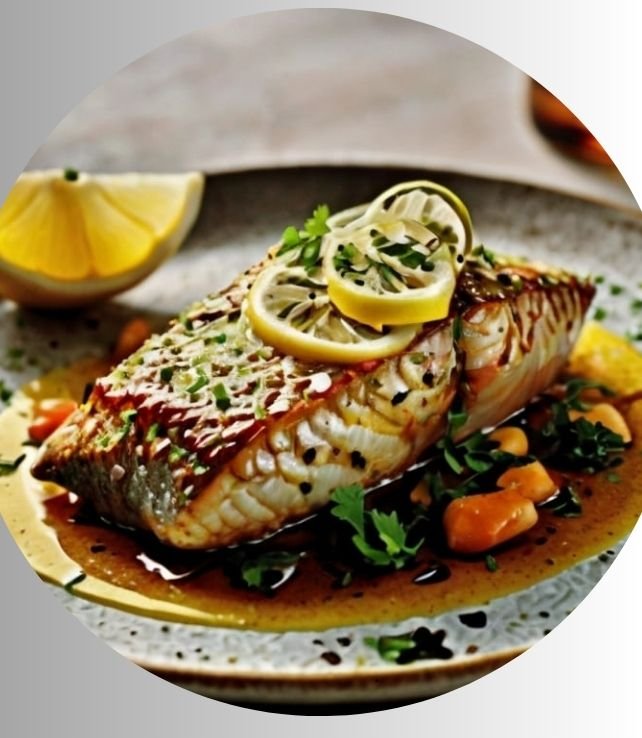
You have a beautiful, whole fish from the market, its scales shimmering with hints of copper and bronze. The fishmonger called it a longjaw mud snapper, and while you were drawn to its freshness, you’re now unsure how to treat this specific catch. I understand that moment completely. It’s the space between purchase and plate where confidence can waver.
This recipe is my answer to that uncertainty. It’s a method I developed after years of working with sustainable, lesser-known species, transforming the longjaw mud snapper’s firm, sweet flesh into a memorable meal. We will prepare it whole, using a simple yet precise technique that honors the fish’s character. The result is moist, flaky meat with a crisp, seasoned skin, served with aromatics that have steamed in its own juices.
Beyond the instructions, I want to provide the context that turns a recipe into knowledge. We will examine its nutritional profile, discuss its place in coastal culinary history, and explore how to adapt the method for other fish. My goal is for you to finish reading not only knowing how to cook this dish but understanding why each step matters.
Understanding the Longjaw Mud Snapper
Before we heat the oven, let’s consider the main ingredient. The longjaw mud snapper, scientifically Lutjanus johnii, is a member of the Lutjanidae family. It’s often found in the Indo-Pacific region, inhabiting muddy estuaries and coastal reefs. This environment contributes directly to its culinary profile.
Fishing in these turbid waters means the fish is active and robust, leading to a firmer muscle texture compared to open-water species. Its diet of crustaceans and smaller fish imparts a distinct, sweet flavor to its flesh, which is lean and holds together well during cooking. Recognizing these traits is the first step to cooking it correctly; it’s a fish that can handle bold seasoning and high heat without falling apart.
Choosing a sustainable source is crucial. I look for clear eyes, bright red gills, and a skin that is slick and metallic, not dull. A fresh fish should smell of the sea, not of fish. When you press the flesh, it should spring back immediately. These are the signs of quality that make the following effort worthwhile.
How to Make Longjaw Mud Snapper Recipe
This preparation is designed for a whole fish, typically between 1.5 to 2 pounds. Cooking it whole protects the delicate meat from drying out, as the bones and skin act as a natural insulator. The technique combines high-heat roasting for crispy skin with gentle, enclosed steaming for the interior.
Recipe Details
- Prep Time: 20 minutes
- Cook Time: 25-30 minutes
- Servings: 2-3 people
- Course: Main Course
- Cuisine: Coastal, Fusion
- Diet: Gluten-Free, Dairy-Free
Ingredients
- 1 whole longjaw mud snapper (1.5-2 lbs), scaled and gutted
- 2 tbsp neutral oil (like grapeseed or avocado)
- 1.5 tsp kosher salt
- 1 tsp freshly ground black pepper
- 1 lemon, thinly sliced
- 1 small bunch fresh cilantro or parsley
- 4-5 sprigs fresh thyme
- 3 cloves garlic, lightly smashed
- 1 inch piece of ginger, sliced into coins
- 1 small fennel bulb or 1 onion, thinly sliced (for the roasting bed)
Instructions
- Preheat your oven to 425°F (220°C). This high temperature is essential for rendering the fat in the skin and achieving a crisp finish.
- Prepare the fish. Pat the snapper completely dry inside and out with paper towels. This is the most critical step for crispy skin. Using a sharp knife, make 3-4 diagonal slashes, about ½ inch deep, on each side of the fish. This allows heat to penetrate evenly and helps seasoning reach the interior.
- Season thoroughly. Rub the oil all over the fish, including inside the cavity. Evenly distribute the salt and pepper over the exterior and inside the slashes. Do not be shy with the seasoning; much of it will season the skin and exterior flesh.
- Stuff the cavity. Place the lemon slices, cilantro, thyme, garlic, and ginger inside the belly of the fish. These will steam and perfume the meat from the inside as it cooks.
- Prepare the roasting pan. Scatter the sliced fennel or onion in the center of a rimmed baking sheet or small roasting pan to create a bed. This elevates the fish slightly, allows hot air to circulate, and prevents sticking. Place the stuffed fish on top of the vegetable bed.
- Roast the fish. Place the pan in the preheated oven. Roast for 25-30 minutes. The fish is done when the flesh at the thickest part (near the head) is opaque and flakes easily with a fork, and the internal temperature registers 145°F (63°C). The skin should be blistered and crisp.
- Rest and serve. Carefully transfer the fish to a serving platter, allowing it to rest for 5 minutes. This lets the juices redistribute. Serve directly from the platter, using a spoon and fork to separate the meat from the bones.
Nutrition
- Calories: ~280 kcal (per 6 oz serving of meat)
- Protein: 38 g
- Fat: 12 g
- Carbohydrates: 4 g
- Sugar: 1 g
- Fiber: 1 g
- Sodium: 850 mg
- Cholesterol: 75 mg
Cooking Method
The primary method here is high-heat roasting. However, the process creates a secondary effect. The moisture from the fish itself and the aromatics in the cavity turns to steam within the enclosed body, gently cooking the meat from the inside. The vegetable bed underneath also releases moisture, creating a mini-steam environment in the pan. This dual approach ensures the interior remains succulent while the exterior achieves texture.
Tools Needed
- Rimmed baking sheet or small roasting pan
- Sharp chef’s knife or fillet knife
- Paper towels
- Instant-read thermometer (highly recommended)
- Spatulas (for safe transfer)
Nutritional Analysis and Health Benefits
From a dietary perspective, this preparation offers a powerful nutritional profile. The longjaw mud snapper is a lean source of high-quality protein, essential for muscle repair and satiety. The fat present is primarily unsaturated, including omega-3 fatty acids which support cardiovascular and cognitive health.
The cooking method itself is a study in healthy technique. We use a small amount of oil to facilitate crisping, but we are not submerging the fish in fat. The majority of the flavor comes from herbs, citrus, and aromatics, not from added sauces high in sodium or sugar. The vegetables used in the bed contribute additional fiber and phytonutrients.
The sodium content listed is from the kosher salt used for seasoning. For those monitoring sodium intake, you can reduce this amount by half without drastically affecting the outcome. The cholesterol is dietary cholesterol, and current nutritional science indicates that for most people, the intake of saturated and trans fats has a greater impact on blood cholesterol levels than dietary cholesterol itself.
Macronutrient Focus: Protein and Fats
The 38 grams of protein per serving is a significant amount, contributing to a prolonged feeling of fullness and providing the building blocks for essential bodily functions. The fat, at 12 grams, includes the fish’s natural oils. These oils are where the fat-soluble vitamins (A, D, E, K) and omega-3s are stored. By roasting the fish whole, we retain more of these beneficial oils within the flesh compared to grilling, where they may drip away.
Dietary Adaptations and Variations
This recipe framework is inherently flexible. The core method of high-heat roasting a whole fish can be applied across dietary needs with simple modifications to the aromatics and accompaniments.
For a Low-FODMAP Diet
Replace the garlic and onion with garlic-infused oil (used in the rub) and the green tops of leeks or scallions for the roasting bed. The garlic flavor permeates the oil without the fructans that can cause digestive distress.
For a Nightshade-Free Adaptation
The recipe as written is nightshade-free. Avoid using paprika or chili-based rubs. The lemon, ginger, and herbs provide ample flavor without needing peppers or related spices.
Alternative Flavor Profiles
While the lemon-ginger-cilantro combination is bright and clean, you can easily pivot. A Mediterranean version could use rosemary, oregano, and slices of orange. A Southeast Asian twist might include lemongrass, makrut lime leaves, and a light brush of tamarind paste on the skin before roasting.
Cultural and Historical Context
The practice of roasting whole fish over fire or in communal ovens is one of humanity’s most ancient cooking methods. For coastal communities across the Indo-Pacific, where the longjaw mud snapper is native, this would have been a direct and efficient way to prepare the daily catch. The fish would be seasoned with whatever local herbs, sea salt, and citrus or acidic fruits were available.
This recipe doesn’t belong to a single, rigid tradition. Instead, it reflects a modern, global approach to seafood cookery that respects fundamental techniques. It combines the European principle of roasting with aromatics common in Asian and Latin American cuisines. This fusion is a natural result of our interconnected food world, where the best methods are applied to excellent ingredients, regardless of origin.
In many traditional fishing villages, snappers like this were often baked in clay ovens or wrapped in leaves and cooked in earth ovens. Our modern oven is a direct descendant of those techniques, offering controlled, dry heat that mimics those ancient practices.
Common Mistakes and How to Avoid Them
Success in the kitchen is often about avoiding a few key errors. Based on my experience teaching this method, here are the pitfalls and their solutions.
Wet Skin
Failing to pat the fish completely dry is the number one reason for soggy, rubbery skin. Moisture on the surface must evaporate before the skin can crisp. The paper towel step is non-negotiable.
Underseasoning
A whole fish has a large surface area and a thick cavity. Seasoning only the outside lightly will result in bland meat near the bone. Be generous with salt and pepper, ensuring it gets into the slashes and the interior.
Overcrowding the Pan
If the vegetable bed is too thick or the pan is too small, the fish will steam rather than roast. You want hot air to circulate. Use a pan just large enough to hold the fish and a single layer of vegetables.
Skipping the Rest
Cutting into the fish immediately after roasting will cause the precious juices to flood onto the plate. A brief five-minute rest allows the proteins to relax and reabsorb those juices, ensuring every bite is moist.
Serving Suggestions, Pairings, and Storage
Presenting the whole fish is part of the experience. Place it on a large platter with the roasted vegetables from the bed. I like to garnish with additional fresh herbs and lemon wedges.
Ideal Side Dishes
The flavors of the fish are bright and aromatic. Pair it with sides that complement without competing. A simple coconut rice absorbs the juices beautifully. A crisp salad of cucumber and mint with a rice vinegar dressing provides contrast. Roasted asparagus or sautéed greens like bok choy or spinach also work well.
Wine and Beverage Pairing
A dry, crisp white wine with good acidity cuts through the richness of the skin and mirrors the citrus notes. A Sauvignon Blanc, Albariño, or a dry Riesling are excellent choices. For a non-alcoholic option, sparkling water with a squeeze of lime or a cold, unsweetened jasmine tea are refreshing.
Storage and Reheating
Leftover fish should be cooled, then placed in an airtight container in the refrigerator for up to 2 days. The best way to reheat is gently in a covered skillet with a tablespoon of water or broth over low heat until just warmed through. You can also flake the cold fish over a salad. The skin will lose its crispness upon storage.
The Science of Crispy Skin and Flaky Flesh
The transformation in the oven is a series of chemical reactions. The high heat causes the proteins in the fish skin to contract and the fat underneath to render. Simultaneously, the Maillard reaction occurs—a complex browning reaction between amino acids and reducing sugars that creates hundreds of new flavor compounds, giving the skin its deep, savory taste and crisp texture.
Inside, the heat gently denatures the proteins in the muscle fibers. When these proteins unwind and bond together, they squeeze out moisture. However, because we are cooking the fish whole and with internal moisture (from the stuffing), the environment is humid. This slows the moisture loss, and the collagen around the bones and connective tissues slowly converts to gelatin, contributing to a silky, moist texture. The 145°F target temperature is the point at which these proteins are fully denatured and any potential pathogens are eliminated, while the flesh remains at its peak juiciness.
Frequently Asked Questions
Can I use fillets instead of a whole fish?
Yes, but the method changes. For fillets with skin, pat them dry, score the skin, and season. Place them skin-side down in a cold, oiled oven-safe skillet. Press gently for 30 seconds as the pan heats to prevent curling, then transfer the entire skillet to a 425°F oven for 8-10 minutes, depending on thickness. This method crisps the skin while the oven gently cooks the top.
My fish is larger than 2 pounds. How do I adjust the cooking time?
For a whole fish, a good rule is 10 minutes per inch of thickness at its widest point, measured with the stuffing inside. A 3-pound fish may be thicker, not just longer. Use the internal temperature of 145°F at the thickest part, near the head, as your ultimate guide. It may require 35-40 minutes.
What can I substitute for longjaw mud snapper?
Any firm, white-fleshed snapper or grouper will work well with this recipe. Red snapper, mangrove snapper, or black sea bass are excellent alternatives. The key is to choose a fish with a firm texture that can hold its shape during roasting.
How do I know the fish is fresh when buying it whole?
Look for clear, convex (bulging) eyes, not sunken or cloudy. The gills should be bright red, not brown or gray. The skin should be shiny and taut with tightly adhering scales. It should smell like clean seawater, not overly “fishy.” The flesh should be firm to the touch.
Is it difficult to debone the fish after cooking?
Not at all. After resting, use a spoon and a fork or a small knife. Gently pull the top fillet away from the backbone. Once the top fillet is removed, you can lift the entire backbone and rib cage away in one piece, revealing the bottom fillet. The small pin bones in the fillets are minimal in snappers and are usually soft enough to eat or can be easily removed.
Can I prepare the fish ahead of time?
You can scale, gut, and dry the fish up to 4 hours ahead. Keep it uncovered on a rack over a plate in the refrigerator. This further dries the skin, promoting crispiness. Season and stuff it just before it goes into the oven.
Why did my fish stick to the pan even with the vegetable bed?
This usually means the vegetables released their water and then it evaporated, leaving the fish in direct contact with the hot metal. Ensure your vegetable slices are thick enough (about 1/4 inch) to provide a consistent buffer. You can also lightly oil the vegetables before placing the fish on top.
