
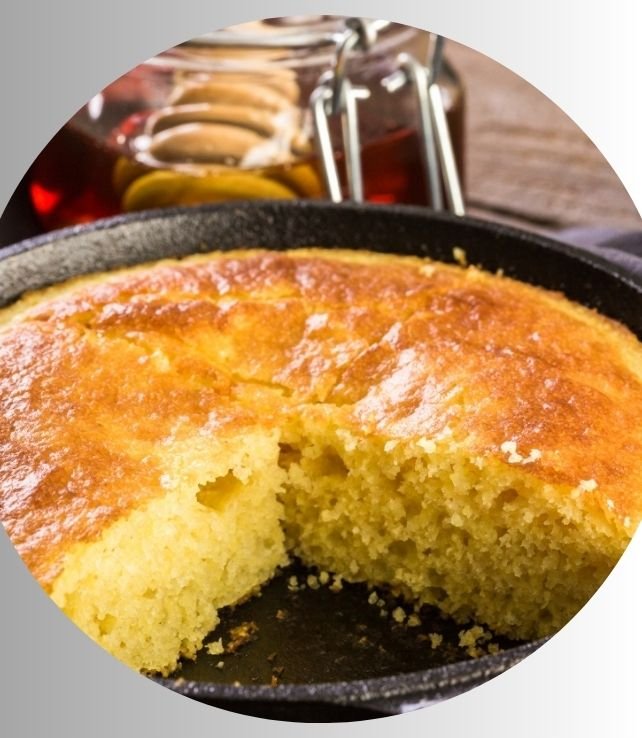
There is a particular sound that defines my childhood kitchen: the sharp crack of an egg on the rim of a Pyrex mixing bowl, followed by the soft rustle of a paper sack being opened. My grandmother’s hands, dusted with fine white powder, would measure with an assured grace that never involved a set of measuring cups. The result was always the same—a golden-brown disk of cornbread with a crust that shattered and a center that was tender, almost cake-like. She used one mix, and one mix only: Martha White.
This recipe is for that cornbread. It is a straightforward formula, but its simplicity is its strength. For generations, this approach has been a cornerstone of Southern meals, providing a quick, reliable, and delicious bread with minimal effort. I have made this recipe countless times, both in my grandmother’s well-seasoned cast-iron skillet and in my own modern kitchen, and I will guide you through every detail to achieve that perfect result.
Understanding the Foundation: Martha White Corn Meal Mix
To understand this recipe is to understand its primary component. Martha White Self-Rising Enriched White Corn Meal Mix is more than just ground corn. It is a pre-formulated blend designed for convenience and consistent performance. The “Self-Rising” designation means the leavening agents—baking soda and sodium acid pyrophosphate—are already included in the dry mix.
The “Enriched” part refers to the addition of essential vitamins and minerals. This is a common practice for milled grains, where nutrients lost during processing are added back. This mix is fortified with significant amounts of iron, B vitamins like niacin and thiamin, and folic acid, contributing to its nutritional profile.
Self-Rising Enriched White Corn Meal Mix
This specific mix uses a finely ground white cornmeal, which yields a lighter texture and milder flavor compared to its yellow or stone-ground counterparts. The fine grind allows for a more delicate crumb, which many people associate with classic Southern cornbread. The leavening system is calibrated to activate when combined with the wet ingredients, creating the gas bubbles that make the bread rise.
Why I Love This Recipe
From a culinary and nutritional perspective, this recipe holds a unique place. Its simplicity makes it accessible to cooks of any skill level, reducing the barrier to preparing a homemade staple. Nutritionally, it provides a source of complex carbohydrates from the corn and a small amount of plant-based protein. When prepared as directed, it is naturally low in sugar, allowing it to be a versatile companion to both savory and slightly sweet dishes.
How to Make Martha White Cornbread Recipe
This is the core method, perfected over time. The process is simple, but a few key techniques will elevate your final product from good to exceptional.
Recipe Details
- Prep Time: 5 minutes
- Cook Time: 20-25 minutes
- Servings: 8
- Course: Side Dish
- Cuisine: Southern
- Diet: Vegetarian
Ingredients
- 2 cups Martha White Self-Rising Enriched White Corn Meal Mix
- 1 1/2 cups whole milk
- 1 large egg
- 1/4 cup vegetable oil or melted butter, plus more for the skillet
Instructions
- Begin by preheating your oven to 450°F (230°C). This high heat is crucial for achieving a crisp, golden crust.
- While the oven heats, place a well-seasoned 9-inch or 10-inch cast-iron skillet inside. You want the skillet to become screaming hot. This step is non-negotiable for the perfect texture.
- In a medium mixing bowl, combine the Martha White corn meal mix, milk, egg, and 1/4 cup of oil. Stir with a fork or whisk just until the ingredients are combined. Do not overmix; a few small lumps are perfectly fine. Overmixing can lead to a tough cornbread.
- Carefully remove the hot skillet from the oven using oven mitts. Add a tablespoon of vegetable oil or a pat of butter to the skillet and swirl it around to coat the bottom and sides. The fat should sizzle immediately.
- Pour the batter directly into the hot, greased skillet. It will sizzle and may start to cook around the edges right away.
- Immediately place the skillet back into the preheated oven and bake for 20 to 25 minutes. The cornbread is done when the top is golden brown and the edges have pulled away from the sides of the skillet. A toothpick inserted into the center should come out clean.
- Let the cornbread cool in the skillet for about 5-10 minutes before slicing and serving. This allows the structure to set.
Nutrition
- Calories: 180 kcal
- Protein: 5 g
- Fat: 8 g
- Carbohydrates: 24 g
- Sugar: 2 g
- Fiber: 2 g
- Sodium: 320 mg
- Cholesterol: 30 mg
Cooking Method
The primary cooking method here is baking in a preheated vessel. This technique, often used for artisan bread, creates an immediate burst of steam from the batter hitting the hot surface. This steam helps the bread rise quickly and contributes to an airy interior, while the direct, radiant heat from the cast iron creates that signature crispy, almost fried, exterior crust.
Tools Needed
- 9 or 10-inch cast-iron skillet
- Mixing bowl
- Whisk or fork
- Oven mitts
- Measuring cups
Ingredients & Substitutions: A Deep Dive
While the recipe is simple, each component plays a specific role. Understanding these roles allows for intelligent substitutions and troubleshooting.
Martha White Corn Meal Mix
This is the foundation. If you cannot find this specific brand, you can create a close approximation. For every 2 cups of plain white cornmeal, add 2 teaspoons of baking powder and 1 teaspoon of salt. The texture and flavor will be slightly different, as the grind of the corn and the specific enrichment blend will vary.
The Role of Dairy: Milk and Buttermilk
The recipe calls for whole milk, which provides fat for tenderness and liquid for hydration. You can use any fat percentage of milk. A common variation is to use buttermilk instead. Buttermilk adds a pleasant tanginess and its acidity reacts with the baking soda in the mix, resulting in a slightly taller, more tender crumb with a finer texture. The question of “Can I use milk instead of buttermilk?” is common, and the answer is yes, but the final product will be different. For a closer buttermilk effect with regular milk, add 1 tablespoon of white vinegar or lemon juice to your 1 1/2 cups of milk and let it sit for 5 minutes before using.
Fats: Oil vs. Butter
Vegetable oil provides a neutral flavor and ensures a very moist crumb. Melted butter will contribute a richer, more distinct flavor. Either works well. The fat you use to grease the hot skillet also impacts flavor; bacon drippings are a traditional and flavorful choice for a savory cornbread.
The Binding Agent: The Egg
The egg acts as an emulsifier and binder, giving the cornbread structure so it doesn’t crumble excessively when sliced. For a vegan adaptation, a “flax egg” (1 tablespoon ground flaxseed mixed with 3 tablespoons water, left to thicken for 5 minutes) can be used as a substitute.
Nutritional Breakdown
As a dietitian, I find it useful to look at this cornbread not in isolation, but as part of a larger meal. A single serving provides a good source of energy primarily from complex carbohydrates. The enrichment process adds back iron, which is essential for oxygen transport in the blood, and B vitamins like thiamin and niacin, which are crucial for converting food into energy.
The absolute values for fat and sodium are moderate. The fat content comes largely from the oil used, which can be adjusted based on your dietary needs. The sodium is primarily from the leavening agents and any salt in the cornmeal mix itself. For those monitoring sodium intake, using a low-sodium cornmeal mix in a from-scratch version would be the best approach.
Dietary Adaptations
This classic recipe can be modified to suit various dietary needs without sacrificing its essential character.
Gluten-Free
Martha White corn meal mix is naturally gluten-free, as it is made from corn. However, always check the packaging for any “may contain” warnings if you have celiac disease or a severe sensitivity, as cross-contamination can occur during milling.
Vegan and Dairy-Free
To make this recipe vegan, make two swaps. First, replace the milk with an unsweetened plant-based milk like soy or oat milk. Second, replace the egg with a flax egg or a commercial egg replacer. The texture will be slightly more dense but still very good.
Lower-Fat Version
You can reduce the oil in the batter to 2 tablespoons and use a non-stick cooking spray to grease the hot skillet instead of additional oil. The crust will be less crisp, but the calorie and fat content will be lower.
Cultural & Historical Context
Cornbread is not merely a food in the American South; it is a historical record. Its origins lie with Native American tribes who cultivated corn and made simple cakes from ground corn and water. European settlers adopted this practice, adding their own ingredients like milk, eggs, and leavening.
The preference for white cornmeal over yellow is a distinct regional characteristic, particularly in the states of the Deep South. This style of cornbread, made with little to no wheat flour and no added sugar, is often called “Southern Cornbread.” It is typically savory and is designed to be eaten alongside other foods, often sopping up juices and sauces. The term “corn pone” refers to a very simple type of cornbread, often made with just cornmeal, water, and salt, and baked or fried, making it a specific variation within the broader cornbread family.
Common Mistakes & Expert Tips
Avoiding a few common pitfalls will guarantee a perfect batch every time.
Preheating the Skillet
This is the single most important step for texture. A cold skillet will result in a pale, soft crust and a denser interior. The hot iron gives the cornbread a head start, creating a crisp, browned outside and a light, steamy inside.
Do Not Overmix the Batter
Stir the ingredients until they are just combined. Overmixing develops the gluten-like proteins in the cornmeal, leading to a tough and gummy texture. A lumpy batter is a good batter.
Understanding Your Oven
Oven temperatures can vary. If your cornbread is browning too quickly on top but is still wet inside, tent it loosely with aluminum foil for the remainder of the baking time. An oven thermometer is a small investment that ensures accuracy.
Seasoning and Caring for Cast Iron
A well-seasoned cast-iron skillet is naturally non-stick and imparts flavor. To clean it, avoid soap. Instead, use hot water and a stiff brush or salt as a scrubber. Dry it thoroughly over a low burner, then wipe a very thin layer of oil inside it while it’s still warm. This process builds up a polymerized layer that protects the iron.
What To Serve With Cast-Iron Skillet Cornbread
This cornbread is a versatile partner for a wide range of meals. It is a classic component of a “meat and three” vegetable plate. Serve it with a bowl of pinto beans, turnip greens, or black-eyed peas. Crumble it into a glass of cold buttermilk for a traditional Southern snack. It is also the essential base for a Thanksgiving dressing or stuffing.
For a hearty breakfast, a square of leftover cornbread, warmed and served with a pat of butter and a drizzle of molasses or honey, is a simple pleasure. It can also be used to make croutons for a salad or as a topping for a savory casserole.
What To Do With Leftovers
Leftover cornbread will keep for 2-3 days at room temperature, wrapped tightly or in an airtight container. For longer storage, freeze it for up to 3 months.
Stale cornbread should not be thrown away. It is ideal for making dressing or stuffing. You can also pulse it in a food processor to make cornbread crumbs for breading chicken or fish. Another traditional use is to make “mush” or cornbread porridge by crumbling it into warm milk.
Frequently Asked Questions
What is the best pan to cook cornbread?
A well-seasoned cast-iron skillet is the best pan for this recipe. The heavy iron distributes heat evenly and retains it exceptionally well, creating an unparalleled crust. The preheating step is key to its success.
Can I bake cornbread in a glass dish?
Yes, you can use a glass or ceramic baking dish. However, do not preheat the glass dish as you would a cast-iron skillet, as thermal shock can cause it to crack. Grease the cold dish, add the batter, and then place it in the preheated oven. The texture will be softer and more cakelike, without the crisp crust.
Are cornbread and corn muffin mix the same?
They are similar but not identical. Corn muffin mix typically contains more sugar and sometimes a small amount of wheat flour, resulting in a sweeter, softer, and more cakelike product. Martha White Corn Meal Mix is designed for a more traditional, savory-leaning cornbread.
How do you season a cast iron cornbread pan?
After washing and thoroughly drying the skillet, place it over low heat for a minute. Using a paper towel, rub a very thin layer of a high-smoke-point oil (like vegetable, canola, or flaxseed oil) over the entire interior surface. Place it upside down in a 450°F oven for one hour, with a sheet of aluminum foil on the rack below to catch drips. Repeat this process several times to build a strong seasoning.
Is corn pone the same as cornbread?
Corn pone is a type of cornbread, but it is typically simpler. Traditional corn pone recipes often omit milk, eggs, and leavening, containing only cornmeal, water, and salt. It was historically baked in the ashes of a fire or on a hoe blade, resulting in a dense, flatbread. Modern cornbread, like this recipe, is more of a quick bread.
