
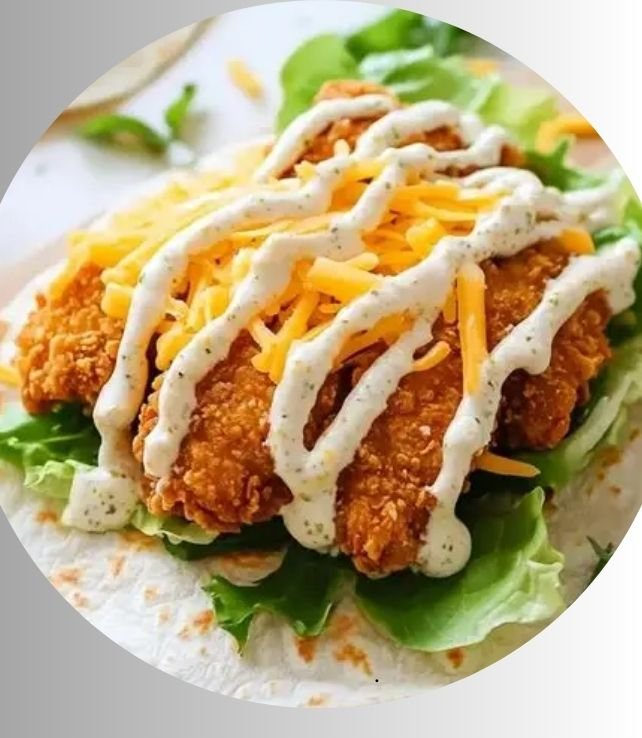
You have likely found yourself in a situation where you want the specific taste of a fast food item, but prefer to control the ingredients in your own kitchen. I have been there many times, particularly with the Snack Wrap. The combination of a warm, seasoned protein, cool crisp vegetables, and a creamy sauce wrapped in a soft tortilla creates a balanced and convenient meal.
This guide provides a method to prepare that specific flavor profile at home. We will examine the components in detail, from selecting the right tortilla to replicating the seasoning blend, and I will share the adjustments I make for a more nutrient-dense result. The recipe itself is straightforward, but the true value lies in understanding how each element contributes to the final product.
How to Make McDonald’s Snack Wrap Recipe
This section details the step-by-step process to assemble the wrap. The goal is to mirror the original’s construction and texture. I prepare the chicken and sauce first, allowing flavors to develop while I chop the vegetables. This sequence ensures every component is ready for assembly at the same time.
Recipe Details
- Prep Time: 25 minutes
- Cook Time: 15 minutes
- Servings: 4 wraps
- Course: Main Course, Snack
- Cuisine: American Fast-Food Inspired
- Diet: Can be adapted
Ingredients
- 4 large flour tortillas (10-inch/25cm)
- 2 boneless, skinless chicken breasts (about 1 lb / 450g)
- 1/4 cup all-purpose flour
- 2 teaspoons paprika
- 1 teaspoon garlic powder
- 1 teaspoon onion powder
- 1/2 teaspoon salt
- 1/2 teaspoon black pepper
- 1/4 teaspoon cayenne pepper (optional)
- 1/4 cup buttermilk or milk
- 2 tablespoons vegetable oil, for frying
- 4 leaves green leaf or romaine lettuce, shredded
- 1/2 cup shredded cheddar cheese
- 1 medium tomato, seeds removed and diced
For the Creamy Sauce:
- 1/2 cup mayonnaise
- 2 tablespoons sour cream
- 1 tablespoon white vinegar
- 2 teaspoons sugar
- 1 teaspoon paprika
- 1/2 teaspoon garlic powder
- 1/2 teaspoon onion powder
- 1/4 teaspoon salt
- 2 tablespoons milk or buttermilk, to thin
Instructions
- Prepare the sauce by combining all sauce ingredients in a small bowl. Whisk until smooth. Add milk one tablespoon at a time until it reaches a drizzle-able consistency. Cover and refrigerate.
- Place chicken breasts between two sheets of plastic wrap and pound to an even 1/2-inch thickness. Slice each breast into 1/2-inch wide strips.
- In a shallow bowl, mix flour, paprika, garlic powder, onion powder, salt, black pepper, and cayenne. Pour buttermilk into a separate bowl.
- Dip each chicken strip in buttermilk, then dredge in the flour mixture, pressing to adhere. Place on a wire rack for 5 minutes to let the coating set.
- Heat oil in a large skillet over medium heat. Cook chicken strips for 3-4 minutes per side, until golden brown and cooked through. Transfer to a clean wire rack.
- Warm tortillas in a dry skillet for 15-20 seconds per side, or according to package directions, to make them pliable.
- To assemble, place a warm tortilla on a flat surface. Spread about 1.5 tablespoons of sauce down the center. Add a portion of shredded lettuce, diced tomato, and shredded cheese.
- Place 3-4 warm chicken strips on top of the vegetables. Fold the bottom edge of the tortilla up over the filling, then fold the sides in, rolling tightly to form a wrap.
- If desired, wrap the bottom half in parchment paper for easier handling. Serve immediately.
Nutrition
- Calories: 610 kcal
- Protein: 35 g
- Fat: 38 g
- Carbohydrates: 38 g
- Sugar: 6 g
- Fiber: 3 g
- Sodium: 980 mg
- Cholesterol: 105 mg
Note: Nutritional values are estimates per wrap using full-fat ingredients and will vary with specific brands and adaptations.
Cooking Method
The primary method here is pan-frying for the chicken. This technique creates a crisp exterior through the Maillard reaction—a chemical process between amino acids and sugars that produces complex flavors and a browned surface. The shallow oil conducts heat directly to the coated chicken, setting the crust quickly to retain moisture inside.
Tools Needed
- Cutting board and sharp knife
- Meat mallet or heavy pan
- Two shallow bowls for dredging
- Wire rack (for setting coating and draining chicken)
- Large skillet (10 or 12-inch)
- Tongs
- Small mixing bowl and whisk
- Measuring spoons and cups
Ingredient Analysis and Selection
Each component of the wrap serves a specific textural and flavor purpose. Understanding these roles allows for informed substitutions without compromising the core experience.
The Foundation: Tortillas
The tortilla is the structural vessel. The original uses a 10-inch flour tortilla, which is large enough to contain the filling but pliable enough to fold without cracking. Flour tortillas, made from wheat flour, water, fat, and salt, are more elastic than corn due to gluten development. For a pliable wrap, look for tortillas with a shorter ingredient list that include a fat like oil or shortening; these stay softer. I avoid “low-carb” wraps for this application, as they can be brittle.
The Protein: Chicken Preparation
The chicken is a lean protein source, typically breast meat. Pounding it to an even thickness is non-negotiable; it ensures quick, uniform cooking. The coating is not a thick, tempura-style batter but a light, seasoned flour dredge. The buttermilk acts as a binder and its slight acidity tenderizes the meat. The spice blend is a simplified “Italian seasoning” mix, heavy on paprika for color and sweetness, with garlic and onion powder providing a savory base note without the texture of fresh alliums.
Spice Blend Breakdown
Paprika provides a sweet, earthy note and the signature red hue. Garlic and onion powders offer consistent, dispersed savory flavor. The optional cayenne adds a subtle heat that contrasts the creamy sauce. This blend differs from a Southern fried chicken seasoning, which might include more herbs like thyme or oregano.
The Vegetables: Texture and Freshness
Lettuce and tomato are not mere garnishes. They introduce crucial textural contrast (crisp, juicy) and temperature contrast (cool) against the warm, soft chicken and tortilla. Using sturdy lettuce like romaine or green leaf ensures it doesn’t wilt immediately. Removing the watery seed pulp from the tomato prevents a soggy wrap.
The Sauce: Flavor Unifier
The creamy sauce is the condiment that ties all elements together. It is a variant of a ranch-style dressing, but with a simpler, more tangy and sweet profile. The combination of mayonnaise (fat, richness), sour cream (tang), vinegar (acid), and sugar (sweetness) creates a balanced emulsion. The spices mirror those on the chicken, creating a cohesive flavor loop. Thinning it with milk makes it a spreadable sauce rather than a dollop of dressing.
Nutritional Breakdown and Dietary Considerations
From a dietary perspective, a homemade version offers complete control over nutrient density and portion size. The primary nutritional considerations are sodium, saturated fat from the sauce and frying, and refined carbohydrates from the tortilla.
Macronutrient Profile
Each wrap provides a substantial amount of protein (approximately 35g), which supports satiety and muscle maintenance. The fat content is significant, largely from the mayonnaise, oil, and cheese. Carbohydrates come from the tortilla, coating, and vegetables. The fiber content can be increased by using a whole-wheat tortilla and leaving the tomato seeds in.
Practical Dietary Adaptations
Many ingredients have straightforward swaps that accommodate dietary needs while preserving the eating experience.
Gluten-Free Adaptation
Use a certified gluten-free flour blend for the chicken dredge and select a gluten-free tortilla made from corn, cassava, or a grain-free blend. Verify all spice blends are gluten-free, as some may contain additives.
Dairy-Free and Vegan Adaptation
For a vegan version, replace the chicken with seasoned, baked chickpeas, crispy tofu strips, or a plant-based chicken alternative. Use a plant-based milk (unsweetened soy or oat work well) for the dredge and sauce. Substitute mayonnaise and sour cream with vegan alternatives. Omit cheese or use a plant-based shred. The sauce will be slightly different but can still achieve a creamy, tangy result.
Lower-Fat and Lower-Sodium Version
To reduce fat, bake the chicken strips at 425°F (220°C) on a parchment-lined sheet pan sprayed with oil for 15-20 minutes. Use a light mayonnaise and low-fat sour cream or Greek yogurt in the sauce. Reduce or omit the added salt in the spice blend and sauce, relying on the spices for flavor. Use a low-sodium tortilla and reduce the cheese amount.
Cultural and Historical Context of the Wrapped Snack
The Snack Wrap, introduced by McDonald’s in the mid-2000s, was a product of its time. It responded to several cultural trends: the demand for more portable, “on-the-go” food options, the growing popularity of wraps as a perceived healthier alternative to sandwiches, and the desire for familiar flavors in a new format.
It essentially deconstructed the classic Chicken McNuggets with dipping sauce experience into a single, handheld unit. The concept of wrapping seasoned meat and vegetables in flatbread is ancient, seen in cultures worldwide from Mexican burritos to Greek gyros to Chinese mu shu pork. The Snack Wrap modernized this universal concept through the lens of fast-food efficiency and flavor consistency.
Common Mistakes and Techniques for Improvement
Several small errors can lead to a wrap that falls apart or tastes unbalanced. These tips are based on repeated testing in my own kitchen.
Soggy or Broken Tortillas
A soggy wrap often results from assembling while the chicken is too hot, steaming the tortilla from the inside, or from using vegetables with high water content (like un-drained tomatoes). Let the chicken cool for 2-3 minutes after cooking. Always warm the tortilla; a cold tortilla is more likely to crack when folded. Assemble just before eating.
Bland or Unevenly Seasoned Chicken
The seasoning must adhere to the chicken. After dredging, let the coated strips rest on a wire rack for 5 minutes. This allows the buttermilk to hydrate the flour, creating a paste that will cling during cooking and form a better crust. Taste your spice mix; if your paprika is old, it will have little flavor.
Sauce Consistency Issues
A sauce that is too thick will clump, while one too thin will run out and make the tortilla wet. Aim for a consistency similar to pancake syrup. Add the thinning liquid (milk) gradually, whisking continuously until it flows slowly from the whisk.
Serving, Pairing, and Storage Guidance
This wrap is designed as a standalone item, but it exists within a broader meal context.
Serving Suggestions
I serve these immediately after assembly. If preparing multiple wraps for a group, have all components prepped and set up an assembly line, cooking the chicken last. For a more complete fast-food style meal, consider pairing with oven-baked potato wedges or a simple side salad with a vinaigrette to cut the richness of the wrap.
Storage and Reheating
Assembled wraps do not store well. Components should be stored separately. Cooked chicken strips can be refrigerated in an airtight container for 3 days. Reheat in an air fryer or toaster oven at 375°F (190°C) for 3-4 minutes to re-crisp the coating. The sauce can be refrigerated for up to 5 days. Store chopped vegetables separately in the refrigerator. Assemble fresh when ready to eat.
The Science of the Coating and Sauce Emulsion
Two key scientific processes are at work here. First, the chicken coating relies on starch gelatinization. When the flour-coated chicken hits hot oil, the starch granules absorb water, swell, and set into a crisp network. The proteins in the flour and buttermilk also coagulate, adding structure.
Second, the sauce is a stable oil-in-water emulsion. The mayonnaise is itself an emulsion (oil droplets suspended in egg yolk and vinegar). When we add sour cream and milk, we are diluting and re-stabilizing that emulsion with new water-based liquids and fats. The whisking action breaks the oil into tiny droplets that remain dispersed, creating a smooth, creamy texture. Adding the liquids slowly while whisking is crucial to prevent the emulsion from breaking and becoming greasy.
Frequently Asked Questions
Can I use chicken tenders instead of chicken breasts?
Yes, chicken tenders are an excellent choice. They are naturally a good size and often more tender. You will not need to pound them, simply dredge and cook. Adjust cooking time slightly as they may cook faster than pounded breast strips.
What can I use if I don’t have buttermilk?
You can make a suitable substitute by adding 1 tablespoon of white vinegar or lemon juice to 1 cup of regular milk. Let it sit for 5 minutes until it slightly curdles. This acidity is what tenderizes the chicken and helps the coating adhere.
How can I make this recipe spicier?
Increase the cayenne pepper in the chicken coating to 1/2 teaspoon or add a pinch of chili powder. For the sauce, a few dashes of hot sauce or a 1/4 teaspoon of chipotle powder will add a smoky heat.
Is it possible to air fry the chicken for this wrap?
Absolutely. For a less oily result, air fry the coated chicken strips at 400°F (200°C) for 10-12 minutes, flipping halfway through. Spray the strips lightly with cooking oil before air frying to promote browning and crisping.
Why is my sauce separating or tasting too vinegary?
Separation occurs if the ingredients are too cold or if they are combined too quickly. Ensure all ingredients are at room temperature and whisk the base mayonnaise and sour cream together thoroughly before slowly adding the vinegar and milk. If it tastes too sharp, balance it with a small additional pinch of sugar.
What type of paprika is best for this recipe?
Standard sweet paprika is ideal. It provides color and a mild pepper flavor without smokiness or intense heat. Avoid hot paprika or strongly smoked Spanish paprika unless you specifically want those flavors to dominate.
Can I prepare the components ahead of time?
You can prepare the sauce and chop the vegetables up to a day in advance. Store them separately in the refrigerator. You can also mix the dry seasoning for the chicken. I recommend cooking the chicken and assembling the wraps just before serving for the best texture.
How does the nutrition compare to the original McDonald’s version?
The homemade version, as written, is likely similar in calories and fat but uses ingredients you can identify. The primary advantage is control: you can adjust salt, use whole-grain tortillas, bake the chicken, or modify the sauce to better align with your nutritional goals, something not possible with a pre-made fast-food item.
