
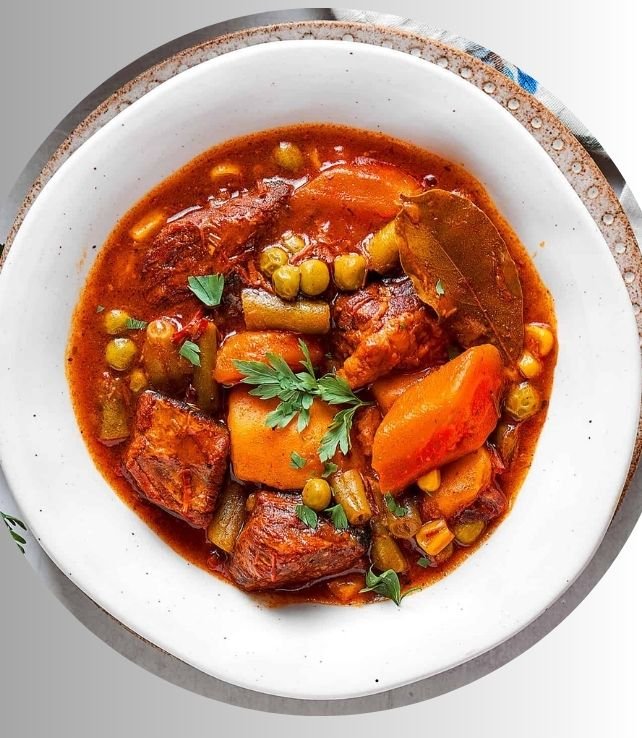
There is a pot of soup simmering on my stove that tells a story of resourcefulness. It’s not a dish with a precise pedigree or a list of rare ingredients. Instead, it’s built from what you have, a lesson in making something substantial from simple, available components.
This method, often called hobo stew, is more a principle than a fixed formula. It’s about transforming humble vegetables, affordable cuts of meat, and pantry staples into a complete, satisfying meal in a single pot. The result is deeply flavorful, economical, and adaptable to nearly any diet or preference.
Below, you will find my tested and detailed version of this classic approach. I’ll guide you through each step, explain the purpose of each ingredient, and provide the science and history behind why this method works so well for creating a nourishing dish.
Can I make this stew in a slow cooker?
Yes. Follow steps 1-5 on the stovetop to brown the meat and cook the onions, garlic, and flour. Transfer everything to your slow cooker, add the broth, seasonings, and the harder vegetables (carrots, potatoes, celery). Cook on LOW for 7-8 hours or HIGH for 4-5 hours. Add peas in the last 15 minutes.
My stew is too thin. How can I thicken it?
Mix one tablespoon of cornstarch with two tablespoons of cold water until smooth. Stir this slurry into the simmering stew and cook for 2-3 minutes until thickened. Alternatively, as mentioned, mashing some of the potatoes against the pot wall will release their starch.
What cut of beef is best if I can’t find chuck roast?
Look for any cut labeled for “braising” or “pot roasting.” Beef brisket, bottom round, or short ribs are excellent alternatives. Avoid lean cuts like sirloin, which will become dry and tough with long cooking.
Can I use ground beef instead of stew meat?
You can, but the texture and cooking method change. Brown the ground beef, then remove it and proceed with the onions. Add the beef back with the broth. The cooking time can be reduced to 30 minutes after adding the vegetables, as the ground meat does not require tenderizing.
How can I reduce the sodium in this recipe?
Start with no-sodium-added beef broth and omit the added salt during browning. Rely on herbs like thyme, rosemary, and bay leaf for flavor. Add a small amount of salt at the very end, only if needed, after you have tasted it.
Is it safe to leave the stew simmering unattended?
It is not recommended to leave any stovetop cooking unattended for long periods. Ensure the heat is set to the lowest possible setting that maintains a bare simmer and that the pot is stable. Using a slow cooker on a counter is a safer option for all-day cooking.
Why did my potatoes turn to mush?
This happens if they are cooked too long or at too high a temperature. Use waxy potato varieties like Yukon Gold or Red Potatoes, which hold their shape better than russets. Also, ensure they are cut into large, uniform chunks and are only added for the final hour of cooking.
Can I add other vegetables like green beans or corn?
Absolutely. Add sturdy vegetables like green beans with the carrots and potatoes. For corn or other delicate vegetables, add them in the last 5-10 minutes of cooking, just long enough to heat through.
