
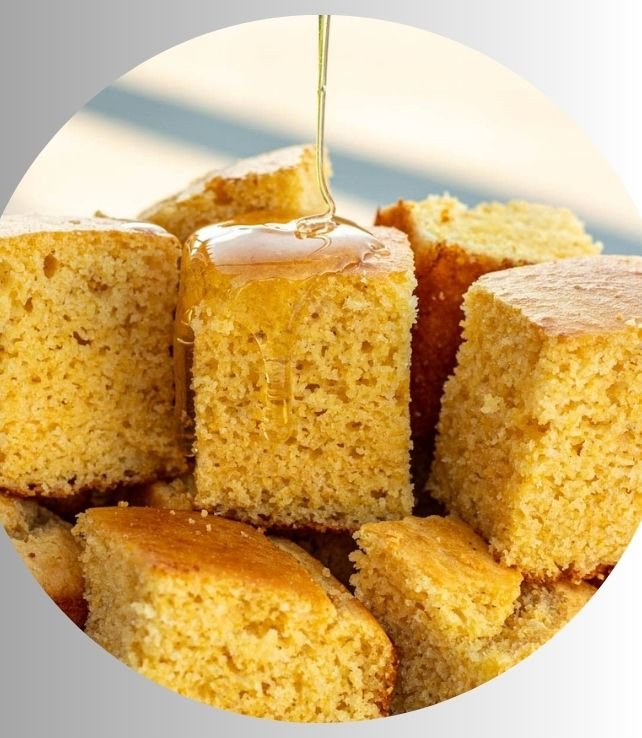
You have likely faced this situation: a desire for warm cornbread, a scan of a recipe, and the immediate roadblock of not having buttermilk. I have been there many times, both in my professional kitchen and at home. This recipe solves that problem with a method I have refined to produce a result that is moist, structurally sound, and deeply flavorful, all without that one specific ingredient.
The solution lies not in a single substitute, but in understanding the role of buttermilk and how to replicate its functions with common pantry items. This approach gives you a versatile foundation for cornbread that can be adapted to what you have on hand. What follows is a comprehensive guide to mastering this staple dish.
This recipe yields a cornbread with a tender crumb and a crust that has a satisfying crispness. It is balanced, not overly sweet, making it suitable for everything from a bowl of chili to a holiday dinner spread.
How to Make Cornbread Without Buttermilk
This is the core method I use weekly. The process is straightforward, but the details matter for the best texture and flavor.
Recipe Details
- Prep Time: 10 minutes
- Cook Time: 20-25 minutes
- Servings: 9 squares
- Course: Side Dish
- Cuisine: American
- Diet: Vegetarian
Ingredients
- 1 ½ cups fine-ground yellow cornmeal
- 1 cup all-purpose flour
- ¼ cup granulated sugar
- 2 teaspoons baking powder
- ½ teaspoon baking soda
- 1 teaspoon salt
- 1 ¼ cups whole milk
- 1 tablespoon white vinegar or lemon juice
- 2 large eggs, at room temperature
- ½ cup (1 stick) unsalted butter, melted and slightly cooled
Instructions
- Begin by preheating your oven to 400°F (200°C). Place a 9-inch cast iron skillet or a square baking pan inside to heat up as the oven comes to temperature.
- In a large bowl, whisk together the cornmeal, all-purpose flour, sugar, baking powder, baking soda, and salt. Ensure these dry ingredients are well combined.
- In a separate bowl or a large liquid measuring cup, combine the whole milk and vinegar. Stir and let it sit for 5 minutes. This will slightly thicken and curdle the milk, creating a homemade buttermilk alternative.
- To the soured milk, add the eggs and the melted butter. Whisk these wet ingredients until they are fully emulsified and smooth.
- Pour the wet mixture into the bowl with the dry ingredients. Use a spatula or wooden spoon to fold everything together until just combined. A few small lumps in the batter are acceptable; overmixing will lead to a tough bread.
- Carefully remove the hot skillet from the oven. Add a small pat of butter and swirl it to coat the bottom and sides, or use a brush to distribute the residual butter from your melted stick.
- Immediately pour the cornbread batter into the hot skillet. It should sizzle slightly. Spread the batter evenly to the edges.
- Place the skillet back into the oven and bake for 20-25 minutes. The cornbread is done when the top is golden brown, the edges are pulling away from the pan, and a toothpick inserted into the center comes out clean.
- Let the cornbread cool in the skillet for at least 10 minutes before slicing. This allows the structure to set.
Nutrition
- Calories: 285 kcal
- Protein: 6 g
- Fat: 13 g
- Carbohydrates: 36 g
- Sugar: 9 g
- Fiber: 2 g
- Sodium: 380 mg
- Cholesterol: 70 mg
Cooking Method
This recipe uses the quick bread method, which relies on chemical leaveners like baking powder and baking soda for rise instead of yeast. The key steps are the preheating of the fat (the skillet) and the creation of an acidic environment with the soured milk to activate the baking soda. This combination produces a rapid rise and a distinctive crispy crust.
Tools Needed
- 9-inch cast iron skillet or 8×8 inch square baking pan
- Two mixing bowls
- Whisk
- Spatula
- Measuring cups and spoons
The Science of Leavening Without Buttermilk
Traditional cornbread recipes using buttermilk rely on a specific chemical reaction. Buttermilk is acidic, and when combined with baking soda (a base), it produces carbon dioxide gas. These tiny bubbles are trapped in the batter, causing it to rise and become light and airy.
In this recipe, we replicate that acidity by adding vinegar to whole milk. The vinegar lowers the pH of the milk, effectively turning it into a buttermilk substitute for the purpose of leavening. We also include baking powder, which is a complete leavening agent containing both an acid and a base, providing a secondary rise for additional lift and stability.
Ingredient Analysis and Selection
Each component in this formula has a specific role. Understanding these roles allows for informed substitutions and troubleshooting.
Cornmeal: The Heart of the Matter
Cornmeal is the defining ingredient. I prefer a fine-ground yellow cornmeal for a softer, less gritty texture. The type of corn used, typically dent corn, is high in starch, which contributes to the bread’s structure. Stone-ground cornmeal will offer a more robust corn flavor and a coarser texture, but it may absorb more liquid.
The Flour and Leavening System
All-purpose flour provides gluten, which creates a network that gives the bread structure and prevents it from being too crumbly. The combination of baking powder and baking soda is non-negotiable here. The baking soda reacts with the acid in our soured milk for an initial rise, while the baking powder provides additional lift during the entire baking process.
Fats and Liquids
Whole milk contributes fat and protein for richness and browning. The fat from the butter and milk also tenderizes the crumb by coating the flour proteins and shortening gluten strands. Using melted butter, rather than creamed, simplifies the process and still distributes fat evenly throughout the batter.
Nutritional Breakdown
From a dietary perspective, this cornbread provides energy primarily from carbohydrates in the cornmeal and flour. A single slice offers a modest amount of protein from the eggs, milk, and flour.
The cornmeal is a source of dietary fiber and contains some iron and B vitamins. The use of whole milk increases the fat content slightly, but this also aids in the absorption of fat-soluble vitamins. For those monitoring sugar intake, the amount can be reduced to two tablespoons without significantly altering the texture.
Dietary Adaptations
This recipe is highly adaptable to various dietary needs.
Gluten-Free Version
Replace the all-purpose flour with a 1:1 gluten-free baking blend. Ensure the blend contains a binder like xanthan gum. The texture may be slightly more delicate.
Vegan and Dairy-Free Version
Substitute the whole milk with an unsweetened plant-based milk like soy or oat. Use the same method of adding vinegar. Replace the eggs with a flax egg (1 tbsp ground flaxseed mixed with 3 tbsp water per egg) and use a neutral oil or vegan butter instead of dairy butter.
Lower Sugar and Fat
You can reduce the sugar to two tablespoons. For lower fat, replace the whole milk with 2% or skim milk, and replace half of the melted butter with an equal volume of unsweetened applesauce.
Cultural and Historical Context
Cornbread’s history is deeply woven into the fabric of American foodways, particularly in the South. Originating with Native American peoples who made simple cakes from ground corn, it was adopted and adapted by European colonists.
The debate over sugar in cornbread often falls along regional lines, with Northern versions tending to be sweeter and cakier, while traditional Southern cornbread is often made with just cornmeal, water, and salt, resulting in a more savory, crumbly bread. This recipe sits in a middle ground, acknowledging the popularity of a slightly sweetened cornbread while maintaining a balanced flavor profile suitable for various pairings.
Common Mistakes and Expert Tips
Avoiding a few key errors will guarantee a superior result every time.
Do not overmix the batter. Stir until the dry ingredients are just moistened. Overmixing develops gluten, leading to a tough, dense bread with tunnels.
Always preheat your pan. A hot skillet is crucial for that signature crispy crust. The batter hitting the hot fat immediately begins to cook and set the bottom edge.
Ensure your baking powder and baking soda are fresh. Old leaveners lose their potency and will result in a flat cornbread. To test baking powder, mix a teaspoon with hot water; it should fizz vigorously.
Allow the cornbread to cool adequately before slicing. Cutting into it too soon releases steam and can make the interior gummy.
Serving, Pairing, and Storage
This cornbread is incredibly versatile. Serve it warm from the oven with a pat of butter and a drizzle of honey. It is a classic accompaniment to chili, soups, and stews, as it is perfect for soaking up liquids.
For a heartier meal, consider adding ingredients directly to the batter. A half-cup of shredded sharp cheddar cheese, a handful of fresh or frozen corn kernels, or even some diced jalapeños can transform it.
Store leftover cornbread in an airtight container at room temperature for up to two days. For longer storage, wrap it tightly and freeze for up to three months. Reheat slices in a toaster oven or a regular oven to restore the crispness of the crust.
Frequently Asked Questions
Can I use a different type of milk?
Yes, you can use 2% milk, skim milk, or a plant-based alternative. The fat content will affect the richness, but the leavening reaction will still occur as long as you add the acid.
Why did my cornbread turn out dry?
Dryness is usually caused by overbaking or measuring the flour incorrectly. Spoon the flour into the measuring cup and level it off instead of scooping directly from the bag, which can pack in too much flour.
Can I make this as muffins?
Absolutely. Grease a muffin tin and fill the cups 2/3 full. The baking time will be shorter, typically 15-18 minutes at the same oven temperature.
My cornbread is too crumbly. What happened?
Excessive crumbliness can result from not using enough egg or flour, which are the primary binding agents in this recipe. Ensure you are using large eggs and measuring the flour accurately.
What is the purpose of the sugar?
Sugar provides a subtle sweetness that balances the earthy flavor of the cornmeal. It also contributes to browning and tenderness. You can adjust the amount to your personal preference.
Can I make this recipe without eggs?
Yes, for an egg-free version, use a commercial egg replacer or a flax egg. The texture will be slightly more dense but still very good.
How do I get a golden brown top?
A properly preheated oven and the right baking time are key. The sugar and dairy in the recipe also promote browning through the Maillard reaction.
