
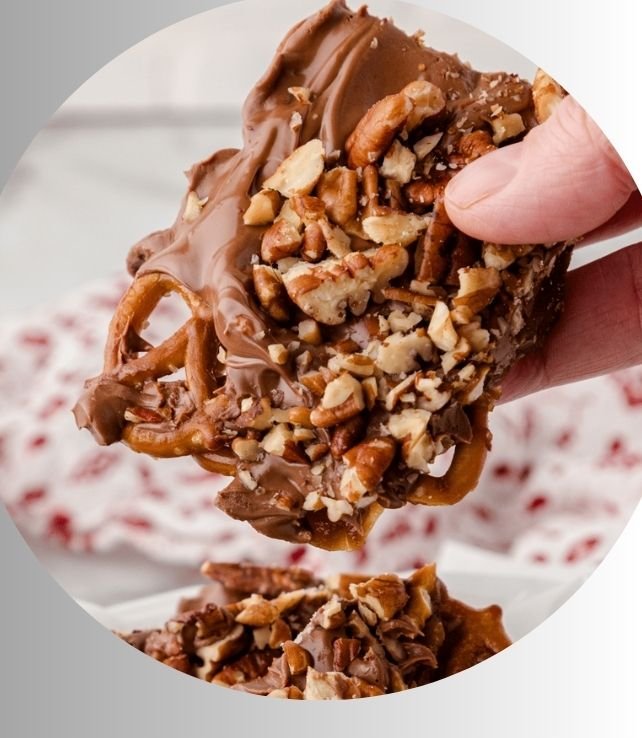
Every December, a familiar question surfaces in my kitchen and my inbox: what is that one treat that is impossibly easy, reliably delicious, and disappears faster than any other? For me, and for countless others, the answer is a sheet pan of salty-sweet, buttery, chocolate-topped confection known as Christmas crack. The name is not an exaggeration; its addictive quality is legendary.
As a dietitian and culinary historian, I have a professional fascination with this modern classic. It’s a perfect case study in how simple ingredients, when layered with intention, create a textural and flavor phenomenon that transcends its humble parts. Today, I’m sharing my definitive version, perfected over years of testing, along with the science, history, and nutritional insights that make this recipe a true holiday staple.
This recipe combines a base of salted pretzels with a layer of homemade toffee, all topped with dark chocolate and a finish of your choice. It requires minimal tools, about 20 minutes of active time, and yields a treat that pleases a crowd. Below, you’ll find the complete method, followed by a deep exploration of every component.
How to Make Christmas Crack Recipe With Pretzels
This process is straightforward, but success lies in precision. The toffee stage requires your full attention for about ten minutes. I recommend having all ingredients measured and tools ready before you begin. The result is a sturdy, snappy toffee that holds its own against the pretzel base and melds perfectly with the chocolate.
Recipe Details
- Prep Time: 15 minutes
- Cook Time: 10 minutes
- Additional Time: 1 hour (chilling)
- Servings: 24 pieces
- Course: Dessert, Snack
- Cuisine: American
- Diet: Vegetarian
Ingredients
- 1 ½ cups (approx. 85g) mini twist pretzels
- 1 cup (2 sticks / 227g) unsalted butter
- 1 cup (200g) packed light brown sugar
- 1 teaspoon pure vanilla extract
- ¼ teaspoon fine sea salt
- 2 cups (340g) semi-sweet or dark chocolate chips
- Optional toppings: flaky sea salt, chopped nuts, toffee bits, crushed candy canes
Instructions
- Prepare the pan: Line a standard 13×9-inch rimmed baking sheet with parchment paper or aluminum foil. Arrange the pretzels in a single, tight layer, breaking some to fill gaps if necessary.
- Make the toffee: In a medium, heavy-bottomed saucepan, combine the butter and brown sugar. Cook over medium heat, stirring constantly with a wooden spoon or heatproof spatula, until the butter melts and the mixture comes to a boil.
- Once boiling, stop stirring and let the mixture boil undisturbed for 3 minutes. It should bubble vigorously. After 3 minutes, stir gently and continue to boil for another 2-3 minutes, until the mixture reaches 285°F (140°C) on a candy thermometer, known as the soft-crack stage. The toffee will be a deep golden brown and will pull away from the sides of the pan. Immediately remove from heat and stir in the vanilla and sea salt.
- Assemble the base: Carefully and quickly pour the hot toffee over the prepared pretzel layer. Use a spatula to spread it into an even layer, working swiftly before it sets. Allow this to cool for 5 minutes.
- Add the chocolate: Sprinkle the chocolate chips evenly over the hot toffee layer. Let them sit for 2-3 minutes to soften, then use an offset spatula or the back of a spoon to spread the melted chocolate into a smooth, even layer.
- Add toppings: If using, sprinkle your chosen toppings over the warm chocolate.
- Set and break: Transfer the pan to the refrigerator and chill for at least 1 hour, or until the chocolate is completely firm. Lift the slab out of the pan using the parchment paper and break it into irregular pieces by hand.
Nutrition
- Calories: 210 kcal
- Protein: 1.5 g
- Fat: 14 g
- Carbohydrates: 22 g
- Sugar: 16 g
- Fiber: 1 g
- Sodium: 85 mg
- Cholesterol: 25 mg
Note: Nutritional information is an estimate per piece based on 24 servings, using semi-sweet chocolate and no additional toppings. Values will vary with ingredient swaps.
Cooking Method
This recipe employs the dry-heat cooking method of candy making. The primary transformation occurs through the Maillard reaction and caramelization of sugars in the butter and brown sugar mixture, creating the complex flavors and hard, glossy structure of the toffee. The chocolate is melted using residual heat, a technique called “passive melting,” which prevents seizing.
Tools Needed
- 13×9-inch rimmed baking sheet (jelly roll pan)
- Parchment paper or aluminum foil
- Heavy-bottomed medium saucepan (2-3 quart)
- Candy thermometer (highly recommended)
- Wooden spoon or heatproof silicone spatula
- Offset spatula or butter knife for spreading
Ingredient Analysis and Selection
Understanding the role of each component is the first step toward mastery and successful adaptation. This treat is a symphony of fat, sugar, protein, and salt, each playing a non-negotiable part.
The Foundation: Pretzels
The pretzel is not merely a base; it is a critical structural and flavor element. Its primary function is to provide a sturdy, porous platform that anchors the toffee. The starch in the pretzel absorbs some of the fat from the toffee, creating a fused layer.
From a flavor perspective, the pretzel’s alkaline treatment (lye or baking soda bath) gives it its distinctive “pretzel” flavor and brown hue. This slight bitterness and pronounced saltiness are the perfect counterpoint to the intense sweetness of the toffee and chocolate. I find mini twists work best for coverage, but sticks or snaps can also be used. Gluten-free pretzels perform admirably here, a point I’ll expand on later.
The Heart: Butter and Brown Sugar Toffee
This is the engine of the recipe. Using unsalted butter allows you to control the sodium level precisely. The milk solids in butter contribute to the Maillard reaction, browning and developing nutty, rich flavors beyond simple caramelized sugar.
Brown sugar is chosen over white for its moisture and acidity. The molasses content introduces water, which helps dissolve the sugar crystals, and acids that inhibit crystallization, leading to a smoother toffee. It also provides warm, caramel-like notes. Cooking to the soft-crack stage (285°F) is non-negotiable. Below this temperature, the layer will be chewy and sticky; above it, it can become brittle and bitter. A candy thermometer is your best insurance policy.
The Crown: Chocolate
The chocolate layer serves as a flavor bridge and a textural contrast. Semi-sweet chocolate (typically 50-60% cocoa solids) is the standard for its balance. Its bitterness tempers the toffee’s sweetness. Dark chocolate (70% or higher) introduces a more sophisticated, less sweet profile.
The fat content (cocoa butter) in chocolate determines its melting and setting characteristics. Chocolate chips contain stabilizers to help them hold their shape, which is why they melt smoothly with residual heat but still set firmly. A high-quality baking bar, chopped, will provide a superior flavor and smoother melt.
Nutritional Breakdown and Perspective
As a dietitian, I believe in understanding what we eat. This is a celebratory, energy-dense food. A single piece provides a concentrated source of calories primarily from fats (butter, chocolate) and carbohydrates (sugar, pretzel flour).
The saturated fat comes mainly from the butter and, to a lesser degree, the chocolate. While this is a consideration for heart health if consumed in large, frequent quantities, in the context of a holiday season treat, it is part of the overall dietary pattern. The small amount of fiber comes from the pretzel and the cocoa. The protein is minimal. The sodium, interestingly, is not excessively high per piece, as the primary source is the pretzel, and we use unsalted butter.
The psychological and social value of sharing a homemade treat like this, one that sparks joy and connection, is a valid part of nutritional consideration. The key, as with many holiday foods, is mindful enjoyment—savoring a piece or two rather than mindless consumption.
Dietary Adaptations and Variations
The beauty of this formula is its adaptability. With careful swaps, you can accommodate many dietary needs without sacrificing texture or flavor.
Gluten-Free Adaptation
This is the simplest modification. Use a certified gluten-free pretzel. Many brands now produce excellent versions that mimic the texture and saltiness of traditional pretzels. All other core ingredients are naturally gluten-free, but always check chocolate chip labels for cross-contamination warnings if celiac disease is a concern.
Vegan and Dairy-Free Adaptation
Creating a vegan version requires two swaps: butter and chocolate. For the butter, use a high-fat, stick-style vegan butter (not margarine spread). Brands like Miyoko’s or Earth Balance Buttery Sticks work well because they have a similar fat-to-water ratio to dairy butter, which is crucial for proper toffee formation.
For the chocolate, select dairy-free chocolate chips or chunks. Ensure they are labeled vegan, as some dark chocolates may still contain milk fat. The method remains identical.
Lower-Sugar Considerations
Reducing sugar in a candy recipe is challenging, as sugar is a structural component. You cannot simply reduce the brown sugar quantity, as the toffee will not set properly. One approach is to use a sugar substitute blend designed for baking that measures cup-for-cup like sugar and can withstand high temperatures. Results can vary by brand.
A more reliable tactic is to focus on the chocolate: use a very high-percentage dark chocolate (85-90%), which contains less sugar. The overall sweetness of the piece will be significantly lower and more complex.
Flavor and Topping Variations
The basic template invites creativity. Consider these thematic twists:
- Salty Nut: Sprinkle ½ cup of finely chopped toasted pecans, almonds, or peanuts over the chocolate.
- Peppermint Twist: Use a 50/50 mix of dark chocolate and white chocolate for the top layer, then sprinkle with crushed candy canes or peppermint candies.
- Mocha: Add 1-2 teaspoons of instant espresso powder to the toffee along with the vanilla.
- Almond Joy: Use salted almonds on the base, top the chocolate with shredded coconut and more almonds.
Cultural and Historical Context of a Modern Classic
Unlike fruitcake or gingerbread, Christmas crack has no ancient lineage. It is a distinctly American invention of the late 20th century, a product of mid-century convenience cooking and the rise of the “community cookbook.” Its direct ancestor is saltine toffee, also known as “poor man’s toffee” or “cracker candy,” where saltine crackers stood in for the more traditional nuts in a butter toffee.
The substitution of pretzels for saltines was a natural regional evolution, likely originating in areas with strong German-American pretzel-making traditions. The name “crack” is a colloquialism from the 1980s and 90s, used to describe anything deemed irresistibly addictive. This treat embodies the American holiday spirit: approachable, crowd-pleasing, and born from the ingenuity of home cooks making magic with pantry staples.
Common Mistakes and Expert Tips for Perfection
After making dozens of batches, I’ve identified the key pitfalls and how to avoid them.
Mistake 1: Not Using a Thermometer
Guessing the toffee stage by color or time alone is unreliable. Stove temperatures vary. A $10 candy thermometer is the single best investment for consistent, snappy toffee that doesn’t stick to your teeth.
Mistake 2: Stirring During the Boil
Once the mixture reaches a full boil, stirring can encourage sugar crystals to form, leading to a grainy texture. Let it boil undisturbed for the first 3 minutes to allow the temperature to climb evenly.
Mistake 3: A Thin or Uneven Pretzel Layer
Gaps in the pretzel layer will result in pools of pure toffee that are very hard to break and can be overly sweet. Take a moment to create a tight, single layer, breaking pretzels to fit like a puzzle.
Mistake 4: Adding Chocolate to Scalding Hot Toffee
If the toffee is too hot when you add the chocolate, the cocoa butter can separate, creating a greasy, broken layer. Letting it cool for 4-5 minutes allows the temperature to drop to a point where it will melt the chocolate gently without seizing or splitting it.
Pro Tip: The Salt Balance
If using salted butter, omit the added ¼ teaspoon of sea salt in the toffee. I prefer unsalted butter for control. The final flourish of flaky sea salt (like Maldon) on the wet chocolate is not just decorative; it provides a bright, crystalline burst that heightens every other flavor.
Serving, Pairing, and Storage Guidelines
This confection is informal by nature. Serve it piled high on a platter at room temperature. For pairing, I consider contrast. The richness calls for a beverage that can cut through it. A strong, black coffee, a glass of cold milk, or a tannic red wine like Cabernet Sauvignon work well. For a festive non-alcoholic option, sparkling apple cider provides a nice acidic lift.
Storage is simple. Keep the broken pieces in an airtight container at room temperature for up to one week. Layering between sheets of parchment paper prevents sticking. You can refrigerate it for up to two weeks, but be aware condensation can dull the chocolate’s shine when brought back to room temperature. It freezes exceptionally well for up to 3 months. Freeze the pieces in a single layer on a parchment-lined sheet before transferring to a freezer bag to prevent clumping. Thaw at room temperature for 15 minutes.
The Science of Snappiness
The defining textural feature of this treat is the hard, glassy snap of the toffee layer. This is a result of cooking the sugar syrup to the soft-crack stage. At this temperature (285-290°F), almost all the water has boiled off, and the sugar concentration is so high that when it cools, it forms an amorphous solid—a glass.
The butterfat and milk solids are suspended within this sugar glass. The pretzel underneath acts as a nucleation site, helping the toffee crystallize in a controlled way as it cools. The humidity of your kitchen is the enemy of this texture; on a very humid day, the toffee can absorb atmospheric moisture and become sticky, which is why chilling sets it quickly and firmly.
Frequently Asked Questions
Can I use salted butter?
Yes, you can. Simply omit the additional ¼ teaspoon of fine sea salt called for in the toffee mixture. The final flavor will be slightly saltier, which many enjoy.
My toffee turned out grainy. What happened?
Graininess is caused by sugar crystals forming prematurely. This often happens if sugar crystals splash onto the side of the pan and fall back in, or if you stir the mixture once it has started boiling. To prevent this, use a clean pastry brush dipped in water to wash down any sugar crystals on the pan’s sides when the mixture first comes to a boil, and do not stir during the initial 3-minute boil.
Why didn’t my chocolate melt smoothly?
If the chocolate appears lumpy or separated, it may have seized. This occurs when even a tiny amount of moisture (from steam or a wet spoon) comes into contact with melting chocolate. Ensure all tools are completely dry. If it seizes, you can sometimes rescue it by stirring in a teaspoon of neutral oil (like vegetable or coconut) until smooth.
Can I make this without a candy thermometer?
While possible, it is not recommended for consistent results. The visual test is to drop a small amount of the boiling syrup into a glass of cold water. It should form hard, pliable threads that you can bend (soft-crack). However, this method is less precise and requires practice.
How do I get clean breaks when portioning?
Chill the slab completely until the chocolate is very firm. Lift it from the pan and place it on a cutting board. Use the tip of a sharp chef’s knife to score the chocolate layer lightly where you want to break, then use your hands to snap it along those lines. This gives the classic, rustic look.
Is it possible to double this recipe?
I do not recommend simply doubling the ingredients and cooking them in one batch. The volume will be too large for even heat distribution. Instead, make two separate batches, one after the other, using two prepared pans. This ensures your toffee cooks correctly.
What’s the best way to melt chocolate if the toffee doesn’t do it fully?
If after 3 minutes some chips aren’t melted, place
