
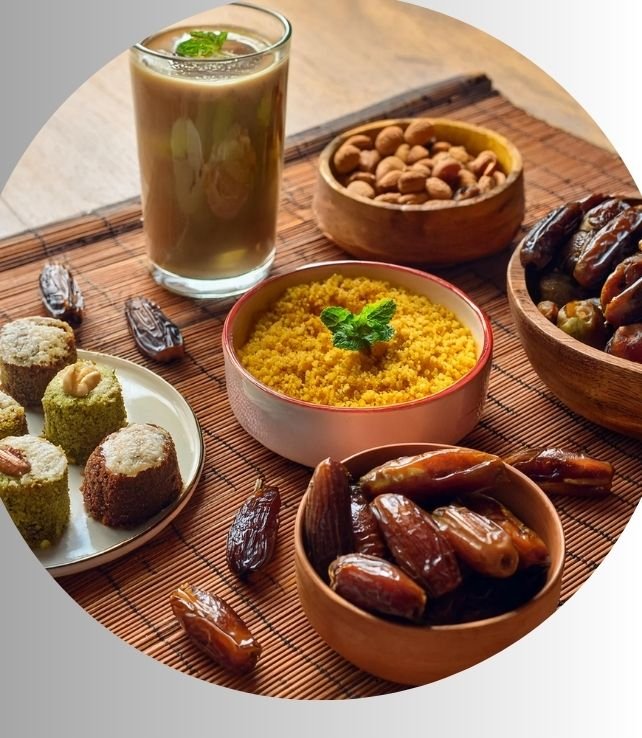
You have a bag of dates in your pantry. They might be getting a little dry, or perhaps you bought them for energy and are looking for a way to enjoy them beyond a simple snack. I understand that. For years, I viewed dates as a one-dimensional food, until a trip to the Middle East changed my perspective entirely.
There, I tasted a simple, blended drink made from dates that was both nourishing and deeply satisfying. It wasn’t overly sweet or complex, but it was perfect. I spent time learning its variations, and I’ve since refined a version in my own kitchen that balances nutrition, flavor, and simplicity. This is that recipe.
This guide will provide you with a complete recipe for a creamy, rich date palm drink, followed by a thorough analysis of its ingredients, nutritional impact, and cultural roots. My goal is to give you everything you need to master this beverage and understand its place in both culinary tradition and a modern diet.
Understanding the Date Palm Drink
This recipe is not about cooking with date palm sap or syrup, which can be difficult to source. Instead, it utilizes the most accessible product of the date palm tree: the fruit itself. We are creating a blended beverage that mimics the creamy, sweet essence of traditional preparations.
The process involves rehydrating dried dates to soften their texture and mellow their sweetness, then blending them with liquid and spices into a smooth, milkshake-like consistency. It is a whole-food recipe that requires no added sugars, relying entirely on the natural fructose and fiber of the date.
From a dietary standpoint, this drink serves multiple purposes. It can be a substantial snack, a post-workout recovery drink due to its carbohydrate and mineral content, or a dessert alternative. Its composition makes it a functional food, and we will explore that science in detail.
How to Make Date Palm Recipe
This is the core method I use and recommend. The steps are designed to maximize the creamy texture and fully integrate the flavors. Read through the entire section before you begin.
Recipe Details
- Prep Time: 10 minutes (plus 30 minutes soaking)
- Cook Time: 0 minutes
- Servings: 2
- Course: Beverage, Snack
- Cuisine: Middle Eastern Inspired
- Diet: Vegan, Gluten-Free, Dairy-Free (with specified milk)
Ingredients
- 1 cup (about 150g) pitted Medjool dates
- 2 cups (480ml) very warm water, for soaking
- 1.5 cups (360ml) cold milk of choice (almond, oat, dairy, or coconut)
- 1/2 teaspoon ground cardamom
- 1/4 teaspoon ground cinnamon
- A small pinch of fine sea salt
- 3-4 ice cubes (optional, for serving)
Instructions
- Place the pitted dates in a medium bowl. Pour the very warm water over them, ensuring they are fully submerged. Let them soak for a minimum of 30 minutes. This step is non-negotiable for a smooth result.
- After soaking, reserve about 1/4 cup of the date soaking water. Drain the rest.
- Transfer the softened dates to a high-speed blender. Add the cold milk, reserved soaking water, cardamom, cinnamon, and salt.
- Secure the blender lid and blend on high speed for 60-90 seconds. Stop and scrape down the sides if necessary. Blend again until the mixture is completely smooth, with no visible pieces of date skin.
- Taste and adjust spices if desired. For a colder drink, add the ice cubes to the blender and pulse until crushed and incorporated.
- Pour immediately into two glasses. The drink is best consumed fresh but can be stored briefly.
Nutrition
- Calories: 320 kcal (per serving, with unsweetened almond milk)
- Protein: 5 g
- Fat: 4 g
- Carbohydrates: 75 g
- Sugar: 66 g (natural, from dates)
- Fiber: 8 g
- Sodium: 120 mg
- Cholesterol: 0 mg
Cooking Method
This recipe uses the soaking and blending method. No heat is applied during preparation. The mechanical action of the blender breaks down the softened date flesh and integrates it with the liquid, creating an emulsion that yields a creamy, uniform beverage. The success of the method hinges entirely on the quality of the soak and the power of your blender.
Tools Needed
- A high-speed blender (e.g., Vitamix, Blendtec) is ideal. A standard blender may require longer blending and might leave a slightly grainier texture.
- A medium bowl for soaking.
- A fine-mesh strainer for draining.
- A rubber spatula for scraping.
- Measuring cups and spoons.
Ingredient Analysis and Selection
Each component of this drink plays a specific role. Understanding these roles allows you to make informed substitutions and troubleshoot any issues with texture or flavor.
The Heart of the Drink: Choosing Your Dates
Medjool dates are the default for good reason. They are larger, softer, and have a higher moisture content than many other varieties, which translates to a creamier blend and a caramel-like flavor profile.
If Medjools are unavailable, Deglet Noor dates can be used. They are smaller, firmer, and less sweet. You may need to increase the soaking time to 45-60 minutes and potentially add a few more dates to achieve the same sweetness level. Avoid dates that are overly dry or crystallized, as they will not rehydrate properly.
The pitting process is essential. Even if you purchase pre-pitted dates, I recommend checking each one by splitting it open. A missed pit can damage a blender blade.
The Liquid Base: Milk and Soaking Water
The liquid component serves two functions: rehydration and dilution. The warm soaking water softens the dates and draws out their flavor. Using a portion of this soaking water in the final blend retains some of those extracted sugars and flavors.
Your choice of milk dramatically affects the final character. Full-fat dairy milk or canned coconut milk will produce an exceptionally rich and creamy result. Almond or oat milk offer a lighter, nuttier background. For a neutral taste, unsweetened versions are best, as the dates provide ample sweetness.
Spices and Seasoning: Building Complexity
Cardamom is the traditional pairing with dates in many Gulf cuisines. Its citrusy, floral notes cut through the richness and add a layer of aromatic complexity. Cinnamon provides a warm, familiar base note.
The small pinch of salt is not optional. It is a flavor enhancer that amplifies the sweetness of the dates and the aroma of the spices without making the drink taste salty. It balances the entire profile.
Nutritional Breakdown and Dietary Impact
As a dietitian, I analyze recipes not just for their taste, but for their functional contribution to daily nutrition. This beverage is a concentrated source of specific nutrients.
Macronutrient Profile
The primary macronutrient here is carbohydrate, specifically in the form of natural sugars (fructose and glucose) and a significant amount of dietary fiber. The fiber, particularly soluble fiber from the dates, helps modulate the absorption of these sugars, preventing a sharp blood glucose spike compared to a drink with added sucrose.
The fat and protein content is variable and depends on your milk choice. Using dairy or a protein-fortified plant milk can increase the protein content, making it more satiating and supportive of muscle repair.
Micronutrients and Functional Benefits
Dates are a notable source of potassium, which supports heart function and fluid balance, and magnesium, involved in hundreds of enzymatic reactions including energy production. They also contain B vitamins, such as B6, and trace minerals like copper and manganese.
The combination of easily digestible carbohydrates, electrolytes (potassium), and minerals makes this drink a potential candidate for natural energy replenishment after prolonged physical activity. It is a whole-food alternative to many processed recovery drinks.
Dietary Adaptations
This recipe is inherently gluten-free and easily adapts to many dietary patterns.
For a Vegan version, simply use plant-based milk. Ensure the dates are processed in a facility that meets your standards. For a Lower-Sugar adaptation, reduce the number of dates to 3/4 cup and increase the spices slightly to compensate. The texture will be thinner. For a Nut-Free version, avoid nut-based milks and opt for oat, rice, or soy milk.
If you require a Low-FODMAP option, this recipe is not suitable due to the high fructose and oligosaccharide content in dates.
Cultural and Historical Context
The date palm (Phoenix dactylifera) is often called the “tree of life” in arid regions of the Middle East and North Africa. Its fruit has been a staple food for millennia. While the specific blended drink we are making is a modern, kitchen-friendly interpretation, it is rooted in traditional practices.
In many date-growing regions, fresh dates are often consumed with a cup of Arabic coffee, which is flavored with cardamom. The pairing is ceremonial and nutritional. The idea of blending dates with milk or water is also traditional; a simple mixture of mashed dates and milk is a classic Iftar meal item to break the daily fast during Ramadan, providing quick energy and hydration.
This recipe honors that tradition by using accessible ingredients to create a drink that captures the essential spirit of that combination: sustenance, natural sweetness, and aromatic spice.
Common Mistakes and Expert Tips
After making this countless times and teaching it to others, I have identified the key points for success.
Not Soaking Long Enough. This is the most common error. Hard dates will never blend smoothly. If your dates are very dry, soak them for an hour. The water should be warm, not boiling, to avoid cooking the dates.
Using a Weak Blender. A low-power blender will leave chunks of date skin. If this is your only tool, strain the finished drink through a fine-mesh sieve to achieve a smooth texture, though you will lose some fiber.
Skipping the Salt. Even a tiny amount makes a measurable difference in rounding out the flavors. Do not omit it.
Storage and Make-Ahead. This drink separates upon standing. It is best consumed immediately. If you must store it, keep it in a sealed container in the refrigerator for up to 24 hours and shake or re-blend vigorously before drinking. The dates will continue to absorb liquid, so you may need to add a splash more milk when serving.
Serving, Pairing, and Variations
While excellent on its own, this beverage can be part of a larger meal or modified for different occasions.
For serving, a simple glass is sufficient. You can garnish with a single date on the rim or a light dusting of cinnamon on top. It pairs well with savory, protein-rich foods. Consider it alongside a plate of eggs for breakfast, or with a handful of nuts for a balanced snack.
For variations, you can add a tablespoon of unsweetened cocoa powder for a chocolate-date flavor. A teaspoon of pure vanilla extract can enhance the sweetness. For a more substantial meal-replacement texture, add a scoop of unflavored protein powder or a tablespoon of almond butter before blending.
The Science of Sweetness and Texture
The perceived creaminess of this drink, despite containing no cream, is a result of physics and chemistry. The blending process shears the softened date flesh into microscopic particles, which are then suspended in the liquid. The soluble fiber from the dates acts as an emulsifier and thickener, stabilizing this suspension and giving the drink body.
The sweetness is purely from fructose. Fructose is sweeter than sucrose (table sugar) and has a different metabolic pathway. The presence of fiber, fat, and protein from the milk slows gastric emptying, which further moderates the insulin response to the fructose. This creates a more sustained energy release compared to a sugar-sweetened beverage.
Frequently Asked Questions
Can I use date syrup instead of whole dates?
You can, but you will create a different product. Using 3-4 tablespoons of date syrup blended directly with milk and spices will make a sweet, thin drink. You will lose all the fiber, much of the micronutrient content, and the characteristic creamy, substantial texture that whole dates provide.
My drink came out too thick. How can I fix it?
Add more liquid, one tablespoon at a time, and blend again until you reach your preferred consistency. This is often needed if your dates were particularly large or moist, or if you used a thicker milk like canned coconut milk.
How can I make this drink warmer instead of cold?
After blending, gently heat the mixture in a small saucepan over low heat, stirring constantly. Do not boil. Alternatively, use warm milk instead of cold milk in the blender. Soaking the dates in hot water is still necessary first.
Are there any benefits to consuming dates before a workout?
Yes, in moderation. Consuming 2-3 dates about 30-60 minutes before exercise can provide a source of easily accessible carbohydrate for energy. The fiber content is low enough in a small serving not to cause gastrointestinal distress for most people.
Why did my drink separate after a few minutes?
This is natural. The solid particles from the dates will eventually settle. It is a sign you are using whole food. Simply stir it with a spoon or give it a quick shake. An emulsifier like a teaspoon of lecithin could prevent this, but it is not necessary for enjoyment.
Can I freeze this date palm drink?
I do not recommend freezing the blended drink, as the texture will become grainy and separate upon thawing. Instead, you can freeze portions of soaked, drained dates in an airtight container. Thaw in the refrigerator and blend with fresh milk when ready.
