
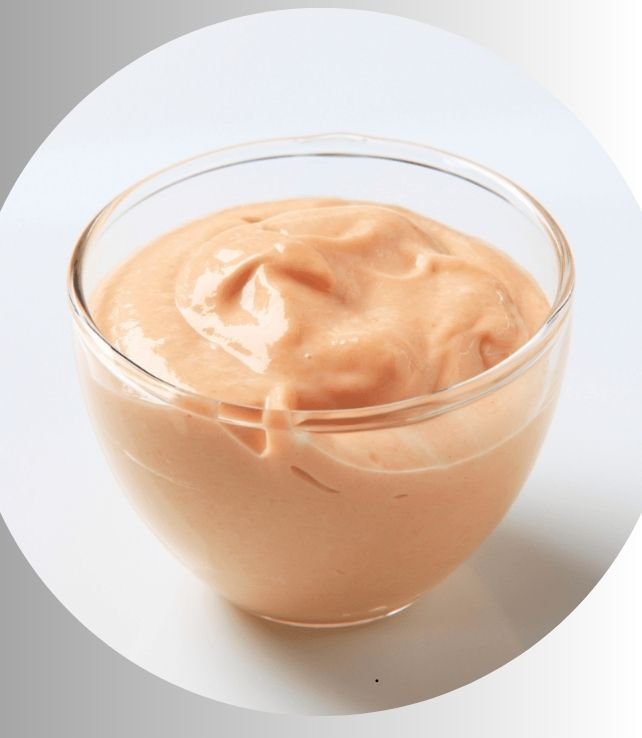
You have likely tasted it on a sandwich or as a dip for a salad. That creamy, tangy, and subtly sweet flavor that defines many Panera Bread menu items comes from their Signature Sauce. For years, I tried to pinpoint the exact combination of flavors in my head, ordering items specifically for the sauce. As a dietician and culinary enthusiast, I wanted to understand it, and more importantly, create a version I could make at home with full knowledge of every ingredient.
After many attempts and consultations with food science principles, I developed a recipe that captures the essence of that beloved condiment. This guide provides that recipe and a complete analysis of its components, nutritional profile, and versatile applications.
How to Make Panera Signature Sauce Recipe
This recipe replicates the balanced profile of the original. The process is straightforward, but ingredient quality and order of operations are key for the perfect emulsion and flavor development.
Recipe Details
- Prep Time: 10 minutes
- Cook Time: 0 minutes
- Servings: About 1 1/2 cups
- Course: Condiment, Sauce
- Cuisine: American
- Diet: Vegetarian
Ingredients
- 1/2 cup mayonnaise (full-fat, traditional style)
- 1/2 cup plain Greek yogurt (2% or 5% milkfat)
- 3 tablespoons Dijon mustard
- 2 tablespoons honey
- 1 tablespoon white wine vinegar
- 1 teaspoon smoked paprika
- 1/2 teaspoon garlic powder
- 1/2 teaspoon onion powder
- 1/4 teaspoon fine sea salt
- 1/8 teaspoon freshly ground black pepper
- 2-3 tablespoons water (as needed for consistency)
Instructions
- In a medium mixing bowl, combine the mayonnaise and Greek yogurt. Whisk them together until completely smooth and uniform.
- Add the Dijon mustard, honey, and white wine vinegar to the bowl. Whisk vigorously to incorporate these wet ingredients fully.
- Sprinkle in the smoked paprika, garlic powder, onion powder, sea salt, and black pepper.
- Whisk the mixture for at least 60-90 seconds, until all spices are fully dissolved and the sauce is completely smooth, with no streaks.
- Check the consistency. For a dressing-style sauce, add water, one tablespoon at a time, whisking after each addition, until it reaches your desired thickness.
- Transfer the sauce to an airtight container or jar. For best flavor, refrigerate for at least one hour before serving to allow the flavors to meld.
Nutrition
- Calories: 85 kcal (per 2-tbsp serving)
- Protein: 1.2 g
- Fat: 7.5 g
- Carbohydrates: 4 g
- Sugar: 3.2 g
- Fiber: 0.2 g
- Sodium: 180 mg
- Cholesterol: 5 mg
Cooking Method
This is a no-cook, cold-emulsion method. The goal is to create a stable, creamy mixture where fat (from mayo and yogurt) and water-based liquids (vinegar, honey) are permanently combined through mechanical agitation—whisking. This prevents the sauce from separating.
Tools Needed
- Medium mixing bowl
- Wire whisk
- Measuring cups and spoons
- Airtight container for storage
Deconstructing the Flavor Profile
The character of this condiment is a masterclass in balance. It is not defined by one overwhelming note but by the harmony of several.
The Foundation: Creamy Base Ingredients
The texture starts with two dairy-based components. Mayonnaise provides rich fat content and a familiar, luxurious mouthfeel. Greek yogurt introduces a tangy sharpness and protein structure, which also allows for a reduction in overall fat compared to an all-mayo base. Using a higher-fat Greek yogurt prevents a thin or watery result.
The Acidity and Sweetness Balance
This is where the signature taste emerges. Dijon mustard contributes a complex, sharp, and slightly wine-like acidity. White wine vinegar is brighter and more direct. Honey does not just add sweetness; its floral notes soften the sharp edges of the mustard and vinegar, and its sugars help round out the flavor profile completely.
The Aromatic Depth
Powdered garlic and onion provide a consistent, mellow background flavor without the raw bite of their fresh counterparts. Smoked paprika is the secret weapon. It does not add heat but offers a deep, earthy, slightly sweet smokiness that distinguishes this sauce from a plain honey mustard.
Nutritional Analysis and Dietary Considerations
Understanding what you are consuming allows for informed choices and simple modifications to fit any dietary pattern.
Macronutrient Breakdown
The primary energy source here is fat, predominantly from the mayonnaise. This fat carries the fat-soluble flavors and creates satisfaction. The Greek yogurt contributes a modest amount of protein, which can aid in satiety. Carbohydrates are present mainly from the honey, contributing to the sweet taste and calorie count.
Dietary Adaptations
This recipe is highly adaptable. For a vegan version, use a high-quality vegan mayonnaise and a plain, unsweetened vegan yogurt. Agave syrup can replace honey. For a dairy-free version, simply omit the Greek yogurt and use 1 cup of mayonnaise, though the tang will be less pronounced. To reduce sodium, use a low-sodium Dijon mustard and adjust the added salt.
A gluten-free adaptation is straightforward, as the core ingredients are naturally gluten-free. Always check labels on mustard and vinegar for hidden gluten sources, though this is rare.
Sodium and Sugar Content
The main contributors to sodium are the mayonnaise, mustard, and added salt. The honey is the sole significant source of added sugar. For a lower-sugar version, you can reduce the honey by half, but be aware the balancing effect on acidity will diminish.
The Role of Emulsification in Sauce Making
The stability of your finished product depends on a basic kitchen science principle. An emulsion is a mixture of two liquids that normally do not combine, like oil and water. In this recipe, the oil in mayonnaise is one liquid, and the water in yogurt, vinegar, and honey is the other.
Lecithin, a natural emulsifier present in egg yolks used to make mayonnaise, acts as a bridge between the oil and water molecules. Vigorous whisking breaks the fat into tiny droplets that become suspended in the water-based liquid, stabilized by the lecithin. Adding the water at the end, after the emulsion is formed, simply thins the sauce without breaking it.
Historical Context of Signature Restaurant Sauces
Creating a “secret sauce” is a long-standing tradition in American food service. It serves as a brand identifier, a way to create a unique product that cannot be easily replicated by competitors. These sauces often evolve from classic culinary foundations.
This particular recipe sits at the intersection of several condiment lineages. It draws from the French tradition of Dijon mustard-based sauces, the American love for creamy, mayonnaise-based spreads, and the modern culinary trend of using yogurt to add tang and reduce calorie density. Its development is less about ancient history and more about contemporary flavor engineering for broad appeal.
Common Mistakes and How to Avoid Them
Even simple recipes can have pitfalls. Here are the main issues I encountered during testing and how you can sidestep them.
Breaking the Emulsion
If you add the water or vinegar too quickly before the base of mayo and yogurt is fully unified, the sauce can separate or become grainy. Always start by thoroughly combining the fat-based ingredients first.
Using Low-Fat Substitutes Initially
Starting with fat-free mayonnaise or yogurt often leads to a thin, watery sauce with an artificial taste. The fat is crucial for texture and flavor carry. If you wish to reduce fat, do so modestly after mastering the standard recipe.
Underseasoning
Spices need time to hydrate and release their flavors. The sauce will taste muted immediately after mixing. The mandatory one-hour rest in the refrigerator is not a suggestion; it is a required step for the powder components to fully integrate and for the flavors to marry.
Over-Whisking or Under-Whisking
Insufficient whisking leads to a streaky, uneven sauce. Over-whisking, especially with a powerful electric mixer, can sometimes cause the mayo to break. A steady, vigorous hand whisk for the duration specified is the most reliable method.
Serving, Pairing, and Storage Guidance
This sauce’s utility extends far beyond its original restaurant application.
Optimal Serving Applications
It functions brilliantly as a sandwich spread, particularly on turkey, chicken, or roasted vegetable sandwiches. As a salad dressing, it clings well to greens. It is an excellent dip for crispy chicken tenders, roasted potatoes, sweet potato fries, or fresh vegetable crudités.
Flavor Pairings
The smoky, tangy, and sweet notes pair well with grilled proteins, especially poultry and pork. It can cut through the richness of a fried item or add needed moisture to a lean, grilled chicken breast. Try it as a base for a creamy coleslaw or potato salad.
Storage and Shelf Life
Store the sauce in a sealed container in the refrigerator. Because it contains fresh dairy (yogurt), it should be consumed within 5-7 days. I do not recommend freezing, as freezing can break the emulsion and alter the texture of the dairy components upon thawing.
Frequently Asked Questions
Can I use regular yellow mustard instead of Dijon?
You can, but the flavor profile will change significantly. Yellow mustard is sharper and more one-dimensional in its acidity. Dijon has a more complex, wine-based flavor that is integral to the sauce’s character. The substitution will result in a simpler, more straightforward taste.
My sauce is too thick. How can I thin it?
Add water, one teaspoon at a time, whisking thoroughly after each addition. You can also use a small amount of additional vinegar or lemon juice, but this will increase the tanginess. Water is the best choice for adjusting consistency without altering the flavor balance.
Is there a substitute for smoked paprika?
If you do not have smoked paprika, you can use sweet (Hungarian) paprika. However, you will lose the distinctive smoky note. For a closer approximation, add a tiny drop (1/8 teaspoon) of liquid smoke to sweet paprika, but use extreme caution as liquid smoke is potent.
Why did my sauce separate after a day in the fridge?
This indicates the emulsion was not fully stable. It can happen if ingredients were cold when mixed or not whisked enough. You can often rescue it by letting it come to room temperature for 15 minutes and then re-whisking vigorously. For future batches, ensure all ingredients are at a similar, cool room temperature before mixing.
Can I make this sauce ahead of time?
Making it ahead is not just possible, it is recommended. The flavor improves after a minimum of one hour in the refrigerator, allowing the powdered spices to fully hydrate and the flavors to blend. It is an ideal make-ahead condiment.
How can I make a spicier version?
To add heat, incorporate 1/4 to 1/2 teaspoon of cayenne pepper or a few dashes of your favorite hot sauce into the spice mix. Add incrementally and taste as you go to control the heat level.
Is this sauce similar to a certain fast-food sauce?
While it shares a creamy, tangy DNA with many “special” or “signature” sauces, its specific balance of Dijon, honey, and smoked paprika gives it a distinct identity. It is closer to an elevated, smoky honey mustard than a standard burger sauce.
