
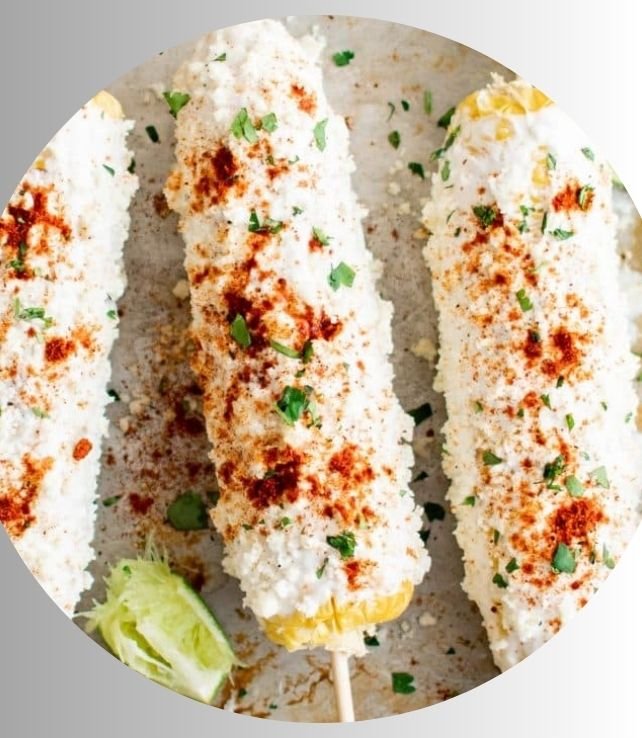
You have a few ears of corn. You want to make elote, that iconic Mexican street food. The common step is to boil or steam the corn. I want you to consider a different approach, one that fundamentally changes the dish. The single most impactful action you can take is to char the corn.
I learned this not in a professional kitchen, but at a roadside stand in Oaxaca one hot July. The vendor didn’t just cook the corn; he transformed it over open flames. The sound of the kernels popping and cracking, the sight of the blackened lines forming on the yellow surface—it was a lesson in building flavor. That experience reshaped my understanding of this dish.
This article is a deep analysis of that technique. We will cover the method, the science behind it, its nutritional impact, and how this single step elevates elote from a simple snack to a complex culinary experience.
How to Make Charring Corn for Elote
This section provides the complete recipe. The following parts of the article will explain the reasoning behind each step and ingredient in detail.
Recipe Details
- Prep Time: 10 minutes
- Cook Time: 15 minutes
- Servings: 4
- Course: Appetizer, Side Dish
- Cuisine: Mexican
- Diet: Vegetarian
Ingredients
- 4 ears of fresh corn, husks removed
- 2 tablespoons neutral oil (like avocado or grapeseed)
- 1/4 cup mayonnaise
- 1/4 cup crema Mexicana or sour cream
- 1/2 cup finely crumbled cotija cheese
- 1 teaspoon chili powder
- 1/4 teaspoon cayenne pepper (optional)
- 2 tablespoons fresh cilantro, chopped
- 1 lime, cut into wedges
Instructions
- Preheat your grill to medium-high heat. Alternatively, you can use a grill pan on your stovetop.
- Brush each ear of corn lightly with the neutral oil. This prevents sticking and promotes even charring.
- Place the corn directly on the grill grates. Cook for 10-15 minutes, turning every 2-3 minutes, until the kernels are tender and have developed dark brown or black lines on all sides.
- Remove the corn from the grill and let it rest for a minute until it is cool enough to handle.
- In a small bowl, mix the mayonnaise and crema Mexicana. Spread this mixture evenly over each hot ear of corn.
- Sprinkle the cotija cheese generously over the creamy layer, followed by the chili powder and optional cayenne pepper.
- Garnish with chopped cilantro and serve immediately with lime wedges on the side for squeezing.
Nutrition
- Calories: 315 kcal
- Protein: 8 g
- Fat: 22 g
- Carbohydrates: 25 g
- Sugar: 9 g
- Fiber: 3 g
- Sodium: 320 mg
- Cholesterol: 25 mg
Cooking Method
The primary method for this recipe is direct-heat grilling. This technique applies high heat to the surface of the corn, creating the characteristic char. The alternative method is using a stovetop grill pan, which replicates the effect in a kitchen without an outdoor grill.
Tools Needed
- Outdoor grill or stovetop grill pan
- Tongs
- Pastry brush (for oil)
- Small mixing bowl
The Science and Skill of Charring
Charring is not simply burning. It is a controlled application of high heat that triggers the Maillard reaction. This is a chemical process between amino acids and reducing sugars that gives browned food its complex flavor.
Why High Heat is Non-Negotiable
Boiling or steaming corn hydrates the kernels, making them tender. However, it also leaches some of the natural sugars into the water. Grilling over high heat does the opposite. The intense heat causes the water inside the kernels to steam, while the exterior dehydrates and caramelizes the sugars present. This creates a spectrum of flavors, from sweet to nutty to slightly bitter, all on the same ear.
Creating the Perfect Grid of Flavor
The turning pattern is important. By rotating the corn every few minutes, you create a non-standard grid of charred lines. This pattern is not just for visual appeal. Each charred line represents a concentration of flavor. The contrast between the sweet, juicy kernel and the smoky, slightly bitter charred line is the central idea of the dish.
Ingredient Analysis and Selection
Every component in elote has a specific role. Understanding these roles allows you to make informed substitutions without losing the spirit of the recipe.
The Core Subject: Choosing Your Corn
The type of corn matters. For the best results, use fresh, in-season sweet corn. The kernels should be plump and tightly packed. The existence of milky liquid inside a kernel when pierced is a sign of freshness. While frozen corn can be used in a pinch, its higher water content makes achieving a proper char more difficult.
The Supporting Cast: Creams and Cheeses
Cotija cheese is a hard, crumbly Mexican cheese made from cow’s milk. Its salty, tangy profile is essential. If you cannot find it, a good substitute is feta cheese, though feta is more moist and salty. Crema Mexicana is a cultured cream product similar to sour cream but thinner and less tart. The combination of mayonnaise and crema provides a rich, tangy base that helps the seasonings adhere to the corn.
Seasonings and Aromatics
Chili powder provides warmth and earthiness. Cayenne pepper introduces a sharper heat. The fresh cilantro offers a bright, citrusy note that cuts through the richness. The lime wedge served on the side is not just a garnish; the acidity is necessary to balance the fat from the creams and cheese, giving you a better sense of each component.
Nutritional Breakdown
As a dietitian, I analyze food for its composite parts. This dish is more than its calorie count; it is a source of specific nutrients that work together.
Macronutrients and Fiber
Corn is a carbohydrate, but it is a complex one. It provides sustained energy and is a good source of fiber, which aids digestion. The fats from the mayonnaise, crema, and cheese are necessary for the absorption of fat-soluble vitamins present in the corn and chili powder, such as Vitamin A.
Micronutrients and Cognitive Function
This dish contains several nutrients linked to brain health. Corn contains lutein and zeaxanthin, antioxidants associated with mental stimulation and cognitive function. The act of preparing a meal with varied textures and flavors is also a form of mental stimulation, a small puzzle of balancing tastes and smells.
Dietary Adaptations
The classic elote recipe can be modified to fit various dietary needs without sacrificing the core experience of charred corn.
Vegan and Dairy-Free Version
Replace the mayonnaise with a vegan alternative. Use plain, unsweetened vegan yogurt or cashew cream instead of crema Mexicana. For the cheese, nutritional yeast provides a cheesy, umami flavor, or you can use a commercial vegan feta.
Lower-Fat and Lower-Calorie Version
You can use Greek yogurt in place of both the mayonnaise and crema. It provides the same tangy creaminess with more protein and less fat. Reduce the amount of cotija cheese by half, or omit it entirely and rely more heavily on the chili and lime for flavor.
Cultural and Historical Context
Elote’s existence in Mexican culture is long and storied. It predates the Spanish arrival, with indigenous peoples cultivating and consuming corn for millennia. The modern street food style, known as “elote en vaso” (corn in a cup) or “elote preparado” (prepared corn), is a testament to the culture’s ability to create vibrant, flavorful food from humble ingredients.
It is a food for the people, found at markets, parties, and family gatherings, not just on Thanksgiving or other specific holidays. It represents a shared culinary language across the country.
Common Mistakes and Expert Tips
Avoiding these common errors will ensure your result is tender, flavorful, and texturally perfect.
Mistake 1: Using Low Heat
If your heat is too low, the corn will steam and become tough and chewy instead of tender and charred. You need high, direct heat to get the right result.
Mistake 2: Not Letting the Grill Heat Up
Place the corn on the grill only when it is fully preheated. A hot grill will sear the kernels quickly, locking in moisture.
Expert Tip: Preparing Large Quantities
If you are making this for a party, you can char the corn ahead of time. Let it cool, then cut the kernels off the cob. The next day, you can combine the kernels with the other ingredients to make an “esquites,” or corn salad, which is easier to serve in a bowl to a crowd.
Serving, Pairing, and Storage
Elote is best served immediately, straight from the grill. The contrast between the hot corn and the cool, creamy toppings is part of the experience.
Meal Pairings
This dish pairs well with grilled proteins like chicken or fish. It can also be part of a larger meal with a simple celery soup or a hearty bean dish. The bright, bold flavors of the elote stand up well to other robustly seasoned foods.
Storage and Reheating
Leftover elote does not store well as a whole ear. The toppings become soggy. For leftovers, it is best to cut the kernels from the cob, mix them with the remaining toppings, and store them in an airtight container in the refrigerator for up to two days. Eat it cold as a salad.
Frequently Asked Questions
What is the purpose of charring the corn for elote?
Charring caramelizes the natural sugars in the corn, creating a deep, smoky, and complex flavor profile that boiling cannot achieve. It adds a contrasting texture and is the defining step for an authentic taste.
Can I make elote without a grill?
Yes. A stovetop grill pan is an excellent alternative. You can also use your oven’s broiler, placing the corn on a baking sheet a few inches from the heating element and turning it frequently to achieve a similar char.
Is elote a healthy food choice?
When viewed as a whole, elote provides fiber, vitamins, and antioxidants from the corn and seasonings. The fats from the dairy toppings aid in nutrient absorption. For a lighter version, you can adjust the amounts of mayonnaise, crema, and cheese.
What is the difference between elote and esquites?
Elote is served on the cob, typically eaten by hand. Esquites is the same combination of ingredients, but the corn kernels are cut off the cob and served in a cup or bowl with a spoon.
My corn is burning before it cooks through. What am I doing wrong?
This indicates your heat is too high. While you want a high heat for charring, if the exterior is burning before the interior is tender, lower the heat to medium and extend the cooking time, turning the corn more frequently.
Can I use frozen corn for this recipe?
You can, but you must thaw it completely and pat it very dry with paper towels. Any surface moisture will steam the corn instead of allowing it to char. Fresh corn will always yield a superior result.
What can I use if I cannot find cotija cheese?
Feta cheese is the closest substitute in terms of saltiness and texture. Parmesan cheese, while harder, can be finely grated and will provide a similar salty, umami quality.
