
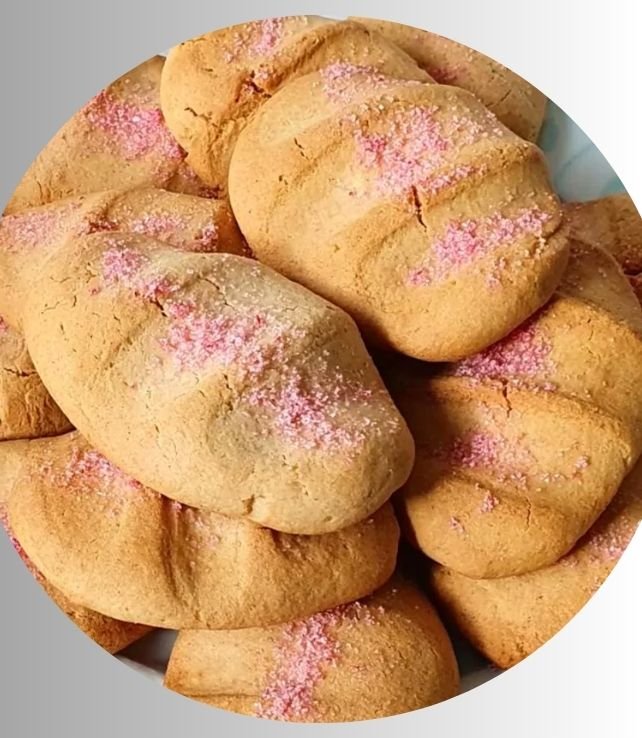
You have likely encountered a cookie that promises a unique flavor but delivers only sweetness. The true challenge is finding a recipe where spice, texture, and aroma exist in harmony, not just a sugary blur. I found the answer in my grandmother’s tin box, a recipe card for Salporanz cookies, written in her looping cursive.
This is not a standard cookie. It is a study in balance, where the warmth of cinnamon and nutmeg meets the rich foundation of butter and brown sugar. The name itself, “Salporanz,” is a family term, a portmanteau of “salt” and “poranz,” an old word for spice, which perfectly describes its character. I have spent years refining this formula, testing ingredient ratios and baking methods to achieve the perfect crisp edge and soft, spiced center.
This article provides the complete Salporanz cookie recipe, followed by a detailed analysis of its ingredients, nutritional profile, and the science behind its unique texture. You will learn how to adapt it for various diets, avoid common errors, and understand why this cookie has remained a staple in my kitchen for decades.
What You Will Need: Ingredients and Equipment
Gathering your components before you start is the first step to a successful batch. Having everything measured and at the correct temperature simplifies the process and ensures consistency. This mise en place, a French term meaning “everything in its place,” is a professional habit that prevents mistakes.
Core Ingredients
The flavor profile of these cookies is built on a foundation of high-quality, simple components. Each one plays a specific role in the final product’s texture, taste, and structure.
Flour and Leavening Agents
All-purpose flour provides the structure. Its moderate protein content creates a tender but stable crumb. For every cup of flour, you will use a quarter-teaspoon of baking powder. This chemical leavener introduces air bubbles, giving the cookies a slight lift and a less dense texture than a product made without it.
Fats and Sweeteners
Unsalted butter is the primary fat. It should be softened to room temperature, which means it is pliable but not melted. This state is crucial for creaming with sugar to incorporate air. Using one cup of granulated sugar provides sweetness and spread, while an equal amount of packed light brown sugar contributes moisture and a subtle molasses flavor.
Flavor and Spice Profile
This is where the Salporanz cookie defines itself. A full tablespoon of ground cinnamon is non-negotiable. It provides the dominant warm, woody note. This is complemented by a quarter-teaspoon of freshly grated nutmeg, which adds a deeper, slightly sweet spice. A half-teaspoon of salt is essential to balance the sweetness and amplify all the other flavors.
Tools Needed
You do not need specialized equipment, but a few key tools make the process efficient.
- Mixing Bowls: You will need at least two, one for dry ingredients and one for wet.
- Electric Mixer or Whisk: A hand mixer or stand mixer is ideal for creaming the butter and sugar to the right consistency.
- Baking Sheets: Standard half-sheet pans are perfect.
- Parchment Paper: Lining your baking sheet is optional but recommended. It prevents sticking and makes cleanup simple.
- Measuring Cups and Spoons: For accuracy, use measuring cups for dry ingredients and a liquid measuring cup for wet ones.
- Wire Rack: Essential for cooling the cookies properly after they come out of the oven.
How to Make Salporanz Cookie Recipe
This section provides the complete, step-by-step formula. Follow these instructions precisely for a consistent and perfect result every time you bake.
Recipe Details
- Prep Time: 20 minutes
- Cook Time: 10-12 minutes
- Servings: 16 cookies
- Course: Dessert, Snack
- Cuisine: American
- Diet: Vegetarian
Ingredients
- 2 ¼ cups all-purpose flour
- 1 tsp baking powder
- ½ tsp salt
- 1 tbsp ground cinnamon
- ¼ tsp ground nutmeg
- 1 cup unsalted butter, softened
- 1 cup granulated sugar
- 1 cup packed light brown sugar
- 2 large eggs
- 2 tsp vanilla extract
Instructions
- Preheat your oven to 375°F (190°C). This ensures the oven is at the correct temperature when the cookies go in, which is critical for proper spread and rise.
- Line your baking sheets with parchment paper. This step is optional but highly advised to prevent sticking.
- In a medium bowl, whisk together the flour, baking powder, salt, cinnamon, and nutmeg. This is your mixture of dry ingredients. Whisking ensures the leavener and spices are evenly distributed.
- In a separate, larger bowl, use an electric mixer to cream the softened butter with the granulated and brown sugars. Mix on medium speed for about 2-3 minutes until the combination is light and fluffy.
- Add the eggs one at a time to the butter mixture, beating well after each addition. Then, mix in the vanilla extract.
- Gradually add the dry ingredients to the wet ingredients, mixing on low speed until just combined. Do not overmix, as this will develop the gluten and make the cookies tough.
- The dough will be soft. For best results, cover the bowl and refrigerate the dough for at least 30 minutes. This chills the butter, reducing cookie spread and deepening the flavors.
- Once chilled, scoop the dough onto the prepared baking sheets using a tablespoon or a small cookie scoop. Roll each portion into a smooth ball and place them about 2 inches apart to allow for spreading.
- Bake for 10-12 minutes, or until the edges are firm and lightly golden. The centers may still look slightly soft.
- Remove the baking sheet from the oven and let the cookies rest on it for 5 minutes. Then, transfer them to a wire rack to cool completely.
Nutrition
- Calories: 285 kcal
- Protein: 3 g
- Fat: 12 g
- Carbohydrates: 42 g
- Sugar: 28 g
- Fiber: 1 g
- Sodium: 105 mg
- Cholesterol: 55 mg
Cooking Method
The primary method used is baking. The process relies on the creaming method, where fat and sugar are beaten together to trap air, and the chemical reaction of baking powder to provide lift. The high oven temperature sets the outer structure quickly while the interior finishes cooking.
Ingredient Analysis and Substitutions
Understanding the function of each component allows you to make informed substitutions and troubleshoot issues. This knowledge transforms you from someone who follows a recipe to someone who understands it.
The Role of Flour and Gluten
All-purpose flour is the structural backbone. When mixed with liquid, its proteins form gluten. Minimal mixing keeps the gluten network tender. For a gluten-free version, use a 1:1 gluten-free flour blend that includes a binder like xanthan gum.
Fats: Butter and Its Alternatives
Butter is about 80% fat and 20% water. During baking, the water turns to steam, aiding lift. Its milk solids contribute to flavor and browning. For a dairy-free cookie, a high-quality vegan butter substitute works well. Do not use oil, as it will change the texture dramatically.
Sweeteners and Their Functions
Granulated sugar sweetens and promotes spreading. Brown sugar, which contains molasses, is hygroscopic, meaning it attracts and retains moisture, resulting in a chewier cookie. For a lower-sugar version, you can reduce the total sugar by 25%, but the texture will be cakier and spread less.
Spice Profile Deep Dive
Cinnamon is the star. Its primary compound, cinnamaldehyde, provides the characteristic warmth. For the best flavor, buy whole cinnamon sticks and grind them as needed. Pre-ground cinnamon loses potency over time. Nutmeg adds complexity with its compound myristicin, which has a pungent, earthy quality.
Nutritional Breakdown
From a dietary perspective, it is helpful to view these cookies as an energy-dense food. A single cookie provides a quick source of carbohydrates, primarily from sugars, which the body can use for immediate energy. The small amount of protein and fat contributes to satiety, though it is minimal.
The spices are more than just flavor agents. Cinnamon has been studied for its potential to help moderate blood sugar levels after meals by slowing the emptying of the stomach. While the amount in one cookie is not a therapeutic dose, it is a beneficial component. The recipe provides about one gram of fiber per serving, which supports digestive health.
Dietary Adaptations
This recipe is versatile and can be modified to suit various dietary needs without sacrificing its core identity.
Vegan Variation
Replace the butter with an equal amount of vegan butter. For the eggs, use a commercial egg replacer or a flax egg. To make a flax egg, mix one tablespoon of ground flaxseed with three tablespoons of water for each egg and let it sit for 15 minutes until gelatinous.
Gluten-Free Variation
Substitute the all-purpose flour with a gluten-free flour blend. Look for one that includes rice flour, tapioca starch, and a binder like xanthan gum to mimic the texture of wheat flour.
Lower-Sugar Variation
Reduce the total sugar to 1.5 cups, using a 3/4 cup of each type. The cookies will be less sweet, paler in color, and have a cakier, less chewy texture. The spice flavors will also be more pronounced.
Cultural and Historical Context
The concept of a spiced cookie has roots in many cultures, from German Lebkuchen to Dutch Speculaas. These recipes often originated from a time when spices were valuable commodities, used to preserve food and signify wealth. The Salporanz cookie is a modern American iteration of this tradition.
The specific name and formulation come from my family’s history in the Appalachian region, where resourceful baking was common. The “salt and spice” name reflects a practical approach to flavor, ensuring no single element dominated. It was a cookie made for community gatherings and church functions, designed to be sturdy, flavorful, and satisfying.
Common Mistakes and Expert Tips
After making hundreds of batches, I have identified the most frequent pitfalls and how to avoid them.
Mistake: Measuring Flour Incorrectly
Scooping flour directly from the bag with a measuring cup packs it down, leading to over-measurement and dry, dense cookies. Instead, spoon the flour into the measuring cup and level it off with a knife.
Mistake: Using Melted Butter
If your butter is melted or too soft, the sugar will not be able to trap air during creaming. This results in a greasy, flat cookie that spreads too much. The butter should be cool to the touch but leave an indentation when pressed.
Mistake: Overmixing the Dough
Once the flour is added, mix only until the streaks of white disappear. Overmixing develops gluten, making the cookies tough and chewy in an undesirable way.
Expert Tip: Chilling the Dough
Do not skip the chilling step. Refrigerating the dough for at least 30 minutes solidifies the fat. This means the cookies will spread less in the oven, resulting in a thicker, chewier texture and more concentrated flavor.
Expert Tip: The Freeze-Ahead Method
You can scoop the dough into 16 balls and freeze them on a baking sheet. Once solid, transfer the frozen dough balls to a zip-top bag. You can bake them directly from frozen, adding 1-2 minutes to the baking time. This allows you to have fresh, warm cookies at a moment’s notice.
Serving, Pairing, and Storage
A Salporanz cookie is excellent on its own, but its spicy profile makes it a fantastic pairing candidate. Serve it with a glass of cold milk to complement the warmth of the cinnamon. For an adult pairing, a cup of black coffee or a milky chai tea highlights the spice notes.
Store completely cooled cookies in an airtight container at room temperature for up to 5 days. For longer storage, the baked cookies freeze well for up to 3 months. The dough can be frozen for up to 3 months, as previously described.
The Science of Baking Salporanz Cookies
The transformation of dough into cookie is a series of chemical and physical reactions. The baking powder reacts with moisture and heat to produce carbon dioxide gas, creating bubbles that make the cookie light. The Maillard reaction occurs between sugars and proteins, giving the cookie its golden-brown color and complex flavor. Meanwhile, the water in the butter turns to steam, further expanding the air pockets.
The final texture is determined by the sugar and fat ratios. A higher proportion of white sugar leads to a crisper, flatter cookie as it spreads more. Brown sugar promotes a chewier, moister result. This recipe uses a balance to achieve both a crisp edge and a soft center.
Frequently Asked Questions
What is the Salporanz Cookie Recipe?
The Salporanz Cookie Recipe is a formula for a spiced cookie characterized by a prominent cinnamon and nutmeg flavor profile. It uses the creaming method to achieve a texture that is crisp on the outside and soft in the center. The name is derived from the words “salt” and “spice,” highlighting its balanced flavor foundation.
Why is chilling the dough important?
Chilling the dough solidifies the butter. When cold dough enters a hot oven, the butter takes longer to melt, which slows the spread of the cookie. This results in a thicker, chewier cookie and prevents it from becoming thin and greasy.
Can I use melted butter if I am short on time?
Using melted butter is not recommended. The creaming of solid fat with sugar is essential for incorporating air into the dough, which gives the cookie structure and a lighter texture. Melted butter will create a denser, greasier cookie that spreads excessively.
My cookies turned out cakey. What happened?
A cakey texture is often caused by using too much flour or overmixing the dough after the flour is added. It can also occur if you use an extra egg or if your baking powder is too fresh and active. Measure your flour carefully and mix only until combined.
How can I make the spice flavor stronger?
For a more intense spice flavor, toasting whole spices like a cinnamon stick and nutmeg seed before grinding them can amplify their oils and potency. You can also increase the cinnamon by an additional half teaspoon, but be cautious as too much can make the cookie taste bitter.
What is the best way to store these cookies to keep them soft?
To maintain a soft texture, store the completely cooled cookies in an airtight container. Placing a piece of bread or a terra cotta brown sugar saver in the container can help introduce just enough moisture to keep them soft for several days.
Are there any nuts in this recipe?
The base recipe does not include nuts. However, they are a common and excellent addition. You can fold in one cup of chopped walnuts or pecans after combining the wet and dry ingredients for added texture and flavor.
