
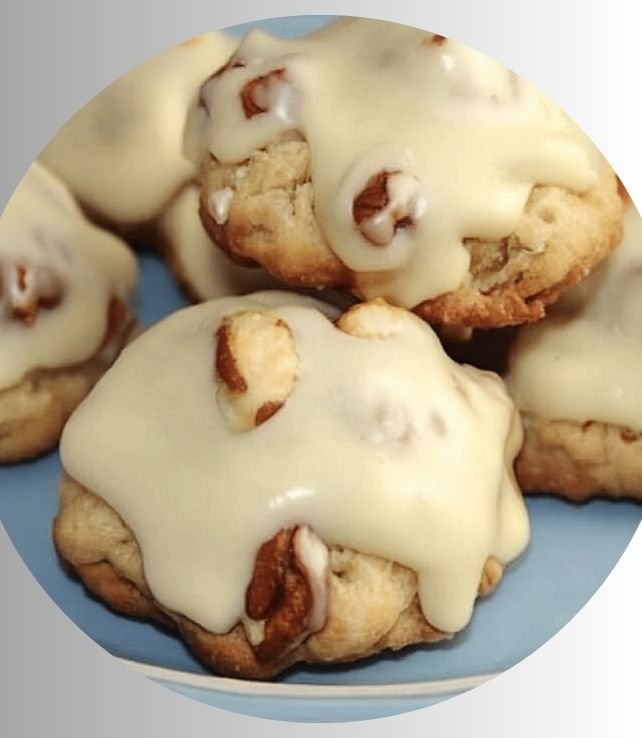
You may have a bag of butternut flavoring in your pantry from a single baking project, unsure of how to use the rest. I found myself in that exact situation, which led me to develop this specific formula. This recipe provides a clear method for using that ingredient to create a distinct cookie.
This guide explains the process for making butternut cookies, a soft, cake-like confection often featuring nuts and a vanilla glaze. The following sections detail the ingredients, technique, and the reasoning behind each step to ensure a consistent outcome.
Understanding the Butternut Cookie
Butternut cookies are a classic American treat, characterized by their soft, almost muffin-like texture and their signature vanilla glaze. The name can be confusing, as it does not typically refer to butternut squash. Instead, it originates from the use of butternut flavoring, an extract that imparts a rich, warm, and slightly nutty vanilla-like taste.
These cookies are distinct from crisp butter cookies or chewy chocolate chip varieties. Their structure relies on a specific balance of leavening agents and fats to achieve a tender crumb that melts in your mouth. They are often associated with community bake sales and family gatherings, a testament to their comforting and shareable nature.
Historical Context and Origin
The development of butternut cookies parallels the rise of home baking and the commercialization of extracts in the United States during the late 19th and early 20th centuries. As companies began producing flavorings like vanilla, lemon, and butternut for the mass market, home cooks experimented, creating new recipes to showcase these novel ingredients.
Butternut flavoring itself is believed to have been an affordable alternative or complement to pure vanilla extract, offering a unique depth. The cookie recipe became a staple in many handwritten cookbooks, passed down through generations. Its simplicity and reliance on pantry staples made it a dependable choice for many households.
How to Make Butternut Cookie Recipe
This is the core method I use after testing multiple versions. The key is creaming the butter and sugars properly to incorporate air, which helps create a light texture.
Recipe Details
- Prep Time: 20 minutes
- Cook Time: 10-12 minutes
- Servings: 36 cookies
- Course: Dessert
- Cuisine: American
- Diet: Vegetarian
Ingredients
- 1 cup (2 sticks) unsalted butter, softened
- 1 cup granulated sugar
- 1/2 cup packed light brown sugar
- 2 large eggs
- 2 teaspoons butternut extract
- 1 teaspoon vanilla extract
- 3 cups all-purpose flour
- 1 teaspoon baking powder
- 1/2 teaspoon baking soda
- 1/2 teaspoon salt
- 1 cup chopped pecans
- 1/2 cup water (for adjusting dough consistency, if needed)
- For the Frosting:
- 3 cups powdered sugar
- 1/4 cup whole milk, plus more as needed
- 1 teaspoon butternut extract
- 1/4 teaspoon salt
Instructions
- Preheat your oven to 350°F (175°C). Line baking sheets with parchment paper.
- In a large mixing bowl, cream together the softened butter, granulated sugar, and brown sugar until the mixture is light and pale yellow in color.
- Add the eggs one at a time, mixing well after each addition. Stir in the butternut and vanilla extracts.
- In a separate bowl, whisk together the flour, baking powder, baking soda, and salt.
- Gradually add the dry ingredients to the butter mixture, mixing on low speed until just combined.
- Fold in the chopped pecans. If the dough feels too stiff, add water one tablespoon at a time until it reaches a softer, more pliable consistency.
- Drop rounded tablespoons of dough onto the prepared baking sheets, spacing them about 2 inches apart.
- Bake for 10-12 minutes, or until the edges are just beginning to turn a light golden brown. The centers should still look soft.
- Allow the cookies to cool on the baking sheet for 5 minutes before transferring them to a wire rack to cool completely.
- For the frosting, whisk together the powdered sugar, milk, butternut extract, and salt until smooth. The glaze should be thick but pourable. Adjust with more milk or powdered sugar to achieve the right consistency.
- Once the cookies are completely cool, drizzle the frosting over the top.
Nutrition
- Calories: 180 kcal
- Protein: 2 g
- Fat: 8 g
- Carbohydrates: 26 g
- Sugar: 18 g
- Fiber: 0.5 g
- Sodium: 85 mg
- Cholesterol: 25 mg
Cooking Method
The primary cooking method for these cookies is baking. The process of creaming the fat and sugar is a form of mechanical leavening, where air is trapped in the mixture. This air expands in the oven’s heat, contributing to the cookie’s rise. The chemical leavening agents, baking powder and baking soda, produce carbon dioxide gas, which further aerates the dough, resulting in a soft and cake-like texture rather than a dense one.
Tools Needed
- Large mixing bowl
- Electric mixer or whisk
- Measuring cups and spoons
- Baking sheets
- Parchment paper or silicone baking mats
- Wire rack for cooling
Ingredient Analysis and Selection
Each component in this formula has a specific functional and flavor role. Understanding these roles allows for more confident substitutions and troubleshooting.
The Role of Fats: Butter
Using unsalted butter allows you to control the sodium level precisely. The fat coats the flour proteins, inhibiting gluten development, which is crucial for a tender texture. The water content in butter also turns to steam during baking, providing an additional lift. The temperature of the butter is non-negotiable; softened butter creams effectively with sugar to create the necessary air pockets for leavening.
Flour and Leavening Agents
All-purpose flour provides the right protein content for structure without making the cookies tough. Baking powder is a double-acting leavener, reacting once when wet and again when heated. Baking soda requires an acid to activate; in this recipe, the brown sugar provides that acidity, helping the cookies spread and brown.
Baking Powder vs. Baking Soda
Baking soda is sodium bicarbonate. It is powerful and requires an acidic ingredient like brown sugar or buttermilk to produce carbon dioxide. Baking powder contains both an acid and a base, so it can react with moisture alone. Using both in this recipe ensures a reliable rise and an optimal pH for browning.
Sugar and Flavorings
Granulated sugar provides sweetness and crispness. Brown sugar, containing molasses, adds moisture, a chewier texture, and a subtle caramel note. Butternut extract is the defining flavor. It is often described as a richer, more complex cousin to vanilla. If unavailable, using an additional two teaspoons of pure vanilla extract is a common adaptation, though the flavor profile will be different.
Add-ins: Nuts and Chocolate
Chopped pecans are the traditional addition, providing a contrasting crunch and a toasted, buttery flavor that complements the butternut extract. For a different variation, one cup of semi-sweet chocolate chips can be used instead of or alongside the nuts, creating a flavor combination that many enjoy.
Nutritional Breakdown
From a dietary perspective, it is helpful to understand what you are consuming. Each cookie provides energy primarily from carbohydrates and fats. The granulated and powdered sugars are simple carbohydrates, offering a quick source of energy. The brown sugar and flour contribute complex carbohydrates.
The fat content comes mainly from the butter and pecans. While this includes saturated fat, it also provides fat-soluble vitamins. Pecans add a small amount of protein, fiber, and beneficial monounsaturated fats. Being mindful of portion size is the most effective strategy for including these confections in a balanced eating pattern.
Dietary Adaptations
This formula can be modified to suit various dietary needs without sacrificing texture or flavor.
Gluten-Free Adaptation
Replace the all-purpose flour with a 1:1 gluten-free baking blend that includes xanthan gum. I have found that brands like Bob’s Red Mill work well. The texture may be slightly more crumbly, but the overall result is very close to the original.
Vegan Adaptation
Use a plant-based butter stick and replace the eggs with a commercial egg replacer or a flax egg (1 tablespoon ground flaxseed mixed with 2.5 tablespoons water per egg). For the frosting, use a plant-based milk. The butternut and vanilla extracts are typically vegan, but it is always prudent to check the label.
Lower-Sugar Version
Reducing the sugar will alter the texture, spread, and browning significantly. For a modest reduction, you can decrease the granulated and brown sugar by 1/4 cup each. The frosting can be made with a sugar substitute designed for baking, though the texture may differ.
Common Mistakes and Expert Tips
Many potential issues can be avoided with a few key pieces of knowledge.
Measuring Flour Incorrectly
The most common error is using too much flour, leading to dry, dense cookies. Do not scoop the flour directly with the measuring cup. Instead, spoon the flour into the cup and level it off with a knife. For absolute precision, using a kitchen scale to measure 360 grams of flour is best.
Overmixing the Dough
Once the flour is added, mix only until the ingredients are combined. Overmixing develops the gluten in the flour, resulting in a tough cookie rather than a soft one.
Overbaking the Cookies
These cookies are meant to be soft. They will appear slightly underdone when you remove them from the oven. The residual heat will continue to cook them on the hot baking sheet. Allowing them to rest on the sheet for five minutes is a critical step to set their structure without over-baking.
Frosting Warm Cookies
The glaze will melt and soak into the cookie if applied before they are completely cool. This makes the cookie soggy and the frosting disappear. Patience during the cooling phase is essential for the best visual and textural result.
Serving, Pairing, and Storage
These cookies are best served at room temperature. They pair well with a glass of cold milk, black coffee, or a hot tea. The simplicity of the flavor makes them a versatile dessert or snack.
Store fully cooled and frosted cookies in a single layer in an airtight container at room temperature for up to 4 days. Placing a sheet of parchment paper between layers will prevent them from sticking together. For longer storage, you can freeze the unfrosted cookies for up to 3 months. Thaw and frost them before serving.
Frequently Asked Questions
What can I use if I don’t have butternut extract?
You can substitute it with an equal amount of vanilla extract. The flavor will be a standard vanilla, but the texture of the cookie will remain the same. A combination of vanilla and a very small amount of almond extract (1/4 teaspoon) can approximate some of the complexity.
Why are my cookies flat and spread out too much?
This is usually caused by butter that is too warm or melted. Ensure your butter is softened but still cool to the touch. Another cause could be an old or expired baking powder that has lost its potency, failing to provide the necessary lift.
Can I make the dough ahead of time?
Yes, you can prepare the dough, cover it tightly, and refrigerate it for up to 48 hours. You may need to let it sit at room temperature for 10-15 minutes before scooping, as it will be firm. Chilling the dough can also help prevent excessive spreading.
How do I know when the cookies are done baking?
The cookies are finished when the edges are set and have a very light golden brown color. The centers will still look soft and puffy. They will firm up as they cool on the baking sheet.
Is there a way to make these cookies without nuts?
Absolutely. You can omit the pecans entirely for a plain butternut cookie. Alternatively, you can replace them with an equal amount of rolled oats or chocolate chips for a different variation.
My frosting is too thin/thick. How can I fix it?
If the glaze is too thin, add more powdered sugar, a tablespoon at a time, until it thickens. If it is too thick, add more milk, one teaspoon at a time, until it reaches a drizzle-able consistency.
What is the purpose of the salt in the frosting?
The salt balances the intense sweetness of the powdered sugar and enhances the overall flavor of the butternut extract, preventing the frosting from tasting one-dimensional.
