
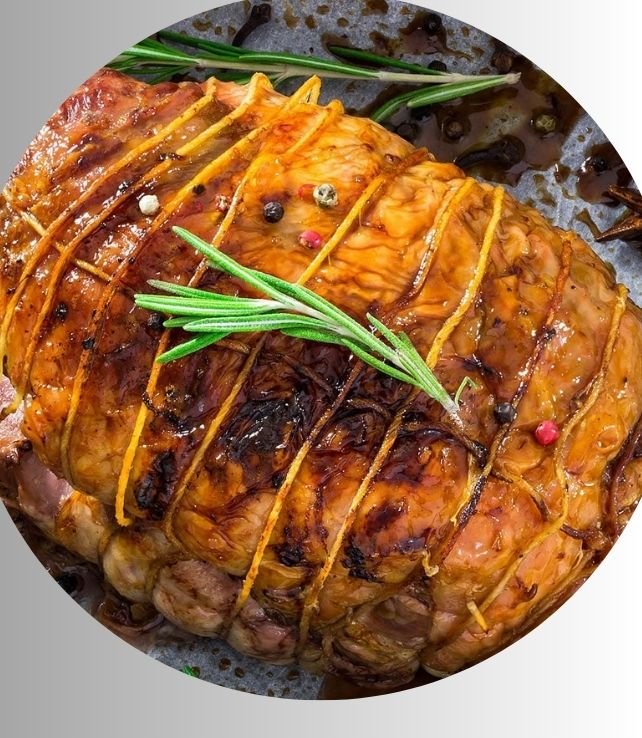
You have a package of turkey breast in the fridge, and the question of what to do with it feels more significant than it should. Grilling seems like a commitment, roasting a whole breast is too much, and simple slices can become dry and uninteresting. This is the precise moment I found myself in last summer, leading to the recipe I’m sharing with you today.
The solution is a method, not just a list of ingredients: the Turkey London Broil. It transforms a flat, lean cut of turkey breast into a centerpiece worthy of a Sunday dinner, yet simple enough for a Wednesday. By marinating and broiling or grilling it whole before slicing thinly against the grain, you achieve a result that is deeply flavorful, surprisingly juicy, and incredibly versatile. This is my tested, detailed guide to mastering it.
Understanding the Turkey London Broil
First, a point of clarification. “London Broil” traditionally refers to a method of preparing beef, specifically a flank or top round steak, by marinating and broiling it before slicing thinly. It’s a technique, not a specific cut. Applying this technique to turkey breast is a modern, leaner adaptation that solves the common problem of dry, bland turkey.
When I first experimented with this, I was skeptical. Turkey breast lacks the intramuscular fat of beef. However, the method works because the marinade acts as both a tenderizer and a flavor carrier, while the high-heat cooking and mandatory resting period help lock in the juices. The final, critical step of slicing thinly across the grain ensures every bite is tender.
Why This Method Works for Turkey
The structure of turkey breast muscle is long and parallel. Cooking it whole protects more of the internal moisture than if you were to cook individual cutlets. Slicing it thinly after cooking, and crucially, perpendicular to those muscle fibers, shortens them. This makes the meat far easier to chew and prevents that stringy, tough texture, creating an illusion of tenderness that the cut, on its own, might not possess.
How to Make Turkey London Broil Recipe
This is the core recipe, developed through multiple tests to balance flavor, moisture, and simplicity. Follow these steps precisely for a guaranteed excellent result.
Recipe Details
- Prep Time: 15 minutes (plus 4-24 hours marinating)
- Cook Time: 20-25 minutes
- Servings: 6
- Course: Main Course
- Cuisine: American
- Diet: Gluten-Free, Dairy-Free
Ingredients
- 1 (1.5 to 2 pound) turkey breast tenderloin or butterflied turkey breast, about 1 inch thick
- 1/3 cup reduced-sodium soy sauce or tamari
- 1/4 cup extra virgin olive oil
- 2 tablespoons balsamic vinegar
- 2 tablespoons fresh lemon juice
- 4 cloves garlic, minced
- 1 tablespoon Dijon mustard
- 1 tablespoon chopped fresh rosemary (or 1 teaspoon dried)
- 1 teaspoon smoked paprika
- 1/2 teaspoon freshly ground black pepper
- 1/4 teaspoon red pepper flakes (optional)
Instructions
- Place the turkey breast in a large, resealable plastic bag or a shallow glass dish.
- In a medium bowl, whisk together the soy sauce, olive oil, balsamic vinegar, lemon juice, minced garlic, Dijon mustard, rosemary, smoked paprika, black pepper, and red pepper flakes until fully combined.
- Pour the marinade over the turkey, ensuring it is completely coated. Seal the bag or cover the dish. Refrigerate for a minimum of 4 hours, and ideally overnight, turning the meat once or twice during this time.
- One hour before cooking, remove the turkey from the refrigerator to allow it to come closer to room temperature. This promotes more even cooking.
- Preheat your broiler on high, with the oven rack positioned 4-6 inches from the heat source. Alternatively, preheat an outdoor grill or grill pan to medium-high heat (about 400°F).
- Remove the turkey from the marinade, letting the excess drip off. Discard the used marinade.
- For broiling: Place the turkey on a broiler pan or a wire rack set inside a rimmed baking sheet. Broil for 10-12 minutes per side, or until the internal temperature reaches 165°F when checked with an instant-read thermometer inserted into the thickest part. For grilling: Grill for 8-10 minutes per side, achieving good grill marks, until the internal temperature reaches 165°F.
- Transfer the cooked turkey to a clean cutting board. Tent it loosely with aluminum foil and let it rest for a full 10 minutes. This step is non-negotiable, as it allows the juices to redistribute.
- Using a very sharp knife, slice the turkey thinly, about 1/4-inch thick, making sure to cut perpendicular to (across) the visible grain of the meat. Serve immediately.
Nutrition
- Calories: 210 kcal
- Protein: 28 g
- Fat: 9 g
- Carbohydrates: 3 g
- Sugar: 1 g
- Fiber: 0 g
- Sodium: 580 mg
- Cholesterol: 70 mg
Cooking Method
The primary methods are broiling or grilling. Broiling offers excellent, consistent high heat from above, mimicking an overhead grill, and is perfect for year-round cooking. Grilling imparts a desirable smoky flavor. A heavy cast-iron grill pan on the stovetop is a superb third option, providing excellent sear and control. Avoid baking at a moderate temperature, as it will steam the meat rather than sear it, failing to develop the characteristic crust.
Tools Needed
- A sharp chef’s knife or carving knife
- Instant-read meat thermometer
- Resealable plastic bag or glass dish for marinating
- Broiler pan with rack OR outdoor grill/grill pan
- Cutting board
Ingredient Analysis and Selection
Each component in the marinade serves a specific functional purpose beyond flavor. Understanding this allows you to make informed substitutions without compromising the recipe’s science.
The Turkey Cut: Tenderloin vs. Butterflied Breast
You need a cut that is relatively uniform in thickness, about 1 inch. Turkey breast tenderloins are ideal—they are naturally separate muscles that are already flat. A whole turkey breast can be butterflied: slice it horizontally almost all the way through, then open it like a book and pound it gently to an even thickness. Avoid pre-sliced cutlets; they will overcook and dry out.
Deconstructing the Marinade
The marinade is an equilibrium of acid, salt, fat, and flavorings.
Acid (Vinegar, Lemon Juice)
The balsamic vinegar and lemon juice are weak acids. They slightly denature the very surface proteins of the turkey, allowing the flavors to penetrate a millimeter or two and contributing to surface tenderness. They will not “tenderize” the meat deeply, contrary to popular belief. Over-marinating in strong acids (over 24 hours) can make the surface mushy.
Salt (Soy Sauce)
This is the most crucial component. The soy sauce, through its sodium content, performs osmosis and diffusion. It draws out some moisture, which then combines with the salt and seasonings and is drawn back in, carrying flavor deeper into the meat than acid alone can. It also helps the proteins retain more moisture during cooking.
Fat (Olive Oil)
Olive oil coats the meat, helps emulsify the marinade, and carries fat-soluble flavors from the garlic and rosemary. It also promotes better browning and prevents sticking during cooking.
Flavor Catalysts (Garlic, Mustard, Herbs, Spices)
Garlic and Dijon mustard contain compounds that provide pungent, savory notes. Mustard also acts as a mild emulsifier. Rosemary is a robust herb that stands up to high-heat cooking. Smoked paprika provides a subtle smokiness and color, especially useful when broiling indoors.
Nutritional Breakdown and Health Perspective
From a dietary standpoint, this preparation makes lean poultry a compelling choice for various eating patterns. A 3-ounce serving of cooked skinless turkey breast provides approximately 26 grams of high-quality protein, essential for muscle maintenance, satiety, and metabolic function, with only about 1-2 grams of fat.
The marinade adds minimal carbohydrates. The primary nutritional consideration is sodium, primarily from the soy sauce. Using a reduced-sodium variety and ensuring you discard the marinade (rather than boiling it into a sauce) controls this effectively. The fat used is primarily monounsaturated from olive oil, associated with heart health.
This dish aligns well with diets focused on high protein, low carbohydrate, and gluten-free (using tamari) needs. It is inherently dairy-free. The cooking method uses no added fats during the broiling or grilling process, making it a clean, whole-food protein source.
Dietary Adaptations and Variations
The framework of this recipe is highly adaptable. Here are tested modifications for specific dietary needs and flavor preferences.
For a Strict Gluten-Free Diet
Ensure you use certified gluten-free tamari instead of standard soy sauce, as most soy sauce contains wheat.
For a Lower-Sodium Version
Replace the soy sauce with coconut aminos. The flavor will be slightly sweeter and less salty, so you may want to add a pinch more smoked paprika or black pepper to balance.
Flavor Profile Variations
- Mediterranean: Use red wine vinegar, add dried oregano and a strip of lemon zest to the marinade.
- Asian-Inspired: Substitute the soy sauce with a mix of coconut aminos and a teaspoon of fish sauce, use rice vinegar instead of balsamic, and add a teaspoon of grated fresh ginger.
- Herb-Forward: Replace rosemary with fresh thyme or sage, which pair classically with poultry.
Cultural and Historical Context
The term “London Broil” is a distinctly American invention, likely dating to the 1930s or 1940s. It was a marketing term used by butchers and cooks to make a less expensive, tougher cut of beef—like flank or top round—sound more appealing. The technique of marinating and broiling before slicing was the key to its palatability.
Applying this technique to turkey breast is a much more recent innovation, born from the late 20th-century demand for leaner proteins and the versatility of turkey beyond the holiday roast. It represents a pragmatic and healthy reinterpretation of a classic American kitchen strategy: using technique to elevate an economical ingredient. There’s no London, and often no broiler, but the spirit of creating something excellent from something simple remains.
Common Mistakes and Expert Tips
After making this dozens of times, I’ve identified the pitfalls that separate a good result from a great one.
Skipping the Resting Period
Cutting into the turkey immediately after cooking releases the hot juices pooled in the center onto the cutting board, leaving the meat dry. Ten minutes of resting allows the fibers to relax and reabsorb those juices throughout the entire cut.
Slicing With the Grain
Always identify the direction of the long muscle fibers on your cooked turkey. Slicing parallel to them means you’re eating long, tough strands. Slicing across them shortens the fibers, guaranteeing tenderness. If you’re unsure, make a test slice and adjust your angle.
Using the Marinade as a Sauce
The marinade that has been in contact with raw poultry must not be used as a finishing sauce unless it is boiled vigorously for at least one full minute to destroy any bacteria. It is safer and simpler to discard it and make a fresh sauce if desired, such as a quick pan sauce with broth and a splash of balsamic vinegar after cooking.
Overcooking
Turkey breast cooked to 165°F is safe, but carryover cooking during the rest will raise the temperature another 5-10 degrees. For optimal juiciness, I remove the turkey from the heat at 160°F. The residual heat will bring it to a safe 165°F during the rest.
Serving, Pairing, and Storage Guidance
This turkey’s versatility is its greatest asset. The thin slices absorb sauces and pair with a wide array of sides.
Serving Suggestions
Serve the sliced turkey warm. It can be the center of a plate, piled high on a platter, or used as a component in other dishes.
Ideal Pairings
- Starches: Garlic mashed potatoes, roasted sweet potato wedges, wild rice pilaf, or a crusty whole-grain bread to soak up juices.
- Vegetables: A simple green salad, roasted asparagus or Brussels sprouts, grilled zucchini, or a bright, acidic coleslaw to cut the richness.
- Sauces: A dollop of whole-grain mustard, a drizzle of extra virgin olive oil, or a quick gravy made from turkey or chicken stock.
Storage and Reheating
Store leftover sliced turkey in an airtight container in the refrigerator for up to 4 days. To reheat, avoid the microwave, which will toughen it. Instead, place slices in a single layer in a skillet with a couple of tablespoons of broth or water, cover, and warm gently over low heat until just heated through. It is also excellent cold in salads, wraps, or sandwiches.
Frequently Asked Questions
Can I use frozen turkey breast?
Yes, but it must be fully thawed in the refrigerator before marinating. Marinating frozen or partially frozen meat is ineffective and unsafe, as the marinade cannot penetrate and the meat will not cook evenly.
How long can I marinate the turkey?
The ideal window is 4 to 24 hours. Less than 4 hours provides minimal flavor penetration. More than 24 hours, especially with the acidic components, can begin to break down the surface proteins too much, resulting in a mushy exterior texture.
My broiler smokes a lot. What can I do?
This is often due to fat or marinade dripping onto the hot pan. Using a broiler pan with a slotted top that allows drippings to fall into a bottom tray is crucial. Lining the bottom tray with aluminum foil makes cleanup easier. Also, ensure your oven is clean, as built-up grease on the walls or floor will smoke.
What if I don’t have an instant-read thermometer?
While I strongly recommend investing in one for perfect results, you can check by making a small cut into the thickest part. The meat should be opaque throughout with clear, not pink, juices running out. However, this is less reliable and often leads to overcooking.
Can I make this with chicken breast?
Absolutely. The method is identical. Use boneless, skinless chicken breasts pounded to an even 1-inch thickness. Cooking time may be slightly less, so start checking the internal temperature a few minutes earlier.
Is the sodium content adjustable?
Yes. Using low-sodium soy sauce or coconut aminos is the most effective way to reduce sodium. You can also slightly reduce the amount called for, though this may slightly diminish the depth of flavor and tenderizing effect.
What do I do with the leftovers?
Leftover sliced turkey is incredibly versatile. Use it in chef’s salads, grain bowls, wraps with lettuce and avocado, or as a high-protein topping for a hearty soup. It makes for a far more flavorful sandwich filling than traditional deli meat.
