
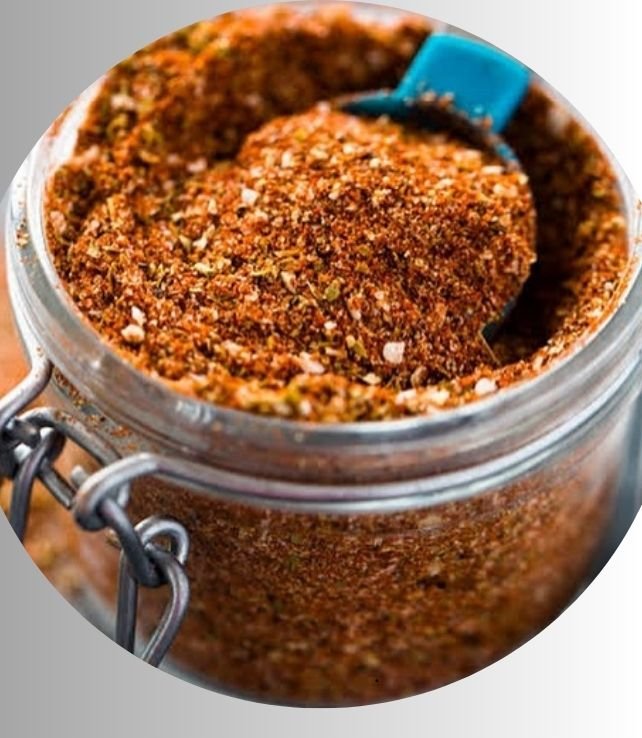
There is a particular scent that defines my kitchen on cooking days. It is not the smell of a single herb or spice, but a complex, warm, and slightly smoky aroma that promises flavor without complication. For years, I reached for a store-bought container of Cajun seasoning to create it, until I finally turned that container around and read the label.
The list included sugar, maltodextrin, and anti-caking agents I did not need. As someone who guides others in nutritional wellness, I knew there had to be a better way—a method that aligned with clean eating principles like those in the Trim Healthy Mama plan, which emphasizes blood sugar management through separating fuel sources.
This pursuit led me to develop a homemade Cajun seasoning blend. It is more than a recipe; it is a foundational kitchen staple that transforms simple proteins and vegetables into vibrant meals while staying firmly within S (Satisfying) or E (Energizing) fuel settings. You will find the complete formula below, followed by everything you need to understand its components, its use, and its place in a health-conscious kitchen.
How to Make Trim Healthy Mama Homemade Cajun Seasoning Recipe
This blend is about balance. It captures the spirit of Cajun cooking—robust, earthy, and with a building warmth—using pure, whole-food spices. Making it yourself allows you to control the sodium level and omit any hidden sugars or fillers common in commercial mixes.
Recipe Details
- Prep Time: 5 minutes
- Cook Time: 0 minutes
- Servings: Approximately 1/2 cup (about 24 teaspoons)
- Course: Condiment, Seasoning
- Cuisine: Cajun-Inspired, American
- Diet: Gluten-Free, Sugar-Free, THM S & E Friendly, Vegan
Ingredients
- 2 tablespoons paprika
- 1 tablespoon garlic powder
- 1 tablespoon onion powder
- 2 teaspoons dried oregano
- 2 teaspoons dried thyme
- 1 teaspoon freshly ground black pepper
- 1 teaspoon cayenne pepper (adjust for heat preference)
- 1 teaspoon fine sea salt (or to taste)
- 1/2 teaspoon white pepper (optional, for a different heat profile)
Instructions
- Gather all your dried herbs and spices. Ensure they are fresh for the most potent flavor. Using a small whisk or fork is helpful for breaking up any clumps in the powders.
- Add all ingredients—paprika, garlic powder, onion powder, oregano, thyme, black pepper, cayenne pepper, salt, and white pepper (if using)—into a medium-sized mixing bowl.
- Using a whisk, stir the spices vigorously until the mixture is completely uniform in color. You should see a consistent reddish-brown blend with no streaks of individual spices.
- Transfer the finished seasoning to an airtight container. A small glass jar with a tight-fitting lid is ideal for preserving freshness.
- Store your homemade Cajun seasoning in a cool, dark place like a pantry or spice cabinet. Use within 6 months for optimal flavor.
Nutrition
- Calories: 5 kcal
- Protein: 0.2 g
- Fat: 0.2 g
- Carbohydrates: 1 g
- Sugar: 0.2 g
- Fiber: 0.5 g
- Sodium: 195 mg
- Cholesterol: 0 mg
Note: Nutritional information is per teaspoon. Values are estimates based on the specific brands and measurements used.
Cooking Method
This is a no-cook, blend-and-store method. The “cooking” happens when you apply the seasoning to your proteins or vegetables before grilling, baking, sautéing, or air-frying. The heat activates the oils in the dried herbs, releasing their full spectrum of flavors.
Tools Needed
- Medium mixing bowl
- Whisk or fork
- Measuring spoons
- Airtight glass jar or spice container for storage
- Small funnel (optional, for clean transfer into the jar)
Ingredient Analysis: The Science of Flavor and Function
Each component in this blend serves a dual purpose: contributing to the classic flavor profile and offering distinct nutritional attributes. Understanding these allows you to appreciate the blend beyond its taste.
Paprika: The Foundation of Color and Sweetness
Paprika provides the signature red hue and a subtle, sweet pepper base. It is made from dried and ground Capsicum annuum peppers. The type you choose matters. Standard supermarket paprika is fine, but smoked paprika can add a deep, woodsy note. Paprika is rich in carotenoids like beta-carotene, which the body converts to vitamin A, supporting vision and immune function.
Garlic and Onion Powder: The Savory Heart
These dehydrated forms offer concentrated, allium flavor without the moisture of fresh garlic and onion, which is crucial for a shelf-stable powder. They contain compounds like allicin (in garlic) which have been studied for their potential antimicrobial properties. From a culinary standpoint, they distribute flavor evenly across the surface of your food.
Oregano and Thyme: The Herbal Backbone
These Mediterranean herbs are surprisingly authentic to Louisiana Cajun cooking, a testament to the region’s diverse culinary influences. Oregano offers a slightly bitter, pungent note, while thyme is earthy and faintly minty. Both are sources of antioxidants. Crushing them between your fingers before adding to the blend can help release more of their volatile oils.
The Pepper Trio: Black, Cayenne, and White
Black Pepper
Freshly ground black pepper provides a sharp, piney heat and contains piperine, a compound noted for enhancing the bioavailability of other nutrients.
Cayenne Pepper
This is your primary heat source, made from ground cayenne chili peppers. The active component, capsaicin, can influence metabolism and promote a feeling of fullness. Start with 1 teaspoon and adjust in future batches.
White Pepper
Made from ripe pepper berries with the outer skin removed, white pepper contributes a distinct, earthy heat that is more present in the nose than on the tongue. It is traditional in many Creole dishes and helps create a more complex heat profile.
Sea Salt: The Flavor Amplifier
Salt is not just for saltiness; it is a flavor enhancer that makes the other spices taste more like themselves. Using a fine sea salt ensures it blends seamlessly without creating salty pockets. You have complete control over this amount, which is a significant advantage over pre-made blends.
Nutritional Philosophy and THM Fuel Alignment
The Trim Healthy Mama plan categorizes meals by their primary fuel source: S for fats, E for carbohydrates, and FP (Fuel Pull) for low in both. This seasoning blend is a cornerstone for all three because it adds significant flavor without adding significant fats, carbs, or sugars.
Why This Blend Supports Your Goals
It contains zero grams of sugar and negligible carbohydrates per serving, making it safe for both S and E meals. For an S meal, rub it on chicken thighs with a little oil and roast. For an E meal, generously season a batch of black beans or a white fish fillet. It transforms plain, lean proteins and fibrous vegetables into something you anticipate eating.
The capsaicin from the cayenne pepper may offer a slight thermogenic effect, and the herbs provide trace minerals and antioxidants. Most importantly, it makes healthy food taste good, which is the most sustainable nutrition strategy.
Dietary Adaptations and Customizations
The base recipe already accommodates many dietary needs, but you can tailor it further.
For a Low-Sodium Version
Reduce the sea salt to 1/2 teaspoon or omit it entirely. You can add a teaspoon of nutritional yeast or a dash of citric acid to help mimic the flavor-enhancing “brightness” that salt provides.
Increasing Heat and Depth
Add 1/2 teaspoon of chipotle powder for a smoky heat, or include a pinch of ground celery seed for an additional layer of savory, almost salty flavor common in old-school Cajun blends.
Creating a “Creamy Cajun” Variation
When making a cream-based sauce or dressing, consider adding 2 tablespoons of this blend to 1/2 cup of Trim Healthy Mama-approved Greek yogurt or light sour cream for an FP-friendly dip or topping.
Cultural and Historical Context
What we often call “Cajun seasoning” in American home cooking is a simplified, dried version of the foundational flavors of Acadian cuisine. The Acadians, French settlers exiled from Canada, adapted their rustic French cooking to the ingredients of South Louisiana’s bayous.
Their true “seasoning” was the “holy trinity” of onions, bell peppers, and celery, slowly cooked in fat. The dried spice blend we use today is a convenient pantry representation of those flavors (onion, pepper notes from paprika and cayenne) combined with herbs common to the region and the heat of local peppers. This homemade version honors that tradition by using real, recognizable ingredients.
Common Mistakes and Expert Tips for Perfection
Using Stale Spices
Dried herbs and spices lose potency over time. If your jars are from a previous year, their flavor will be dim. For the brightest taste, purchase smaller quantities from stores with high turnover or consider buying whole spices and grinding them yourself.
Not Blinding Thoroughly
A few extra seconds of whisking are non-negotiable. An uneven blend means one bite might be all salt and the next all cayenne. Aim for a completely homogeneous powder.
Storing Improperly
Heat, light, and moisture are the enemies of dried spices. Always use an airtight container and keep it in a pantry, not next to the stovetop where steam and heat are prevalent.
Application Error
For the best flavor, pat your protein or vegetable dry before applying the seasoning. The moisture will make the powder clump. For deeper flavor penetration on meats, you can apply the seasoning 30 minutes before cooking.
Serving, Pairing, and Storage Guidance
How to Use Your Cajun Seasoning
This blend is incredibly versatile. Use it as a dry rub for chicken, fish, shrimp, or lean cuts of pork. Toss it with cauliflower florets or zucchini slices before roasting. Stir a teaspoon into a pot of soup or a batch of lean ground turkey for taco salads.
THM Meal Pairing Ideas
- S Meal: Cajun-seasoned salmon with a side of roasted asparagus drizzled with olive oil.
- E Meal: Large batch of Cajun-seasoned black beans served over a portion of brown rice with a side salad.
- FP Meal: Cajun-rubbed baked chicken breast with a large portion of non-starchy vegetables like green beans and mushrooms.
Storage and Shelf Life
Stored correctly in an airtight jar in a cool, dark place, this blend will remain safe to use for over a year. However, its peak flavor will be within 6 months. You can make a double or triple batch to always have it on hand. I do not recommend refrigeration, as it can introduce condensation.
Frequently Asked Questions
Is this Cajun seasoning spicy?
The heat level is moderate and adjustable. The 1 teaspoon of cayenne provides a noticeable warmth that builds. For a milder blend, reduce the cayenne to 1/2 teaspoon. For no heat, omit it, though you will lose a characteristic element of the flavor profile.
Can I use fresh herbs instead of dried?
No, for this dry spice blend, you must use dried herbs. Fresh herbs contain water, which will cause the entire mixture to clump and potentially spoil. The flavor profiles of dried and fresh herbs are also different, with dried being more concentrated.
How does this compare to store-bought blends like Tony Chachere’s?
Commercial blends often contain salt as the first ingredient, along with additives like silicon dioxide (an anti-caking agent) and sugar. This homemade version uses salt as a balancing component, contains no additives, and has no sugar, making it purer and allowing you to control the sodium level directly.
Can I make this into a wet marinade?
Yes. To create a marinade, mix 2 tablespoons of this seasoning with 1/4 cup of olive oil (for an S meal) or vinegar (for an E meal) and a squeeze of lemon juice. This works well for chicken or shrimp.
Is this seasoning considered “on plan” for all Trim Healthy Mama fuel types?
Yes. Because it contains negligible amounts of fats, carbohydrates, and sugars, it is considered a “condiment” that can be used freely across S, E, and FP meals without affecting your fuel source.
My paprika seems clumpy. What should I do?
Paprika can absorb moisture from the air. Before measuring, sift it through a fine-mesh strainer or break up the clumps with a fork. Ensuring all ingredients are free of lumps before mixing is key to a uniform blend.
What is the best way to apply the rub to meat?
Pat the meat dry with a paper towel. Sprinkle the seasoning evenly over all sides, then gently press it onto the surface with your hands to help it adhere. Let it sit for at least 15 minutes before cooking for deeper flavor.
