
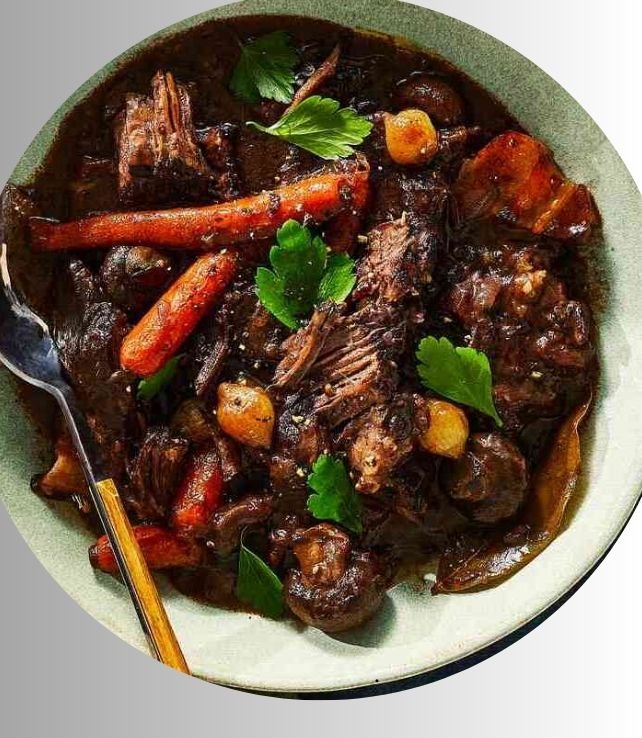
There is a specific, briny scent that takes me straight to the granite piers of my childhood. It’s the smell of low tide, of wet rock and seaweed, of a bucket half-full of seawater and the small, intricate creatures we’d collect. For many, the idea of cooking with whelks and periwinkles might seem unusual, a relic of a harder time. For me, it is a direct link to coastal kitchens and a remarkably sustainable way to enjoy the ocean’s bounty.
This stew is not a quick, throw-together meal. It is a process, a meditation on extracting deep, layered flavor from the most humble of ingredients. The result is a broth that tastes profoundly of the sea—clean, mineral-rich, and complex—with tender morsels of seafood. If you’ve ever wondered how to transform these often-overlooked shellfish into a nourishing and memorable dish, you have found the right guide. I have prepared this stew countless times, refining the method to ensure clarity and success in your kitchen.
Below, you will find the complete recipe, followed by detailed explorations of the ingredients, their nutritional profiles, cultural significance, and the practical science that makes this stew work so well.
How to Make Whelk and Periwinkle Stew
This method breaks the process into clear stages: thorough cleaning, building a flavorful base, cooking the shellfish, and finishing the broth. Patience during each stage is the true secret.
Recipe Details
- Prep Time: 45 minutes (includes cleaning time)
- Cook Time: 1 hour 15 minutes
- Servings: 4
- Course: Main Course
- Cuisine: Coastal, Traditional
- Diet: Pescatarian, Gluten-Free
Ingredients
- 2 lbs live whelks
- 1 lb live periwinkles
- 3 tbsp olive oil
- 1 large yellow onion, finely diced
- 2 medium carrots, finely diced
- 2 celery stalks, finely diced
- 4 cloves garlic, minced
- 1/2 cup dry white wine
- 1 (28-oz) can whole plum tomatoes, hand-crushed
- 6 cups cold water or light fish stock
- 1 large piece of kombu seaweed (optional, for umami)
- 2 bay leaves
- 1 tsp black peppercorns
- 1 small bunch flat-leaf parsley, stems and leaves separated
- Sea salt to taste
- Crusty bread, for serving
Instructions
- Place the live whelks and periwinkles in a large bowl of cold seawater or heavily salted water (mimicking sea salinity) for at least 1 hour. This encourages them to purge sand. Scrub the shells vigorously with a stiff brush under cold running water to remove all debris and biofilm.
- In a large, heavy-bottomed pot or Dutch oven, heat the olive oil over medium heat. Add the diced onion, carrot, and celery. Cook, stirring occasionally, until the vegetables have softened and the onions are translucent, about 8-10 minutes. Add the minced garlic and cook for 1 more minute until fragrant.
- Increase the heat to medium-high. Pour in the white wine and let it simmer vigorously until reduced by half, scraping any browned bits from the bottom of the pot.
- Add the hand-crushed tomatoes with their juices, the cold water (or fish stock), kombu (if using), bay leaves, peppercorns, and the tied bundle of parsley stems. Bring to a very gentle simmer. Do not let it boil vigorously.
- Carefully add the cleaned whelks to the simmering broth. Cover the pot and let them cook for 45 minutes to 1 hour. They are done when the meat is tender and can be easily pierced with a fork. Using a slotted spoon, remove the whelks to a large bowl and set aside to cool slightly.
- Add the cleaned periwinkles to the same broth. Cover and cook for 8-10 minutes, or until the operculum (the little “trap door”) separates from most shells. Remove the periwinkles with a slotted spoon and add them to the bowl with the whelks.
- Strain the broth through a fine-mesh sieve or cheesecloth into a clean pot. Discard the solids. You should have a clear, aromatic seafood broth. Bring it back to a low simmer and season carefully with sea salt.
- While the broth simmers, extract the meats. For whelks, use a small fork or toothpick to pull the meat completely from the shell, removing and discarding the hard operculum and the dark digestive tract. For periwinkles, use a pin or toothpick to gently twist and pull the meat from the shell. Return all the cleaned seafood to the strained, simmering broth to warm through for 2-3 minutes.
- Finely chop the reserved parsley leaves. Ladle the stew into deep bowls, ensuring a good mix of broth and shellfish. Garnish generously with the fresh parsley. Serve immediately with plenty of crusty bread for dipping.
Nutrition
- Calories: 280 kcal
- Protein: 32 g
- Fat: 12 g
- Carbohydrates: 15 g
- Sugar: 7 g
- Fiber: 3 g
- Sodium: 850 mg
- Cholesterol: 115 mg
Cooking Method
The primary cooking method here is a gentle, prolonged simmering. Unlike quick-cooking shrimp or scallops, whelks require time for their connective tissues to break down into tenderness. Simmering, as opposed to boiling, keeps the broth clear and prevents the proteins from seizing and becoming rubbery. The process is essentially a two-stage poach: first for the tough whelks, then for the more delicate periwinkles.
Tools Needed
- Large, heavy-bottomed pot or Dutch oven with a lid
- Stiff-bristled brush for cleaning shells
- Fine-mesh sieve or cheesecloth for straining
- Slotted spoon
- Small forks, toothpicks, or pins for extracting shellfish meat
Understanding Your Core Ingredients
The success of this dish hinges on the quality and handling of its two star ingredients. Knowing what you are working with transforms the preparation from a chore into an interesting process.
Whelks: The Substantial Snail
Whelks are marine gastropods, a type of sea snail. They are carnivorous, often scavenging, which contributes to their robust, savory flavor—more pronounced than that of bivalves like clams.
Selecting and Handling Live Whelks
Always seek out live whelks. A live whelk will retract tightly into its shell when touched or will hold its operculum firmly closed. They are often sold in net bags. The purge in salted water is non-negotiable; it removes grit and sand from their systems. The subsequent scrubbing removes external algae and debris, ensuring your broth stays clean.
Flavor and Texture Profile
Once cooked, whelk meat has a firm, almost chewy texture similar to a well-prepared octopus or conch. The flavor is distinctly oceanic, with sweet, nutty, and slightly metallic notes. The foot (the main muscle) is the prime edible part, while the viscera can impart bitterness if included in the final stew, which is why I recommend removing it.
Periwinkles: The Tiny Treasures
Periwinkles are smaller herbivorous gastropods that graze on algae on rocks and pilings. They are a classic forage food across many coastlines.
Selecting and Handling Live Periwinkles
Look for periwinkles that are closed up or that react to stimulus. Their cleaning process is the same as for whelks—a saltwater purge and a vigorous scrub. Their small size makes this a bit more tedious, but it is essential for grit-free enjoyment.
Flavor and Texture Profile
Periwinkle meat is tender and sweet, with a more delicate flavor than whelk. Extracting it is a hands-on, leisurely activity that encourages slow eating. The tiny morsel of meat is a concentrated burst of the sea’s sweetness.
The Supporting Cast: Building the Broth
The aromatic vegetables (onion, carrot, celery—a classic mirepoix) provide a sweet, earthy foundation that balances the briny seafood. The white wine adds necessary acidity, cutting through the richness. The tomatoes offer a subtle sweetness and body, while the kombu, a trick borrowed from Japanese dashi, leverages natural glutamates to deepen the savory umami character of the broth without being detectable itself.
Nutritional Perspective on a Coastal Dish
From a dietary standpoint, this stew is a powerhouse of lean nutrition, emblematic of many traditional coastal diets linked to longevity.
Macronutrient and Micronutrient Breakdown
The primary source of calories is high-quality protein from the shellfish. Whelks and periwinkles are exceptionally lean, with minimal fat. The carbohydrates present come from the vegetables, providing fiber and essential vitamins. This stew is naturally gluten-free and low in saturated fat.
Shellfish are renowned for their micronutrient density. They are an excellent source of vitamin B12, crucial for nerve function and energy metabolism, and a very good source of iron in a highly absorbable form. They also provide significant amounts of zinc, selenium, and magnesium. The broth, infused with minerals from the shells and seaweed, becomes a hydrating electrolyte source.
Dietary Adaptations and Modifications
The base recipe is already friendly to several dietary patterns, but it can be adapted further.
For a Low-Sodium Version
Omit added salt during cooking. The natural salinity from the shellfish and seaweed (if used) will provide considerable flavor. Season individually at the table if needed.
Creating a Spicy Variation
Add 1-2 teaspoons of crushed red pepper flakes or a whole dried chili to the broth with the bay leaves. A dash of hot sauce at the table also works well.
Addressing Shellfish Allergies
Unfortunately, the core ingredients define this dish. There is no direct substitute for whelks and periwinkles that would result in a similar stew. This recipe is not suitable for those with shellfish allergies.
Historical and Cultural Context
Stews based on foraged shellfish are among humanity’s oldest prepared foods. Evidence of large-scale periwinkle consumption dates back to prehistoric shell middens found along coastlines worldwide.
In many cultures, particularly in the British Isles, coastal France, Korea (where similar dishes are called *golbaengi-muchim*), and parts of West Africa, whelks and periwinkles have been staple protein sources for centuries. They were food for fishing communities—abundant, free for the taking, and highly nutritious. This stew represents a “cucina povera” or humble kitchen tradition, where ingenuity and time transform simple, sustainable ingredients into something deeply satisfying and healthful. It is a direct connection to a way of eating that is both ancestral and strikingly modern in its sustainability.
Common Mistakes and How to Avoid Them
After many iterations, I have identified the pitfalls that can compromise your stew.
Skipping the Purge and Scrub
This is the most common error. Gritty stew is unpleasant. The salted water purge and mechanical scrubbing are your insurance policy. Do not rush or skip them.
Overcooking the Periwinkles
Adding periwinkles too early or boiling the broth vigorously will make their meat tough and difficult to extract. They require only a brief, gentle cook after the whelks are done.
Not Straining the Broth
The vegetable solids, parsley stems, and spices have done their job after simmering. Leaving them in makes the broth cloudy and can impart a bitter, overly herbaceous note over time. Straining yields a clear, refined base.
Neglecting the Final Seasoning
Always season the strained broth at the end. The reduction and the salinity from the shellfish can vary. Taste and adjust with salt just before serving to achieve a perfectly balanced flavor.
Serving, Pairing, and Storage Guidelines
Optimal Serving Suggestions
Serve this stew in deep, pre-warmed bowls to retain heat. The essential accompaniment is a robust, crusty bread like a sourdough boule or a baguette for sopping up the broth. A simple green salad with a sharp vinaigrette provides a refreshing, acidic contrast to the rich seafood.
Beverage Pairings
A crisp, high-acid white wine like a Muscadet, Albarino, or a classic Chablis complements the briny flavors beautifully. For a non-alcoholic pairing, a sparkling water with a squeeze of lemon or a chilled, delicate green tea works well.
Storage and Reheating Instructions
Store leftover stew (broth and shellfish together) in a sealed container in the refrigerator for up to 2 days. The flavors often improve overnight. Reheat gently in a saucepan over low heat until just warmed through; boiling will toughen the shellfish. I do not recommend freezing this stew, as the texture of the seafood will deteriorate significantly.
The Science of Tenderness and Flavor Extraction
Two key scientific principles are at work here. First, the prolonged, low-heat cooking of the whelks hydrolyzes their collagen—a tough connective tissue—into soft, silky gelatin. This process requires both time and controlled temperature, which is why a simmer is perfect.
Second, flavor extraction is maximized through the layering of ingredients. The initial sauté of vegetables caramelizes their sugars, building a flavor base. The deglazing with wine captures those fond (browned bits) and introduces acidity. The slow simmer then draws out the water-soluble flavors and minerals from the shells, the glutamate from the kombu, and the savory compounds from the shellfish meat itself, creating a broth that is far greater than the sum of its parts.
Frequently Asked Questions
Can I use frozen whelks and periwinkles?
You can, but the result will be different. Frozen, pre-cooked shellfish will lack the depth of flavor that comes from simmering live in the broth. They also risk becoming rubbery if reheated for too long. If using frozen, add them at the very end of cooking just to heat through, and expect a lighter broth.
Where can I buy live whelks?
Look for them at Asian or international seafood markets, which often carry a wide variety of live shellfish. Some well-stocked mainstream fishmongers may order them for you if given notice. Online specialty seafood suppliers are another reliable source.
How do I know if the shellfish are fresh and safe to eat?
Live shellfish should have a clean, ocean-like smell. They must be alive when you cook them. Discard any whelks or periwinkles with cracked shells or that do not close when tapped. After cooking, discard any that remain completely open.
Is there a faster way to extract the meat?
For whelks, after they are cool enough to handle, you can use a small pair of kitchen shears to cut the muscle attachment at the base of the shell, which can make extraction easier. For periwinkles, a dedicated seafood pin or a sturdy safety pin is the most effective tool. There is no truly “fast” way; it is part of the ritual.
Can I make the broth in advance?
Yes, you can complete the recipe through straining the broth. Cool the broth separately, store it refrigerated for up to 2 days, and then reheat it to a simmer before adding the cooked, extracted shellfish meat to warm through. This can help with planning for a dinner party.
What can I do with the empty shells?
Rinse them well and let them dry completely. They make excellent drainage material for potted plants, can be used in craft projects, or can be crushed and added to a garden path. Please do not return them to a local beach, as this can disrupt the local ecosystem.
My broth turned out cloudy. What happened?
Cloudiness is usually caused by boiling the broth too aggressively, which emulsifies fats and proteins into the liquid, or by not straining it thoroughly. A gentle simmer and careful straining through a fine mesh or cloth will ensure a clear broth next time.
Are periwinkles the same as snails in French cuisine?
No. French escargot are terrestrial land snails, typically of the *Helix* genus, and are prepared with garlic and butter. Periwinkles are marine snails, with a different flavor profile and texture. They are sometimes called “sea snails” but are a distinct type of seafood.
