
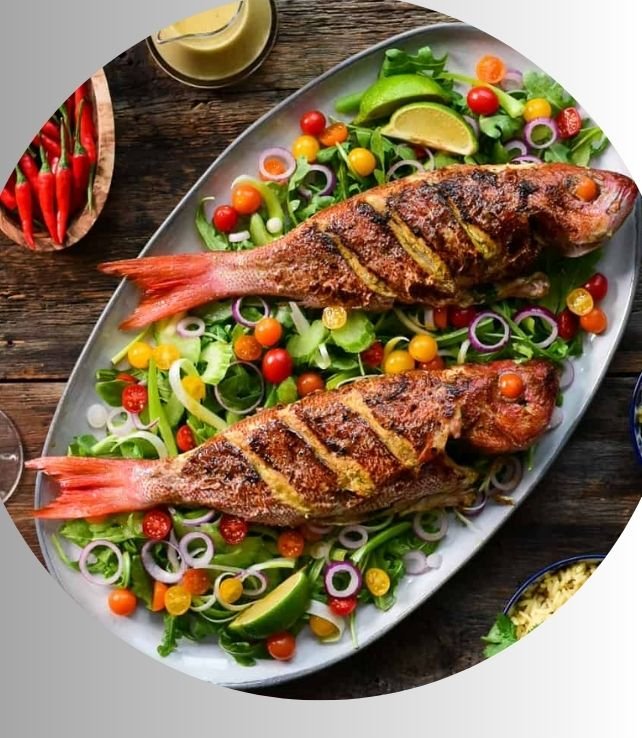
You have a beautiful, whole vermilion snapper from the market. Its scales shimmer with a hint of pink and red, but now it’s just lying on your cutting board. The question isn’t if you should cook it, but how to do justice to such a pristine fish. I understand that moment of hesitation.
I faced it myself last summer on the Gulf Coast, holding a snapper just pulled from the water. The pressure to not ruin a perfect ingredient is real. This recipe is my answer, born from that experience and refined in my kitchen. It is a simple, respectful preparation that allows the snapper’s own sweet, mild flavor to remain the focus.
We will pan-sear the fish to create a crisp, golden skin, then finish it in the oven. This method guarantees a moist interior and a professional-looking result. Below, you will find the complete recipe, followed by everything you need to know about selecting your fish, understanding its nutrition, and adapting the dish to any diet.
How to Make Vermilion Snapper Recipe
This technique works for whole fish typically between 1.5 and 2.5 pounds. The high heat of the pan sears the skin, locking in juices, while the gentle oven heat cooks the flesh through evenly without drying it out.
Recipe Details
- Prep Time: 15 minutes
- Cook Time: 20-25 minutes
- Servings: 2 people
- Course: Main Course
- Cuisine: American, Coastal
- Diet: Gluten-Free, Dairy-Free
Ingredients
- 1 whole vermilion snapper (1.5 to 2 lbs), scaled and gutted
- 1 ½ tablespoons neutral oil (like avocado or grapeseed)
- 3/4 teaspoon kosher salt
- 1/2 teaspoon freshly ground black pepper
- 3-4 sprigs fresh thyme or rosemary
- 1 lemon, half sliced into rounds, half reserved for serving
- 2 cloves garlic, lightly smashed
Instructions
- Place a rack in the center of your oven and preheat to 400°F (200°C).
- Pat the entire fish, inside and out, completely dry with paper towels. This is the most critical step for achieving crisp skin.
- Using a sharp knife, make 3-4 diagonal slashes, about 1/2 inch deep, on each side of the fish. This helps heat penetrate evenly and allows seasoning to reach the interior.
- Rub the oil all over the outside of the fish. Season the exterior and the interior cavity generously with the salt and pepper.
- Place the thyme or rosemary sprigs, lemon slices, and smashed garlic cloves inside the cavity of the fish.
- Heat a large, heavy, oven-safe skillet (cast iron is ideal) over medium-high heat until very hot, about 3 minutes.
- Carefully lay the fish in the hot skillet. Do not move it for 4-5 minutes. This allows a proper crust to form.
- Using a thin, flexible spatula, gently check if the skin releases from the pan. When it is golden and crisp, carefully flip the fish.
- Immediately transfer the entire skillet to the preheated oven.
- Roast for 10-14 minutes, depending on the size of your fish. The fish is done when the flesh at the thickest part is opaque and flakes easily with a fork, or an instant-read thermometer inserted into the thickest part reads 135-140°F (57-60°C).
- Remove the skillet from the oven (remember the handle is hot!) and let the fish rest in the pan for 5 minutes.
- Transfer to a platter, garnish with fresh herbs, and serve with the remaining lemon half.
Nutrition
- Calories: ~280 kcal
- Protein: 42 g
- Fat: 11 g
- Carbohydrates: 2 g
- Sugar: 0 g
- Fiber: 0 g
- Sodium: 680 mg
- Cholesterol: 75 mg
Cooking Method
The primary method is pan-searing followed by oven-roasting. This hybrid technique, sometimes called “pan-roasting,” provides the textural benefit of searing with the gentle, ambient heat of an oven for even cooking. It is the standard in professional kitchens for cooking whole fish or thick fillets.
Tools Needed
- Large, oven-safe skillet (12-inch cast iron is perfect)
- Thin, flexible metal spatula or fish turner
- Paper towels
- Sharp chef’s knife
- Cutting board
- Instant-read thermometer (highly recommended)
- Tongs (for handling lemon/garlic)
Selecting and Preparing Your Snapper
The success of this dish begins at the market or fish counter. Not all snappers are identical, and freshness is non-negotiable.
Identifying Vermilion Snapper
Vermilion snapper (*Rhomboplites aurorubens*) is often confused with red snapper. It is generally smaller, with a more streamlined, silvery-pink body and a distinctive, slightly forked tail. The inside of its mouth is not red, which is a key differentiator from true red snapper. Its flesh is lean, pinkish-white, and has a sweet, mild flavor that is less robust than red snapper but equally delicious.
Signs of Freshness
Look for clear, bright, and slightly bulging eyes. The skin should be shiny and metallic, with tightly adhering scales. Gills should be a vivid red, not brown or slimy. Press the flesh; it should feel firm and spring back immediately. There should be a clean, oceanic smell, not a strong, “fishy” odor.
Scoring and Seasoning the Fish
Scoring is not just for appearance. The shallow cuts serve two vital functions. First, they create channels for heat to reach the center of the thicker parts of the fish more quickly, promoting even cooking. Second, they allow the salt and pepper you apply to the exterior to penetrate past the skin, seasoning the first layer of flesh directly. Always season the cavity as well, as it flavors the fish from the inside out.
Nutritional Profile and Health Benefits
From my perspective as a dietitian, this recipe is a model for a nutrient-dense, balanced meal. It centers on a high-quality protein source and uses healthy fats in a deliberate way.
Macronutrient Breakdown
A single serving provides over 40 grams of complete protein, which is essential for muscle repair, satiety, and metabolic function. The fat content is primarily from the oil used for cooking and the natural oils in the fish, which are unsaturated. The carbohydrates are negligible, making this dish suitable for low-carb eating patterns.
Micronutrients in Vermilion Snapper
This fish is a notable source of several key nutrients. It provides selenium, a powerful antioxidant that supports thyroid function and DNA synthesis. It contains vitamin B12, crucial for nerve health and red blood cell formation. You also get a dose of phosphorus for bone health and potassium, which helps regulate blood pressure.
The Role of Cooking Fat
I chose a neutral, high-smoke-point oil like avocado oil for a specific reason. Oils such as extra virgin olive oil can break down and become bitter at the high temperatures required for a proper sear. Avocado oil, with a smoke point above 500°F, remains stable, allowing you to achieve a crisp crust without generating harmful compounds or off-flavors. The fat is a functional tool for texture and heat transfer, not just a calorie addition.
Dietary Adaptations and Variations
This recipe is inherently gluten-free and dairy-free. Its simplicity makes it a perfect canvas for adaptation based on dietary needs or flavor preferences.
For a Whole30 or Strict Paleo Approach
Ensure your chosen oil is compliant (avocado oil is). Verify that any seasoning blends used do not contain sugar or anti-caking agents. The recipe as written is fully compliant.
Adding Aromatics and Herbs
The cavity of the fish is a flavor chamber. Beyond thyme and lemon, consider slices of fresh fennel, orange rounds, or a small bunch of tarragon. For an Asian-inspired variation, fill the cavity with sliced ginger, scallion greens, and a piece of star anise, and use a touch of toasted sesame oil in the searing oil.
Creating a Simple Pan Sauce
After removing the cooked fish, place the skillet back on the stove over medium heat. Add a quarter cup of white wine or chicken broth to deglaze, scraping up the browned bits. Let it reduce by half, then swirl in a tablespoon of cold butter or a squeeze of lemon juice. Spoon this over the fish before serving.
The History and Ecology of Snapper
Understanding your ingredient connects you to the meal. Snappers are a family of fish (Lutjanidae) found in tropical and subtropical waters worldwide. Vermilion snapper is common in the Western Atlantic, from North Carolina to Brazil, including the Gulf of Mexico.
It is a reef-associated fish, often found in schools over rocky or sandy bottoms. Historically, snapper has been a staple for coastal communities for centuries, prized for its reliability and flavor. Modern management is crucial, as some snapper species have been overfished. Vermilion snapper is currently considered a sustainable choice when sourced from well-managed fisheries in the United States, particularly the Gulf of Mexico. I always recommend checking sources like Seafood Watch for the latest recommendations.
Common Mistakes and How to Avoid Them
I have made these errors so you do not have to. Paying attention to these details separates a good result from an exceptional one.
A Wet Fish Will Not Sear
Moisture is the enemy of crisp skin. If the fish is damp, it will steam in the pan, resulting in a soft, rubbery texture. The instruction to pat the fish “completely dry” cannot be overstated. Take your time with the paper towels, including inside the cavity and the slashes you made.
Moving the Fish Too Soon
When you place the fish in the hot pan, it will initially stick. This is normal. As the skin sears and proteins contract, it will naturally release. If you try to move it or check it after one minute, you will tear the skin. Trust the process and wait a full 4-5 minutes.
Overcooking in the Oven
Lean fish like snapper moves from perfectly moist to dry very quickly. This is why the internal temperature guide is so valuable. At 135-140°F, the fish is cooked but remains juicy. It will continue to cook slightly from residual heat during the rest. Relying solely on time can lead to overcooking, as oven temperatures and fish size vary.
Serving Suggestions, Pairings, and Storage
This dish deserves complementary sides and proper handling of leftovers.
Ideal Side Dishes
The mild, sweet flavor of the snapper pairs well with a variety of sides. For a light meal, a simple arugula salad with a lemon vinaigrette is perfect. For something more substantial, consider roasted asparagus, sautéed spinach with garlic, or a quinoa pilaf with herbs. Crispy roasted potatoes also make a classic and satisfying accompaniment.
How to Serve a Whole Fish
Serve the fish on a large platter. To fillet it at the table, use a spoon and a dinner knife or a small fish knife. Make a cut along the backbone from head to tail, then gently slide the spoon or knife between the flesh and the bones, lifting the top fillet away. Lift the tail to remove the backbone in one piece, revealing the bottom fillet.
Storage and Reheating
Store leftover fish in an airtight container in the refrigerator for up to 2 days. The best way to reheat it is gently. Place the fish on a baking sheet, cover loosely with foil, and warm it in a 275°F oven for about 10-15 minutes until just heated through. This prevents further drying. I do not recommend microwaving, as it can make the texture rubbery.
The Science of Searing and Carryover Cooking
Two key scientific principles make this recipe work. First, the Maillard reaction. This is a chemical reaction between amino acids and reducing sugars that occurs at high heat, creating the complex, savory flavors and brown color on the fish’s skin. It requires dry heat, which is why drying the fish is so important.
Second, carryover cooking. When you remove the fish from the oven, its internal temperature continues to rise by 5-10 degrees as the hotter outer layers redistribute heat inward. This is why we pull it at 135-140°F. By the time you serve it, it will have reached the FDA-recommended safe temperature of 145°F, but without having spent time at a higher, drier temperature in the oven.
Frequently Asked Questions
Can I use snapper fillets instead of a whole fish?
Yes. For skin-on fillets, follow the same drying and seasoning steps. Sear skin-side down in the hot skillet for 3-4 minutes until crisp, then flip and cook for another 1-2 minutes, or until done. You likely will not need the oven step for a thin fillet.
What other fish can I substitute for vermilion snapper?
Any mild, lean, white-fleshed whole fish of similar size will work. Look for whole porgy, branzino, or black sea bass. True red snapper is also an excellent, though often more expensive, substitute.
My fish skin stuck to the pan. What went wrong?
The pan was likely not hot enough, the fish was not dry enough, or you tried to move it too early. Ensure your skillet is visibly hot before adding oil, then the fish. Patience during the initial sear is key.
Is it necessary to use an instant-read thermometer?
It is the most reliable tool to prevent overcooking. Visual cues like opaque flesh and flaking are helpful, but the thermometer provides a precise, objective measure. It is a small investment for consistently perfect results.
How do I scale a fish at home?
Place the fish in a clean sink or a large pan. Hold it firmly by the tail. Using the back of a knife or a dedicated fish scaler, scrape from the tail towards the head, against the direction of the scales. Rinse frequently. Doing this under running water can help contain the mess.
Are the bones in a whole fish a problem?
The primary bones are easy to avoid once the fish is cooked and filleted as described. You may encounter small pin bones. These can be removed with tweezers before cooking if desired, but many people simply eat around them.
Can I cook this on a grill?
Absolutely. Prepare the fish as directed. Ensure your grill grates are very clean, well-oiled, and preheated to medium-high. Grill the fish for 5-7 minutes per side with the lid closed, until cooked through. Use a fish basket for easier flipping.
Why is my cooked fish mushy?
Mushy texture is almost always a sign of poor fish quality or age. It indicates the flesh has begun to break down. This underscores the importance of sourcing the freshest fish possible from a reputable supplier.
