
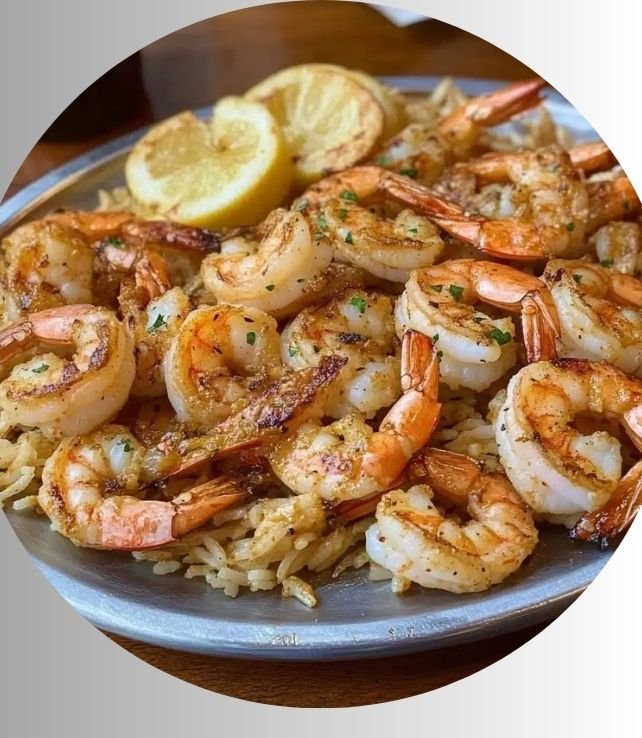
You know the one. That plate of sizzling shrimp arrives at the table, the aroma of garlic and butter cutting through the lively atmosphere of the restaurant. The shrimp are plump, coated in a rich, savory sauce with a subtle kick, perfect for sopping up with a warm roll. I’ve always wanted to recreate that specific flavor at home, not just a generic garlic shrimp, but the distinct profile of the Texas Roadhouse version.
After several attempts in my own kitchen, comparing notes with the restaurant experience, I’ve refined a method that delivers those familiar tastes. This guide goes beyond a simple list of ingredients. We’ll examine the components that make this dish work, consider its place on the menu, and adapt it for various dietary needs, ensuring you can achieve that signature result every time.
For a Dairy-Free Version
Replace the butter with a high-heat tolerant, plant-based butter alternative made from oils like avocado or coconut. Look for one that is labeled for sautéing and baking. The flavor will be slightly different but still rich and satisfying.
For a Gluten-Free Meal
The recipe as written contains no gluten. When serving, ensure your chosen side—like bread, pasta, or a pre-made seasoning blend—is certified gluten-free if that is a concern. Many broths are gluten-free, but it’s always prudent to check the label.
Lower-Sodium Adjustments
Use unsalted butter, opt for a no-sodium-added broth, and significantly reduce or omit the added kosher salt. You can amplify other flavors by adding a pinch more paprika, a squeeze of extra lemon at the end, or fresh herbs like chives or dill.
Spice Level Variations
To increase the heat, you can double the cayenne pepper or add a few red pepper flakes with the garlic. For a smokier note, substitute half the sweet paprika with smoked paprika. For no heat at all, omit the cayenne entirely and rely on the black pepper for spice.
Common Mistakes and How to Avoid Them
Small errors in technique can lead to less-than-ideal results. Here are the pitfalls I’ve encountered and how to sidestep them.
Overcooking the Shrimp
Shrimp cook very quickly and continue to cook from residual heat after being removed from the pan. The moment they curl into a loose “C” shape and turn opaque, they are done. A tight “O” shape often indicates toughness. Have your plate ready and remove them promptly.
Burning the Garlic and Spices
Garlic and dried spices can burn in an instant over high heat, turning bitter. After searing the shrimp, always reduce the heat before adding the second batch of butter and the aromatics. Cook them gently just until fragrant.
A Watery Sauce
This usually stems from not drying the shrimp adequately before cooking, or from adding too much liquid. Pat the shrimp dry thoroughly. If your sauce seems thin after adding the broth, let it simmer for an extra minute or two to reduce and concentrate before adding the shrimp back.
Crowding the Pan
Adding too many shrimp at once lowers the pan temperature dramatically, causing them to release moisture and steam instead of sear. This results in a rubbery texture. Cook in batches to ensure each piece has contact with the hot surface.
Serving, Pairing, and Storage Instructions
This dish is versatile in how it can be presented and enjoyed.
Ideal Serving Suggestions
For a true Texas Roadhouse-style experience, serve the shrimp in a shallow bowl with the sauce poured over the top. Offer warm, crusty bread or rolls on the side for dipping. It also makes an excellent main course when served over a bed of angel hair pasta, rice, or creamy grits. A simple side salad with a bright vinaigrette helps cut through the richness.
Storage and Reheating
Leftovers can be stored in an airtight container in the refrigerator for up to two days. Reheat gently in a skillet over low heat, adding a small splash of water or broth to loosen the sauce. Avoid microwaving, as it can easily overcook the shrimp and cause the sauce to separate.
I do not recommend freezing this dish, as the texture of the cooked shrimp and the consistency of the butter-based sauce will degrade significantly upon thawing.
The Science of the Sauce
The final texture of the sauce is a temporary emulsion. The butter fat is suspended in the water-based liquid (broth/wine and lemon juice) with the help of constant stirring and the presence of emulsifiers naturally found in butter. This is why the sauce appears creamy and clings to the shrimp. If overheated or left to sit, the emulsion can break, and the fat will separate. Adding the cold shrimp back at the end helps stabilize the temperature and maintain the blend.
Frequently Asked Questions
Can I use frozen shrimp for this recipe?
Yes, frozen shrimp work perfectly. The key is to thaw them properly. Place them in a colander in the refrigerator overnight. Before cooking, press them between layers of paper towels to remove as much excess moisture as possible.
What can I use instead of white wine?
Low-sodium chicken broth is the best direct substitute. You could also use vegetable broth. For a different acidic note, a tablespoon of white wine vinegar or additional lemon juice mixed with broth can work in a pinch.
Why is my sauce greasy and separated?
A greasy sauce usually means the emulsion has broken, often from getting too hot or from not having enough liquid to balance the fat. Next time, ensure the heat is at a gentle simmer when making the sauce, and consider adding an extra tablespoon of broth if it looks too thick before adding the shrimp back.
How can I make this dish spicier?
Increase the cayenne pepper incrementally. You can also add ¼ to ½ teaspoon of red pepper flakes when you cook the garlic. For a fresh heat, garnish with thinly sliced jalapeño.
Is this recipe keto-friendly?
Yes, this preparation is suitable for a ketogenic diet. It is high in fat and protein and very low in carbohydrates. Serve it with zucchini noodles or atop a cauliflower mash instead of pasta or bread.
Can I prepare the sauce ahead of time?
You can mince the garlic and measure the dry spices ahead of time. However, I do not recommend cooking the sauce fully in advance, as the butter may separate upon reheating. The dish is best cooked just before serving.
What’s the best side dish to serve with this shrimp?
To absorb the sauce, crusty bread, pasta, or rice are classic choices. For a lighter option, a crisp green salad or steamed vegetables like asparagus or broccoli provide a good contrast to the rich, buttery shrimp.
What type of paprika should I use?
Sweet (Hungarian) paprika is ideal. It provides color and a mild pepper flavor without heat. Smoked paprika will add a distinct smoky note, which is delicious but will change the flavor profile away from the restaurant version.
