
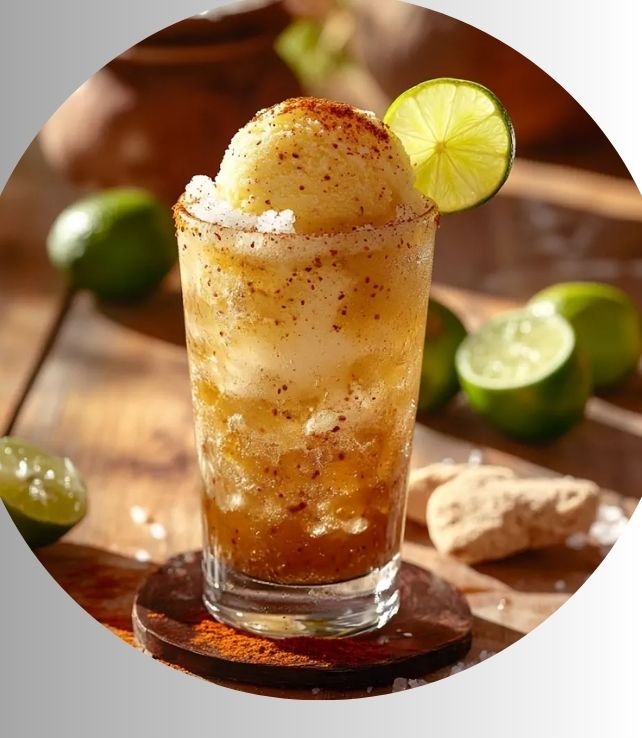
You might know the feeling of tasting something for the first time and having a memory click into place. That happened to me on a sweltering afternoon in Guadalajara, years ago. I was walking through a mercado, overheated and a bit weary, when a vendor handed me a small clay cup filled with a cloudy, amber liquid topped with a scoop of lime sorbet and a pinch of salt. It was cold, tangy, slightly sweet, and utterly transformative. That drink was tejuino.
Tejuino is a traditional fermented beverage from Western Mexico, primarily Jalisco. It is made from masa, the same nixtamalized corn dough used for tortillas and tamales. This base is simmered with piloncillo, a raw cane sugar, and then left to ferment naturally, creating a uniquely refreshing, probiotic-rich drink with a complex flavor profile that balances sweet, sour, and earthy notes.
As a dietician and culinary historian, I was captivated. Here was a drink that was a living piece of food culture, a testament to ancient fermentation practices, and a naturally gut-friendly refreshment all in one. I spent years learning from street vendors and home cooks, experimenting in my own kitchen to perfect a method accessible to anyone, and analyzing its nutritional profile. This article is the result: a complete guide to understanding, making, and appreciating authentic tejuino.
The Cultural and Historical Roots of Tejuino
To make tejuino is to participate in a culinary tradition that stretches back to pre-Hispanic Mexico. While the exact origins are woven into oral history, its roots are firmly planted in the corn-based cultures of Mesoamerica. The process of nixtamalization—soaking and cooking corn in an alkaline solution, usually limewater—was a foundational discovery that unlocked nutrients and made corn a dietary staple.
Tejuino is a direct descendant of that ancient knowledge. It represents a brilliant use of masa, transforming a solid staple into a effervescent, preserving drink. The natural fermentation, driven by airborne yeast and bacteria present on the corn and in the environment, was a crucial method for food preservation and safety before refrigeration.
Today, it remains a cornerstone of street food culture in Jalisco. You find it sold from dedicated stalls called “tejuinerías,” often served in a distinctive clay cup to keep it cool, and always accompanied by lime sorbet (nieve de limón) and a sprinkle of sea salt. This isn’t just garnish; the salty-tart combination enhances the sweet, fermented corn flavors, creating a perfect gustatory balance.
Understanding the Core Ingredients: A Deep Dive
The magic of tejuino lies in its simplicity. Only a few ingredients are required, but the quality and understanding of each one profoundly affects the final result.
Masa: The Heart of the Drink
Masa is not merely cornmeal. It is corn that has undergone nixtamalization. This process alters the corn’s chemical structure, making niacin bioavailable and improving protein quality. For tejuino, it provides the complex carbohydrates that yeast and bacteria will feed on during fermentation.
Types of Masa: You have two primary choices. Masa harina is a dried, powdered flour, like Maseca brand, which is convenient and consistent. Fresh masa, purchased from a tortillería, offers a deeper, more authentic corn flavor and can sometimes contain live cultures that kickstart fermentation. For beginners, masa harina is perfectly suitable.
Piloncillo: The Unrefined Sweetener
Piloncillo is essential. This unrefined cane sugar, sold in hard cones, carries molasses-like notes of caramel, earth, and sometimes even a faint smokiness. White sugar will sweeten, but it will lack the foundational depth piloncillo provides. It’s the difference between a flat sweetness and a rounded, complex one.
If you cannot find piloncillo, the best substitute is a combination of dark brown sugar and a small amount of molasses to approximate its mineral content and rich flavor.
Water and Time: The Alchemists
Water quality matters. Chlorinated tap water can inhibit the wild fermentation process. Using filtered or spring water is advisable. Time is your final ingredient. Fermentation cannot be rushed. The 24 to 48-hour period allows for the development of lactic acid bacteria (providing tang) and a gentle yeasty activity (creating subtle effervescence), resulting in a living, probiotic beverage.
How to Make Tejuino Recipe
This recipe is my tested and refined version, balancing authenticity with practical home kitchen steps. The process is simple but requires patience for the fermentation to work its magic.
Recipe Details
- Prep Time: 30 minutes (plus 24-48 hours fermenting)
- Cook Time: 25 minutes
- Servings: 6
- Course: Beverage
- Cuisine: Mexican
- Diet: Vegan, Gluten-Free
Ingredients
- 1 cup (120g) masa harina (white or yellow)
- 8 cups (1.9 L) filtered water, divided
- 8 ounces (225g) piloncillo, chopped or grated
- 1-inch piece of cinnamon stick (optional, but traditional)
- 1/4 teaspoon sea salt
- For serving: Lime sorbet or sherbet, lime wedges, Tajín or chili-lime salt
Instructions
- In a large bowl, combine the masa harina with 2 cups of cool, filtered water. Whisk vigorously until you have a completely smooth slurry with no lumps. This step is crucial to avoid clumps in the final drink.
- In a large, heavy-bottomed pot (not aluminum), combine the remaining 6 cups of water, the chopped piloncillo, cinnamon stick, and sea salt. Heat over medium, stirring occasionally, until the piloncillo is fully dissolved.
- Increase the heat to medium-high and bring the sweetened water to a gentle boil.
- Reduce the heat to low. While whisking the simmering liquid constantly, slowly drizzle in the masa slurry. The mixture will thicken noticeably.
- Continue to cook, stirring frequently with a wooden spoon to prevent sticking on the bottom, for about 15-20 minutes. The mixture, now called “atole,” will be smooth and have the consistency of a thin porridge. It will coat the back of the spoon.
- Remove the pot from the heat. Discard the cinnamon stick. Allow the atole to cool until it is just warm to the touch, not hot. This is important, as high heat will kill the wild yeast.
- Pour the warm atole into a clean, non-reactive fermentation vessel. A glass jar, food-grade plastic container, or ceramic crock works well. Cover the opening loosely with a clean kitchen towel or coffee filter secured with a rubber band. Do not seal it with a tight lid, as gases need to escape.
- Place the container in a spot away from direct sunlight at room temperature (ideally 68-75°F or 20-24°C). Allow it to ferment for 24 to 48 hours. You will know it is ready when you see tiny bubbles on the surface and detect a pleasantly sour, yeasty aroma. The taste will have shifted from purely sweet to a balanced sweet-and-sour.
- Once fermented, stir the tejuino well. Strain it through a fine-mesh sieve or a layer of cheesecloth into a pitcher to remove any settled solids. Chill thoroughly in the refrigerator for at least 4 hours before serving.
- To serve, fill glasses with ice. Pour the chilled tejuino over the ice. Top each glass with a small scoop of lime sorbet, a squeeze of fresh lime juice, and a light sprinkle of Tajín or sea salt.
Nutrition
- Calories: 180 kcal
- Protein: 2 g
- Fat: 1 g
- Carbohydrates: 42 g
- Sugar: 28 g
- Fiber: 2 g
- Sodium: 105 mg
- Cholesterol: 0 mg
*Nutrition calculated for tejuino only, without sorbet or additional garnishes.
Cooking Method
The primary cooking method is simmering, which hydrates and cooks the masa fully, developing its flavor and creating a base suitable for fermentation. The secondary, and most critical, method is ambient-temperature wild fermentation.
Tools Needed
- Large mixing bowl
- Whisk
- Large heavy-bottomed pot (stainless steel or enameled cast iron)
- Wooden spoon
- Fine-mesh sieve or cheesecloth
- 1-gallon (or larger) glass jar or food-grade plastic container for fermenting
- Pitcher for storage
Nutritional Analysis and Health Considerations
From a dietary perspective, traditional tejuino is a fascinating study. It is inherently vegan, gluten-free, and, when fermented, contains live active cultures.
The fermentation process is the key to its potential health attributes. The lactic acid bacteria produced can contribute to gut microbiome diversity, akin to those in yogurt or kefir, though in variable amounts depending on your specific fermentation. This can aid digestion. The drink provides carbohydrates primarily from corn, offering a moderate energy source.
It is important to view it as a traditional refreshment rather than a “health drink.” The sugar content from the piloncillo is significant, though some is consumed by the yeast during fermentation. The nutritional benefit lies more in the fermentation byproducts and the cultural practice of consuming a living food. For those monitoring sugar intake, the serving size is important, and the tartness from fermentation means you may find you need less added sweetener than in a commercial soda.
Dietary Adaptations and Variations
The basic recipe accommodates many dietary needs, but here are precise adaptations.
For a Lower Glycemic Impact
Reduce the piloncillo by half (to 4 ounces) and consider supplementing the sweetness post-fermentation with a zero-calorie sweetener like pure monk fruit extract or stevia, to taste. The fermentation will still occur, as the masa provides the necessary carbohydrates for the microbes.
Ensuring Gluten-Free Status
Masa harina made from 100% corn is naturally gluten-free. Always check the packaging to ensure it is processed in a dedicated facility if you have celiac disease or a severe sensitivity.
Exploring Flavor Variations
While the classic is sublime, some regional variations exist. A small piece of tamarind pod added during the simmering stage introduces a fruity tartness. A few guava leaves can impart a subtle, fragrant note. After fermentation, some people enjoy a splash of chilled hibiscus tea (agua de jamaica) in the glass for color and a berry-like flavor.
The Science of Fermentation in Tejuino
What happens during those 24-48 hours is a symbiotic dance between yeast and bacteria. Wild yeast, often from the Saccharomyces family, begins to consume the simple sugars, producing a small amount of alcohol and carbon dioxide (the source of the bubbles). Lactic acid bacteria (LAB), such as Lactobacillus, thrive in the same environment. They consume other sugars and produce lactic acid, which gives the tejuino its characteristic tang and acts as a natural preservative.
The environment you create—a warm, covered slurry—is a selective medium. The salt helps inhibit undesirable microbes while allowing these beneficial cultures to flourish. The result is a stable, acidic beverage that is safer to drink than unfermented corn water, showcasing a ancient form of food science.
Common Mistakes and Expert Tips for Success
After many batches, I’ve identified the pitfalls and their solutions.
- Lumpy Texture: This occurs when the masa slurry is added to hot liquid too quickly. Always whisk the slurry smooth in cool water first, and then drizzle it slowly into the hot liquid while whisking vigorously.
- Failed Fermentation: If after 48 hours there are no bubbles or sour scent, the likely culprits are water with chlorine/chloramine, an environment that is too cold, or the initial atole being too hot when set to ferment. Use filtered water, find a warmer spot, and ensure the mix is only warm, not hot.
- Over-Fermentation: Leaving it too long (beyond 3-4 days) in a warm place can make it excessively sour and vinegary. Taste it at the 24-hour mark and every 12 hours thereafter. Once it reaches a balance you like, strain it and refrigerate to halt fermentation.
- Storage: Always store fermented tejuino in the refrigerator. It will continue to ferment very slowly, becoming more sour over 5-7 days. Consume it within a week for the best flavor and probiotic activity.
Serving, Pairing, and Storage Guidance
Tejuino is a drink of contrasts, and its serving style reflects that. The icy cold liquid against the melting lime sorbet, the sweet-and-sour base against the salty-spicy rim—it is an experience.
It is perfect on its own as a mid-afternoon refreshment or a digestif after a rich meal. From a pairing perspective, its bright acidity and earthy notes cut through fatty, spicy foods beautifully. Consider serving it with street-style snacks like elote (grilled corn), spicy potato chips, or even alongside a complex mole.
For storage, keep the strained, fermented base in a sealed pitcher or jar in the refrigerator. The garnishes should always be added fresh, just before serving, to maintain the intended textures and flavor layers.
Frequently Asked Questions
Can I use cornmeal instead of masa harina?
No. Regular cornmeal or corn flour has not been nixtamalized. It will lack the correct flavor, nutritional profile, and may not ferment properly, resulting in a gritty, incomplete drink.
My tejuino fermented but tastes very alcoholic. Is this normal?
A slight yeasty, fermented note is expected, but it should not taste strongly alcoholic. A pronounced alcohol flavor suggests a dominance of yeast over lactic acid bacteria, often due to a warmer fermentation temperature or the presence of specific wild yeast strains. Ferment for a shorter time or in a slightly cooler spot next time.
Is it safe to drink tejuino given it uses wild fermentation?
The process, when done correctly, is safe. The combination of cooking the base, adding salt, and the rapid acidification from lactic acid bacteria creates an environment that discourages harmful pathogens. Trust your senses: if it smells putrid, moldy, or unpleasant, discard it. A clean, sour, yeasty aroma is the sign of success.
Why did my tejuino separate into layers?
Some separation is natural, with a clearer liquid on top and a cloudier masa sediment at the bottom. This is why stirring before straining and serving is important. If the separation is extreme with a very watery top, the masa may not have been cooked long enough to fully gelatinize the starches.
Can I speed up the fermentation process?
You can introduce a starter culture. Adding a tablespoon of raw, unfiltered apple cider vinegar (with the “mother”) or a commercial probiotic capsule at the cooling stage can introduce beneficial bacteria and may reduce fermentation time by several hours. However, this will alter the wild microbial profile.
How can I make a larger batch for a party?
You can scale the recipe linearly, but maintain the same vessel-to-air ratio for fermentation. Use multiple containers rather than one enormous one to ensure proper gas exchange and even fermentation. The cooking time for the atole will increase slightly with volume.
What is the difference between tejuino and atole?
Atole is the hot, unfermented corn drink, often flavored with chocolate or fruit. Tejuino begins as a sweetened atole, which is then cooled and fermented. Fermentation is the defining transformation.
My tejuino is too thick. How can I thin it?
After fermentation and chilling, you can adjust the consistency. Simply stir in small amounts of cold, filtered water or ice until it reaches your preferred texture. It should be drinkable, not spoonable.
