
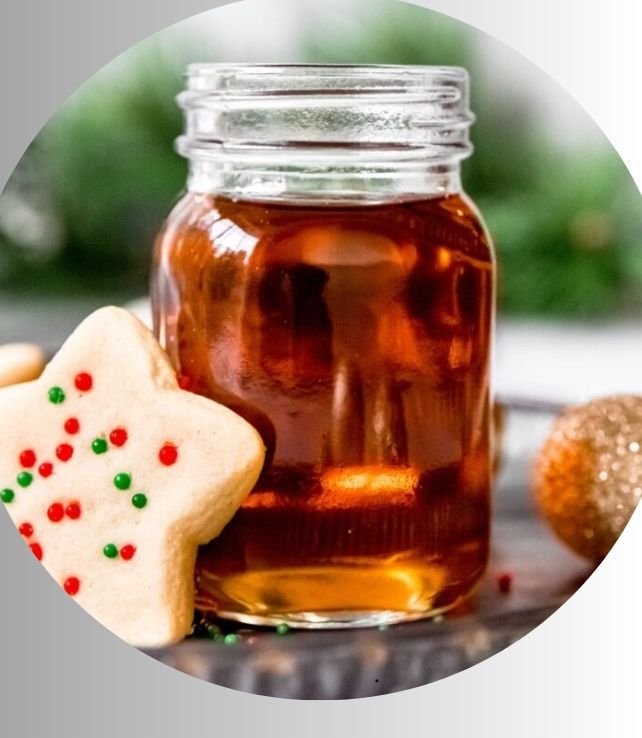
You have likely tasted a sugar cookie. That specific flavor, a blend of vanilla, butter, and a hint of almond, is distinct from a simple vanilla syrup. Recreating that exact profile in a liquid form for your coffee, cocktails, or baking is a specific kitchen challenge.
I developed this formula after a holiday baking session left me with the essence of the cookies lingering in my kitchen, but none left to share with a friend who was visiting for coffee. The goal was to capture that baked, buttery sweetness in a shelf-stable syrup. This recipe provides that.
Below, you will find the complete method for making sugar cookie syrup, followed by a detailed analysis of its components, nutritional considerations, and practical applications to ensure your success.
How to Make Sugar Cookie Syrup Recipe
This process is a simple stovetop infusion. The key is gentle heating and patience to allow the flavors to meld properly, mimicking the Maillard reaction and butter integration that happens in the oven.
Recipe Details
- Prep Time: 5 minutes
- Cook Time: 15 minutes
- Servings: Approximately 1.5 cups (24 one-tablespoon servings)
- Course: Condiment
- Cuisine: American
- Diet: Vegetarian
Ingredients
- 1 cup granulated sugar
- 1 cup water
- 2 teaspoons pure vanilla extract
- 1 teaspoon almond extract (or butter extract for a nut-free option)
- 1/4 teaspoon fine sea salt
- 1 tablespoon unsalted butter (optional, for richness)
Instructions
- Combine the sugar and water in a small saucepan. Place it over medium heat.
- Stir gently until the sugar is completely dissolved. This should only take 2-3 minutes.
- Once the mixture is clear, stop stirring and bring it to a gentle simmer. Let it simmer for 8-10 minutes. This slightly thickens the syrup and creates a base more complex than simple syrup.
- Remove the saucepan from the heat. Immediately add the vanilla extract, almond extract, salt, and butter (if using).
- Whisk until the butter is fully melted and incorporated and the extracts are evenly distributed.
- Allow the syrup to cool in the pan for 15 minutes before transferring it to a clean glass jar or bottle. It will continue to thicken as it cools.
- Store in the refrigerator. The syrup is ready to use once it reaches room temperature or is chilled.
Nutrition
- Calories: 35 kcal
- Protein: 0 g
- Fat: 0.5 g (with butter); 0 g (without butter)
- Carbohydrates: 8.5 g
- Sugar: 8.5 g
- Fiber: 0 g
- Sodium: 25 mg
- Cholesterol: 1 mg (with butter); 0 mg (without butter)
*Nutrition calculated per tablespoon, using the optional butter.
Cooking Method
The method is a simmer-and-infuse technique. Unlike making caramel, there is no browning of sugar. The simmering stage is crucial for water reduction, which concentrates the sweetness and provides a slightly more viscous mouthfeel, closer to a cookie’s texture than a thin syrup.
Tools Needed
- Small saucepan (1.5 to 2-quart capacity)
- Whisk or silicone spatula
- Measuring cups and spoons
- Fine-mesh strainer (optional, for absolute clarity)
- Heatproof glass jar or bottle for storage
Deconstructing the Flavor Profile
A sugar cookie’s taste is a composite. It is not just sweet. It is the result of fat caramelizing, proteins browning, and volatile compounds from extracts being released by heat. This syrup aims to replicate that composite sensation without baking.
The Role of Sugar: More Than Sweetness
Granulated white sugar is the foundation. Its neutral sweetness allows the secondary flavors to shine. In syrup form, it provides body; the concentration of the solution directly affects viscosity. A 1:1 sugar-to-water ratio, as used here, creates a syrup that is pourable at refrigerator temperatures and mixes easily into cold beverages.
You could substitute organic cane sugar, which has a faint molasses note, but it will slightly alter the final color and flavor, making it less like a classic white sugar cookie.
Vanilla & Almond: The Aromatic Heart
Pure vanilla extract is non-negotiable. Imitation vanilla will create a sharp, artificial aftertaste. The vanilla provides the warm, floral top notes.
Almond extract is the secret. Most classic sugar cookie recipes include a small amount, even if not explicitly stated. It provides the nutty, rich depth that separates a “sugar cookie” flavor from a “vanilla” flavor. For those with nut allergies, butter extract is a direct substitute that mimics the diacetyl compounds found in baked butter.
Salt and Fat: Creating Dimension
Salt is a flavor enhancer. A quarter teaspoon of fine sea salt in the entire batch will not make the syrup taste salty. It instead suppresses bitterness and amplifies the sweetness and aromatic notes, rounding out the profile.
The optional tablespoon of butter is my personal addition. Fat carries flavor. Adding a small amount of butter after cooking introduces the actual lipid-soluble flavor compounds present in a baked cookie, giving the syrup a more authentic, rounded mouthfeel.
Nutritional Perspective and Dietary Adaptations
As a condiment, this syrup is a source of added sugars. Understanding its composition allows for informed use and adaptation to various dietary needs.
Caloric and Macronutrient Breakdown
Each tablespoon contributes approximately 35 calories, deriving almost exclusively from carbohydrates in the form of sucrose. The minimal fat and absence of protein mean it does not significantly impact satiety. Its purpose is flavor enhancement, not nourishment. Integrating it into a balanced diet involves mindful portioning, much like any other sweetener.
Adapting for Specific Diets
Vegan Version
Omit the butter or use a high-quality plant-based butter stick. Ensure your granulated sugar is certified vegan, as some white sugars are processed with bone char.
Low-Sugar or Keto Adaptation
This is a significant reformulation. A 1:1 substitution with erythritol or allulose can work, but note that allulose browns faster and erythritol can recrystallize when cooled. Gently simmer the sugar-free sweetener with water until dissolved, then proceed. The texture may be slightly different.
Gluten-Free and Allergy-Friendly
The base recipe is inherently gluten-free. For nut allergies, use butter extract instead of almond extract, as previously mentioned. Always check extract labels for potential cross-contamination if allergies are severe.
Historical and Cultural Context of the Sugar Cookie
The sugar cookie, in its modern American form, descends from the Nazareth Sugar Cookie, a product of German Protestant settlers in Pennsylvania in the 1700s. These were simple cookies of butter, sugar, flour, and milk, often shaped with wooden molds.
The flavor we recognize today became standardized with the widespread availability of pure vanilla and almond extracts in the 19th and 20th centuries. The desire to translate this ubiquitous, comforting baked good into a liquid flavoring for coffee is a recent trend, part of the broader movement toward home barista culture and customized beverage creation.
Common Mistakes and How to Avoid Them
Several small errors can change the outcome of your syrup. These tips are based on repeated testing of the method.
Overcooking the Syrup
Do not boil the syrup vigorously after the sugar dissolves. A gentle simmer is sufficient. A rolling boil can cause excessive water evaporation too quickly, leading to a syrup that is too thick and may crystallize in the bottle.
Adding Extracts to High Heat
Vanilla and almond extracts contain alcohol and volatile aromatic compounds. Adding them to a boiling pot will cause these delicate flavors to evaporate. Always remove the syrup from heat before stirring them in.
Ignoring the Salt
Omitting the salt will result in a flat, one-dimensional sweetness. The salt is a critical component for achieving a balanced, bakery-style flavor profile.
Using Imitation Flavors
The difference between pure and imitation extracts is profound in a recipe with so few ingredients. Imitation flavors will yield a synthetic-tasting product. Invest in small bottles of pure extracts for this purpose.
Application, Pairing, and Storage Guidelines
This syrup’s utility extends far beyond a cup of coffee. Its versatility is its greatest asset.
Beverage Applications
Stir one to two tablespoons into hot or iced coffee. It pairs exceptionally well with medium-roast coffees that have nutty or caramel notes. Use it to sweeten and flavor black tea, chai lattes, or steam it with milk for a sugar cookie latte. It can also be used in cocktails, such as a twist on a Vodka Espresso Martini or a non-alcoholic cream soda.
Use in Baking and Breakfast
Drizzle it over pancakes, waffles, or French toast. Brush it on warm scones. Use it to sweeten whipped cream or yogurt. It can also be used as a soak for cake layers, adding moisture and flavor.
Storage and Shelf Life
Always store the syrup in a sealed container in the refrigerator. Due to its high sugar content, it is resistant to microbial growth. It will keep for up to one month. If you used butter, a thin layer of fat may solidify at the top when chilled; this is normal. Simply let the syrup warm slightly and shake gently to recombine.
The Science of Flavor Replication
Creating a “baked” flavor without baking relies on understanding key flavor compounds. The Maillard reaction and caramelization in baking produce hundreds of new flavor molecules.
While this syrup cannot replicate that complexity fully, the combination of extracts and the optional butter provides a strong sensory cue. Vanillin (from vanilla), benzaldehyde (from almond extract), and diacetyl (from butter or butter extract) are primary flavor compounds our brain associates with baked goods. By introducing them together in a sweet base, we trigger a recognizable memory of the target flavor.
Frequently Asked Questions
Can I make this syrup with brown sugar?
Yes, but the result will be a caramel or butterscotch-style syrup. Brown sugar contains molasses, which will overpower the delicate vanilla and almond notes specific to a traditional sugar cookie flavor.
Why did my syrup crystallize in the jar?
Crystallization usually occurs if sugar granules were not fully dissolved at the start, or if the syrup was reduced too much, creating a super-saturated solution. Gently reheating the syrup with a tablespoon of water can often dissolve the crystals again.
Is the butter necessary for food safety?
No, the butter is purely for flavor and mouthfeel. The syrup’s preservation is due to its high sugar concentration, which lowers water activity. The version without butter is perfectly shelf-stable in the refrigerator.
Can I use this syrup in cold brew coffee?
Absolutely. Because it is a liquid syrup, it incorporates easily into cold beverages. You may need to stir or shake a bit more vigorously than with hot coffee to ensure it is fully mixed.
How much syrup should I use per cup of coffee?
Start with one tablespoon (15ml) per 8-10 ounces of coffee and adjust to your preference. The flavor is designed to be distinct but not overpowering.
Can I double or triple this recipe?
You can scale the recipe proportionally. Use a larger saucepan to accommodate the increased volume and maintain the same gentle simmering time. The cooling time will be slightly longer.
What can I use if I don’t have almond extract?
Butter extract is the best direct substitute. In a pinch, you could use only vanilla extract, but the flavor will be more generically sweet and less reminiscent of a specific sugar cookie.
Is this syrup suitable for canning or room-temperature storage?
I do not recommend canning or long-term room temperature storage due to the optional dairy (butter) and the fact that a standard 1:1 syrup is not acidic enough for safe water-bath canning without precise pH control. Refrigeration is the safest method.
