
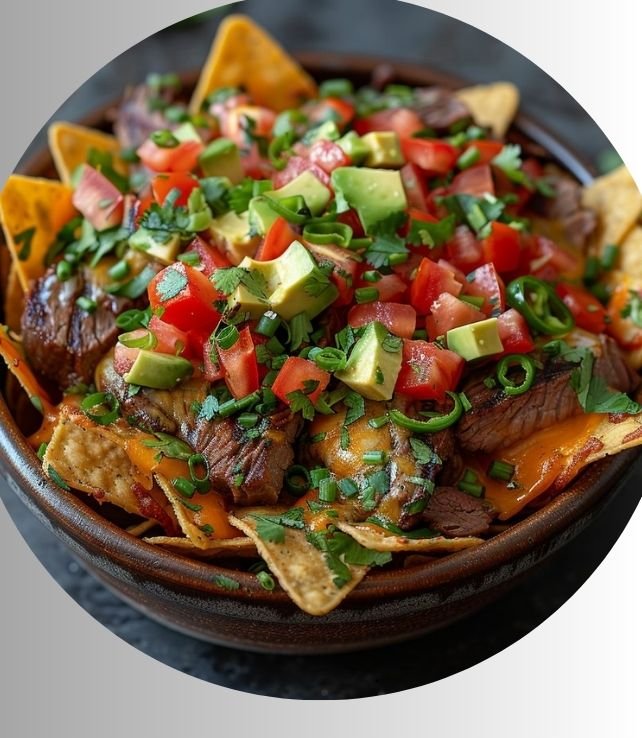
You have a piece of steak in the refrigerator and a group of people arriving soon. The pressure to create something satisfying, shareable, and memorable is real. I understand that moment well.
This steak nachos recipe is my solution. It transforms simple components into a layered, texturally complex dish that serves as a centerpiece. I developed this method after years of testing, drawing from my work in nutrition and culinary history to balance flavor with substance.
Below, you will find the complete recipe, followed by detailed analysis on ingredient selection, nutritional science, and cultural context. My goal is to provide you with the knowledge to execute this dish perfectly and understand the principles behind it.
How to Make Steak Nachos Recipe
This process is about building in stages. Each layer contributes to the final experience. I recommend reading through the entire method before you begin to organize your workspace.
Recipe Details
- Prep Time: 25 minutes
- Cook Time: 20 minutes
- Servings: 4-6 as a main, 8-10 as an appetizer
- Course: Appetizer, Main Course
- Cuisine: Tex-Mex
- Diet: Contains gluten, dairy; adaptable
Ingredients
- 1.5 lbs flank steak or skirt steak
- 1 large bag (13-16 oz) sturdy tortilla chips
- 8 oz block Monterey Jack cheese, grated
- 8 oz block sharp cheddar cheese, grated
- 1 large red onion, diced
- 1 large bell pepper (any color), diced
- 1 jalapeño, thinly sliced (seeds removed for less heat)
- 1 (15 oz) can black beans, drained and rinsed
- 1 cup pico de gallo or fresh salsa
- 1/2 cup sour cream
- 1/2 cup fresh cilantro, chopped
- 1 lime, cut into wedges
- 2 tbsp avocado oil or high-heat oil
- For the Steak Rub: 1 tbsp chili powder, 1 tsp ground cumin, 1 tsp smoked paprika, 1/2 tsp garlic powder, 1/2 tsp onion powder, 1 tsp kosher salt, 1/2 tsp black pepper
Instructions
- Pat the steak completely dry with paper towels. In a small bowl, combine all rub ingredients. Coat the steak evenly on all sides with the spice mixture and let it sit at room temperature for 20-30 minutes.
- While the steak rests, prepare your ingredients. Grate the cheeses and combine them in a bowl. Dice the onion and bell pepper, slice the jalapeño, drain the beans, and chop the cilantro. This “mise en place” is critical for assembly.
- Preheat your oven to 400°F (200°C). Heat a cast-iron skillet or heavy pan over medium-high heat until very hot. Add the oil.
- Cook the steak for 4-5 minutes per side for medium-rare, or to your desired doneness. Transfer to a cutting board, tent loosely with foil, and let it rest for a full 10 minutes. This allows juices to redistribute.
- While the steak rests, assemble the nachos. On a large, rimmed baking sheet or oven-safe platter, spread half the tortilla chips in a single layer. Sprinkle with half the cheese blend, half the black beans, half the diced onion, and half the bell pepper.
- Repeat with the remaining chips, cheese, beans, and vegetables. Do not add the steak or fresh toppings yet.
- Bake the loaded chips in the preheated oven for 8-12 minutes, or until the cheese is fully melted and bubbly.
- While the nachos bake, slice the rested steak thinly against the grain. This is essential for tenderness.
- Remove the nachos from the oven. Immediately scatter the sliced steak, fresh jalapeño slices, and pico de gallo over the top.
- Dollop with sour cream, sprinkle with fresh cilantro, and serve immediately with lime wedges on the side.
Nutrition
- Calories: 780 kcal
- Protein: 42 g
- Fat: 48 g
- Carbohydrates: 45 g
- Sugar: 4 g
- Fiber: 8 g
- Sodium: 920 mg
- Cholesterol: 135 mg
*Nutritional information is an estimate per serving for 6 main course servings, calculated with full-fat dairy and includes all toppings. Values will vary with ingredient choices and portion size.
Cooking Method
The primary cooking methods here are pan-searing and baking. Searing the steak over high heat creates a flavorful crust via the Maillard reaction, a chemical process between amino acids and sugars that produces complex flavors and aromas. Baking at a moderate temperature melts the cheese evenly without burning the chips, allowing the beans and vegetables to warm through.
Tools Needed
- Large rimmed baking sheet or oven-safe platter
- Cast-iron skillet or heavy-bottomed pan
- Cheese grater
- Cutting board and sharp chef’s knife
- Mixing bowls for prep
- Tongs for handling steak
Ingredient Analysis and Selection
Each component in this dish has a specific functional and sensory role. Understanding these roles allows you to make informed substitutions without compromising the structural or flavor integrity of the final product.
The Foundation: Tortilla Chips
The chip is the architectural base. A thin, delicate chip will become soggy under the weight of toppings. You need a sturdy, thick-cut tortilla chip, often labeled as “restaurant style” or “cantina style.”
These chips are typically made from whole corn masa that is stone-ground, giving them more density and a robust corn flavor. Their structural integrity ensures a crisp bite even after baking.
The Protein: Choosing and Preparing Steak
Flank and skirt steak are my preferred cuts for this application. They are lean, flavorful, and cook quickly. Both have long muscle fibers, which is why slicing against the grain—perpendicular to those fibers—is non-negotiable for tenderness.
The spice rub serves multiple purposes. Salt penetrates the meat, improving juiciness. Chili powder and smoked paprika contribute color and a deep, earthy base. Cumin adds a warm, aromatic note that is foundational to Tex-Mex flavor profiles. Letting the rubbed steak sit at room temperature allows the salt to begin its work and promotes even cooking.
The Cheese Matrix: Melting and Flavor
Cheese is the adhesive that holds everything together. Using a blend is key. Monterey Jack has exceptional melting qualities, creating a smooth, creamy base. Sharp cheddar provides a tangy, robust flavor that stands up to the spices.
Pre-grated cheese is coated with anti-caking agents like cellulose, which can inhibit smooth melting. Grating a block yourself results in a superior, velvety texture. The fat content in cheese acts as an insulator, protecting the chips directly beneath from immediate moisture.
The Vegetable Components: Texture and Acidity
Vegetables are divided into two categories: those that bake and those that garnish. Diced onion and bell pepper are baked; their moisture content steams slightly in the oven, mellowing their raw bite and integrating their sweetness into the cheese layer.
Fresh garnishes like pico de gallo, jalapeño, and cilantro provide critical contrast. They add moisture, bright acidity, and a fresh, herbal lift that cuts through the richness. Adding them after baking preserves their texture and vitality.
Nutritional Breakdown and Balance
As a dietician, I view this dish not as an indulgence but as a composite of macronutrients that can be part of a balanced pattern of eating. The high protein content from the steak and beans promotes satiety, helping to regulate appetite.
The fat, primarily from the cheese, steak, and sour cream, is a carrier for fat-soluble vitamins and contributes to the feeling of satisfaction. Using a lean cut like flank steak manages saturated fat levels. The carbohydrates come from the chips and beans, with the beans also providing a significant amount of soluble fiber, which supports digestive health and helps moderate blood sugar response.
The sodium content is a point of management. You control this by using no-salt-added black beans, moderating added salt in the rub, and choosing chips with lower sodium. The lime juice and fresh vegetables provide potassium, which helps balance sodium’s effects in the body.
Dietary Adaptations
Food preferences and needs vary. These are practical, tested modifications that maintain the spirit of the dish.
Gluten-Free
This recipe is naturally gluten-free provided you use certified gluten-free tortilla chips and check that your spice blends contain no wheat-based additives. Many commercial chili powders are pure, but verification is a good practice.
Dairy-Free or Vegan
For dairy-free, use a high-quality melting vegan cheese alternative, often made from coconut oil and starches. Vegan sour cream alternatives, typically cashew or soy-based, work well. For a fully vegan version, replace the steak with 2-3 cups of seasoned, roasted portobello mushrooms or crumbled, sautéed tempeh seasoned with the same spice rub.
Lower-Carb or Higher-Fiber
To reduce net carbohydrates, you can use baked cheese crisps as a base or simply make a “nacho bowl” by serving all the toppings over a bed of shredded lettuce. To increase fiber, add an extra half-can of black beans or include a layer of seasoned, mashed pinto beans under the cheese.
Cultural and Historical Context
The history of nachos is a specific and relatively recent one. The dish was invented in 1943 by Ignacio “Nacho” Anaya in Piedras Negras, Mexico, for U.S. military wives who visited his restaurant after hours. His original version was simple: fried tortilla quarters, grated Wisconsin cheese, and pickled jalapeños.
The “steak” variation is a distinctly Tex-Mex evolution, reflecting the cattle culture of Texas and Northern Mexico. It represents a fusion of the simple antojito (snack) with the central role of grilled beef in the region’s cuisine. This recipe sits at that intersection, honoring the original concept while embracing the hearty, protein-forward adaptations that have become popular.
Common Mistakes and Expert Tips
Avoiding these pitfalls will guarantee a better result on your first attempt.
Soggy Nachos
Sogginess is caused by moisture hitting the chips too soon. This is why wet ingredients like fresh salsa or steak juices are added post-bake. Ensure your beans are thoroughly drained and rinsed. Baking on a rack set over the baking sheet can also improve air circulation.
Uneven Cheese Distribution
Mix your grated cheeses thoroughly and sprinkle them evenly, getting into the nooks between chips. A light layering of cheese directly on the first layer of chips creates a protective barrier.
Overcooked, Tough Steak
Flank and skirt steak are best at medium-rare to medium. Use a meat thermometer and aim for 130-135°F (54-57°C) before resting. The residual heat will bring it to the final temperature. Resting is not optional; it prevents the precious juices from spilling out onto the board when you slice.
Bland Flavor
Season in layers. The steak has its rub. Consider tossing the drained black beans with a pinch of the same spices. A light sprinkle of salt over the vegetable layer before adding cheese can also help. The acid from the lime wedges served on the side is essential for brightening each bite.
Serving, Pairing, and Storage
This dish is an event. Serve it directly on the baking sheet or platter, placed in the center of the table with plenty of napkins. It is communal by design.
For beverages, the richness and spice pair well with the crisp bitterness of a cold lager or a citrus-forward IPA. A non-alcoholic option like sparkling water with lime or a hibiscus iced tea (agua de jamaica) provides a refreshing contrast.
Leftovers are a challenge, as the chips will continue to soften. If you must store them, place components separately. Keep leftover steak, cheese mixture, and fresh toppings in airtight containers in the refrigerator for up to 3 days. Re-crisp chips in a low oven and reassemble.
Frequently Asked Questions
Can I use a different cut of steak?
Yes. Sirloin or hanger steak are excellent alternatives. The key is to choose a cut that is flavorful, cooks relatively quickly, and is sliced thinly against the grain after cooking. Avoid very tender, expensive cuts like filet mignon, as their subtlety will be lost among the other bold flavors.
Can I make these nachos ahead of time?
You can prepare all components ahead, but assemble and bake just before serving. Cook and slice the steak, chop all vegetables, grate the cheese, and drain the beans. Store them separately in the refrigerator. When ready to eat, assemble the layers on the baking sheet and bake as directed.
What is the best way to reheat leftover steak nachos?
The best method is to use an oven or toaster oven at 350°F (175°C) for 5-10 minutes. This will re-melt the cheese and re-crisp the chips better than a microwave, which will steam them. Reheat only the chip, cheese, and bean base, then re-add the fresh cold toppings afterward.
How can I make this recipe spicier?
For more heat, leave the seeds in the jalapeño slices, add a second diced jalapeño to the baking layer, or incorporate 1-2 teaspoons of chopped chipotle peppers in adobo sauce into the cheese blend. You can also use a pepper jack cheese in place of some of the Monterey Jack.
Are black beans necessary?
No, they are not essential but they add protein, fiber, and a creamy textural element. You can substitute with pinto beans, kidney beans, or omit them entirely. If you omit them, you may want to slightly increase the amount of other vegetables or steak to fill the volume.
What can I use instead of sour cream?
Plain, full-fat Greek yogurt is a direct substitute with a similar tang and creaminess, and it offers higher protein. For a dairy-free option, use a cashew-based sour cream alternative. A thin, creamy avocado crema made with blended avocado, lime, and water is another excellent choice.
Why is my cheese not melting smoothly?
This is almost always due to pre-shredded cheese, which contains anti-caking agents. Always grate cheese from a block for optimal meltability. Also, ensure your oven is fully preheated and you are baking on the center rack for even heat distribution.
Can I cook the steak on a grill?
Absolutely. A grill will impart a desirable smoky flavor. Preheat your grill to high heat and cook the steak for 3-5 minutes per side, depending on thickness, to achieve the same internal temperature. Let it rest before slicing as you would with pan-searing.
