
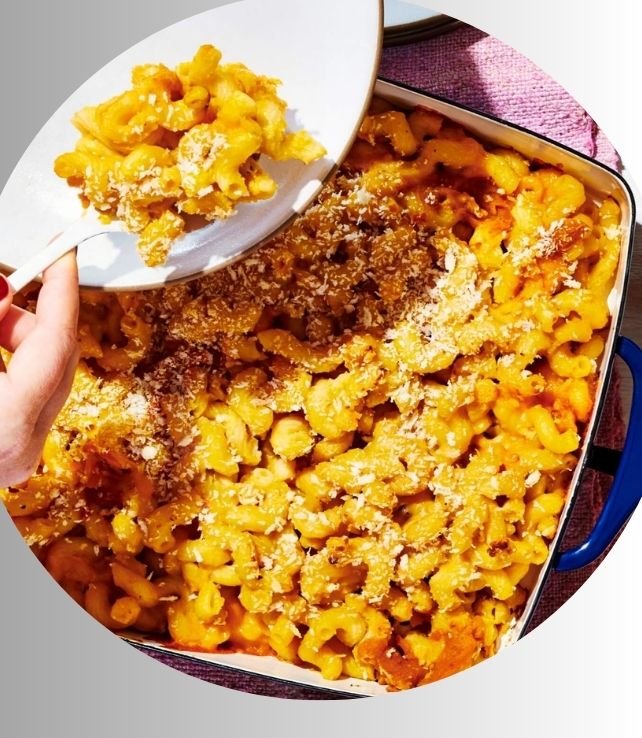
You have a box of Ronzoni elbow macaroni in your pantry. The classic blue and yellow packaging is familiar, a staple for quick meals. Yet, the powdered cheese packet inside often leaves you wanting more—more flavor, more creaminess, more substance. I understand that feeling completely.
For years, I viewed boxed macaroni as a separate category from the baked, bubbly casserole I would make for gatherings. Then, one afternoon, I decided to bridge that gap. I used the Ronzoni pasta as my foundation but built a sauce from scratch, transforming a simple pantry item into a rich, satisfying main dish. The result was a revelation in texture and taste, far exceeding the sum of its parts.
This recipe is that transformation. It takes the reliable Ronzoni elbow macaroni and pairs it with a simple, velvety cheese sauce you can make in the time it takes the pasta to boil. Below, I will guide you through every step, explain the nutritional considerations, and offer adaptations to make this dish work for any table.
How to Make Ronzoni Mac and Cheese Recipe
This method creates a stovetop macaroni and cheese with a sauce that clings perfectly to every piece of pasta. The key is building the sauce in the same pot used to cook the Ronzoni macaroni, which helps the sauce adhere and streamlines cleanup.
Recipe Details
- Prep Time: 10 minutes
- Cook Time: 20 minutes
- Servings: 6
- Course: Main Course, Side Dish
- Cuisine: American
- Diet: Vegetarian
Ingredients
- 1 box (16 oz) Ronzoni Elbow Macaroni
- 1/4 cup unsalted butter
- 1/4 cup all-purpose flour
- 3 cups whole milk, warmed
- 1 teaspoon dry mustard powder
- 1/2 teaspoon onion powder
- 1/4 teaspoon smoked paprika (optional)
- 1/2 teaspoon kosher salt, plus more for pasta water
- 1/4 teaspoon freshly ground black pepper
- 3 cups shredded cheese (see Ingredient Analysis for blend recommendations)
Instructions
- Bring a large pot of generously salted water to a rolling boil. Add the Ronzoni elbow macaroni and cook according to the package directions for ‘al dente’, usually 7-9 minutes.
- While the pasta cooks, begin the sauce. In a separate large saucepan or Dutch oven, melt the butter over medium heat.
- Once the butter is foaming, whisk in the flour. Cook this roux, whisking constantly, for about 2 minutes until it turns a light golden color and smells slightly nutty.
- Slowly pour in the warmed milk, whisking vigorously to prevent any lumps from forming. Continue to whisk until the mixture is smooth and begins to thicken, about 3-5 minutes.
- Whisk in the dry mustard, onion powder, smoked paprika (if using), salt, and pepper.
- Reduce the heat to low. Gradually add the shredded cheese, one handful at a time, whisking until each addition is fully melted and incorporated before adding the next.
- Once the sauce is smooth, turn off the heat. Drain the cooked Ronzoni pasta, reserving about 1/2 cup of the pasta water.
- Add the drained hot pasta directly into the cheese sauce. Stir thoroughly to combine. If the sauce seems too thick, add the reserved pasta water a tablespoon at a time until your desired consistency is reached. The sauce should coat the pasta thickly.
- Serve immediately.
Nutrition
- Calories: 580 kcal
- Protein: 24 g
- Fat: 28 g
- Carbohydrates: 58 g
- Sugar: 8 g
- Fiber: 2 g
- Sodium: 620 mg
- Cholesterol: 85 mg
Note: Nutritional information is an estimate for one serving based on a blend of sharp cheddar and Monterey Jack cheeses. Values will vary with specific ingredient choices.
Cooking Method
This is a stovetop preparation method. It utilizes a combination of boiling for the pasta and a gentle simmer for creating a roux-based sauce. The final dish is assembled by combining the two components directly in the pot, allowing the residual heat to finish blending the flavors without further cooking, which can cause the sauce to break.
Tools Needed
- Large pot for boiling pasta
- Large saucepan or Dutch oven (at least 4 quarts)
- Whisk
- Colander
- Measuring cups and spoons
- Box grater (if shredding cheese from a block)
Ingredient Analysis and Selection
Each component in this recipe plays a specific role. Understanding these roles allows you to make informed substitutions and achieve consistent results.
Ronzoni Elbow Macaroni: The Foundation
Ronzoni’s elbow macaroni is made from semolina flour, which comes from durum wheat. This gives the pasta a firm texture and a golden hue. Its shape is functional; the short, curved tubes and hollow center are designed to capture and hold sauce. Cooking it to an ‘al dente’ state—where it still offers a slight resistance to the bite—is critical. Overcooked pasta becomes mushy and will not provide the necessary structure for the rich sauce.
Building the Cheese Sauce: A Trio of Components
The sauce is a classic Mornay, which is a béchamel sauce with cheese added. Its success relies on three elements.
The Roux: Butter and Flour
This cooked mixture of fat and flour is a thickening agent. The butter coats the flour particles, preventing them from clumping when liquid is added. Cooking the roux for the full two minutes removes the raw flour taste and provides a stable base. Using unsalted butter lets you control the sodium level precisely.
The Liquid: Milk Choice Matters
Whole milk, with its higher fat content (about 3.25%), creates a sauce that is inherently richer and less prone to curdling than lower-fat versions. Warming the milk before adding it to the roux prevents the temperature shock that can cause the fat to separate. For an even richer result, you can substitute one cup of the milk with heavy cream.
The Cheese: Flavor and Meltability
The choice of cheese determines the dish’s character. I recommend a blend for balance. A sharp or extra-sharp cheddar provides a strong, tangy flavor, but its age can make it oily when melted. Combining it with a good melting cheese like Monterey Jack, Gruyère, or young Gouda creates a smooth, cohesive sauce. Always shred cheese from a block; pre-shredded cheese contains anti-caking agents like cellulose, which can make your sauce grainy.
Nutritional Breakdown and Dietary Perspective
From a dietary standpoint, this dish is a source of energy, protein, and calcium, but it is also calorie-dense. As a dietitian, I view it as a component of a meal, not the entire meal.
The carbohydrates from the pasta provide immediate energy. The protein comes from both the dairy and the wheat in the pasta. The fat, primarily from the cheese and butter, contributes to satiety—the feeling of fullness—and aids in the absorption of fat-soluble vitamins. The significant sodium content, largely from the cheese and added salt, is a point for consideration for those monitoring intake.
To create a more balanced plate, I serve this macaroni and cheese alongside a large portion of non-starchy vegetables, like roasted broccoli or a crisp green salad. This adds fiber, vitamins, and volume, helping to manage portion size of the richer main dish naturally.
Dietary Adaptations and Modifications
This recipe is adaptable to many dietary needs with careful ingredient swaps.
Gluten-Free Adaptation
Use a certified gluten-free elbow pasta made from brown rice, corn, or a blend. For the roux, replace the all-purpose flour with the same amount by weight (about 30 grams) of a gluten-free flour blend that contains a starch like tapioca or potato. These blends mimic wheat flour’s thickening properties well.
Dairy-Free and Vegan Adaptation
This requires more significant changes. For the pasta, ensure it is egg-free. Use a plant-based butter alternative and a neutral-tasting oil for the roux fat. The milk can be replaced with an unsweetened, unflavored plant milk; oat milk or a “barista blend” soy milk work best due to their creaminess and stability when heated. The cheese must be replaced with a meltable vegan cheese product or a homemade sauce base from blended cashews, nutritional yeast for a cheesy flavor, and vegetable broth.
Lower-Fat Version
You can use 2% milk with success. Reduce the butter by half and make a slurry with 1/4 cup flour whisked into 1 cup of cold milk, then add it to the remaining hot milk to thicken. Use a reduced-fat sharp cheddar, but note the sauce may be less smooth as these cheeses contain less fat to emulsify.
Cultural and Historical Context of Macaroni and Cheese
The combination of pasta and cheese dates back centuries in European cuisine. However, the version we recognize in America has two key historical threads.
Thomas Jefferson is often credited with popularizing it in the United States after encountering a similar dish in France and Italy. He served a “pie of macaroni” at a state dinner in 1802. The other thread is the commercialization of the dish. In the 1937, during the Great Depression, a company introduced a boxed version with dried pasta and powdered cheese, marketing it as a meal that could feed a family of four for 19 cents. This made the dish accessible and a pantry staple for generations.
This recipe sits between those two points. It uses the accessible, mass-produced pasta that became a 20th-century icon but returns to the from-scratch sauce technique of its earlier, homemade roots.
Common Mistakes and Expert Tips for Success
Avoiding a few common errors will guarantee a perfect pot every time.
- Using Cold Milk: Adding cold milk to a hot roux can cause the fat to solidify and create lumps. Always warm your milk slightly.
- High Heat with Cheese: Never boil the sauce after adding the cheese. High heat causes the proteins to tighten and squeeze out the fat, resulting in a greasy, broken sauce. Melt cheese over low heat or off the burner entirely.
- Overcooking the Pasta: Remember, the pasta will continue to cook slightly when mixed with the hot sauce. Boil it just to al dente.
- Not Salting the Pasta Water: The water should taste like the sea. This is your only chance to season the pasta itself from the inside out.
- Skipping the Pasta Water: The starchy, salted water is a magic ingredient. It helps thin the sauce to the perfect consistency while helping it cling to the pasta.
An extra tip from my kitchen: if you have an extra minute, toast the dry mustard and onion powder in the butter for about 30 seconds before adding the flour. This “blooms” their flavors, making them more pronounced in the final dish.
Serving, Pairing, and Storage Instructions
This macaroni and cheese is best served immediately. If you need to hold it, keep it covered over the lowest possible heat, stirring occasionally, and have extra warm milk on hand to loosen it.
For pairings, contrast is effective. The richness of the dish is cut by acidic or crisp elements. A salad with a vinaigrette, pickled vegetables, or a tangy tomato relish all work well. For a protein, a simple roasted chicken or pan-seared white fish are neutral complements.
Leftovers can be stored in an airtight container in the refrigerator for up to 4 days. Reheat gently in a saucepan over low heat with a splash of milk, stirring frequently. The microwave can also be used at a reduced power setting. Note that the pasta will absorb sauce as it sits, so it will not be as creamy upon reheating. It can also be frozen for up to 2 months, though the pasta texture may become softer upon thawing and reheating.
The Science of a Stable Cheese Sauce
The challenge of a cheese sauce is keeping it smooth. The science involves emulsification and starch.
The roux is key. The starch granules in the flour swell and burst when heated with liquid, releasing starch molecules that thicken the milk. This starch network also surrounds the fat droplets from the cheese and butter, holding them in suspension. This prevents “breaking,” where the fat separates and pools. The gentle heat when melting cheese is crucial because excessive heat causes the milk proteins to coagulate tightly, forcing the fat and water to separate, breaking the emulsion the roux worked to create.
Frequently Asked Questions
Can I bake this Ronzoni mac and cheese recipe?
Yes. After combining the pasta and sauce, transfer it to a buttered baking dish. Top with buttered breadcrumbs or an additional 1/2 cup of shredded cheese. Bake at 375°F (190°C) for 20-25 minutes, until the top is golden and the edges are bubbly.
Why is my cheese sauce grainy or lumpy?
Graininess is often caused by pre-shredded cheese due to anti-caking additives. Lumps in the sauce base occur if the milk is added too quickly to the roux without constant whisking. To fix a lumpy base, strain it through a fine-mesh sieve before adding the cheese.
What is the best cheese blend for mac and cheese?
A combination of a flavorful cheese and a superior melting cheese works best. I often use 2 cups of sharp cheddar for taste and 1 cup of Monterey Jack or Gruyère for smooth texture. Adding a small amount (1-2 ounces) of Parmesan or Pecorino Romano can intensify the savory, umami notes.
Can I make this recipe ahead of time?
You can prepare the sauce and cook the pasta separately up to a day in advance. Store them separately in the refrigerator. When ready to serve, reheat the sauce gently, then combine with the pasta, adding a little warm milk or pasta water to loosen it.
How can I add more protein to this dish?
Stir in cooked, diced ham, cooked chicken, canned tuna (drained), or rinsed canned beans like cannellini or chickpeas after combining the pasta and sauce. You can also use a legume-based pasta, like one made from chickpeas or lentils, instead of the Ronzoni macaroni.
My sauce seems too thin. How can I thicken it?
Let it simmer for a few more minutes over low heat, stirring often. The evaporation will concentrate it. Alternatively, make a small slurry of 1 tablespoon flour and 2 tablespoons cold milk, whisk it into the simmering sauce, and cook for 2 minutes until thickened.
Is it necessary to use dry mustard powder?
While not strictly necessary, it is highly recommended. Mustard powder contains enzymes that act as an emulsifier, helping to keep the cheese sauce smooth. It also provides a background flavor that enhances the cheese without tasting distinctly of mustard.
