
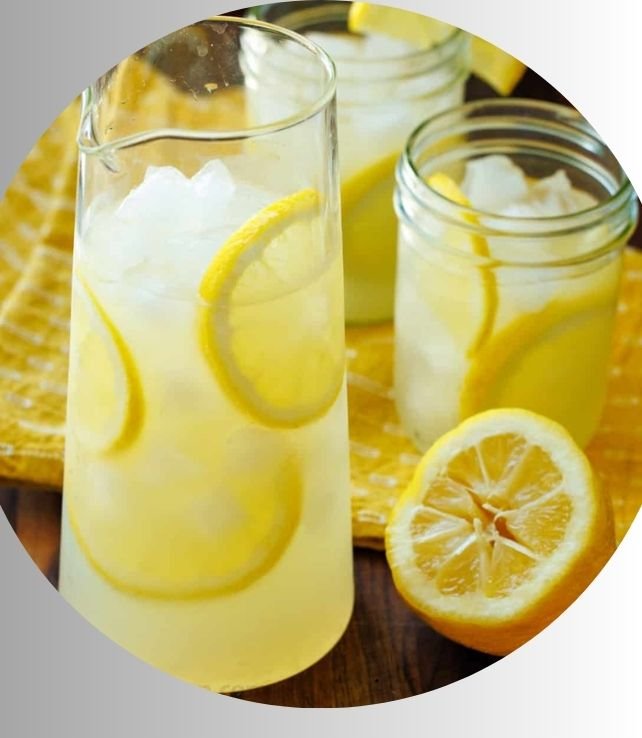
You want a glass of lemonade that tastes like summer, but you don’t want the sugar crash that usually comes with it. I understand completely. For years, I avoided the classic lemonade stand drink because the store-bought versions were cloying, and even homemade recipes demanded cups of sugar.
My perspective changed during a research trip for a culinary history project. I was studying the origins of preserved foods and came across old military and naval logs. Sailors, desperate to prevent scurvy on long voyages, would mix acidic lemon or lime juice with a small ration of spirits or a bit of honey. It was a functional, tart drink, a world away from the sweet concoction we know today.
This skinny lemonade recipe is my modern interpretation of that idea: maximum refreshment with minimal, thoughtful sweetness. It’s the only lemonade I make now, and it has completely replaced sugary sodas and juices in my home. Below, you’ll find the precise method, followed by a deep look at why each choice, from the lemon variety to the sweetener, matters for your health and your taste buds.
How to Make Skinny Lemonade Recipe
This method uses a “simple syrup” technique, but with a fraction of the sugar. By dissolving the sweetener in hot water first, we ensure every sip is consistently flavorful, with no granules settling at the bottom of your pitcher.
Recipe Details
- Prep Time: 10 minutes
- Cook Time: 5 minutes (for syrup)
- Servings: 6
- Course: Beverage
- Cuisine: American
- Diet: Gluten-Free, Vegan, Low-Calorie
Ingredients
- 1 cup fresh lemon juice (from 6-8 medium lemons)
- 1/3 cup pure maple syrup, grade A or B
- 6 cups cold water, divided
- 1 pinch of fine sea salt
- Optional: Fresh mint sprigs, lemon slices, or frozen berries for garnish
Instructions
- Juice your lemons until you have one full cup of liquid. Strain through a fine-mesh sieve to remove pulp and seeds. Set aside.
- In a small saucepan, combine the maple syrup with 1 cup of water. Warm over medium heat for 3-4 minutes, stirring just until the syrup is fully dissolved into the water. Do not let it boil. Remove from heat. This is your skinny simple syrup.
- Pour the skinny simple syrup into a large pitcher. Add the fresh lemon juice and the pinch of salt. Stir to combine.
- Add the remaining 5 cups of cold water to the pitcher. Stir thoroughly.
- Taste and adjust. If you prefer a tarter drink, you can add a bit more lemon juice. For more sweetness, stir in an additional tablespoon of maple syrup until dissolved.
- Refrigerate for at least 30 minutes to allow the flavors to meld. Serve over ice, garnished with lemon slices, mint, or frozen fruit.
Nutrition
- Calories: 45 kcal
- Protein: 0 g
- Fat: 0 g
- Carbohydrates: 12 g
- Sugar: 10 g
- Fiber: 0 g
- Sodium: 10 mg
- Cholesterol: 0 mg
Cooking Method
The primary method used here is infusion and dilution. We create a concentrated flavor base by infusing water with maple syrup and lemon juice, then dilute it to a pleasant drinking strength. The brief heating of the syrup mixture is a dissolution technique, not a cooking process meant to caramelize or reduce.
Tools Needed
- Citrus juicer (reamer or electric)
- Fine-mesh sieve
- Small saucepan
- Measuring cups
- Large pitcher (at least 2-quart capacity)
- Wooden spoon or spatula for stirring
Choosing Your Ingredients: A Dietitian’s Deep Dive
The character of this drink is built on three pillars: the acid, the sweetener, and the water. Understanding your options within each category allows you to customize the formula to your exact preference.
The Lemon: More Than Just Juice
All lemons are not identical. The common Eureka and Lisbon varieties found year-round in supermarkets are reliably tart and juicy. Meyer lemons, a sweeter, less acidic cross between a lemon and a mandarin, are seasonal and will produce a gentler, more floral drink. For this recipe, standard lemons provide the necessary sharpness to balance the subtle sweetness.
When selecting lemons, choose fruits that feel heavy for their size and have a finely textured skin. These tend to be juicier. Rolling a lemon firmly on the counter before cutting breaks down some internal membranes, making extraction easier.
The Sweetener: Moving Beyond White Sugar
Refined white sugar adds “empty” calories—energy without vitamins, minerals, or fiber. My choice of pure maple syrup serves multiple functions.
Why Maple Syrup Works
Maple syrup contains minerals like manganese, zinc, and calcium. While you’re not consuming enough in a glass of lemonade to meet daily needs, it contributes more nutritionally than plain sucrose. Its flavor profile—caramel, vanilla, and wood notes—adds a complexity that plain sugar cannot. Grade B (often now labeled “Grade A: Dark Color & Robust Taste”) has a stronger maple flavor than the lighter Grade A.
Other Sweetener Options
Raw honey is a good alternative, though it is not vegan. Its flavor can dominate, so start with a smaller amount. Agave nectar dissolves easily but is very high in fructose. For a zero-calorie option, liquid stevia or monk fruit drops are effective; you would add them drop by drop directly to the pitcher, eliminating the need for a simple syrup step. Erythritol-based granular sweeteners can be used in a 1:1 ratio for sugar in the syrup step, but some can leave a cooling aftertaste.
The Secret Weapon: A Pinch of Salt
This is a non-negotiable step from both a culinary and physiological perspective. Salt is a flavor enhancer. A tiny amount will mute bitterness and actually make the sweet and sour notes “pop” more vividly, creating a rounder, more satisfying taste. From a hydration standpoint, the minimal sodium can aid in fluid absorption, especially on a hot day.
Nutritional Science of a Lighter Drink
Comparing this formula to a traditional lemonade made with a cup of white sugar reveals the shift. A standard serving of classic lemonade can contain 100-150 calories and 25-35 grams of sugar, all from added sugars.
This version cuts those numbers by more than half. The 10 grams of sugar per serving are still considered “added sugar,” but the source is less processed, and the overall quantity is controlled. The primary goal is hydration, with the lemon juice providing a small amount of vitamin C and potassium. The low calorie count means it can be enjoyed without displacing other nutrient-dense foods in your diet, which is a core principle of sustainable weight management.
The acidity of the lemon juice may also have a mild modulating effect on blood sugar response when compared to drinking plain sugar water, though the sweetener choice is the larger factor.
Adapting for Different Dietary Needs
This recipe is inherently gluten-free and vegan. For other needs, consider these adjustments.
Low-Sugar or Diabetic Diets
Replace the maple syrup entirely with a non-nutritive sweetener. I find 15-20 drops of pure liquid stevia, added directly to the pitcher with the lemon juice, works well. Always mix thoroughly and taste after a few minutes, as the perception of stevia can intensify over time.
Reduced Acidity (Low-Oxalate/ GERD)
If you are sensitive to acidic foods, you can still enjoy a version. Dilute the lemon juice further by increasing the total water to 7 or 8 cups. You can also try using half lemon juice and half cold, brewed hibiscus tea (which is tart but lower in citric acid) or even a splash of orange juice for a different flavor profile.
A Brief History of Lemonade
The earliest precursors to lemonade come from the medieval Middle East. A drink called “qatarmizat,” made with lemon juice and sweetened with sugar or honey, was recorded in 13th-century Egyptian texts. It was a valuable trade item and a sign of hospitality.
The drink traveled to Europe, where in 17th-century Paris, vendors sold “limonade,” made from sparkling water, lemon juice, and honey. The American iteration became a symbol of entrepreneurial spirit with the childhood lemonade stand, but its recipe drifted toward excessive sweetness with the industrial availability of cheap sugar. This skinny lemonade recipe is, in a way, a return to the drink’s more balanced, original roots.
Common Mistakes and How to Avoid Them
Using Bottled Lemon Juice
Bottled juice often contains preservatives and flavor oils that taste harsh and artificial. The vitamin C is also degraded. Fresh lemons are essential for the bright, clean flavor that defines a good lemonade.
Skipping the Simple Syrup Step
If you simply stir maple syrup or honey into cold water with lemon juice, it will not integrate properly. You will have uneven sweetness and a layer of syrup at the bottom. The brief heating for dissolution is critical for a uniform drink.
Forgetting to Taste and Adjust
Lemons vary in tartness and sweetness varies by brand. The “5 cups of water” guideline is a starting point. After mixing, always taste and adjust the water, lemon, or sweetener to match your preference. The drink should be pleasantly tart first, with sweetness as a supporting note.
Not Letting it Chill
Drinking it immediately after mixing is fine, but the flavor improves significantly after 30-60 minutes in the refrigerator. This allows the water to fully absorb the lemon oils and maple notes.
Serving, Pairing, and Storage Instructions
Presentation
Serve in a tall glass filled with ice. Garnish is functional and beautiful: a lemon slice on the rim, a sprig of mint, or a few frozen raspberries or blueberries that will slowly tint the drink. For a gathering, create an ice block with lemon slices and mint frozen inside a container—it melts slowly without diluting the drink as much as regular ice cubes.
Food Pairings
The crisp acidity of this lemonade cuts through rich or spicy foods. It is excellent with grilled chicken or fish, a quinoa salad with herbs, a spicy black bean burger, or a simple plate of hummus and vegetables. It provides a clean finish that resets the palate.
Storage and Shelf Life
Keep the lemonade in a sealed pitcher in the refrigerator. It is best consumed within 2-3 days. The fresh lemon flavor will gradually fade after that. Do not freeze the prepared lemonade in a sealed pitcher, as it will expand and may break the container. You can freeze it into ice pop molds for a refreshing treat.
Frequently Asked Questions
Can I use bottled lemon juice for this recipe?
I do not recommend it. The flavor of fresh-squeezed lemon juice is significantly brighter and less bitter than bottled versions, which are often made from concentrate and contain preservatives. The quality of the lemon is the foundation of the drink.
Is maple syrup really better than sugar?
Nutritionally, maple syrup contains small amounts of minerals and antioxidants that refined white sugar does not. For this recipe, the more important factor is flavor. Maple syrup adds a complex, caramel-like depth that makes the lemonade interesting with less total sweetener.
How can I make this lemonade even lower in sugar?
You can reduce the maple syrup to 1/4 cup, or replace it entirely with a liquid stevia or monk fruit extract. Start with a small amount, mix well, and taste before adding more, as these sweeteners can be very potent.
Why is there salt in a lemonade recipe?
A tiny amount of salt acts as a flavor enhancer, making the lemon taste more vibrant and the sweetness more pronounced without being salty. It also provides trace electrolytes, which can be beneficial for hydration.
My lemonade tastes flat. What went wrong?
This is usually due to using old lemons or bottled juice, or not using enough fresh lemon juice. Ensure your lemons are fresh and juicy. You can also try adding a bit more lemon juice or a very small squeeze of lime to brighten the flavor.
Can I make a large batch for a party?
Yes, this recipe scales easily. Simply multiply the ingredients by the number of batches you need. Use a very large container or multiple pitchers. It is easier to mix the syrup and lemon juice concentrate in a large pot before dividing it into pitchers and adding the remaining water.
What’s the best way to juice lemons quickly?
A handheld citrus reamer is efficient for a few lemons. For a larger batch, a countertop electric juicer is fastest. Rolling each lemon firmly on the countertop with the palm of your hand before cutting breaks down the juice vesicles and yields more liquid.
Can I add other fruits to this skinny lemonade?
Absolutely. Muddled strawberries, raspberries, or blackberries added to the pitcher will infuse color and a subtle fruit flavor. You can also add a few sprigs of fresh herbs like basil, thyme, or rosemary for an aromatic twist; just be sure to remove them after a few hours so the flavor doesn’t become overpowering.
