
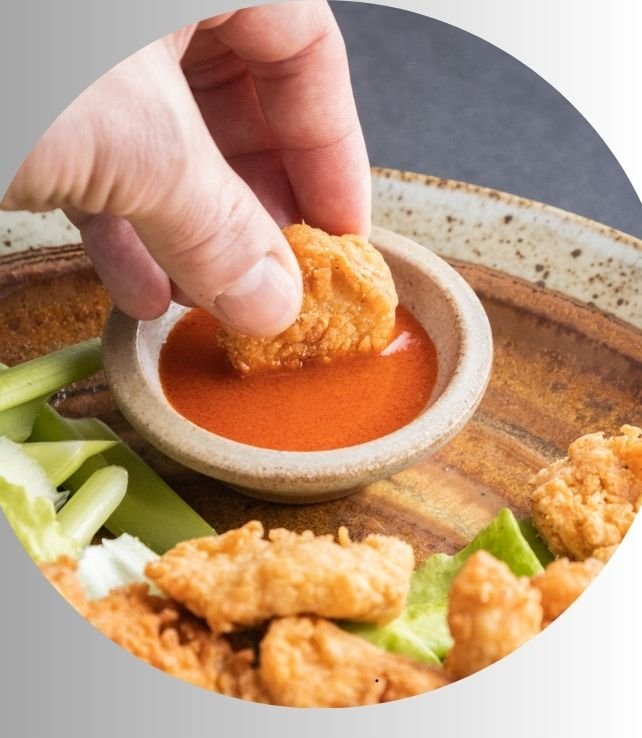
You have likely heard the name, perhaps with a chuckle or a wince, and wondered about the reality behind the legend. I did, too, until a trip to a ranch in Colorado changed my perspective entirely. What many call a novelty or a dare is, in its proper context, a genuine piece of culinary heritage, a testament to resourcefulness on the range.
This guide provides a complete method for preparing Rocky Mountain oysters, also known as prairie oysters or calf fries. We will move beyond the initial surprise to treat this ingredient with the respect it deserves, resulting in a dish that is crispy, savory, and surprisingly approachable. My goal is to equip you with not just a recipe, but the full cultural and practical knowledge to prepare it confidently.
Understanding the Main Ingredient
Before we touch a skillet, it is crucial to understand what we are working with. The name is a classic example of frontier humor. These are not seafood. They are the testicles of a young bull, typically harvested during spring castration to manage livestock and improve meat quality.
This practice, while startling to the uninitiated, is a longstanding tradition in cattle-raising regions across North America and beyond. It prevents uncontrolled breeding and can lead to better marbling in the resulting steer. The byproduct, rather than being wasted, was utilized as a source of protein. This is a clear example of nose-to-tail, or perhaps more accurately, everything-but-the-bellow, eating.
What Do They Taste Like?
This is the most common question. The flavor is mild and not at all what you might assume. The texture, when raw, is firm and smooth. After proper preparation, the interior becomes tender, almost like a delicate sweetbread or a very fine chicken thigh. The taste itself is lightly mineral and savory, absorbing the flavors of your seasoning, batter, and cooking fat. The experience is defined more by the crispy exterior you create than by any strong flavor from the meat itself.
Sourcing and Selection
Finding this ingredient requires a bit of planning. Your standard grocery store will not carry them. You need to connect with a local butcher who processes whole animals, or directly with a ranch or livestock auction house in your area. Farmers’ markets in agricultural regions can also be a good source.
When you acquire them, they should be firm, with a consistent pale pink to beige color, and have a clean, faintly metallic scent. They are often sold already skinned and cleaned, which is highly recommended for first-time cooks. If they are not, the process involves making a shallow cut in the outer membrane and peeling it away, which requires a steady hand.
How to Make Rocky Mountain Oysters Recipe
This recipe uses a straightforward buttermilk soak and a seasoned flour dredge, followed by a shallow pan-fry. This method yields a golden, crunchy crust that seals in the tender interior. It is the most traditional and reliable approach for home cooks.
Recipe Details
- Prep Time: 1 hour 30 minutes (includes soaking)
- Cook Time: 10 minutes
- Servings: 4 as an appetizer
- Course: Appetizer, Main Course
- Cuisine: American Western
- Diet: Not specified (contains dairy, gluten; see adaptations)
Ingredients
- 1 pound fresh, cleaned calf fries (Rocky Mountain oysters)
- 2 cups buttermilk
- 1 tablespoon hot sauce (like Tabasco)
- 1 1/2 cups all-purpose flour
- 1/2 cup cornmeal (fine or medium grind)
- 2 teaspoons kosher salt
- 1 teaspoon garlic powder
- 1 teaspoon onion powder
- 1 teaspoon smoked paprika
- 1/2 teaspoon freshly ground black pepper
- 1/4 teaspoon cayenne pepper (optional)
- High-heat oil for frying (like peanut, canola, or vegetable oil)
- Lemon wedges and fresh parsley for serving
Instructions
- Prepare the meat: If your oysters are whole, slice them into 1/2-inch thick rounds. Pat them completely dry with paper towels.
- Create the soak: In a medium bowl, whisk together the buttermilk and hot sauce. Submerge the slices in the mixture, ensuring they are covered. Cover the bowl and refrigerate for at least 1 hour, or up to 4 hours. This tenderizes the meat and helps the coating adhere.
- Make the dredge: In a shallow dish or pie plate, combine the flour, cornmeal, salt, garlic powder, onion powder, smoked paprika, black pepper, and cayenne. Whisk thoroughly to distribute the spices evenly.
- Heat the oil: Pour oil into a large, heavy skillet (cast iron is ideal) to a depth of about 1/2 inch. Heat over medium-high heat until it reaches 350°F (175°C). Use a deep-fry or candy thermometer for accuracy.
- Dredge and fry: Working in batches to avoid crowding, remove a few slices from the buttermilk, letting the excess drip off. Dredge them thoroughly in the flour mixture, pressing gently to ensure a good coat. Carefully place them in the hot oil.
- Fry until golden: Cook for 2-3 minutes per side, until the coating is deeply golden brown and crispy. Transfer to a wire rack set over a baking sheet or a plate lined with paper towels to drain. Repeat with the remaining batches.
- Serve immediately: Arrange the fried oysters on a platter. Garnish with chopped fresh parsley and serve with lemon wedges for squeezing. Cocktail sauce, remoulade, or a creamy horseradish sauce are classic accompaniments.
Nutrition
- Calories: 420 kcal
- Protein: 24 g
- Fat: 18 g
- Carbohydrates: 38 g
- Sugar: 4 g
- Fiber: 2 g
- Sodium: 850 mg
- Cholesterol: 375 mg
Note: Nutritional values are estimates per serving and can vary based on oil absorption and specific ingredients used.
Cooking Method
The primary method here is shallow pan-frying. This technique uses less oil than deep-frying but still provides the necessary submersion for even cooking and browning. The key is maintaining a consistent oil temperature. Adding too many cold pieces at once will cause the temperature to drop, leading to greasy, soggy results. A cast-iron skillet is excellent for retaining steady heat.
Tools Needed
- Sharp knife and cutting board
- Medium mixing bowl
- Shallow dish (for dredging)
- Large, heavy-bottomed skillet (preferably cast iron)
- Cooking thermometer
- Tongs or a slotted spoon
- Wire rack or paper towels
Nutritional Profile and Dietary Considerations
From a nutritional standpoint, this dish is a significant source of protein. The organ meat itself is lean and packed with nutrients like zinc and selenium. However, the preparation method—soaking in buttermilk and frying in a flour coating—adds substantial calories, fat, and sodium. It is best viewed as an occasional food rather than a dietary staple.
Dietary Adaptations
This recipe can be modified for various dietary needs without losing its essential character.
Gluten-Free
Replace the all-purpose flour with a 1:1 gluten-free flour blend. Ensure your cornmeal is certified gluten-free, as cross-contamination can occur during milling.
Dairy-Free
Substitute the buttermilk with an equal amount of unsweetened, plain almond milk or soy milk mixed with 1 tablespoon of lemon juice or vinegar. Let it sit for 5 minutes to curdle before using.
Lower-Carb / Keto
Omit the flour and cornmeal. For the dredge, use a combination of almond flour and grated Parmesan cheese, seasoned similarly. The frying method remains the same.
The History and Culture of a Ranch Tradition
The story of this dish is inseparable from the history of cattle ranching in the American West. During roundups, cowboys would work from dawn to dusk branding, earmarking, and castrating young male calves. Nothing from the animal was wasted. The testicles, often called “mountain oysters” or “prairie oysters” depending on the region, were collected, cleaned, and cooked over an open fire or in a ranch house kitchen.
They became a celebratory food, marking the end of hard work. Today, they are a centerpiece at community festivals in states like Colorado, Montana, and Texas, often served alongside other local fare. Understanding this context transforms the dish from a novelty to a meaningful culinary artifact.
Common Mistakes and How to Avoid Them
Success hinges on a few simple but critical steps. Avoiding these errors will guarantee a better texture and flavor.
Skipping the Soak
The buttermilk soak is non-negotiable. It performs two vital functions: it tenderizes the meat through its mild acidity, and it provides a sticky surface for the flour to grip. Without it, the coating will likely slide off during frying.
Incorrect Oil Temperature
Oil that is too cool makes the food greasy. Oil that is too hot burns the coating before the inside is cooked. Use a thermometer. Let the oil return to 350°F between batches.
Overcrowding the Pan
Adding too many pieces at once is the most common error. It causes a drastic temperature drop and steams the food instead of frying it. Fry in small, manageable batches for the crispiest result.
Underseasoning the Dredge
The flour mixture is where you build foundational flavor. Do not be shy with the salt and spices. Taste a pinch of the dry mix; it should be pleasantly seasoned on its own.
Serving, Pairing, and Storage Instructions
These are best served immediately, hot and crisp from the oil. As an appetizer, they pair well with cold, crisp beers—a lager or pilsner works perfectly. For a main course, serve them with simple, hearty sides that balance the richness: coleslaw, potato salad, or grilled corn.
For sauces, consider a classic cocktail sauce, a creamy remoulade with pickles and capers, or a simple mix of mayonnaise and prepared horseradish. A squeeze of fresh lemon juice is highly recommended to cut through the fat.
Leftovers are not ideal, as the coating will soften. If you must store them, place them in a single layer in an airtight container in the refrigerator for up to two days. Reheat in a 400°F oven on a wire rack until re-crisped, not in the microwave.
The Science of Frying and Tenderizing
The process at work here is a combination of chemistry and physics. The buttermilk, acidic from lactic acid, gently denatures proteins on the surface of the meat, breaking them down slightly for a more tender bite. When the coated piece hits the hot oil, the water in the buttermilk and the meat rapidly turns to steam.
This steam pushes outward, setting the coating and cooking the interior. Simultaneously, the Maillard reaction—a chemical interaction between amino acids and reducing sugars—occurs on the flour coating, creating the complex, savory flavors and golden-brown color we associate with perfectly fried food.
Frequently Asked Questions
Can I bake Rocky Mountain oysters instead of frying them?
You can, though the texture will differ. For a baked version, prepare the dredge as instructed, then place the coated pieces on a wire rack set over a baking sheet. Spray lightly with cooking oil and bake in a 425°F oven for 15-20 minutes, flipping halfway, until cooked through and browned. They will be less crispy than the fried version.
Where is the best place to buy them?
Contact a local, independent butcher shop that does whole-animal butchery. You may need to place a special order in advance. In rural areas, livestock auctions or direct contact with cattle ranchers during spring works are your best bet.
Are they actually high in cholesterol?
Yes, like most organ meats, they contain a significant amount of dietary cholesterol. However, current nutritional science indicates that for most people, saturated and trans fats have a greater impact on blood cholesterol levels than dietary cholesterol itself. As with any rich food, moderation is key.
What is the difference between “calf fries” and “Rocky Mountain oysters”?
They are the same thing. “Calf fry” is a common term in the Southern and Southwestern United States, while “Rocky Mountain oyster” is more associated with the Mountain West. “Prairie oyster” is another widely used synonym.
Can I freeze them before or after cooking?
You can freeze the raw, cleaned meat for up to three months. Thaw completely in the refrigerator before soaking and cooking. I do not recommend freezing them after they are fried, as the coating will become very soggy upon reheating.
Do they taste like liver or other organ meats?
No, the flavor profile is much milder than liver or kidney. They lack the strong, metallic, or iron-rich taste associated with those organs. The texture, when cooked properly, is closer to a very tender muscle meat.
What are some other traditional ways to prepare them?
Beyond frying, they can be grilled whole (often marinated first), sliced and sautéed with onions and peppers, or even breaded and baked. The frying method remains the most popular for its textural contrast.
