
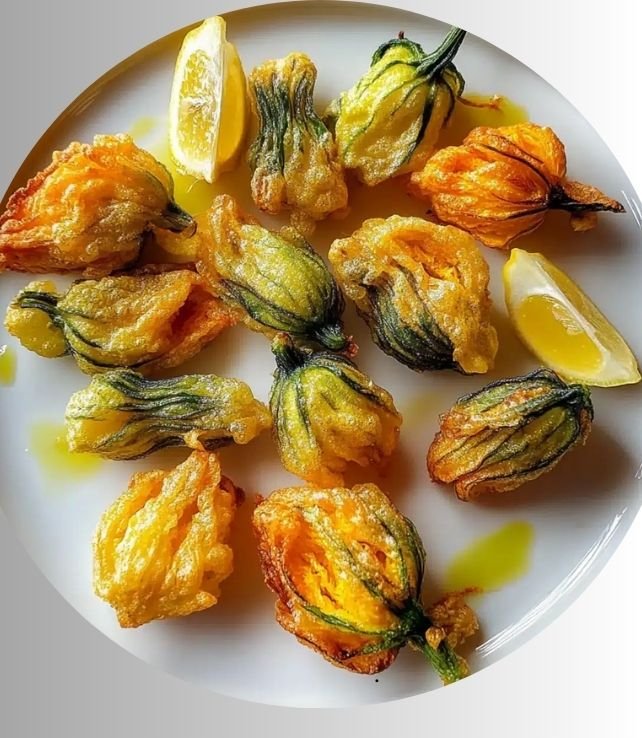
You might have walked past these vibrant orange flowers in a garden or at a market, never realizing they are a culinary treasure waiting to be discovered. I did for years, until a visit to a small family farm changed my perspective entirely. The farmer handed me a basket of just-picked squash flowers, their petals soft and slightly damp with morning dew, and said, “These are the real prize.” That moment sparked a fascination that led me to explore these delicate ingredients from every angle—as a cook, a nutritionist, and a student of food history.
This guide provides a complete method for preparing stuffed pumpkin blossoms, a dish that celebrates seasonal, sustainable eating. Beyond the basic steps, we will examine the nutritional profile, trace its cultural roots, and address every practical question you might have. My goal is to equip you with the knowledge to not only follow a recipe but to understand the ingredient itself, transforming a simple flower into a memorable meal.
Understanding Your Key Ingredient: The Squash Blossom
Before we handle a single blossom, it’s important to know exactly what we’re working with. The term “pumpkin blossom” is often used interchangeably with “squash blossom,” and for good reason. They come from the same family of plants (Cucurbita). The flowers you can eat are typically the male blossoms, which grow on a long, thin stem and do not produce fruit. Female blossoms have a small, immature squash at their base and are usually left to develop.
The flavor is subtle: a mildly sweet, vegetal taste reminiscent of young squash or zucchini, with a delicate, almost buttery texture when cooked. Their true culinary value lies in their ability to carry other flavors, from creamy cheeses to aromatic herbs, while adding a beautiful, edible presentation.
Selecting and Harvesting Blossoms
Finding fresh blossoms is the first step. Your best sources are farmers’ markets in mid to late summer, specialty grocers, or your own garden. If you are harvesting, do so in the morning when the flowers are fully open. Gently pinch the stem at its base.
Look for blossoms that are vibrant in color, firm to the touch, and free of significant wilting or brown spots. They are highly perishable and should be used within 24 hours. Store them loosely in a single layer on a paper towel-lined tray in the refrigerator. Do not wash them until you are ready to prepare your dish, as moisture accelerates decay.
Male vs. Female Blossoms
For the recipe we are focusing on, male blossoms are ideal. They are easier to stuff due to their larger, more open cavity and longer stem, which acts as a convenient handle. You can identify them by the slender stem and the prominent stamen inside. Female blossoms have a swollen base (the ovary) that will become the squash. While edible, they are often left to fruit, and their structure is less suited for stuffing.
How to Make Pumpkin Blossoms Recipe
This recipe uses a simple cheese filling and a light batter for frying, which is a classic preparation that highlights the blossom’s texture. The process requires a gentle touch but is straightforward once you understand the technique.
Recipe Details
- Prep Time: 25 minutes
- Cook Time: 15 minutes
- Servings: 4 (as an appetizer)
- Course: Appetizer, Side Dish
- Cuisine: Italian, Mediterranean
- Diet: Vegetarian
Ingredients
- 12-15 fresh male pumpkin or squash blossoms
- 1 cup ricotta cheese (whole milk)
- 1/2 cup grated Pecorino Romano or Parmesan cheese
- 1 large egg yolk
- 1 tablespoon fresh chopped herbs (such as chives, mint, or basil)
- 1/4 teaspoon freshly grated nutmeg
- Salt and black pepper to taste
- 1 cup all-purpose flour
- 1 cup sparkling water or light beer, very cold
- 1 large egg white
- Vegetable or sunflower oil, for frying
Instructions
- Gently rinse the blossoms under cool running water. Carefully open the petals and inspect for any insects. Pat them completely dry inside and out with paper towels. Remove the spiky stamen from the center of each flower.
- In a medium bowl, combine the ricotta, grated cheese, egg yolk, chopped herbs, nutmeg, salt, and pepper. Mix until smooth and uniform.
- Using a small spoon or a piping bag, carefully fill each blossom about two-thirds full with the cheese mixture. Do not overstuff. Gently twist the petals at the top to close the flower.
- Pour oil into a heavy-bottomed pot or deep skillet to a depth of about 2 inches. Heat over medium-high heat to 350°F (175°C). Use a kitchen thermometer for accuracy.
- While the oil heats, prepare the batter. In a bowl, whisk the flour and a pinch of salt. Make a well in the center and pour in the cold sparkling water. Whisk gently until just combined; a few lumps are acceptable. In a separate bowl, whip the egg white to soft peaks, then fold it gently into the batter.
- Working in batches to avoid crowding, dip a stuffed blossom into the batter, letting excess drip off. Carefully lower it into the hot oil.
- Fry for 2-3 minutes, turning once, until the batter is golden brown and crisp. Transfer to a wire rack set over a baking sheet to drain. Repeat with remaining blossoms.
- Serve immediately while hot and crisp.
Nutrition
- Calories: 280 kcal
- Protein: 12 g
- Fat: 16 g
- Carbohydrates: 22 g
- Sugar: 1 g
- Fiber: 1 g
- Sodium: 320 mg
- Cholesterol: 75 mg
Note: Nutritional values are estimates per serving, based on 4 servings and using approximately 2 tablespoons of oil absorbed during frying.
Cooking Method
The primary method here is deep-frying, which creates a protective, crisp shell that seals in the moisture of the delicate flower and molten cheese filling. The high heat cooks the blossom quickly, preventing it from becoming soggy. The science of the batter is key: the cold liquid and folded-in egg white create a light, airy texture that fries up crisp rather than dense or doughy.
Tools Needed
- Paper towels
- Mixing bowls
- Whisk
- Heavy-bottomed pot or deep skillet
- Kitchen thermometer (highly recommended)
- Slotted spoon or spider strainer
- Wire cooling rack
Nutritional Perspective on Squash Blossoms
As a dietician, I find this dish to be an interesting case study in balance. The blossoms themselves are a low-calorie source of certain nutrients. They provide vitamin A, vitamin C, and trace amounts of minerals like calcium and iron. The primary nutritional impact, however, comes from the preparation method and filling.
Frying adds fat, but using a light batter and proper oil temperature minimizes absorption. The ricotta and hard cheese offer protein and calcium, but also saturated fat and sodium. This isn’t a daily health food, but rather a seasonal, whole-ingredient dish that fits into a varied diet. The value lies in its connection to fresh produce and the practice of utilizing more parts of a plant, reducing food waste.
Macronutrient Breakdown
The macronutrient profile is a mix of protein from the cheese, carbohydrates from the flour, and fat from both the cheese and the frying oil. The blossoms contribute minimal macronutrients but are significant for their phytochemical content, including carotenoids which give them their bright color. These compounds have antioxidant properties.
Cultural Roots and Global Variations
The practice of eating squash flowers is ancient, with origins in Mesoamerica where squash was first domesticated. The knowledge traveled to Europe after colonization, where it became deeply embedded in Italian cuisine (fiori di zucca), Roman cuisine in particular. In Mexico, the flowers, known as *flor de calabaza*, are used in soups, quesadillas, and other traditional dishes.
This recipe represents the Italian-fried style, but the concept is versatile. In Greece, they might be stuffed with rice and herbs. In other preparations, the batter might be omitted entirely, and the blossoms sautéed, baked, or even used raw in salads. Understanding this history frames the recipe not as a novelty, but as part of a long, global tradition of nose-to-tail—or rather, vine-to-blossom—eating.
Adapting the Recipe for Different Diets
The classic recipe is vegetarian, but several components can be modified to meet other dietary needs without sacrificing quality.
Gluten-Free Adaptation
Replace the all-purpose flour with a 1:1 gluten-free flour blend that contains xanthan gum. Rice flour or chickpea flour can also work well for a different flavor and texture. Ensure your baking powder (if used in a variation) is certified gluten-free.
Vegan Adaptation
For the filling, substitute ricotta with a firm, blended tofu or a vegan ricotta made from almonds or cashews. Use nutritional yeast or a vegan hard cheese alternative in place of Pecorino. Omit the egg yolk from the filling and the egg white from the batter. For binding, a flax egg can work in the filling, and the batter can be made with just cold sparkling water and flour.
Lower-Fat Preparation
Frying is traditional, but baking is an effective alternative. Preheat an oven to 425°F (220°C). Place batter-dipped blossoms on a parchment-lined baking sheet lightly brushed with oil. Spray or brush the tops with a little more oil and bake for 15-20 minutes, flipping halfway, until golden and crisp. The texture will be different—less shatteringly crisp—but still enjoyable.
Expert Techniques and Common Errors
Success with this dish hinges on a few critical details. The most frequent error is using blossoms that are wet, which causes the batter to slide off and the oil to splatter violently. Drying them thoroughly is non-negotiable.
Another mistake is over-mixing the batter. Mix until the ingredients are just combined, even if lumps remain. Over-mixing develops gluten, leading to a tough, chewy coating. Keeping your liquid very cold and adding a whipped egg white creates tiny air pockets that expand in the hot oil, yielding a lighter crust.
Finally, oil temperature management is crucial. If the oil is too cool, the blossoms will absorb excess oil and become greasy. If it is too hot, the outside will burn before the inside is warm. Use a thermometer and adjust the heat as needed between batches.
Serving Ideas and Practical Guidance
These are best served immediately. Their appeal is in the contrast between the hot, creamy filling and the crisp exterior. They can be a standalone appetizer, often accompanied by a simple lemon wedge to cut the richness. For a larger meal, pair them with a light, acidic salad of bitter greens or a simple tomato-based pasta.
Leftovers are not recommended, as the batter will become soggy. If you must store them, place them in a single layer on a rack in the refrigerator for up to a day and re-crisp in a hot oven (375°F / 190°C) for about 5 minutes. They do not freeze well.
Consider the filling a canvas. Beyond the basic cheese, you could add cooked, crumbled sausage; sautéed mushrooms; or finely chopped sun-dried tomatoes. The batter can be infused with spices like paprika or saffron.
Frequently Asked Questions
Can I eat pumpkin blossoms raw?
Yes, squash blossoms are edible raw. They are often used as a garnish or added to salads. Their flavor is very mild and slightly sweet. Ensure they are clean and free of pesticides if not from your own garden.
Where can I buy pumpkin blossoms?
Farmers’ markets are your most reliable source during the summer growing season. Some well-stocked grocery stores or specialty Italian markets may carry them. You can also grow your own squash or zucchini plants, which will produce an abundance of male flowers.
How do I clean squash blossoms without damaging them?
Gently swish them in a bowl of cool water. Open the petals slightly to rinse the interior. Shake off excess water and then lay them carefully on a layer of paper towels. Use additional towels to pat the inside and outside dry with a delicate dabbing motion.
What can I use instead of ricotta cheese in the filling?
Fresh goat cheese (chèvre), a mixture of cream cheese and grated mozzarella, or even a well-drained cottage cheese are all suitable substitutes. The goal is a cheese that is moist but not runny, with a flavor that complements the blossom.
Why did my batter fall off the blossoms in the oil?
This is almost always due to moisture. The blossom must be completely dry before dipping. Also, ensure your oil is at the correct temperature (350°F / 175°C). If the oil is not hot enough, the batter will not set immediately and is more likely to slide off.
Are there any poisonous flowers that look like squash blossoms?
It is essential to correctly identify the blossom. Only consume flowers from plants you can positively identify as edible squash, pumpkin, or zucchini. Do not forage flowers from ornamental plants or unknown sources. When in doubt, purchase from a reputable food source.
Can I prepare the stuffed blossoms ahead of time?
You can prepare the filling and clean the blossoms a few hours in advance, storing them separately in the refrigerator. However, stuff and batter them just before frying. The moisture from the filling will eventually make the petals soggy if stuffed too far ahead.
What is the purpose of sparkling water in the batter?
The carbonation in sparkling water or beer creates tiny bubbles in the batter. When these bubbles hit the hot oil, they expand, resulting in a lighter, crispier, and more airy coating compared to a batter made with still water.
