
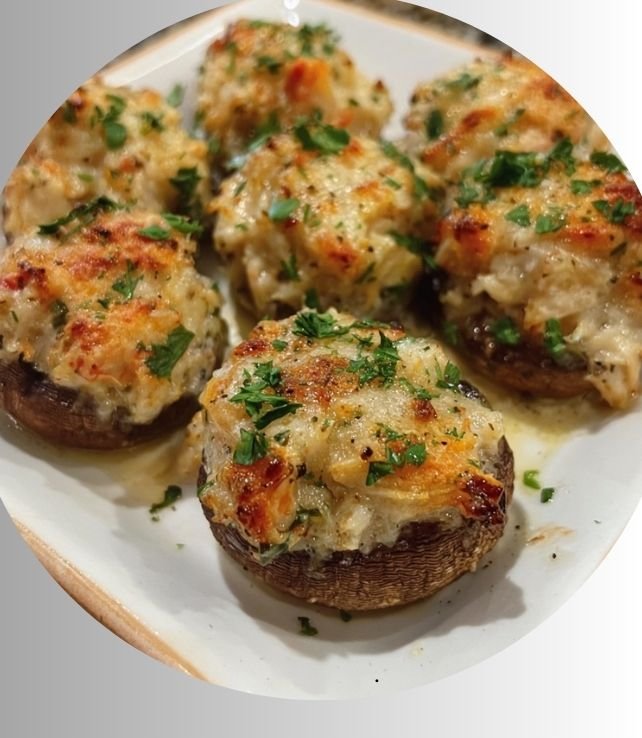
You know the appetizer. The one that arrives sizzling on a cast iron platter, the aroma of garlic and seafood filling the air before the server even sets it down. For many, a trip to the restaurant chain isn’t complete without an order of their famous stuffed mushrooms. I have a distinct memory of sharing a plate with my grandmother, who would always say the best part was scraping every bit of the rich, cheesy filling from the mushroom cap.
That specific flavor profile—the tender mushroom, the creamy blend of crab and shrimp, the buttery, garlicky topping—creates a powerful culinary memory. But what if you could recreate that experience at home, with full control over the quality of ingredients? This guide will show you exactly how to make the Red Lobster stuffed mushroom recipe, demystifying the process and providing the context to make it your own.
This is more than a list of ingredients and steps. As someone who has worked in nutrition and studied food history, I find value in understanding the “why” behind a dish. We will examine the nutritional profile, explore its place in American casual dining, and offer adaptations for various dietary needs. I tested this recipe multiple times to ensure the method is clear and the results are consistent, so you can guide your own kitchen with confidence.
Deconstructing the Dish: A Culinary and Historical Perspective
Stuffed mushrooms are a global phenomenon, with variations found from Italy to China. The version popularized by Red Lobster is a distinctly American creation, a product of mid-20th century casual dining chains that sought to offer familiar, comforting, and shareable starters. It sits at a crossroads of influences: the Italian-American tradition of stuffing vegetables with breadcrumbs and cheese, and the coastal appeal of incorporating accessible seafood like crab and shrimp.
The genius of the recipe lies in its texture and flavor contrast. The mushroom cap provides a soft, earthy, and slightly juicy base. The filling is a rich, creamy emulsion that binds the seafood, while the buttery, garlicky crumb topping adds a necessary crunch. It’s a study in umami, drawing savory depth from the mushrooms, Parmesan cheese, Worcestershire sauce, and seafood.
From a historical standpoint, this dish reflects a period when seafood, once limited to coastal regions, became nationally accessible through freezing and distribution networks. Recipes like this helped introduce seafood into the mainstream American diet in a approachable, often indulgent, format.
How to Make Red Lobster Stuffed Mushroom Recipe
This process is straightforward but benefits from attention to detail, particularly in preparing the mushrooms and achieving the right consistency for the filling. I recommend using a mix of crab and shrimp for the most authentic flavor, but the recipe is flexible.
Recipe Details
- Prep Time: 25 minutes
- Cook Time: 20 minutes
- Servings: 6 (about 24 mushrooms)
- Course: Appetizer
- Cuisine: American
- Diet: Contains seafood, dairy, gluten
Ingredients
- 24 whole white button or cremini mushrooms, about 1.5 to 2 inches in diameter
- 2 tablespoons olive oil
- 1/4 cup unsalted butter
- 1/4 cup finely chopped yellow onion
- 3 cloves garlic, minced
- 6 ounces cooked crab meat (lump or claw), picked over for shells
- 6 ounces cooked small shrimp, chopped
- 4 ounces cream cheese, softened to room temperature
- 1/2 cup grated Parmesan cheese
- 1/4 cup mayonnaise
- 1 tablespoon Worcestershire sauce
- 1 teaspoon fresh lemon juice
- 1/4 teaspoon paprika
- 1/4 teaspoon black pepper
- 1/4 cup Italian-style breadcrumbs
- 2 tablespoons melted butter, for topping
- 1 tablespoon fresh parsley, chopped (for garnish)
Instructions
- Preheat your oven to 400°F (200°C). Lightly grease a large baking sheet or cast iron skillet.
- Prepare the mushroom caps. Gently wipe each mushroom clean with a damp paper towel. Carefully twist and pull the stems to remove them. Chop the stems finely and set aside. Place the hollowed caps, cavity-side up, on the prepared baking sheet. Brush the outside of each cap lightly with olive oil.
- Make the filling. In a medium skillet over medium heat, melt the 1/4 cup of butter. Add the chopped mushroom stems and onion. Cook for 5-6 minutes, until softened and the liquid has evaporated. Add the minced garlic and cook for 1 more minute until fragrant. Remove from heat and let cool slightly.
- In a large mixing bowl, combine the cream cheese, Parmesan, mayonnaise, Worcestershire sauce, lemon juice, paprika, and black pepper. Mix until smooth and well combined.
- Add the slightly cooled mushroom stem mixture, the crab meat, and the chopped shrimp to the cream cheese base. Fold gently until everything is evenly incorporated. Be careful not to break up the crab meat too much.
- Stuff the mushrooms. Using a spoon or a small cookie scoop, fill each mushroom cap generously with the seafood mixture, mounding it slightly.
- Prepare the topping. In a small bowl, mix the breadcrumbs with the 2 tablespoons of melted butter. Sprinkle this buttery crumb mixture evenly over the top of each stuffed mushroom.
- Bake for 18-20 minutes, or until the mushrooms are tender, the filling is hot and bubbly, and the breadcrumb topping is golden brown.
- Remove from the oven and let cool for 5 minutes. The filling will be very hot. Garnish with fresh chopped parsley before serving.
Nutrition
- Calories: 285 kcal
- Protein: 15 g
- Fat: 22 g
- Carbohydrates: 8 g
- Sugar: 2 g
- Fiber: 1 g
- Sodium: 480 mg
- Cholesterol: 105 mg
Values are per serving (approx. 4 mushrooms) and are estimates. Actual values can vary based on specific ingredients and portion sizes.
Cooking Method
This recipe uses a standard baking method. The high oven temperature of 400°F serves two purposes. First, it cooks the mushroom caps through, releasing their moisture and concentrating their flavor. Second, it provides enough heat to thoroughly warm the dense, cold filling and create a desirable browning reaction (the Maillard reaction) on the breadcrumb topping and cheese, developing complex flavors and texture.
Tools Needed
- Large baking sheet or cast iron skillet
- Medium skillet
- Mixing bowls (large and small)
- Chef’s knife and cutting board
- Pastry brush (for oil)
- Spoon or small cookie scoop for filling
- Measuring cups and spoons
Ingredient Analysis and Selection
Each component in this recipe plays a specific role. Understanding these roles allows for informed substitutions and better results.
Choosing the Right Mushrooms
White button mushrooms are the standard and most economical choice. They have a mild flavor that doesn’t compete with the filling. Cremini (baby bella) mushrooms are an excellent upgrade. They are slightly firmer, have a deeper, earthier taste, and hold their shape well during baking. For either type, select mushrooms that are firm, with closed caps and no significant blemishes. Uniform size ensures even cooking.
The act of removing the stems is crucial. It creates a vessel for the filling and allows heat to penetrate the cap more effectively, cooking it from the inside as well as the outside. Do not discard the stems; they are a key flavor component of the filling.
Seafood: Crab and Shrimp
The classic combination is imitation crab (surimi) and small salad shrimp. For a home version, using real seafood elevates the dish significantly. For crab, pasteurized lump crab meat from the refrigerated section is convenient and flavorful. Claw meat is more economical and has a stronger taste. Always check for any remaining pieces of shell.
For shrimp, small (51/60 count) cooked, peeled, and deveined shrimp work perfectly. Thaw them completely if frozen, and pat them dry before chopping to prevent excess water from thinning the filling. The shrimp provide a different, slightly firmer texture compared to the flaky crab.
The Creamy Binding Agents
The filling’s texture relies on a balance of dairy and fat. Cream cheese provides structure and a tangy richness. It must be fully softened to blend smoothly without lumps. Parmesan cheese contributes saltiness and umami, and helps the filling brown. Mayonnaise adds moisture, creaminess, and a hint of acidity that brightens the rich ingredients.
Worcestershire sauce is the secret weapon. Its fermented blend of vinegar, molasses, anchovies, and tamarind adds a deep, savory complexity that ties all the seafood and cheese flavors together. Fresh lemon juice is not just for “brightness”; its acidity helps cut through the fat, making each bite taste cleaner and more defined.
The Buttery Topping
The topping is simple but non-negotiable. Italian-style breadcrumbs, which are seasoned with herbs like oregano and basil, provide flavor and the essential crunchy contrast. Coating them in melted butter before sprinkling ensures they toast to a perfect golden brown and don’t simply dry out in the oven.
Nutritional Breakdown and Considerations
As a dietitian, I view this as an occasional appetizer rather than an everyday food. A single serving provides a notable amount of protein from the seafood and dairy, which can promote satiety. The dish also contains several micronutrients, including selenium from the seafood, calcium from the dairy, and B vitamins from the mushrooms.
The primary considerations are sodium, saturated fat, and cholesterol. The cheese, mayonnaise, butter, seafood, and Worcestershire sauce all contribute sodium. Using unsalted butter, low-sodium seafood, and reducing the Parmesan can lower this. The saturated fat comes mainly from the dairy and butter. For a lighter version, consider the adaptations below. The cholesterol is inherent to the animal products used.
Pairing this rich starter with a large, fiber-rich salad or steamed vegetables can help balance the meal. The mushrooms themselves provide some fiber and are very low in calories, acting as a nutritious vehicle for the richer filling.
Dietary Adaptations and Variations
This recipe is adaptable to many dietary needs without sacrificing its core appeal.
Gluten-Free Adaptation
Replace the Italian-style breadcrumbs with an equal amount of gluten-free panko-style breadcrumbs. Check that your Worcestershire sauce is gluten-free, as some brands use malt vinegar derived from barley.
Dairy-Free or Lighter Version
For a dairy-free filling, replace the cream cheese with a plain, unsweetened dairy-free cream cheese alternative. Use a nutritional yeast or vegan Parmesan substitute in place of the Parmesan cheese. The mayonnaise can be a plant-based version. The topping can be made with dairy-free butter and gluten-free breadcrumbs.
To reduce fat, use reduced-fat cream cheese and light mayonnaise. You can also slightly reduce the amount of butter in the filling and topping.
Seafood Variations and Swaps
The seafood blend is flexible. You can use all crab or all shrimp. For a different profile, finely chopped lobster tail meat is a luxurious substitute. For a pescatarian version, ensure the Worcestershire sauce is anchovy-free (some brands are, others are not).
A popular variation omits seafood entirely for a “Portobello Twist.” Use finely chopped, well-sautéed Portobello mushroom caps in place of the crab and shrimp. Increase the garlic and herbs like thyme for a deeply savory vegetarian option.
Common Mistakes and Expert Tips for Success
Through testing, I identified a few key pitfalls and their solutions.
Watery Filling or Soggy Mushrooms: This is the most common issue. It stems from excess moisture. Always pat dry your chopped shrimp and crab if they seem wet. Cook the mushroom stems and onions until all the released liquid has completely evaporated. Do not skip brushing the mushroom caps with oil; this helps seal them slightly.
Filling is Too Loose or Too Dense: If your filling won’t hold its shape, the cream cheese may have been too cold, or the seafood too wet. Chilling the mixed filling for 20 minutes before stuffing can help it firm up. If the filling is pasty and dense, you may have over-mixed it, breaking down the crab too much. Fold gently just until combined.
Undercooked Mushroom Caps: The caps should be tender enough to easily pierce with a fork. If your filling is done but the caps are still firm, you may have used very large mushrooms. Next time, you can pre-bake the empty, oiled caps for 5-7 minutes before stuffing to give them a head start.
Bland Flavor: Seasoning is layered. Ensure you are using enough salt (through the cheeses and Worcestershire) and acid (lemon juice). Do not use pre-shredded Parmesan in a bag; it contains anti-caking agents and lacks flavor. Freshly grated Parmesan melts and tastes far superior.
Serving, Pairing, and Storage Guidance
These are best served hot from the oven, after a brief 5-minute rest. They will deflate slightly as they cool, which is normal. Present them on the cast iron skillet or a platter with lemon wedges.
For a complete casual dining experience at home, pair them with a crisp, green Caesar salad and a simple pasta with garlic and oil. A glass of unoaked Chardonnay or a dry Riesling complements the richness and seafood flavors nicely.
Storage is straightforward but limited. Cool leftovers completely and store in an airtight container in the refrigerator for up to 2 days. Reheat in a 350°F oven until warmed through; the microwave will make the topping soggy. I do not recommend freezing the assembled dish, as the creamy filling can separate and the mushrooms become mushy upon thawing. You can, however, freeze the uncooked filling separately for up to a month.
Frequently Asked Questions
Can I make these stuffed mushrooms ahead of time?
Yes, you can assemble them up to a day in advance. Cover the baking sheet tightly with plastic wrap and refrigerate. Add the breadcrumb topping just before baking. You may need to add 2-3 extra minutes to the bake time since you are starting with a cold filling.
What can I use instead of crab meat?
If you prefer not to use crab, you can increase the amount of shrimp to 12 ounces total. Alternatively, for a different flavor, you could use finely chopped, cooked scallops or even a flaked, firm white fish like cod.
Why are my stuffed mushrooms so greasy?
Excess grease usually comes from the mushrooms releasing water into the fat during baking. Ensuring your mushroom stem mixture is cooked until completely dry is the best prevention. Also, using a higher-fat cream cheese can sometimes lead to more pooling. A lighter cream cheese may help.
Can I use canned mushrooms for this recipe?
I do not recommend it. Canned mushrooms are already cooked and very soft. They will not hold their structure during the baking process and will likely become mushy and release a significant amount of liquid, ruining the texture of the filling.
Is there a way to make this recipe spicier?
Absolutely. You can add 1/4 teaspoon of cayenne pepper or a few dashes of hot sauce to the filling mixture. Alternatively, garnish the finished mushrooms with a sprinkle of red pepper flakes.
What’s the best way to clean mushrooms?
Do not soak mushrooms in water, as they are porous and will absorb it. The best method is to wipe each cap gently with a damp paper towel or use a soft mushroom brush to remove any dirt. A quick rinse under cold water is acceptable if you dry them immediately and thoroughly.
My filling is falling out of the mushrooms. What did I do wrong?
This can happen if the mushroom caps are overstuffed or if the filling is too wet and heavy. Make sure to mound the filling, but keep it within the natural “bowl” of the cap. Chilling the filling before stuffing, as mentioned, can also help it stay in place.
