
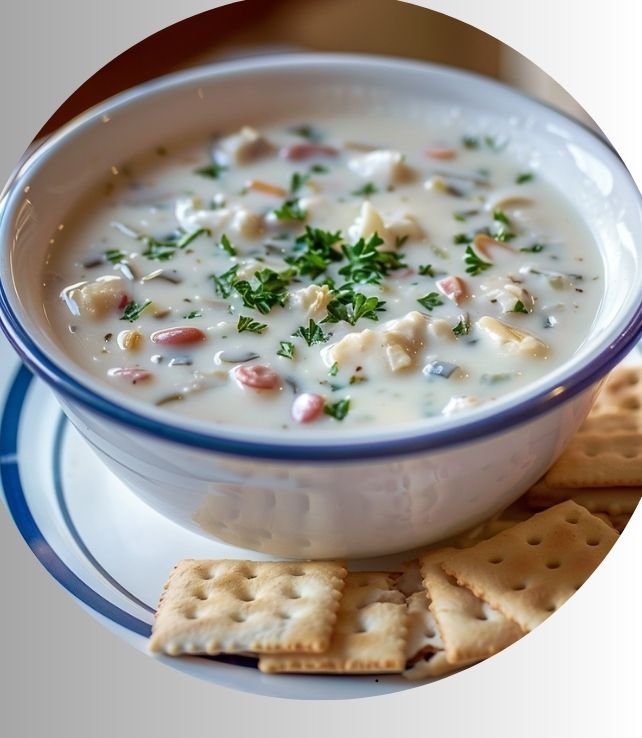
There is a specific memory I have from childhood, sitting in a Red Lobster booth, the air thick with the scent of butter and seafood. The highlight was never just the main course; it was the bowl of creamy, briny clam chowder that arrived first. For years, I tried to find a version that matched that particular balance of richness and oceanic flavor. After working as a dietitian and culinary historian, I decided to deconstruct it myself, not just to replicate a taste, but to understand its components from every angle.
This article provides the result of that kitchen investigation: a detailed guide to preparing a chowder that captures the essence of the restaurant’s version. We will go through the recipe step-by-step, then examine the nutritional profile, explore its historical roots, and discuss how to adapt it for various dietary needs. My goal is to give you all the information needed to make this dish successfully and understand what makes it work.
How to Make Red Lobster Clam Chowder Recipe
This recipe focuses on building layers of flavor, starting with a foundation of rendered pork fat and aromatic vegetables. The key is a slow simmer to allow the potatoes to thicken the broth naturally before the final addition of cream. I recommend using a heavy-bottomed pot for even heat distribution.
Recipe Details
- Prep Time: 25 minutes
- Cook Time: 40 minutes
- Servings: 6
- Course: Soup, Appetizer
- Cuisine: American, New England
- Diet: Contains Dairy, Gluten, Shellfish
Ingredients
- 4 ounces salt pork or thick-cut bacon, finely diced
- 1 large yellow onion, finely chopped
- 2 celery stalks, finely chopped
- 3 cloves garlic, minced
- 1/3 cup all-purpose flour
- 4 cups clam juice (bottled is fine)
- 2 cups water
- 1 1/2 pounds Yukon Gold potatoes, peeled and cut into 1/2-inch cubes
- 2 bay leaves
- 1 teaspoon dried thyme
- 3 (6.5 oz) cans chopped clams, juice reserved
- 1 1/2 cups heavy cream
- 1 cup whole milk
- Salt and freshly ground black pepper to taste
- Oyster crackers, for serving
Instructions
- In a large Dutch oven or soup pot over medium heat, cook the diced salt pork until the fat renders and the pieces are crisp, about 7-10 minutes. Remove the crispy pieces with a slotted spoon and set aside for garnish, leaving the fat in the pot.
- Add the chopped onion and celery to the hot fat. Cook, stirring occasionally, until the vegetables are soft and translucent, about 8 minutes. Add the minced garlic and cook for 1 more minute until fragrant.
- Sprinkle the flour over the vegetable mixture. Stir constantly for 2-3 minutes to cook the raw flour taste out and form a roux. It should coat the vegetables and look pasty.
- While stirring, slowly pour in the 4 cups of clam juice and 2 cups of water. Stir vigorously to incorporate the roux and prevent lumps. Add the diced potatoes, bay leaves, and dried thyme. Increase heat to bring to a simmer, then reduce to maintain a gentle bubble.
- Cook, uncovered, for 20-25 minutes, or until the potatoes are very tender and starting to break down slightly at the edges, which will help thicken the soup.
- Stir in the heavy cream and whole milk. Add the chopped clams (but not their reserved juice yet). Heat through for 5-7 minutes, but do not let it boil vigorously once the dairy is added.
- Season the chowder. Taste first, then add salt and pepper as needed. The salt pork and clam juice provide significant salinity. If a stronger clam flavor is desired, you can stir in some of the reserved clam juice from the cans.
- Remove the bay leaves. Serve hot, garnished with the reserved crispy salt pork and oyster crackers on the side.
Nutrition
- Calories: 520 kcal
- Protein: 18 g
- Fat: 34 g
- Carbohydrates: 35 g
- Sugar: 6 g
- Fiber: 3 g
- Sodium: 980 mg
- Cholesterol: 115 mg
Cooking Method
The primary method used here is a combination of sautéing and simmering. We begin by sautéing aromatics in rendered fat to build a flavor base. The creation of a roux (cooked flour and fat) is crucial for providing a subtle thickness and body to the broth, which is then extended with liquid. A long, gentle simmer is essential to cook the potatoes thoroughly and allow their starches to release into the soup, creating a naturally creamy texture before the dairy is added.
Tools Needed
- Large Dutch oven or heavy-bottomed soup pot (5-6 quart capacity)
- Wooden spoon or sturdy spatula
- Sharp chef’s knife and cutting board
- Measuring cups and spoons
- Can opener
- Ladle for serving
Ingredient Analysis and Selection
Each component in this soup serves a specific purpose, from building foundational flavor to creating the final texture. Understanding these roles allows for informed substitutions and better results.
The Foundation: Fat and Aromatics
Salt pork, an old-fashioned New England staple, is traditional. It provides a deeply savory, slightly funky base note that bacon mimics well. The rendered fat carries the flavors of the onion, celery, and garlic—the “holy trinity” of many American soups—into every spoonful. The garlic should be fresh, not powdered, to add a sharp aromatic layer that cuts through the richness.
The Thickening Agent: Flour and Potatoes
All-purpose flour, cooked into a roux, is a stabilizer. It prevents the dairy from separating and gives the broth a velvety, cohesive quality. Yukon Gold potatoes are my choice for their buttery flavor and waxy-starchy composition. As they simmer, their edges soften and release starch, contributing to a chowder’s characteristic heartiness without making it gluey.
The Star: Clams and Their Liquor
Canned chopped clams are practical and deliver consistent flavor and texture. The liquid in the can, often called “clam liquor,” is potent. Bottled clam juice forms the main broth. For a more intense oceanic flavor, some of the reserved can juice can be added at the end. Fresh clams can be used but require steaming and chopping, adding significant time.
The Enrichment: Dairy
A combination of heavy cream and whole milk achieves optimal richness and body. Heavy cream provides luxurious mouthfeel and stability against curdling, while whole milk lightens it slightly without making the soup thin. Using only milk can result in a less creamy texture, while only cream can be overwhelmingly heavy.
Nutritional Breakdown and Dietary Perspective
As a dietitian, I analyze dishes for their macro and micronutrient contributions. This chowder is a substantial source of energy, protein, and certain minerals, but it requires contextual understanding within a balanced diet.
Macronutrient Profile
The significant calories come primarily from fat and carbohydrates. The fat sources are mixed: saturated fat from the dairy and pork, with some monounsaturated fat if using bacon. The carbohydrates are mainly from the potatoes and flour, providing energy and dietary fiber, particularly from the potatoes and vegetables. The protein content is respectable, largely from the clams, which are a lean source.
Micronutrients and Sodium Consideration
Clams are an excellent source of vitamin B12, iron, and selenium. Potatoes provide potassium and vitamin C. However, the sodium content is high, originating from the processed salt pork, clam juice, and added salt. For those monitoring sodium intake, using low-sodium clam juice, omitting added salt, and choosing low-sodium bacon are effective strategies. The cholesterol content is notable due to the clams, cream, and pork.
Integrating into a Balanced Meal
This soup is energy-dense. To create a balanced plate, pair a moderate portion with a large, crisp green salad dressed with a vinaigrette. The acidity and fiber from the salad complement the soup’s richness and aid digestion. It can serve as a main course when accompanied by such a salad and perhaps a whole-grain roll.
Dietary Adaptations and Modifications
Many dietary needs can be accommodated with careful ingredient swaps. The core technique remains the same.
Gluten-Free Adaptation
Replace the all-purpose flour with a 1:1 gluten-free flour blend that contains a starch like xanthan gum. Alternatively, use 2 tablespoons of cornstarch mixed with 1/4 cup cold water, stirred in after the potatoes are cooked but before adding the dairy, and simmer for 2 minutes to thicken.
Dairy-Free and Vegan Adaptation
This requires a more comprehensive change. Omit the salt pork and use 3 tablespoons of olive oil to sauté. For the “creamy” element, a combination of unsweetened, plain cashew milk and full-fat coconut milk (from a can) works well, though it will impart a slight coconut flavor. Replace the clams with 2 cups of chopped hearts of palm and mushrooms sautéed in seaweed flakes to mimic an umami, oceanic taste. Use vegetable broth with a splash of soy sauce instead of clam juice.
Lower-Fat Version
Use 2 slices of center-cut bacon. Substitute the heavy cream with half-and-half or whole milk exclusively. You can also use 1% milk, but be aware the soup will be much thinner; increase the roux by 1 tablespoon or add 1/4 cup of instant mashed potato flakes at the end to thicken.
Cultural and Historical Context of Clam Chowder
The version we are making is a descendant of New England or Boston-style clam chowder, characterized by its milk or cream base. Its history is deeply tied to the Northeastern United States coastline.
Chowder likely originated from French fishing communities (“chaudière” refers to a cauldron) and was adapted by early American settlers. Recipes from the 18th century were simple: layered fish or shellfish, salt pork, ship’s biscuit (hardtack), and water, cooked in a single pot. The introduction of potatoes happened later, as they became a staple crop. The creamy style became dominant in the 19th century with increased dairy farming in New England.
Red Lobster’s version, emerging in the late 20th century, represents a commercialized, consistently prepared iteration of this regional classic, making it accessible nationwide. It sits within a family of chowders that includes the tomato-based Manhattan style and the clear-broth Rhode Island style.
Common Mistakes and Expert Tips for Perfection
Small errors in technique can lead to a broken, bland, or poorly textured soup. These tips are drawn from both professional kitchens and home cooking experience.
Rushing the Roux
Adding the liquid before the flour has cooked for a full 2-3 minutes will leave a raw, pasty taste in the finished soup. Cook the roux until it smells slightly nutty and forms a smooth paste with the vegetables.
Overcooking the Clams
Canned clams are already cooked. Adding them at the very end, just to heat through, preserves their tender texture. If they simmer for too long, they become tough and rubbery.
Boiling After Adding Dairy
Once the cream and milk are in the pot, the soup should only be heated to a bare simmer. A rolling boil can cause the dairy proteins to over-coagulate, potentially leading to a grainy texture or even separation.
Underseasoning at the End
Season in layers, but the final adjustment is critical. The potatoes absorb a lot of salt. Always taste after the soup is fully assembled and hot, then add salt and pepper incrementally. A final grind of black pepper on top before serving enhances aroma.
Serving, Pairing, and Storage Instructions
How you present and preserve this chowder impacts the overall experience.
Optimal Serving Suggestions
Serve the soup in pre-warmed bowls to maintain its temperature. The classic garnish is the reserved crispy salt pork or bacon and a side of oyster crackers, which add a contrasting crunch. A sprinkle of fresh chopped parsley or chives provides color and a fresh note.
Food and Beverage Pairings
This rich soup pairs well with acidic or crisp elements. A simple arugula salad with lemon dressing works. For a sandwich, a classic grilled cheese with sharp cheddar is a comforting match. Beverage-wise, a dry white wine like Sauvignon Blanc or a light lager beer cuts through the creaminess effectively.
Storage and Reheating Guidelines
Cool the chowder completely before transferring to an airtight container. It will keep in the refrigerator for up to 3 days. The starch may cause it to thicken considerably when cold. Reheat gently over low heat on the stove, stirring frequently and adding a small splash of milk or cream to adjust consistency if needed. I do not recommend freezing, as the dairy and potatoes can separate and become grainy upon thawing.
The Science of a Stable Emulsion
The creamy consistency of a successful chowder is a form of a temporary emulsion and suspension, stabilized by starch. The roux acts as the primary stabilizer. The starch granules in the flour swell and burst when heated in liquid, releasing molecules that thicken the broth and help suspend fat droplets evenly.
The potatoes contribute additional starch, reinforcing the network. The dairy fat is dispersed throughout this starch-thickened liquid. Gentle heating is crucial because high heat can cause the starch network to break down or the dairy proteins to coagulate too tightly, forcing the fat and water to separate—a result seen in a “broken” soup.
Frequently Asked Questions
Can I use fresh clams instead of canned?
Yes. You will need about 2 pounds of littleneck or cherrystone clams. Steam them in 1 cup of water or white wine in a covered pot until they open. Strain and reserve the cooking liquid. Chop the clam meat and use it along with the reserved liquid, reducing the bottled clam juice by 1 cup to account for the new liquid.
My chowder turned out too thin. How can I fix it?
Create a slurry by mixing 1 tablespoon of cornstarch with 2 tablespoons of cold milk or water. Stir this into the simmering soup and cook for 2-3 minutes until thickened. Alternatively, mash some of the cooked potatoes against the side of the pot and stir them in.
My chowder is too thick. How can I thin it?
Gradually stir in additional clam juice, milk, or a light vegetable broth until you reach the desired consistency. Reheat gently and re-season if necessary, as adding liquid will dilute the flavor.
Is it possible to make this soup ahead of time?
You can prepare the soup base (through step 5, after simmering the potatoes) a day in advance. Cool and refrigerate it. When ready to serve, reheat the base, then proceed with adding the cream, milk, and clams. This prevents the clams from overcooking and the dairy from separating during storage.
What is the best substitute for salt pork if I can’t find it?
Thick-cut bacon is the most direct substitute. For a non-pork option, use 2 tablespoons of butter plus 1 tablespoon of olive oil to sauté the vegetables, which will provide richness but lack the smoky, savory depth.
How can I reduce the sodium in this recipe?
Use low-sodium bottled clam juice, select low-sodium canned clams, and omit any added salt during cooking. Rely on the natural salinity of the ingredients and finish with fresh herbs and black pepper for flavor.
Why did my soup curdle?
Curdling usually happens from excessively high heat after adding the dairy. The proteins in the milk and cream coagulate too quickly. To prevent this, never let the soup boil once the cream and milk are in. If it happens, you can sometimes rescue it by blending with an immersion blender to re-emulsify the fats.
Can I use frozen clams?
Frozen chopped clams are a good option. Thaw them completely in the refrigerator and drain any excess liquid before adding at the end of the cooking process, just to heat through.
