
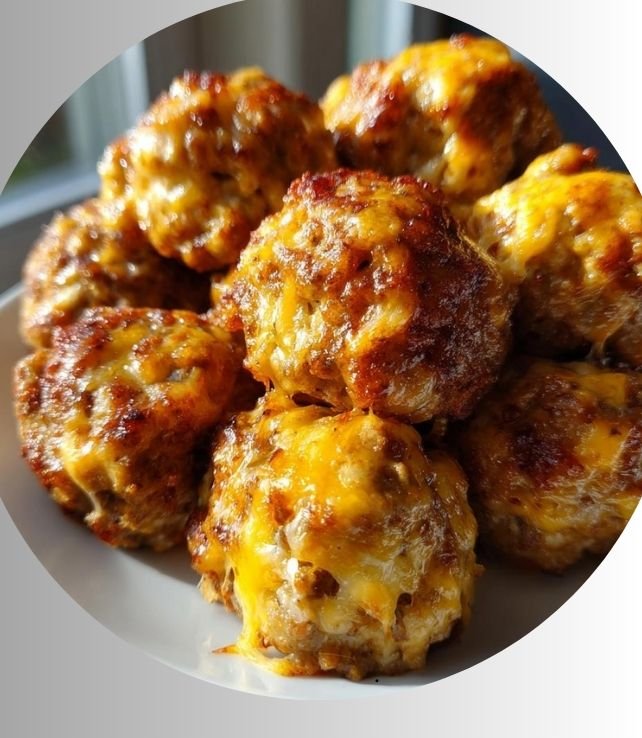
You know the appetizer. The one that disappears from the tray faster than you can refill it, the savory, cheesy, spiced bite that feels like a party in itself. For years, I assumed the magic of Red Lobster’s sausage balls was locked away in their kitchens.
As a culinary historian and dietician, I became determined to understand this piece of modern American food culture. After testing batches in my own kitchen, comparing notes with restaurant techniques, and analyzing the components, I can guide you through the process. This recipe delivers that specific flavor and texture, with insights into making it work for your dietary needs and understanding its place on our tables.
How to Make Red Lobster Sausage Ball Recipe
This recipe replicates the specific texture and flavor profile found in the restaurant version. The key is in the ingredient ratios and the mixing method, which ensures a tender, well-seasoned ball that holds together without being dense.
Recipe Details
- Prep Time: 20 minutes
- Cook Time: 20-25 minutes
- Servings: Approximately 40 balls
- Course: Appetizer
- Cuisine: American
- Diet: Contains gluten, dairy, pork
Ingredients
- 1 pound bulk pork breakfast sausage (see ingredient analysis for type details)
- 2 cups all-purpose baking mix, such as Bisquick
- 4 cups (16 oz) sharp cheddar cheese, finely shredded
- 1/2 cup whole milk
- 1 teaspoon dried parsley flakes
- 1/2 teaspoon garlic powder
- 1/4 teaspoon black pepper
- 1/4 teaspoon onion powder
- Optional for serving: Red Lobster Cheddar Bay Biscuit mix seasoning packet or homemade blend
Instructions
- Preheat your oven to 375°F (190°C). Line two large baking sheets with parchment paper.
- In a large mixing bowl, combine the finely shredded cheddar cheese and the baking mix. Toss them together with your fingers to coat the cheese in the dry mix. This initial step prevents the cheese from clumping.
- Add the bulk sausage, milk, parsley, garlic powder, black pepper, and onion powder to the bowl.
- Using your hands, mix all ingredients thoroughly. You must work the mixture until it is completely homogeneous, with no streaks of dry mix or plain sausage visible. This will take 3-4 minutes of kneading. The mixture will be sticky.
- Pinch off portions of the mixture and roll into 1-inch diameter balls. A small cookie scoop (about 1 tablespoon capacity) is ideal for consistent sizing. Place the balls on the prepared baking sheets, spacing them about 1 inch apart.
- Bake for 20 to 25 minutes, or until the balls are golden brown on the outside and cooked through. The internal temperature should reach 160°F (71°C) for pork.
- If using, immediately after removing from the oven, you can brush the tops lightly with melted butter and sprinkle with the Cheddar Bay seasoning blend.
- Let cool on the sheet for 5 minutes before serving warm.
Nutrition
- Calories: 95 kcal
- Protein: 4 g
- Fat: 7 g
- Carbohydrates: 4 g
- Sugar: 0.5 g
- Fiber: 0.1 g
- Sodium: 210 mg
- Cholesterol: 18 mg
Note: Nutritional values are per sausage ball and are estimates based on the specific brands of ingredients used. Values can vary significantly.
Cooking Method
The primary and most effective method for these sausage balls is baking. Baking provides even, dry heat that cooks the pork safely while allowing the exterior to develop a golden crust and the interior to set without becoming greasy. Frying is not recommended as it can cause the balls to absorb excess oil and break apart.
Tools Needed
- Large mixing bowl
- Measuring cups and spoons
- Box grater or food processor with shredding disk (for cheese)
- Baking sheets (2)
- Parchment paper or silicone baking mats
- 1-tablespoon cookie scoop (optional but highly recommended)
Ingredient Analysis and Selection
Each component in this formula has a distinct role. Substituting without understanding its function can alter the final product’s texture, flavor, and structural integrity.
The Sausage: More Than Just Meat
The sausage is the flavor foundation. Red Lobster uses a specific type of bulk pork breakfast sausage. This is not Italian sausage or a smoked kielbasa.
Breakfast sausage is typically seasoned with sage, black pepper, and sometimes red pepper flakes or maple. The fat content, usually around 25-30%, is non-negotiable. It provides moisture, binds the other ingredients, and carries flavor. A “lean” sausage will result in dry, crumbly balls. For authenticity, choose a classic pork breakfast sausage without maple syrup flavoring.
Baking Mix: The Structural Backbone
All-purpose baking mix, like Bisquick, is a pre-mixed blend of flour, leavening agents (baking powder, sometimes soda), fat (shortening), and salt. Its convenience is secondary to its scientific function.
The shortening particles coated in flour create a tender, biscuit-like crumb when hydrated and baked. Using plain flour will not yield the same texture; the result will be tough and more bread-like. The leavening agents provide a slight lift, preventing density. For a from-scratch version, you can use 2 cups of flour, 1 tablespoon of baking powder, 1/2 teaspoon of salt, and 1/4 cup of cold, cubed shortening, processed until crumbly.
Cheese: A Study in Fat and Flavor
Sharp cheddar is specified for its pronounced flavor and aging profile. Aged cheddar has less moisture and more concentrated fat and protein, which affects melt and binding.
You must shred the cheese from a block. Pre-shredded cheese is coated with anti-caking agents like potato starch or cellulose. These powders prevent the cheese from melting smoothly and can interfere with the binding process, leading to a grainy texture. The fine shred is crucial for even distribution and melting throughout the dough matrix.
The Liquid Component: Milk’s Role
Whole milk is the preferred liquid. Its fat content enriches the dough, while the proteins and sugars contribute to browning via the Maillard reaction. The liquid hydrates the baking mix, activating the gluten and the leavening agents to create structure and lift.
Nutritional Perspective
From a dietary standpoint, these are a calorie-dense food. A single ball provides energy primarily from fat, with moderate amounts of protein and refined carbohydrates.
The protein comes from the pork and cheese, offering some satiety. The fat, while high, includes saturated fat from the cheese and sausage. The sodium content is significant due to the processed cheese, sausage, and baking mix. For those monitoring sodium intake, this is a primary consideration.
As part of a balanced eating pattern, these can fit when consumed in moderation as an occasional appetizer. The nutritional profile underscores their role as a festive food rather than an everyday staple.
Dietary Adaptations and Modifications
With careful substitutions, you can adjust this recipe for various dietary needs. Note that each change will alter the final taste and texture.
Gluten-Free Adaptation
Replace the standard baking mix with a gluten-free all-purpose baking blend that contains a binder like xanthan gum. Brands like King Arthur Measure for Measure or Bob’s Red Mill 1-to-1 are formulated for this purpose. Ensure your sausage is certified gluten-free, as some contain fillers.
Dairy-Free or Vegan Adaptation
This is a complex modification due to the central role of cheese. For dairy-free, use a sharp, block-style vegan cheddar that shreds well and a plant-based milk. The fat and binding properties will differ. For a fully vegan version, replace the sausage with a plant-based ground sausage alternative and vegan cheese. The mixture may be more delicate; chilling it before forming balls can help.
Lower-Fat Version
Use a leaner turkey breakfast sausage and reduced-fat sharp cheddar. Be aware that the texture will be less moist and potentially more crumbly. You may need to add an extra tablespoon or two of milk to compensate for lost fat moisture.
Cultural and Historical Context
The sausage ball is a dish rooted in American convenience cooking of the mid-20th century. Its genesis is closely tied to the invention and mass marketing of pre-mixed baking products like Bisquick in the 1930s.
Home cooks, particularly in the South and Midwest, began combining these easy mixes with affordable, flavorful proteins like sausage and staple cheese to create potluck and party food. The recipe represents a era of innovation using newly available processed foods. Red Lobster, founded in 1968, incorporated this home-style favorite into its appetizer lineup, standardizing it and pairing it with its famous biscuit flavor profile, thus cementing its place in casual dining culture.
Common Mistakes and Expert Techniques
Avoiding these pitfalls is the difference between good and exceptional results.
Mixing: The Critical Step
The most common error is under-mixing. Combining the dry and wet ingredients until “just mixed” leads to uneven distribution, causing some balls to be mostly cheese and baking mix while others are mostly sausage. You must mix aggressively by hand until every component is fully integrated. The mixture should be sticky and uniform.
Cheese Preparation
Using pre-shredded cheese is the second major mistake. The anti-caking powder creates a barrier. Shredding your own cheese from a cold block ensures it will melt properly and bind with the other ingredients.
Size and Spacing Consistency
Inconsistent sizing leads to uneven cooking; smaller balls will burn while larger ones remain undercooked. Use a scoop for uniformity. Adequate spacing on the baking sheet allows for hot air circulation, promoting even browning. Crowding will steam them.
The Doneness Test
Do not rely solely on color. Use an instant-read thermometer. The center of a ball should register 160°F (71°C). At this temperature, the pork is safe, the cheese is fully melted and integrated, and the baking mix has set.
Serving, Pairing, and Storage Instructions
These are best served warm, within an hour of baking. Their texture is at its peak—crisp exterior with a soft, savory interior.
For serving, consider a simple dipping sauce. A spicy mustard, a cool ranch dressing, or a sweet chili sauce can provide a contrasting flavor note. As a dietician, I often suggest pairing them on a platter with fresh vegetable crudités to add fiber and nutrients to the appetizer spread.
For storage, cool completely and place in a single layer in an airtight container. Refrigerate for up to 4 days. Reheat in a 350°F oven for 10 minutes or in an air fryer for 5 minutes to restore crispness. Microwaving will make them soft and chewy. You can also freeze uncooked balls on a parchment-lined sheet, then transfer to a freezer bag. Bake from frozen, adding 5-7 minutes to the cooking time.
The Science of Binding and Texture
The successful structure of a sausage ball is a balance of proteins, fats, and starches. The proteins in the pork and cheese denature and coagulate with heat, providing a protein network. The starch granules in the baking mix absorb moisture from the milk and sausage fat, gelatinizing and adding structure.
The fat acts as a lubricant between these networks, shortening gluten strands and creating tenderness. The leavening agents produce carbon dioxide gas, which expands during baking, creating small air pockets for a lighter texture. This interplay is why ingredient quality and mixing technique are not just steps but scientific necessities.
Frequently Asked Questions
Can I make the sausage ball mixture ahead of time?
Yes, you can prepare the mixture, cover it tightly, and refrigerate for up to 24 hours before forming and baking. This can actually improve flavor as the spices meld. For longer storage, form the balls and freeze them on a sheet pan before bagging.
Why did my sausage balls turn out dry and crumbly?
Dryness typically stems from using sausage with too low a fat content, over-measuring the baking mix, or over-baking. Ensure you use regular pork breakfast sausage (not lean) and measure your baking mix by spooning it into the cup and leveling it off, not scooping directly from the bag.
Can I use a different type of cheese?
You can experiment, but the results will change. Sharp cheddar provides optimal flavor and melt. Pepper Jack adds spice. A Colby Jack will be milder. Avoid hard, dry cheeses like Parmesan as a primary cheese, as they lack the necessary moisture and fat for binding.
Is there a way to make these spicier?
To increase heat, use a hot pork breakfast sausage, add 1/4 to 1/2 teaspoon of cayenne pepper or crushed red pepper flakes to the mix, or incorporate a finely diced jalapeño (seeds removed for less heat).
My sausage balls are greasy. What happened?
Excess grease usually indicates the sausage had a very high fat content that rendered out during baking. Next time, you can try a slightly leaner brand. Also, ensure your baking sheets are lined with parchment paper, which helps absorb some grease and prevents the balls from sitting in pooled fat.
Can I cook these in an air fryer?
Absolutely. Air frying is an excellent method. Preheat the air fryer to 370°F. Cook the balls in a single layer, not touching, for 10-12 minutes, shaking the basket halfway through. Always check for an internal temperature of 160°F.
What is the purpose of the milk?
The milk hydrates the baking mix, activating the gluten-forming proteins and the chemical leavening agents (baking powder). This creates the necessary structure and lift for the final texture. It also contributes to browning.
How do I get the Cheddar Bay flavor?
For that specific flavor, after baking, brush the warm balls with melted butter mixed with a blend of garlic powder, onion powder, dried parsley, and a pinch of salt. You can use the seasoning packet from a Red Lobster Cheddar Bay Biscuit mix or create your own.
