
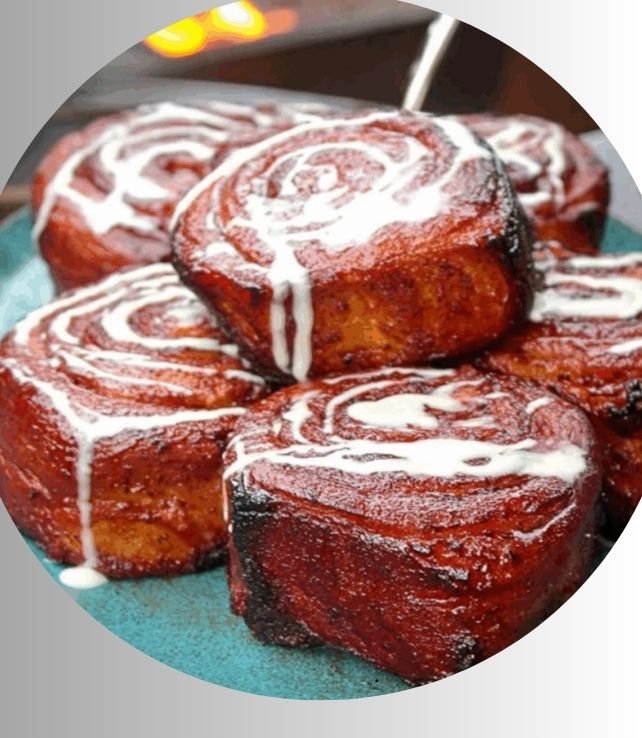
You have a piece of pork belly in your refrigerator. The classic preparations, like braising or roasting, feel too predictable. You want a result that is simultaneously familiar and surprising, where savory depth meets sweet, aromatic spice in a format that feels like a celebration. This recipe answers that.
Pork belly cinnamon rolls transform a rich, unctuous cut of meat into a spiral of layered flavor. The process involves curing, rolling, and slow-roasting pork belly with a filling of sugar, cinnamon, and other spices, then glazing it to create a sticky, caramelized finish. It is a centerpiece dish that commands attention.
I developed this method after considering the structural similarities between laminated dough and layered meat. The goal was to achieve contrasting textures—a crisp, glazed exterior, tender meat, and a spiced ribbon running through each slice. Below, you will find the complete procedure, followed by detailed analysis on ingredients, technique, and the principles that make it work.
How to Make Pork Belly Cinnamon Rolls
This recipe requires planning, as the pork belly benefits from an overnight cure. The active preparation is straightforward, but patience during the cooking process is essential for rendering fat and achieving the desired texture.
Recipe Details
- Prep Time: 45 minutes (plus 12-24 hours curing)
- Cook Time: 2 hours 30 minutes
- Servings: 6-8
- Course: Main Course
- Cuisine: Modern American
- Diet: Contains Meat, Gluten
Ingredients
- 1 whole skinless pork belly, approximately 3-4 lbs
- 2 tbsp coarse kosher salt
- 1 tbsp freshly ground black pepper
- 2 tbsp brown sugar (for cure)
- 1/2 cup dark brown sugar (for filling)
- 1/4 cup granulated sugar
- 3 tbsp ground cinnamon
- 1 tsp ground allspice
- 1/2 tsp ground cloves
- 1 tbsp orange zest
- 1/4 tsp cayenne pepper (optional)
- 1/2 cup apple cider or stock (for pan)
- 1/4 cup maple syrup or honey (for glaze)
Instructions
- Pat the pork belly completely dry with paper towels. If your butcher has not done so, square off the edges to form a neat rectangle. This makes rolling easier.
- Combine the kosher salt, black pepper, and the first 2 tablespoons of brown sugar. Rub this cure mixture evenly over all sides of the pork belly. Place it on a wire rack set over a baking sheet, uncovered, in the refrigerator for 12 to 24 hours.
- Remove the belly from the refrigerator. Rinse the cure off under cold water and pat the belly extremely dry. This step is crucial for browning.
- Mix the filling: In a bowl, combine the 1/2 cup dark brown sugar, granulated sugar, cinnamon, allspice, cloves, orange zest, and cayenne if using.
- Place the pork belly on a clean cutting board with the longer side facing you. Using a sharp boning or fillet knife, slice horizontally into the belly from one long side, stopping about 1 inch from the opposite edge. Your goal is to “butterfly” it open into a larger, thinner, roughly uniform rectangle.
- Evenly sprinkle the spiced sugar filling over the entire interior surface of the butterflied belly, pressing it gently into the meat.
- Starting from the long end you cut from, tightly roll the belly into a spiral, like a jelly roll. The seam should end up on the bottom.
- Using kitchen twine, tie the roll securely at 1-inch intervals along its length. This maintains its shape during cooking.
- Preheat your oven to 325°F (165°C). Place the tied roll in a roasting pan or oven-safe skillet. Pour the apple cider or stock into the base of the pan.
- Roast for 2 hours. After this time, brush the top and sides with maple syrup or honey. Increase the oven temperature to 400°F (200°C) and roast for an additional 20-30 minutes, until the exterior is deeply caramelized and glossy.
- Transfer the roll to a cutting board and let it rest for 15-20 minutes. Remove the twine, slice into 1-inch thick rounds, and serve with the reduced pan juices.
Nutrition
- Calories: 580 kcal
- Protein: 22 g
- Fat: 45 g
- Carbohydrates: 18 g
- Sugar: 16 g
- Fiber: 1 g
- Sodium: 850 mg
- Cholesterol: 85 mg
Cooking Method
The primary cooking method is oven roasting. It begins with a low-and-slow phase to gently render the substantial fat cap and connective tissue within the rolled pork belly, ensuring the meat becomes tender without drying out. A final high-heat phase creates the necessary Maillard reaction and caramelization on the exterior, setting the glaze and developing complex flavor.
Tools Needed
- Sharp boning or fillet knife
- Cutting board
- Mixing bowls
- Wire rack and baking sheet (for curing)
- Kitchen twine
- Roasting pan or oven-safe skillet
- Pastry brush (for glaze)
Ingredient Analysis and Selection
Each component in this preparation serves a specific structural or flavor purpose. Understanding these roles allows for informed substitutions and better results.
Pork Belly: The Foundation
Pork belly is the cut from the underside of the pig, consisting of alternating layers of fat and lean meat. This marbling is non-negotiable for the recipe. The fat renders during the long cook, basting the meat from within and preventing it from becoming tough. Look for a belly with even, distinct striations of meat and fat, and a thickness of about 1.5 to 2 inches. A skinless belly is required; the skin would become unpleasantly tough, not crackling, under these cooking conditions.
The Sugar and Spice Matrix
The filling is not merely a sweet layer. It is a functional paste that caramelizes, flavors, and helps define the swirl.
Brown Sugar vs. Granulated Sugar
Brown sugar contains molasses, which contributes moisture, a deeper caramel flavor, and a slightly acidic note that balances richness. Granulated sugar provides pure sweetness and aids in creating a crisp, glassy surface. Using both creates a more complex sweetness profile.
Cinnamon and Its Companions
Cinnamon is the dominant note, but it is supported. Allspice offers warm, clove-like tones, while a small amount of ground clove provides a sharp, penetrating depth. Orange zest introduces a bright, floral citrus oil that cuts through the fat. The optional cayenne is not for heat, but to create a subtle, lingering warmth that highlights the other spices.
The Curing Agent: Salt
The initial dry cure with kosher salt is a pivotal step. It seasons the meat deeply, draws out some moisture to concentrate flavor, and begins to break down protein structures. This results in a firmer, more sliceable final product after roasting. The pepper and sugar in the cure add foundational flavor layers that penetrate beyond the surface.
Nutritional Perspective
As a dish, pork belly cinnamon rolls are energy-dense and rich. A single serving provides a significant amount of protein, essential for muscle repair and satiety, and a high level of fat, primarily monounsaturated and saturated from the pork.
The fat content is a feature, not a flaw, in this context. It delivers flavor and contributes to a prolonged feeling of fullness. The sugars, while present, are largely concentrated in the filling and glaze; a portion of them will remain in the pan juices. The dish contains minimal carbohydrates outside of the sugar component and offers negligible fiber.
From a dietary standpoint, this is a celebratory or occasional meal. Its nutritional profile suggests pairing it with sides that provide fiber, vitamins, and complex carbohydrates—such as roasted root vegetables, a bitter green salad, or whole grains—to create a more balanced plate.
Dietary Adaptations and Variations
The core concept of a spiced, rolled meat dish can be adapted to meet various dietary needs or to explore different flavor directions.
For a Lower-Sugar Version
Replace the brown and granulated sugars in the filling with a sugar substitute blend designed for baking that measures cup-for-cup like sugar. Monk fruit sweetener or erythritol blends can work, though they may caramelize differently. Increase the spice quantities slightly to compensate for the loss of flavor depth from molasses.
Exploring Global Spice Profiles
The cinnamon-sugar profile is classic, but the technique is a canvas. A savory Italian-inspired roll could use a filling of chopped rosemary, garlic, fennel seed, and lemon zest. A Chinese-inspired version might employ five-spice powder, hoisin sauce, and scallions. The curing and rolling method remains constant.
Addressing Gluten Concerns
This recipe is inherently gluten-free as written, provided all spices and other ingredients are from certified gluten-free sources. Always check labels on pre-ground spices, as cross-contamination can occasionally occur.
Cultural and Historical Context
The idea of rolling seasoned meat is ancient and widespread, from Italian braciole to Romanian rulade. Applying the specific technique and flavor combination of a cinnamon roll to pork belly is a modern culinary innovation, a product of the food experimentation culture of the late 20th and early 21st centuries.
It sits at the intersection of barbecue traditions (which often use sweet spice rubs on pork) and pastry techniques. There is no single point of origin, but it gained visibility through chef-driven restaurants and competitive food media, where the surprise of a familiar sweet format applied to a savory main course creates immediate engagement.
Common Mistakes and Techniques for Success
Several points in the process are critical. Avoiding these errors ensures the structural integrity and flavor of the dish.
Failing to Dry the Surface
After rinsing the cure, the pork belly must be patted completely dry. Any surface moisture will steam the meat initially instead of allowing it to brown. A dry surface is the first step toward a proper sear and caramelization later in the cook.
An Incomplete Butterfly Cut
When butterflying, the most common error is cutting all the way through the meat, creating two separate pieces. The goal is a single, larger sheet. Use a long, sharp knife and work slowly, keeping the blade parallel to the cutting board. The 1-inch “hinge” is essential for a continuous roll.
Under-Tying the Roll
Do not be sparing with the kitchen twine. Ties at 1-inch intervals are necessary to hold the roll’s cylindrical shape against the pressure of the contracting meat fibers during cooking. A loosely tied roll will bulge and may unravel.
Skipping the Rest
Slicing the roll immediately after roasting will cause the hot juices to flood out, leaving drier meat. The 15-20 minute rest allows the proteins to relax and reabsorb those juices, ensuring every slice is moist.
Serving, Pairing, and Storage Guidance
This dish is a robust centerpiece. Slice it into thick rounds and present it on a platter, spooning the reduced, syrupy pan juices over the top.
Ideal Accompaniments
Choose sides that offer contrast in texture and flavor. Creamy, cool mashed potatoes or celery root puree balance the richness. A salad of assertive greens like arugula or radicchio with a sharp vinaigrette cuts through the fat. For a seasonal approach, roasted apples, pears, or parsnips complement the spices in the pork.
Storage and Reheating
Leftovers can be stored, tightly wrapped, in the refrigerator for up to 3 days. The best method for reheating is in a covered oven-safe dish with a small amount of broth or water at 300°F until just warmed through. This prevents further rendering and drying. Microwaving will make the texture rubbery and can cause the sugar to become unpleasantly hard.
The Science of the Spiral
The success of this dish hinges on basic principles of meat cookery and chemistry. The dry cure initiates osmosis, drawing water out of the cells, and diffusion, allowing the salt and seasoning to move in. This partially denatures proteins, leading to a denser, more seasoned final texture.
During roasting, the collagen in the connective tissue between the meat layers slowly converts into gelatin at temperatures between 160-180°F. This process, aided by the presence of moisture in the pan, is what makes the meat tender. The final high-temperature stage pushes the surface sugars past their melting point into caramelization, creating new, complex flavor compounds and the characteristic glaze.
Frequently Asked Questions
Can I use pork tenderloin instead of pork belly?
No. Pork tenderloin is very lean and lacks the necessary fat content. It would become dry and tough using this long, slow-roast method. The recipe depends on the marbling and fat cap of the belly for moisture and texture.
My roll seems loose after tying. What did I do wrong?
This usually means the butterflied piece was not rolled tightly enough from the start. Before tying, use your hands to compress the roll firmly. Also, ensure your ties are close together and snug. The roll will contract as it cooks, so starting tight is key.
Is the cayenne pepper going to make the dish spicy?
The small amount listed provides a background warmth, not overt spiciness. It enhances the other spices. You can omit it entirely without altering the core flavor profile if you are sensitive to heat.
Can I prepare this dish a day in advance?
You can complete the curing, butterflying, filling, rolling, and tying steps a day ahead. Wrap the tied roll tightly in plastic and refrigerate it. Remove it from the refrigerator about an hour before roasting to take the chill off, which promotes more even cooking.
What is the purpose of the liquid in the bottom of the roasting pan?
The apple cider or stock creates a steamy environment in the oven’s first stage, which helps keep the outer layers of meat from drying out before the internal fat fully renders. It also prevents the dripping sugars from burning and smoking, and forms the base for a simple pan sauce.
My exterior is burning before the inside is tender. How do I fix this?
This indicates your oven temperature may be running high, or the initial roasting phase was too short. Next time, verify your oven temperature with a separate thermometer. If it happens during cooking, tent the roll loosely with aluminum foil to shield it, and extend the cooking time at the lower temperature until a probe inserted into the center meets little resistance.
Can I cook this in a smoker instead of an oven?
Yes, a smoker is an excellent alternative. Follow the same preparation steps. Smoke the tied roll at 225-250°F until it reaches an internal temperature of about 185°F (for renderability), which may take 3-4 hours. Then glaze and increase the heat or move to a hot oven to set the glaze, as a smoker often lacks the direct heat for effective caramelization.
