
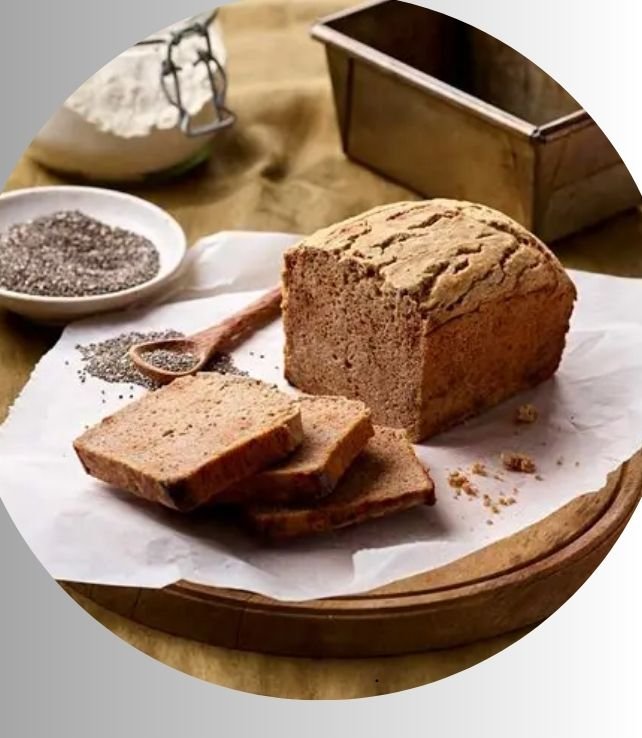
You may have a bag of buckwheat flour in your pantry, purchased with good intentions, now sitting unused. Many people find its strong, earthy flavor and dense texture challenging to work with in baking. I understand that hesitation completely.
My own journey with this ingredient began years ago, not in a modern health food store, but in my grandmother’s kitchen. She would make a simple, dense flatbread from buckwheat, a staple from her region. It was an acquired taste for my younger self, but its hearty, sustaining quality stayed with me.
This recipe is the result of countless tests to bridge that memory with the soft, sliceable loaf we expect today. It creates a bread that is moist, flavorful, and structurally sound, without the common pitfalls of grittiness or excessive density. Below, you will find the complete method, followed by a deep analysis of why it works from nutritional, historical, and practical perspectives.
How to Make Buckwheat Bread Recipe
This method uses a hybrid of buckwheat and wheat flours to achieve a balanced loaf. The combination of yogurt and a careful hydration process ensures a tender crumb. Follow the instructions closely, particularly regarding resting times, for the best result.
Recipe Details
- Prep Time: 25 minutes (plus 1 hour resting)
- Cook Time: 45 minutes
- Servings: 1 loaf (12 slices)
- Course: Side, Breakfast
- Cuisine: Fusion
- Diet: Vegetarian
Ingredients
- 200 grams (about 1 2/3 cups) buckwheat flour
- 150 grams (about 1 1/4 cups) strong white bread flour
- 7 grams (2 teaspoons) instant yeast
- 8 grams (1 1/2 teaspoons) fine sea salt
- 1 tablespoon pure maple syrup or honey
- 250 grams (1 cup) plain whole-milk yogurt, at room temperature
- 120-150 grams (1/2 to 2/3 cup) lukewarm water
- 1 tablespoon olive oil, for the bowl
Instructions
- In a large mixing bowl, combine the buckwheat flour, bread flour, instant yeast, and salt. Whisk thoroughly to distribute the yeast and salt evenly.
- Make a well in the center and add the maple syrup and yogurt. Begin to mix with a wooden spoon or your hands, gradually adding the lukewarm water. Start with 120 grams and add more only if needed. The dough will be sticky and shaggy.
- Turn the dough out onto a lightly floured surface (use bread flour). Knead for 8-10 minutes. The dough will be soft and may remain slightly tacky, but it should become smoother and more elastic. Avoid adding too much extra flour.
- Place the dough in a bowl lightly coated with olive oil. Turn to coat, cover with a damp cloth or plastic wrap, and let rise in a warm place for about 1 hour, or until roughly doubled in size.
- Lightly grease a standard 9×5 inch loaf pan. Gently deflate the risen dough and shape it into a log. Place it seam-side down in the prepared pan. Cover and let rise again for 30-45 minutes, until it domes just above the pan’s rim.
- While the dough proofs, preheat your oven to 375°F (190°C).
- Bake the loaf for 40-45 minutes, until it is deep golden brown and sounds hollow when tapped on the bottom. An internal thermometer should read 200-210°F (93-99°C).
- Immediately remove the bread from the pan and transfer to a wire rack. Allow it to cool completely before slicing, at least 2 hours. This prevents a gummy texture.
Nutrition
- Calories: 145 kcal
- Protein: 5 g
- Fat: 2 g
- Carbohydrates: 27 g
- Sugar: 2 g
- Fiber: 2 g
- Sodium: 320 mg
- Cholesterol: 3 mg
Note: Nutritional values are estimates per slice, based on 12 slices per loaf.
Cooking Method
This bread is made using the straight dough method, with a conventional oven bake. The process involves mixing, kneading to develop the wheat gluten, two rises for structure and flavor, and baking in a loaf pan to guide the final shape.
Tools Needed
- Large mixing bowl
- 9×5 inch loaf pan
- Kitchen scale (recommended for accuracy)
- Measuring spoons and cups
- Wire cooling rack
Understanding Buckwheat: More Than a Grain
To master this bread, knowing your primary ingredient is essential. Buckwheat is not a cereal grain but a pseudocereal, related to rhubarb and sorrel. This botanical distinction is the key to its unique properties.
Buckwheat Flour Profiles
Not all buckwheat flours are identical. Their processing determines flavor and performance.
Light vs. Dark Flour
Light buckwheat flour has had the dark hulls removed from the groats before milling. It has a milder, less bitter flavor and a finer texture, making it preferable for cakes and delicate baking. Dark flour includes some or all of the hull, resulting in a more robust, earthy taste, higher fiber content, and a speckled appearance. This recipe works well with either, but dark flour will yield a more pronounced traditional flavor.
Toasted (Kasha) Flour
In some traditions, the groats are toasted before milling. This kasha flour has a deep, nutty, almost smoky aroma. It absorbs more liquid and creates a denser product. I do not recommend it for this specific loaf recipe unless you are prepared for a significantly heavier texture and adjusted hydration.
Nutritional Attributes of Buckwheat
As a dietician, the nutrient profile of buckwheat is what makes it a valuable dietary addition. It is a complete protein, containing all nine essential amino acids, which is rare for plant-based foods.
It is rich in soluble fiber, specifically a type called resistant starch, which supports gut health and provides a steady release of energy. Buckwheat is also a notable source of minerals like magnesium for muscle function, manganese for bone health, and copper. Furthermore, it contains bioactive compounds such as rutin, a flavonoid with antioxidant properties that supports vascular health.
The Nutritional Rationale Behind This Recipe
This loaf is designed to be nutritionally synergistic, not just a vehicle for buckwheat. The combination of flours addresses both texture and nutrient availability.
The wheat bread flour provides the gluten necessary to trap gas and create an open crumb. Without it, a 100% buckwheat loaf would be flat and crumbly. The buckwheat contributes its protein, fiber, and minerals. The yogurt serves multiple purposes: its acidity tenderizes the gluten, its fats contribute to moisture and shelf-life, and its proteins aid in browning. The small amount of sweetener is not for flavor dominance but to provide readily available food for the yeast, ensuring a strong and consistent rise.
From a glycemic standpoint, the high fiber and protein content of buckwheat, combined with the fat from yogurt, slows the digestion of carbohydrates. This leads to a more moderated blood glucose response compared to bread made solely with refined wheat flour.
Dietary Adaptations and Variations
This recipe is a flexible template. Here are tested modifications for different dietary needs.
Gluten-Free Adaptation
To make this loaf gluten-free, replace the 150g bread flour with a blend. I recommend 75 grams sorghum flour, 50 grams tapioca starch, and 25 grams oat flour (ensure it’s certified gluten-free). Add 1 teaspoon xanthan gum to the dry ingredients. The dough will be more like a thick batter; pour it into the pan instead of shaping it. The rise may be less pronounced, and the crumb will be closer-grained.
Vegan Adaptation
Swap the dairy yogurt for an equal weight of unsweetened, plain plant-based yogurt. Soy or coconut yogurt work best due to their higher protein and fat content. The maple syrup option should be used instead of honey. The result will be very similar, though the crust may be slightly less golden.
Low-Sodium Variation
Reduce the salt to 1 teaspoon (about 5 grams). Be aware that salt regulates yeast activity and strengthens gluten, so the rise may be slightly faster and the crumb slightly less firm.
Flavor Variations
For a savory twist, add 2 tablespoons of chopped fresh rosemary or thyme to the dry ingredients. For a richer flavor, substitute 50 grams of the water with whole milk. You can also fold in up to 100 grams of toasted sunflower seeds or walnuts after the first knead.
A Brief History of Buckwheat in Bread
Buckwheat’s use in breadmaking is ancient and born of necessity. It thrives in poor, acidic soils and cool climates with short growing seasons where wheat struggles. This made it a crucial staple across mountainous regions of Asia and later, Eastern and Northern Europe.
In Brittany, France, it is the sole flour in the famous galettes. In Russia, it was used in blini. In the Alpine regions, it was mixed with rye. These were often unleavened or sourdough-based flatbreads or dense loaves. The bread was functional, caloric, and sustaining. My grandmother’s version was part of this tradition—a simple, hearty food for labor. Our modern desire for a soft, sandwich-style loaf is a recent adaptation, made possible by combining buckwheat with high-gluten wheat flours and commercial leavening.
Common Mistakes and How to Avoid Them
After testing this recipe dozens of times, I have identified the most frequent issues bakers encounter.
Dense, Gummy Texture
This is the top complaint. Causes include: using 100% buckwheat flour (no gluten network), not kneading the wheat flour enough to develop gluten, adding too much water, or—most commonly—slicing the bread while it is still warm. The starches need time to set. Patience is non-negotiable.
Lack of Rise
Buckwheat flour is inert and provides no lift. If your loaf is flat, check the freshness of your yeast. Ensure your yogurt is at room temperature; cold ingredients slow yeast activation. Also, do not let the salt come into direct contact with the yeast when measuring; mix them into the flours first.
Bitter or Overpowering Flavor
If the earthy taste is too strong for you, try using a lighter buckwheat flour next time. Ensure your buckwheat flour is fresh; it can become rancid due to its fat content. Store it in the refrigerator or freezer.
Crumbly Slices
This indicates insufficient gluten development or under-kneading. The wheat flour must be worked adequately to form a network that holds the buckwheat in place. Knead for the full 8-10 minutes, even if the dough is sticky.
Serving, Pairing, and Storage Guidance
This bread’s flavor profile dictates its best uses. It is exceptional toasted, as heat enhances its nutty notes.
For breakfast, try it with almond butter and sliced banana, or with a soft-boiled egg. At lunch, it pairs well with robust flavors: sharp cheddar, smoked turkey, or a hearty lentil soup. For a sweet pairing, ricotta cheese and a drizzle of honey complement its earthiness.
Storage is straightforward. Once completely cool, store the loaf in a bread bag or wrapped in beeswax wrap at room temperature for up to 3 days. For longer storage, slice and freeze it in an airtight bag for up to 3 months. Toast slices directly from frozen.
The Science of Hydration and Gluten
Buckwheat flour behaves very differently from wheat flour. It contains no gluten, but it is high in fiber and starch that absorb water aggressively. This is why the water in the recipe is added gradually.
If you add all the water at once, the buckwheat will soak it up immediately, leaving no free water for the wheat flour to form gluten. By mixing the flours first and adding liquid gradually, you allow the wheat gluten proteins (gliadin and glutenin) to hydrate and start forming the elastic network that will give the bread structure. The yogurt, with its water bound in proteins and fats, further manages this hydration, preventing the dough from becoming a sticky paste.
Frequently Asked Questions
Can I make this bread with 100% buckwheat flour?
No, you cannot make a traditional risen loaf with 100% buckwheat flour. It lacks gluten, which is necessary to trap the gases from yeast and create an airy structure. The result would be a dense, crumbly flatbread.
My dough is very sticky. Should I add more flour?
Resist the urge to add excessive flour. Buckwheat dough is inherently tackier than wheat dough. Adding too much flour will make the final loaf dry and dense. Lightly flour your hands and work surface, and complete the kneading. The dough will become smoother as the gluten develops.
Why is my buckwheat bread bitter?
A pronounced bitter edge usually comes from using dark buckwheat flour that includes the hulls, or from flour that is past its prime. For a milder taste, seek out light buckwheat flour and ensure it is stored properly in a cool, dark place.
Can I use a sourdough starter instead of yeast?
Yes, but it requires a different approach. Replace the instant yeast with 150 grams of active, fed sourdough starter. Reduce the water in the recipe by approximately 75 grams to account for the starter’s hydration. Expect a longer, slower rise and a more pronounced tangy flavor.
Is buckwheat bread suitable for a low-carb diet?
While buckwheat is higher in fiber and has a lower glycemic index than white wheat flour, it is still a significant source of carbohydrates. This bread is not considered low-carb, but it is a more nutrient-dense carbohydrate choice.
How do I know when the bread is fully baked?
Do not rely solely on time or color. Use an instant-read thermometer. Insert it into the center of the loaf; it should read between 200°F and 210°F (93°C to 99°C). This ensures the starches are fully gelatinized and the interior is cooked.
Can I use kefir instead of yogurt?
Yes, plain, unsweetened kefir is an excellent substitute for yogurt in this recipe. Use it in the same weight or volume. Its thinner consistency may require you to use slightly less added water.
