
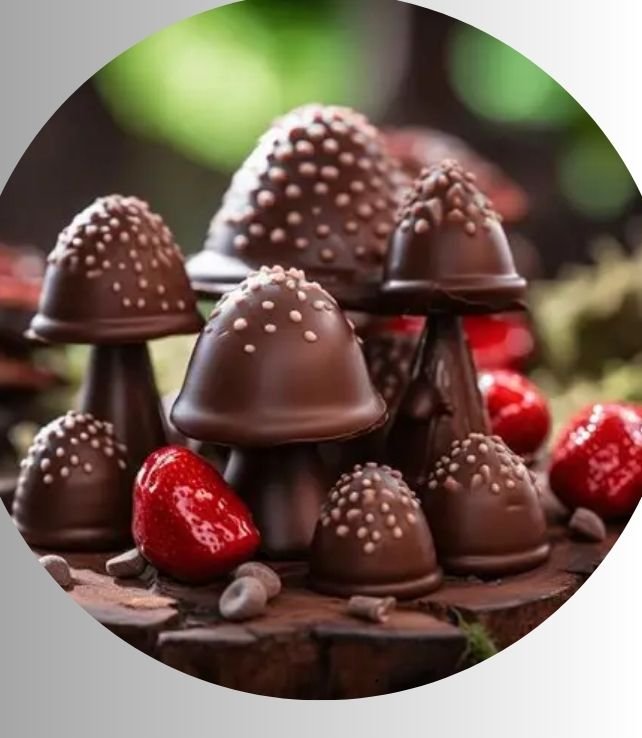
You might have seen the term “mushroom chocolate” and wondered if it’s a culinary experiment gone wrong. I did too, years ago, before I understood the tradition. This isn’t about sautéed button mushrooms folded into a brownie batter. It’s about harnessing the subtle, earthy power of functional mushroom extracts and pairing them with one of humanity’s oldest comforts: chocolate.
The first time I prepared this combination, I was researching adaptogens for a client dealing with stress-related fatigue. The goal was a supportive treat that felt like a small, daily ritual, not another supplement to choke down. Melding the deep, roasted notes of high-cacao chocolate with the complex profiles of reishi or lion’s mane created something greater than the sum of its parts. It became a focused moment of calm in my afternoon.
This recipe is a template for creating your own functional chocolate. Below, I’ll guide you through every step, from selecting your mushroom powder to tempering the chocolate for a perfect snap. We’ll explore the why behind each ingredient, navigate dietary adaptations, and address every question you might have before you begin.
Understanding Mushroom Chocolate: More Than a Trend
At its core, mushroom chocolate is a fusion of two potent foodstuffs. Chocolate, derived from the Theobroma cacao bean, provides flavonoids, minerals, and mood-influencing compounds. Functional mushroom extracts, typically from species like Reishi, Lion’s Mane, Chaga, or Cordyceps, contribute adaptogens and other bioactive components.
The synergy is practical. High-quality chocolate has a strong, often bitter flavor profile that can gracefully carry the earthy, sometimes challenging taste of mushroom extracts. The fats in cocoa butter also aid in the absorption of fat-soluble compounds found in mushrooms. Historically, both cacao and mushrooms like Chaga have been used in various cultural practices for their perceived supportive properties. This recipe modernizes that ancient wisdom into a reproducible, kitchen-crafted format.
How to Make Mushroom Chocolate Recipe
This method uses a simple “melt and mix” technique, focusing on precision and ingredient quality. The process is straightforward, but the details make the difference between a gritty, bland bar and a professional, potent one.
Recipe Details
- Prep Time: 20 minutes
- Cook Time: 10 minutes (plus 1 hour setting)
- Servings: 16 pieces (one 8×8 inch tray)
- Course: Snack, Dessert
- Cuisine: Fusion
- Diet: Gluten-Free, Vegetarian (see adaptations for Vegan)
Ingredients
- 300 grams high-quality dark chocolate (70% cacao or higher), chopped
- 1 tablespoon refined coconut oil (optional, for a smoother snap)
- 10 grams (approx. 2 teaspoons) dual-extract mushroom powder (e.g., Lion’s Mane, Reishi, or a blend)
- 1/4 teaspoon fine sea salt
- Optional add-ins: 2 tablespoons crushed cacao nibs, 1/4 teaspoon vanilla bean powder, or a pinch of cinnamon
Instructions
- Prepare your mold. Lightly grease an 8×8 inch silicone baking mold or line a similar-sized pan with parchment paper.
- Create a double boiler. Fill a small saucepan with 1-2 inches of water and bring to a simmer. Place a heatproof bowl on top, ensuring the bottom does not touch the water.
- Melt the chocolate. Add the chopped chocolate and coconut oil (if using) to the bowl. Stir gently and consistently with a silicone spatula as it melts. Remove the bowl from heat once just a few small pieces remain, and continue stirring off the heat until completely smooth. The chocolate should not exceed 120°F (49°C).
- Incorporate dry ingredients. Let the chocolate cool for 2-3 minutes. Sift in the mushroom powder and sea salt through a fine-mesh sieve to prevent clumps. Add any other dry optional ingredients. Stir vigorously for at least 60 seconds to ensure full, even distribution.
- Temper (optional but recommended). For a glossy finish and stable chocolate, temper it. Pour about 2/3 of the melted mixture onto a cool marble slab or baking sheet and spread it back and forth with a spatula until it thickens and reaches about 82-84°F (28-29°C). Scrape it back into the bowl with the remaining 1/3 warm chocolate and stir until the entire batch reaches 88-90°F (31-32°C).
- Pour and set. Pour the chocolate mixture into your prepared mold. Tap the mold firmly on the counter to release air bubbles.
- Allow the chocolate to crystallize. Let it set at cool room temperature (around 65-70°F or 18-21°C) for about 1 hour, or refrigerate for 20-30 minutes if your kitchen is warm. Do not cover until fully set to prevent condensation.
- Release and store. Once completely firm, pop the chocolate out of the mold or lift it from the pan. Break or cut into 16 pieces. Store in an airtight container in a cool, dark place.
Nutrition
- Calories: 110 kcal
- Protein: 1.5 g
- Fat: 8 g
- Carbohydrates: 9 g
- Sugar: 6 g
- Fiber: 2 g
- Sodium: 35 mg
- Cholesterol: 0 mg
*Nutritional values are estimates per piece based on using 75% dark chocolate without optional coconut oil. Values will vary with specific ingredients.
Cooking Method
The primary method here is gentle, indirect melting via a double boiler, followed by manual tempering. The double boiler provides precise control over heat, preventing the chocolate from scorching, which destroys its flavor and texture. Tempering aligns the cocoa butter crystals, resulting in chocolate that is shiny, snaps cleanly, and has a stable shelf life. While seeding (adding unmelted chocolate to melted) is another tempering method, the table-spreading technique described offers more control for small batches.
Tools Needed
- 8×8 inch silicone chocolate mold or baking pan
- Small saucepan
- Heatproof glass or metal mixing bowl
- Silicone spatula
- Fine-mesh sieve
- Instant-read thermometer (highly recommended for tempering)
- Cool marble slab or baking sheet (for tempering)
Ingredient Deep Dive: Choosing the Best Components
The success of this preparation hinges entirely on the quality and compatibility of its two main elements. Compromising on either will be noticeable in the final product.
The Chocolate: Your Flavor Foundation
Chocolate is not just a sweetener; it’s the carrier and the canvas. Look for couverture or baking chocolate with a high percentage of cacao (70% or more). This ensures a lower sugar content and a stronger flavor to balance the mushroom notes. The ingredient list should be short: cocoa mass, cocoa butter, sugar, perhaps vanilla or lecithin. Avoid chocolates with vegetable fats or excessive additives.
The origin of the cacao beans influences the profile. South American beans often have fruity or nutty notes, while African beans can be more robust and earthy. An earthy bean might pair well with Chaga, while a fruity one could complement Cordyceps. Experiment with single-origin bars for unique results.
The Mushroom Extract: The Functional Heart
This is the most critical choice. Not all mushroom powders are equal. You must use a powder made from the fruiting body and/or mycelium, processed via hot water and alcohol extraction to make the beneficial compounds bioavailable. A simple dried, ground mushroom will be gritty and less effective.
Select your mushroom based on your intent. Lion’s Mane is often associated with cognitive support, Reishi with relaxation and immune function, Chaga with antioxidant capacity, and Cordyceps with energy and stamina. Many reputable suppliers offer synergistic blends. Always source from companies that provide third-party lab testing for purity and potency.
The Supporting Cast: Salt, Fat, and Texture
Sea salt is non-negotiable. It heightens the chocolate flavor and counters any residual bitterness. A flaky salt sprinkled on top after pouring adds a delightful textural contrast.
Coconut oil is optional but useful. It makes the chocolate more fluid for pouring, gives a slightly smoother melt in the mouth, and can make the bar less brittle if your kitchen is cold. Refined coconut oil has a neutral taste.
Add-ins like cacao nibs provide a crunchy texture and intense chocolate burst without sweetness. Spices like cinnamon or cayenne can bridge the flavor gap between sweet and earthy.
Nutritional and Dietary Analysis
From a dietary perspective, this preparation is inherently gluten-free and vegetarian. Its nutritional profile is dominated by the fats from cocoa butter and the carbohydrates from the chocolate’s sugar content. The mushroom powder contributes minimal macronutrients but adds the spectrum of bioactive compounds specific to the species used.
Macronutrient Breakdown
A piece made with 75% dark chocolate derives roughly 65% of its calories from fat, 30% from carbohydrates, and 5% from protein. The fat is primarily from cocoa butter, which is a mix of saturated (mainly stearic acid, which has a neutral effect on blood cholesterol) and monounsaturated fats. The fiber content, from the cacao, is a positive aspect, aiding satiety.
Dietary Adaptations and Substitutions
This template is highly adaptable. For a vegan version, ensure your dark chocolate contains no dairy (many high-percentage bars do not). You can also use a high-quality vegan chocolate chip that melts well.
For a lower-sugar option, seek out chocolate sweetened with monk fruit or stevia, though melting properties may vary. You can also increase the cacao percentage to 85% or 90%.
If you require a nut-free product, verify that your chocolate is processed in a dedicated facility. For a completely sugar-free version, you would need to work with unsweetened cacao mass and cocoa butter and use a powdered alternative sweetener that dissolves without grittiness, such as allulose or erythritol.
The Science of Synergy: Why This Combination Works
The partnership between chocolate and mushroom extracts is more than symbolic. Cacao contains compounds like theobromine, a mild stimulant, and phenylethylamine, which can influence mood. Functional mushrooms contain beta-glucans and triterpenes, among other compounds, studied for their adaptogenic properties.
Physically, the lipids in cocoa butter can improve the bioavailability of fat-soluble actives in the mushroom extracts. From a sensory standpoint, the strong, complex flavor molecules in both ingredients can create a harmonious, layered taste experience that masks any unpleasant notes from the mushroom powder, making consistent consumption more palatable.
Common Mistakes and How to Avoid Them
Even a simple melt-and-mix process has pitfalls. The most frequent error is introducing moisture into the chocolate. Even a drop of water or steam can cause the chocolate to “seize,” turning it into a grainy, stiff mass. Always ensure all tools are completely dry.
Using low-quality or non-extract mushroom powder results in a gritty texture and muted functional benefits. Heating the chocolate too quickly or too high burns it, creating a bitter taste. Stirring insufficiently after adding the mushroom powder leads to uneven distribution and pockets of intense flavor.
To ensure success, measure your ingredients by weight with a kitchen scale for accuracy. Allow your chocolate to cool slightly before adding the powder to prevent any heat degradation of the mushroom compounds. If you skip tempering, understand that the chocolate may bloom (develop white streaks) and have a softer snap, though it will still be edible.
Serving, Pairing, and Storage Guidelines
This chocolate is best enjoyed as a single piece in the afternoon or after a meal. The intensity of flavor and functional components means it’s not a bar for rapid consumption. Pair it with a cup of black tea, a light roast coffee, or even a glass of red wine whose notes complement the chocolate’s origin.
For storage, an airtight container in a cool, dark place (60-68°F or 15-20°C) is ideal. It will keep for several months. Refrigeration is acceptable but not preferred, as it can promote sugar bloom when removed to room temperature. If you must refrigerate, seal it tightly to guard against odors and condensation. The chocolate can be frozen for long-term storage; thaw in its container in the refrigerator overnight to prevent condensation.
Frequently Asked Questions
What does mushroom chocolate taste like?
The taste depends heavily on the mushroom extract used. With a high-quality dark chocolate base, the primary flavor is rich, roasted cacao. The mushroom adds an earthy, sometimes slightly bitter or umami undertone that complements rather than overpowers the chocolate. It should not taste like a portobello mushroom.
Can I use fresh mushrooms in this recipe?
No. Fresh mushrooms contain about 90% water, which would cause the chocolate to seize and spoil quickly. They also lack the concentrated, bioavailable compounds found in properly extracted powders. This recipe is designed specifically for dry, soluble mushroom extract powders.
How much mushroom chocolate is safe to consume in a day?
This depends on the potency of your mushroom powder. Always follow the serving size recommendation on your specific powder’s packaging. Typically, one to two pieces of this recipe, providing 1-2 grams of extract powder, is considered a standard daily serving. It is not intended for excessive consumption.
Will this chocolate make me feel different?
Functional mushrooms are not pharmaceutical agents. They are considered dietary supplements meant to support overall well-being. Effects are subtle and cumulative, not immediate or dramatic. Some people report a sense of calm with Reishi or improved focus with Lion’s Mane over consistent use.
Can I use milk chocolate or white chocolate instead?
You can, but the higher sugar and dairy content will dominate the flavor, making it harder to integrate the earthy mushroom notes. Milk chocolate may also burn more easily due to its milk solids. If you try it, use the lowest heat possible and expect a much sweeter, milder final product.
My chocolate became grainy and hard after adding the powder. What happened?
This is called seizing, likely caused by a small amount of moisture introduced from the powder or steam from your double boiler. To salvage it, you can try stirring in a teaspoon of a neutral, hot liquid like coffee or a plant-based milk to re-emulsify it, though this will alter the texture. Prevention through dry tools and cooled chocolate is key.
Is this recipe suitable for children?
Due to the presence of both caffeine/theobromine from the dark chocolate and concentrated mushroom extracts, this preparation is not generally recommended for children or pregnant/nursing individuals without consulting a healthcare provider.
Where is the best place to buy mushroom extract powder?
Look for reputable wellness or supplement brands that specialize in functional mushrooms. They should provide clear information on extraction methods (dual-extract is ideal), source of mushrooms (organic preferred), and have certificates of analysis from third-party labs verifying purity and potency. Health food stores and trusted online retailers are common sources.
